Why Do Pink Toe Tarantulas Hide
Understanding the reasons behind a Pink Toe Tarantula’s hiding behavior is crucial for providing proper care and ensuring its well-being. These fascinating creatures, native to the rainforests of South America and the Caribbean, have evolved specific behaviors to survive in their natural habitats. Hiding is a fundamental aspect of their survival strategy, serving multiple purposes from evading predators to conserving energy and regulating their environment. Factors such as environmental changes, perceived threats, and even natural instincts can trigger hiding behavior in Pink Toe Tarantulas. It’s essential to understand the underlying causes to differentiate between normal behavior and signs of stress or illness, allowing you to create an optimal living environment that fosters their natural habits and promotes their health.
Understanding Their Natural Behavior
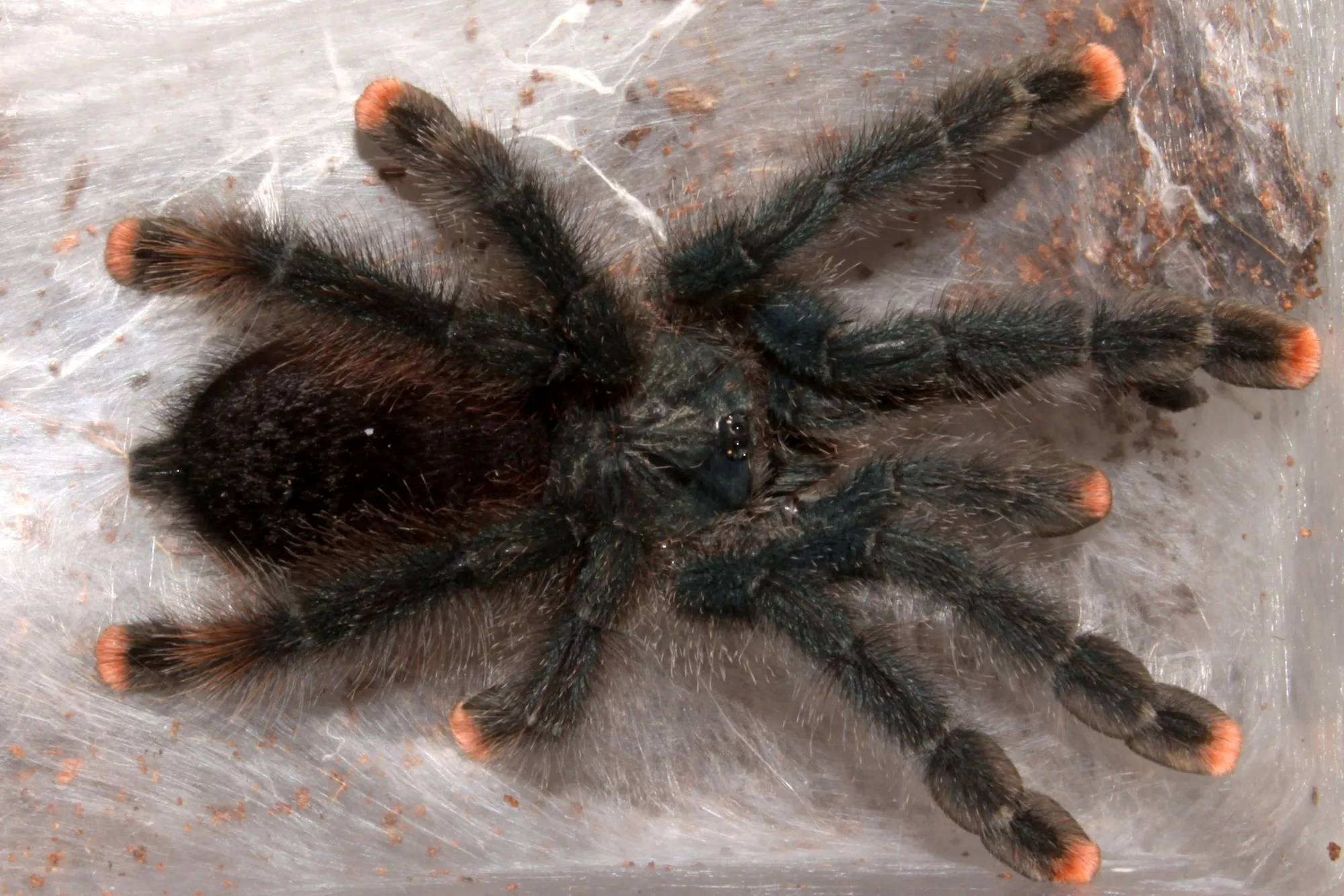
Pink Toe Tarantulas, scientifically known as Avicularia avicularia, are arboreal creatures, meaning they primarily inhabit trees. In the wild, they create silk nests in tree hollows, under leaves, or within the branches to provide shelter and protection. Their natural environment significantly influences their behavior. Hiding is a core instinct, offering them a sense of security from potential predators like birds, snakes, and larger insects. These tarantulas are also ambush predators, meaning they often wait in concealed locations to ambush their prey. The act of hiding also helps them conserve energy, as they can remain still and undetected for extended periods while waiting for an opportunity to hunt. Understanding their natural behaviors, like their tendency to hide, is vital for recreating a suitable environment in captivity and ensuring they feel secure and comfortable.
Stress Factors Impacting Hiding Behavior

Several factors can trigger or exacerbate hiding behavior in Pink Toe Tarantulas, indicating stress or discomfort. Environmental stressors, such as sudden temperature changes, excessive light exposure, or loud noises, can cause them to retreat to a concealed location. Poor enclosure conditions, including improper humidity levels, lack of suitable hiding places, or a substrate that doesn’t allow them to burrow, can also lead to increased hiding. Furthermore, frequent disturbances like excessive handling or vibrations from their enclosure being moved can cause anxiety, making them hide for extended periods. The introduction of new tank mates (which is generally not recommended), or even the presence of other pets near the enclosure, may trigger the hiding response. Careful observation of your tarantula’s behavior and environment is key to identify and eliminate potential stressors, creating a healthier and more comfortable habitat.
Common Hiding Places in a Pink Toe Tarantula Enclosure
In captivity, Pink Toe Tarantulas will seek refuge in various parts of their enclosure. They often prefer to hide in areas that mimic their natural habitat, such as within or behind artificial plants, cork bark, or other decorations. These hiding spots provide a sense of security and help them feel less exposed. They may also retreat to the corners of the enclosure, especially if they feel stressed. In addition to hiding amongst decorations, these tarantulas are also known to create silken nests, which can serve as both a hiding place and a feeding area. Substrate depth can also influence hiding behavior, with deeper substrates allowing them to burrow. Carefully selected decor, the right substrate, and the right placement can drastically improve the feeling of safety for your Pink Toe Tarantula.
Exploring Arboreal vs. Terrestrial Habits
Pink Toe Tarantulas are arboreal, meaning they primarily live in trees. This lifestyle heavily influences their hiding behavior. Arboreal tarantulas typically seek shelter in elevated locations, such as within tree hollows, under bark, or amid dense foliage. Their need to hide often stems from the need to protect themselves from predators. These tarantulas do not burrow, so in captivity, they will often seek a vertical space. Terrestrial tarantulas, on the other hand, burrow underground or hide amongst ground-level structures. The difference in habits is important to consider when setting up an enclosure for your tarantula. Understanding this helps you provide a more species-appropriate environment, encouraging your tarantula to display its natural behaviors and feel secure.
Top 5 Tips for Encouraging Your Pink Toe Tarantula to Come Out

While hiding is natural for Pink Toe Tarantulas, there are ways to encourage them to come out and be more active. By creating a well-designed enclosure, maintaining optimal environmental conditions, and minimizing disturbances, you can promote their well-being. It is also important to understand that they can be shy and may hide frequently, but it is important to ensure that the behavior is not driven by stress or an unsuitable habitat. The following tips will help ensure your tarantula feels safe, secure and happy.
Tip 1 Provide a Safe and Secure Enclosure
The enclosure is your tarantula’s home, and its design greatly impacts its behavior. Choose an enclosure that is appropriately sized, considering the tarantula’s adult size. A vertical enclosure is best suited for an arboreal species like the Pink Toe Tarantula. Provide a secure lid to prevent escapes and ensure good ventilation to maintain air quality and prevent mold growth. Include several hiding places, such as cork bark, artificial plants, or hollow logs, to mimic their natural habitat. The goal is to create a safe, stable, and comfortable environment where your tarantula feels secure and confident enough to explore and display natural behaviors.
Tip 2 Optimize Temperature and Humidity Levels
Pink Toe Tarantulas thrive in specific temperature and humidity ranges. Maintaining these conditions is essential for their health and behavior. Use a reliable thermometer and hygrometer to monitor the environment. The ideal temperature range is typically between 75-80°F (24-27°C). Humidity levels should be maintained between 70-80%. Regularly misting the enclosure with dechlorinated water can help achieve this. Proper ventilation is important, as it prevents the build-up of condensation and stale air. Ensure you adjust the temperature and humidity seasonally to reflect changes in their natural habitat and monitor the changes to make sure they are well-adjusted.
Tip 3 Offer Appropriate Hiding Spots

The availability of suitable hiding spots is vital for your Pink Toe Tarantula’s sense of security. Provide a variety of options, such as cork bark, artificial plants, or even a hollow log, to cater to their preferences. Position these items in a way that allows the tarantula to retreat quickly if it feels threatened, but also provides visibility and opportunities to ambush prey. Make sure the hiding spots are stable and don’t pose a risk of collapsing. A well-designed enclosure with adequate hiding places encourages the tarantula to explore the environment and come out of hiding more often, increasing its activity and reducing stress.
Tip 4 Ensure Proper Lighting Conditions
While Pink Toe Tarantulas do not require special lighting, it is essential to avoid excessive or direct light exposure. These tarantulas are nocturnal and prefer dimly lit environments. Avoid placing the enclosure in direct sunlight, as this can cause overheating and stress. If you choose to use any lighting, such as a low-wattage LED, be sure it does not emit excessive heat and does not disrupt their natural day-night cycle. A natural day-night cycle is important for their well-being. Overly bright light or constant exposure to light can cause them to retreat to their hiding places more often.
Tip 5 Minimize Disturbances and Handling
Minimize disturbances to reduce stress and encourage your Pink Toe Tarantula to come out. Avoid frequent handling, as tarantulas are generally not social creatures and can become stressed by human interaction. Keep the enclosure in a quiet area, away from loud noises, vibrations, or sudden movements. When you need to feed or clean the enclosure, do so calmly and gently. Handle your tarantula only when absolutely necessary, such as for health checks or enclosure maintenance. By minimizing these disturbances, you create a more stable and comfortable environment, encouraging your tarantula to feel safe enough to explore its surroundings.
Signs Your Pink Toe Tarantula is Stressed

Recognizing signs of stress is crucial for providing the best care for your Pink Toe Tarantula. Prolonged hiding is one of the most common indicators. If your tarantula consistently hides for extended periods, despite having a well-maintained enclosure, this could be a sign of stress. Other signs include loss of appetite, a reluctance to feed, or a change in activity levels. Watch for defensive postures, such as rearing up or exposing their fangs, which is often a sign of feeling threatened. In severe cases, they may stop eating, lose weight, or exhibit tremors. If you notice these signs, evaluate the enclosure conditions, address any potential stressors, and consult with a veterinarian or experienced tarantula keeper for assistance.
Recognizing Body Posture and Behavior Changes
Observing changes in your Pink Toe Tarantula’s body posture and behavior can provide valuable insights into its well-being. A healthy tarantula will typically have a relaxed posture. Stressed tarantulas may exhibit defensive postures such as raising their front legs, flaring their fangs, or rapidly flicking their spinnerets. Changes in their grooming habits, such as excessive grooming or a lack of grooming, may also indicate stress. Watch out for unusual movements or a lack of coordination, which could indicate an illness. When observing your tarantula, use caution. If your tarantula displays any of these behaviors, evaluate your enclosure and take action immediately to mitigate stress, improve their health and reduce hiding.
Addressing Long-Term Hiding Issues
If your Pink Toe Tarantula continues to hide for extended periods despite your best efforts, it’s time to investigate further. Start by reviewing all aspects of the enclosure, including temperature, humidity, hiding spots, and lighting. Ensure the enclosure is in a quiet location, free from vibrations and disturbances. Consider whether the tarantula is new to the enclosure, as it may take time for it to acclimate. If the hiding persists, it’s best to consult with an experienced tarantula keeper or a veterinarian specializing in exotic pets. They can help identify any underlying health issues or environmental factors contributing to the behavior and provide tailored recommendations for your tarantula’s well-being.
What to do if your tarantula is hiding for a long time

If your Pink Toe Tarantula is hiding for an extended period, take the following steps. First, assess the enclosure for any potential stressors. Ensure that the temperature, humidity, and lighting are optimal. Provide multiple hiding places and a sense of security. Minimize any disturbances, and avoid handling the tarantula unless necessary. Monitor its feeding habits; if it refuses to eat, this could indicate illness or stress. Document the tarantula’s behavior and any changes in the enclosure. Consult with an expert tarantula keeper or a veterinarian. Be patient, as it may take time for your tarantula to adjust to its environment, and remember that some hiding is natural. By taking these steps, you can provide the best possible care and encourage your Pink Toe Tarantula to thrive.