What is a Honduran Curly Hair Tarantula?
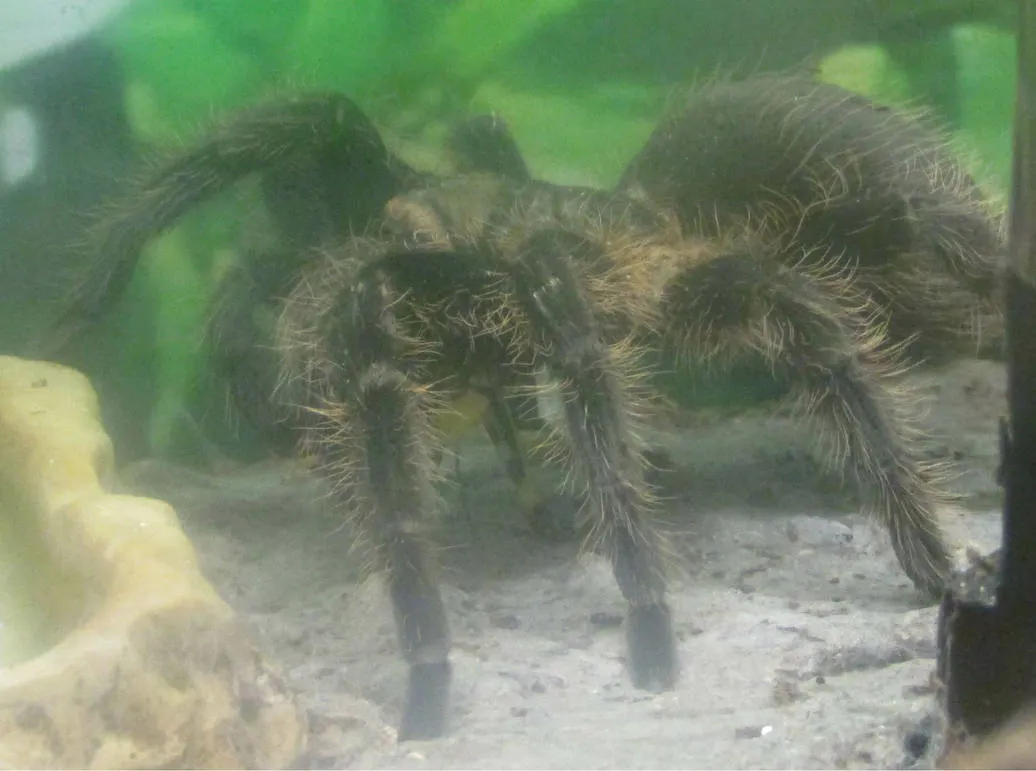
The Honduran Curly Hair Tarantula (Tliltocatl albopilosus), often simply called the Curly Hair Tarantula, is a popular pet spider known for its docile nature and striking appearance. Native to the rainforests of Honduras, Costa Rica, and Nicaragua, these arachnids have become increasingly popular among both novice and experienced tarantula keepers. Their relatively slow growth rate, manageable size, and gentle temperament make them an excellent choice for those new to the world of tarantula ownership. Their distinctive appearance, with the long, curly hairs that give them their name, adds to their charm, making them a fascinating subject for observation and a rewarding pet to keep. Proper care ensures a long and healthy life for these captivating creatures, providing endless hours of enjoyment for their keepers. The following guide will provide all the necessary details to help you understand and care for these unique animals.
Appearance and Characteristics
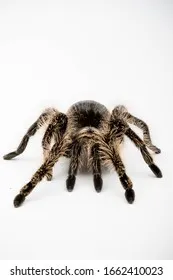
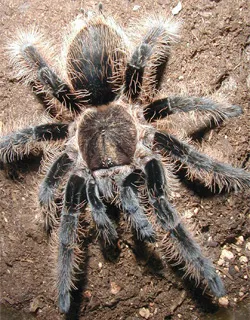
One of the most recognizable features of the Honduran Curly Hair Tarantula is its characteristic covering of dark, curly hairs. These hairs, which are not just for show, serve multiple purposes, including sensory perception and defense. Their coloration is typically a mix of dark brown and tan, with the long hairs creating a fuzzy, almost velvety appearance. Mature females can reach a leg span of up to 6 inches, while males are generally smaller. They have eight legs, two pedipalps (used for manipulating food and sensing their environment), and chelicerae (mouthparts with fangs). The overall look is quite appealing, which explains the popularity of these tarantulas. Observing the intricate details of their bodies, such as the patterns on their carapace and the movement of their legs, can be a captivating experience. These tarantulas offer a unique aesthetic that sets them apart from other pets.
Lifespan and Size

Understanding the lifespan and size of a Honduran Curly Hair Tarantula is crucial for responsible pet ownership. Females can live for an impressive 10 to 20 years, while males typically live for 5 to 10 years, with their lifespan often shortened by mating and the search for a mate. As mentioned previously, female tarantulas often reach a leg span of up to 6 inches, while males are usually slightly smaller. Knowing this allows keepers to provide an appropriate enclosure size throughout the tarantula’s life and to plan for the long-term commitment involved in caring for these arachnids. It is important to note that these are average lifespans and that individual tarantulas may vary in their longevity, depending on the care they receive and environmental conditions. With good care, your Curly Hair tarantula can be a long-term companion.
Creating the Perfect Honduran Curly Hair Tarantula Habitat
Creating a suitable habitat for your Honduran Curly Hair Tarantula is critical for its well-being. The ideal enclosure should provide a secure, comfortable, and stimulating environment that mimics the spider’s natural habitat. The enclosure should be escape-proof, well-ventilated, and of appropriate size to prevent stress. Providing the right conditions will allow your tarantula to thrive and exhibit its natural behaviors. This includes adequate space for movement, suitable substrate for burrowing and hiding, and a stable environment to regulate temperature and humidity. A thoughtfully designed habitat will significantly contribute to the overall health and happiness of your Curly Hair Tarantula.
Enclosure Size and Type
The enclosure size for a Honduran Curly Hair Tarantula depends on its size, but a general rule of thumb is to provide an enclosure that is at least three times the tarantula’s leg span in width. For juveniles, a small deli cup or a 5-gallon tank can be sufficient, but as they grow, a 10-gallon or even a 20-gallon tank will be necessary. The enclosure should be made of glass or clear plastic to allow for easy viewing and observation. Ensure the enclosure has a secure lid to prevent escape. The lid should also have appropriate ventilation holes to facilitate air circulation and maintain the right humidity levels. An enclosure that is too small can lead to stress and behavioral issues, while one that is too large might make the tarantula feel vulnerable.
Substrate and Decor
The substrate is a vital element of the tarantula’s habitat, providing a comfortable environment for burrowing and maintaining appropriate humidity levels. A mix of substrate like coconut fiber, peat moss, or a combination of both is ideal. The substrate should be at least 4-6 inches deep to allow the tarantula to burrow. Decorations such as cork bark, artificial plants, and hiding places can enhance the enclosure and provide security. Make sure any decorations are secure and do not have sharp edges that could harm the tarantula. The goal is to replicate the tarantula’s natural environment, making the enclosure a safe and stimulating home.
Temperature and Humidity
Maintaining the correct temperature and humidity levels is crucial for the health of your Honduran Curly Hair Tarantula. The ideal temperature range is between 75-85°F (24-29°C). A heat mat placed on the side of the enclosure can help maintain this temperature, but be careful to monitor and avoid overheating. Humidity should be kept between 65-75%. This can be achieved by misting the enclosure with water every few days or by providing a shallow water dish. Regular monitoring with a hygrometer will help ensure the environment is in the optimal range. Fluctuations in temperature and humidity can lead to health problems, so careful monitoring is essential.
Feeding Your Honduran Curly Hair Tarantula
Feeding your Honduran Curly Hair Tarantula is a straightforward process, but attention to detail is key to ensuring your pet remains healthy and well-nourished. These tarantulas are opportunistic feeders and will readily accept various food items. Providing a nutritious diet and maintaining a consistent feeding schedule will contribute to their overall health and well-being.
What to Feed Them

The primary diet of a Honduran Curly Hair Tarantula consists of insects. Crickets, mealworms, dubia roaches, and other commercially available insects are all suitable options. The size of the insects should correspond to the size of the tarantula. Avoid feeding insects that are too large, as they could pose a risk to the tarantula. Variety is important, so rotate the types of insects you offer to provide a more balanced diet. It is also possible to supplement their diet with pre-killed insects to eliminate the risks associated with live feedings. Make sure the insects are gut-loaded (fed a nutritious diet) before feeding them to your tarantula to enhance their nutritional value.
Feeding Frequency
The feeding frequency depends on the age and size of your tarantula. Spiderlings should be fed two to three times a week, while adults can be fed once or twice a week. Adjust the frequency based on the tarantula’s appetite and body condition. If the tarantula refuses food, it might be preparing to molt, and it’s best not to force it to eat. Always remove any uneaten food within 24 hours to prevent the growth of mold or mites. The frequency can also be affected by the temperature: tarantulas may eat less when it’s cooler and more when it’s warmer.
Watering Your Tarantula
Providing fresh water is crucial. A shallow water dish should be available at all times. The water dish should be shallow enough to prevent the tarantula from drowning. Regularly clean the water dish and refill it with fresh, clean water. In addition to the water dish, misting the enclosure can help maintain humidity levels, especially in drier environments. Misting should be done carefully to avoid over-saturating the substrate.
Handling and Safety Precautions

While Honduran Curly Hair Tarantulas are generally docile, it is important to handle them with care and respect. Avoid handling them unnecessarily, as this can cause stress. Always wash your hands before and after handling your tarantula to avoid transferring any substances. If you must handle your tarantula, do so close to the ground, in case it falls. If you do get bitten, seek medical attention immediately, though their venom is typically mild. Being knowledgeable and cautious about your tarantula’s behavior, and taking the proper precautions, is the best way to avoid any potential issues. Prioritizing your safety and the tarantula’s safety is crucial.
Understanding Tarantula Behavior
Observing the behavior of your Honduran Curly Hair Tarantula can provide valuable insights into its health and well-being. These tarantulas typically spend most of their time hiding or burrowing. They might come out to explore or eat, especially during the evening. Changes in behavior, such as lack of appetite, lethargy, or excessive hiding, can indicate a problem. Learning about their natural behaviors will help you recognize signs of stress, illness, or molting. Being familiar with their behavior will help you to better care for them.
Potential Health Issues and How to Prevent Them
While generally hardy, Honduran Curly Hair Tarantulas can be susceptible to certain health issues. Many of these can be prevented with proper care and attention. Regular monitoring of the enclosure’s conditions and your tarantula’s behavior is essential. Proper hygiene, correct feeding practices, and a stress-free environment are also critical to maintaining the health of your pet tarantula. Early detection and intervention are key to successfully treating health problems, so being proactive in your care can make a significant difference in your tarantula’s lifespan.
Common Diseases and Parasites
Common issues include fungal infections, mites, and parasites. Fungal infections can occur if the enclosure is too humid. Mites can infest the tarantula and its enclosure, causing irritation and health problems. Parasites can also be transmitted through food or the environment. Regularly cleaning the enclosure, maintaining correct humidity levels, and providing a balanced diet can help prevent these issues. If you suspect your tarantula has a health problem, consult a veterinarian specializing in exotic animals as soon as possible. Early treatment is essential to improve the outcome and minimize suffering.
Molting Process
Molting is a natural process where the tarantula sheds its exoskeleton to grow. During this time, the tarantula is vulnerable and should be left undisturbed. You will notice the tarantula stops eating and may spend more time on its back. The process can take a few hours to a couple of days, depending on the size of the tarantula. After molting, the tarantula’s new exoskeleton will be soft, and it should be left alone until it hardens. Providing a humid environment is important to help the molting process. Do not feed the tarantula for a few days after molting, allowing its fangs to harden. The molting process is an indication that your tarantula is healthy and growing.
Conclusion
Caring for a Honduran Curly Hair Tarantula can be a rewarding experience. With the right knowledge and care, you can ensure your pet lives a long, healthy, and fascinating life. Understanding their specific needs, from habitat requirements to feeding habits and potential health issues, is key to being a responsible tarantula keeper. Regularly observe your tarantula, and enjoy the unique experience of owning one of nature’s most captivating creatures. By following the guidelines in this comprehensive guide, you will be well on your way to providing the best possible care for your Honduran Curly Hair Tarantula and enjoying the unique pleasure of observing this amazing species.