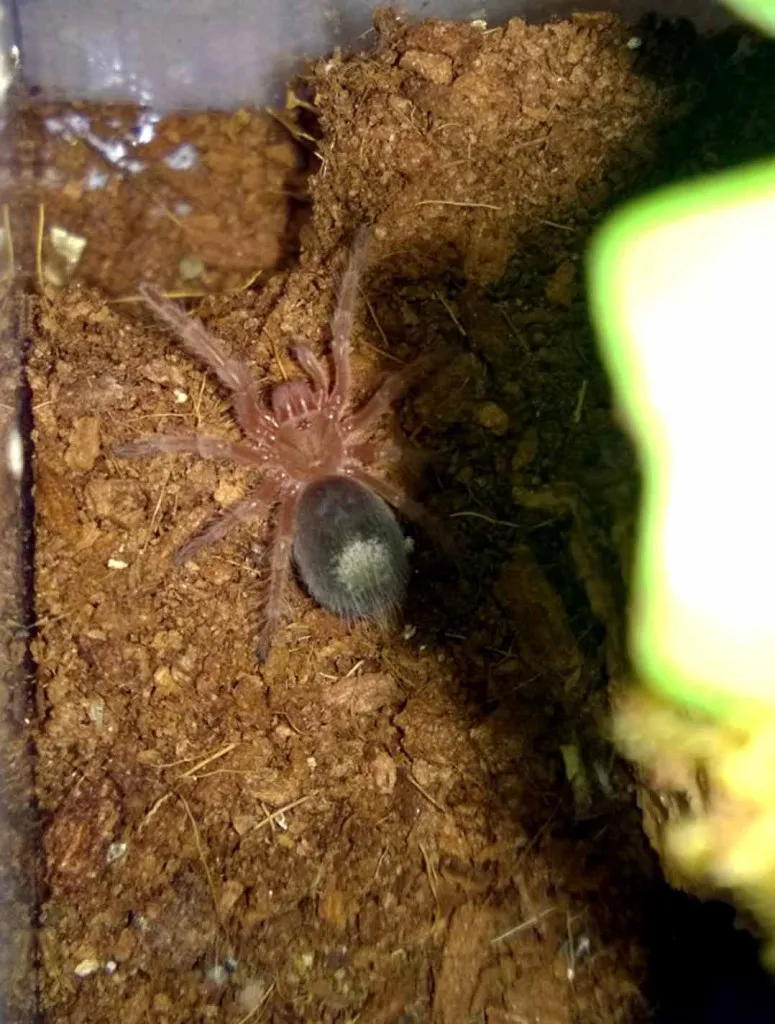
What is Premolt in Tarantulas?
Premolt is a crucial phase in a tarantula’s life cycle, signaling that it’s preparing to shed its exoskeleton. This process, also known as molting, is how tarantulas grow. They outgrow their hard outer shell, and during premolt, they create a new, larger exoskeleton underneath. This new shell is initially soft and pliable, allowing the tarantula to expand before it hardens. The premolt period can vary in duration and is marked by several noticeable changes in the tarantula’s appearance and behavior. Understanding premolt is key to properly caring for your tarantula and ensuring its healthy development. During this time, the spider is more vulnerable and requires specific care to help it successfully molt.
Signs Your Tarantula is in Premolt
Recognizing the signs of premolt is vital for any tarantula owner. This knowledge allows you to adjust your care routine to support your spider during this vulnerable time. Several visual and behavioral cues indicate that your tarantula is preparing to molt. By paying close attention, you can anticipate the molting process and provide the best possible environment for your pet. It’s essential to observe your tarantula regularly to catch these signs early and ensure its well-being.
Changes in Appearance

One of the most obvious signs of premolt is a change in the tarantula’s appearance. The abdomen often appears darker and may show a bald spot, particularly in species with urticating hairs that they flick off. You might also notice the tarantula’s abdomen becoming plumper as it prepares to split its old exoskeleton. The tarantula’s fangs may appear a different color, as the new fangs are developing under the old ones. Look closely at the tarantula’s body and note any variations from its usual appearance. These changes are typically a prelude to the actual molting process.
Changes in Behavior
In addition to physical changes, tarantulas in premolt exhibit behavioral changes. They often become less active, spending more time in their hide or burrow. The tarantula may also stop eating, refusing food that it previously enjoyed. Some tarantulas may even seal off their burrows or retreat into a secluded area to prepare for molting. These behavioral shifts are a natural response to the stress of the molting process and should be observed without disturbance.
Duration of Tarantula Premolt
The length of the premolt period can vary greatly depending on several factors, including the tarantula’s species, age, and the environmental conditions it is kept in. Generally, premolt can last from a few weeks to several months. Younger tarantulas tend to molt more frequently than adults, with the premolt phase often being shorter. As tarantulas mature, the molting frequency decreases, and the premolt period may lengthen. Understanding the factors affecting premolt duration will help you better prepare for your tarantula’s molting cycle.
Factors Affecting Premolt Duration

Several factors influence how long a tarantula spends in premolt. These factors are crucial for understanding why the molting process can vary significantly. Careful consideration of these elements will help you manage your tarantula’s care effectively during this critical time.
Species
Different tarantula species have different molting cycles. Some species are known to molt more frequently and have shorter premolt periods, while others take longer to prepare. Researching the specific needs of your tarantula species will give you a better understanding of its molting behavior and the typical duration of its premolt phase. Factors like growth rate and environmental adaptations contribute to these species-specific variations.
Age
Younger tarantulas molt more often as they grow rapidly. Their premolt cycles are generally shorter, as they are constantly increasing in size. As tarantulas mature, their molting frequency decreases significantly. Adult tarantulas may only molt once a year or even less, and their premolt periods tend to be much longer, reflecting their slower growth rate and the increased complexity of the molting process. Age is a primary determinant of both molting frequency and premolt duration.
Temperature and Humidity

The environmental conditions within the tarantula’s enclosure also play a role in the premolt duration. Maintaining the correct temperature and humidity levels is critical for the tarantula’s overall health and molting process. Optimal conditions can help shorten the premolt phase and facilitate a successful molt. Conversely, incorrect temperature or humidity can stress the tarantula, prolonging the premolt period or even making molting more difficult. Regularly monitoring and adjusting the enclosure’s environment is essential.
Caring for a Tarantula During Premolt
Providing the right care during premolt can significantly impact the tarantula’s health and the success of the molting process. Proper care reduces stress and helps the tarantula shed its old exoskeleton safely. Your care routine should be adjusted to accommodate the tarantula’s needs during this sensitive time. By following these guidelines, you can ensure that your tarantula has the best possible chance of a successful molt.
Provide Fresh Water
Ensure a constant supply of fresh, clean water in a shallow dish. Tarantulas need water to stay hydrated, especially during premolt. The tarantula may drink more water as it prepares to molt, so it’s important to refill the water dish regularly. Make sure the dish is shallow enough to prevent the tarantula from drowning and that it is easily accessible.
Avoid Handling

Refrain from handling your tarantula during premolt. They are more vulnerable and easily stressed during this time. Handling could interfere with the molting process or cause injury to the tarantula. Minimize disturbances and let your tarantula rest undisturbed in its enclosure. Observe from a distance and avoid any actions that might agitate the spider.
Maintain Proper Temperature and Humidity
Maintain the correct temperature and humidity levels for your tarantula species. Providing an appropriate environment is crucial for the tarantula’s well-being during premolt. Use a thermometer and hygrometer to monitor the conditions within the enclosure. If necessary, adjust the temperature and humidity to match the specific requirements of your tarantula. This helps to ensure a healthy and successful molt.
Top 5 Facts about Tarantula Premolt
Here are five key facts to keep in mind about tarantula premolt, summarizing essential information to help you understand and care for your pet.
Fact 1: Premolt Can Last Several Weeks

The duration of premolt varies, but it often lasts for several weeks, and sometimes even longer, depending on factors like species, age, and environmental conditions. Be patient and avoid disturbing the tarantula during this period. Recognizing the signs of premolt is crucial, but patience is key to allow the spider to go through the process undisturbed.
Fact 2: Not All Tarantulas Premolt at the Same Rate
Individual tarantulas of the same species may have different premolt timelines. Genetic variations and individual health can influence the duration. It’s important to observe your specific tarantula and understand its unique molting pattern, rather than relying solely on general information about its species.
Fact 3: Feeding Habits Change During Premolt
Tarantulas often lose their appetite during premolt and may refuse food. This is a normal part of the process. Don’t worry if your tarantula stops eating, and avoid offering food during this period. Resume regular feeding after the molt is complete and the tarantula has hardened.
Fact 4: Premolt Is Essential for Growth

Molting is the only way tarantulas grow. Each molt allows the tarantula to shed its old exoskeleton and develop a new, larger one. This process is essential for the tarantula’s life cycle and for its overall health and development. Premolt is a vital step toward the next stage of growth.
Fact 5: Premolt Frequency Decreases with Age
Younger tarantulas molt more frequently as they grow rapidly. As they mature, the molting frequency decreases. Adult tarantulas may only molt once a year or even less. This shift in molting frequency reflects the slower growth rate of adult tarantulas. Understanding this pattern helps you anticipate and prepare for molting cycles.