Choosing Your Tarantula
Bringing a tarantula into your home can be an incredibly rewarding experience. These fascinating creatures offer a unique perspective on the animal kingdom, and with proper care, they can thrive in a captive environment. Before you welcome a tarantula, thorough research and preparation are essential. This guide will provide you with the essential tips on how to care for a tarantula. From choosing the right species to understanding their specific needs, we’ll cover everything you need to know to ensure your new pet lives a long, healthy, and comfortable life. Learning about their natural habitat, behavior, and dietary requirements is key to creating an environment where they can thrive. This introductory section will set the stage for a deeper dive into the specific care requirements of your new eight-legged friend.
Consider Species
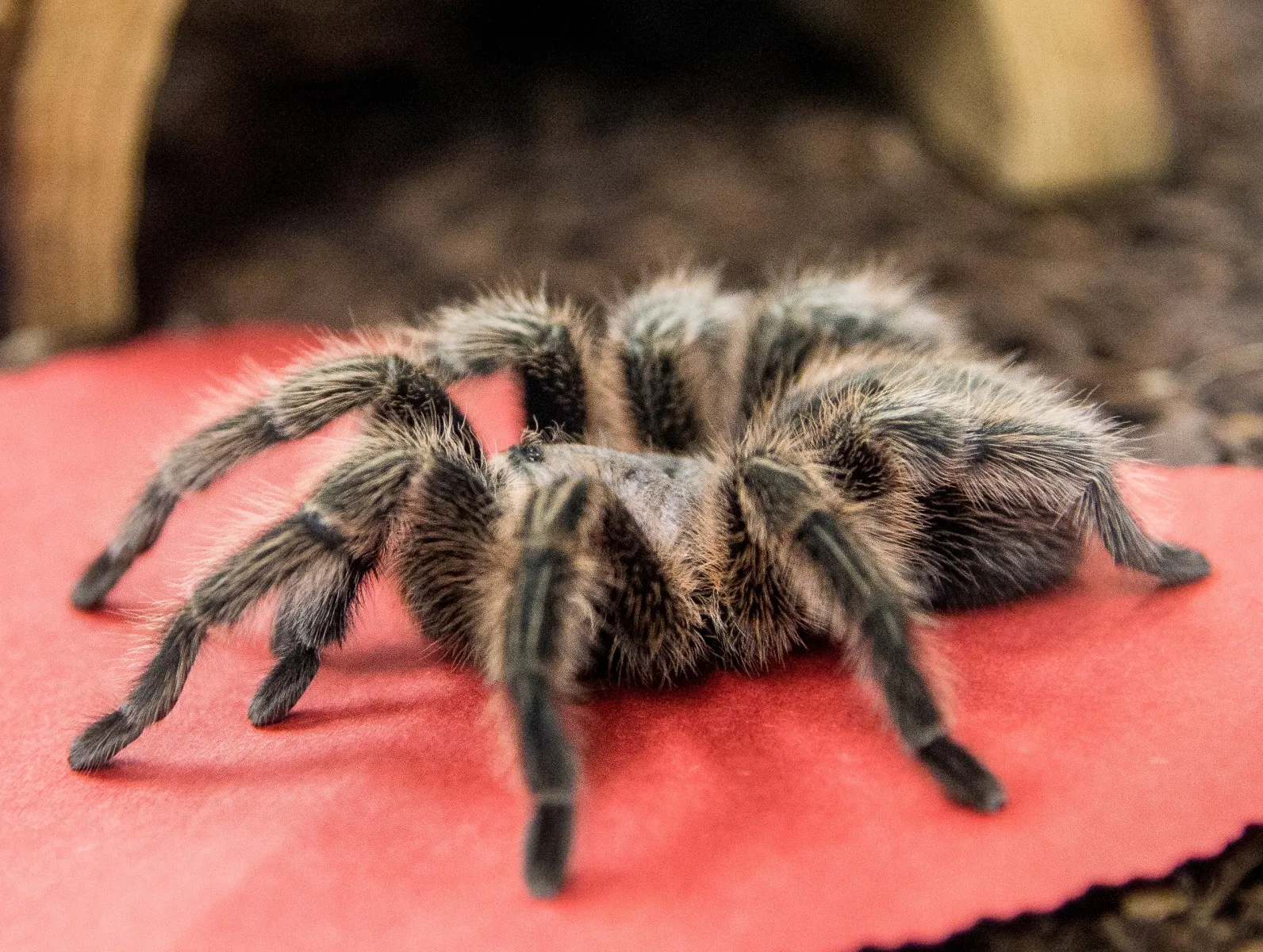
Choosing the right tarantula species is the first crucial step in providing proper care. Different species have varying needs, including size, temperament, and environmental preferences. Some tarantulas are more docile and easier to handle, making them better choices for beginners, while others are more defensive and may require more experienced keepers. Consider factors like your experience level, the space you have available for the enclosure, and your tolerance for specific behaviors. For example, the Chilean rose hair tarantula is often recommended for beginners due to its relatively docile nature and ease of care. Researching the specific needs of each species, including their preferred temperature, humidity, and feeding habits, will help you create an optimal environment for your pet.
Research Temperament

Temperament is a critical factor in determining the suitability of a tarantula for your home. Some species are known for their calm demeanor, while others can be quite defensive and prone to biting or flicking urticating hairs. Research the species’ typical behavior, including their likelihood of being handled, their response to perceived threats, and their general activity level. This information will help you anticipate their needs and create a safe and comfortable environment. Observing videos of the species, reading care guides, and consulting with experienced tarantula keepers can provide valuable insights into their temperament. Always prioritize your safety and the well-being of the tarantula. Avoid species known for aggressive behavior if you are a beginner, or if you have children or other pets in the household.
Selecting a Healthy Tarantula
Choosing a healthy tarantula is essential for its long-term well-being. When selecting your tarantula, look for signs of good health and vitality. A healthy tarantula will be active and alert, with a full abdomen. Avoid tarantulas that appear lethargic, have a shrunken abdomen, or show any signs of illness or injury. Ensure the tarantula has all its legs and fangs intact. Purchasing from a reputable breeder or pet store is recommended, as they are more likely to provide healthy specimens and accurate information about the species. Additionally, asking the breeder or store owner about the tarantula’s feeding habits, molting history, and overall health can provide valuable insights into its condition.
Observe for Activity
A healthy tarantula should be active and responsive to its environment. Observe the tarantula’s movement and behavior. It should be alert, moving around its enclosure, and showing curiosity about its surroundings. Avoid tarantulas that are sluggish or unresponsive, as this could be a sign of illness or stress. Look for signs of engagement, such as exploring the enclosure or reacting to stimuli, like the presence of food. An active tarantula is usually an indication of good health and a well-adjusted pet. Observing the tarantula’s activity levels can also help you understand its natural behavior and identify any potential health problems early on. If the tarantula seems unusually inactive, it’s essential to investigate the cause, as it could indicate a problem with its environment or health.
Check for Physical Health

Examine the tarantula’s physical condition carefully. Look for any signs of injury, such as missing legs or damaged fangs. The tarantula’s abdomen should be full and rounded, not shrunken or wrinkled. Check for any visible parasites or mites. The tarantula’s exoskeleton should be intact and free from any abnormalities. Examine the legs and pedipalps for any signs of damage or weakness. Observe the tarantula’s feeding behavior, and make sure it is eating appropriately. Any signs of illness or injury should be addressed promptly. Purchasing a tarantula with clear signs of good health reduces the risk of future health issues and ensures a better start for your new pet. If you notice any concerns, consult with an experienced tarantula keeper or veterinarian.
Setting Up the Enclosure
Creating the right environment is crucial for a tarantula’s health and well-being. The enclosure should mimic the tarantula’s natural habitat, providing appropriate shelter, humidity, and temperature. The size of the enclosure, the type of substrate, and the presence of hiding places are all critical factors. Proper setup will help reduce stress, and prevent health problems. Investing time in creating the right enclosure from the start makes a significant difference in the long-term health and happiness of your tarantula. Understanding the specific environmental needs of your tarantula species is paramount. The right enclosure setup provides a secure and comfortable space for your pet to thrive, promoting its overall well-being.
Appropriate Tank Size
The size of the enclosure should be appropriate for the tarantula’s size and species. A tank that is too small can restrict movement and cause stress, while a tank that is too large can make it difficult for the tarantula to find its food. As a general rule, the width of the enclosure should be at least twice the tarantula’s leg span. Consider the tarantula’s burrowing behavior. Some species prefer terrestrial setups, while others prefer arboreal setups. Ensure the enclosure provides adequate space for the tarantula to move around and explore. Overcrowding can lead to stress and aggression. Properly sized housing ensures the tarantula can thrive, exhibit natural behaviors, and easily access resources like food and water.
Substrate Selection

The substrate, or bedding, is an important component of the tarantula’s enclosure. It provides a comfortable surface for the tarantula to walk on, helps to maintain humidity, and provides a medium for burrowing species. The substrate should be non-toxic, able to retain moisture, and free from harmful chemicals. Common substrate options include coconut fiber, peat moss, and vermiculite. The depth of the substrate will depend on the tarantula species and its burrowing behavior. Terrestrial species will need a deeper substrate than arboreal species. Regularly cleaning the substrate is essential to maintain a healthy environment and to prevent the buildup of waste and bacteria. The substrate should be replaced as needed. The right substrate supports humidity levels and provides a naturalistic environment.
Maintaining Humidity and Temperature
Maintaining the correct humidity and temperature levels is essential for the tarantula’s health. Most tarantulas thrive in a specific humidity range, which can be achieved by misting the enclosure with water and by using a water dish. The appropriate temperature range varies depending on the species, but generally, tarantulas prefer temperatures between 70 and 80 degrees Fahrenheit (21-27 degrees Celsius). Use a thermometer and hygrometer to monitor the temperature and humidity levels in the enclosure. Adjust the humidity and temperature as needed to meet the specific requirements of your tarantula species. Proper temperature and humidity are crucial for successful molting. Misting the enclosure regularly and using a heat source like a heat lamp can help maintain the optimal environment for your tarantula.
Feeding Your Tarantula
Providing the right nutrition is crucial for your tarantula’s health and growth. Tarantulas are carnivores, and their diet primarily consists of insects. Providing a balanced diet ensures the tarantula gets the nutrients it needs to thrive. Feeding the tarantula the right food items, at the appropriate frequency, will promote its overall health and well-being. Careful attention to their feeding habits will enable you to identify any potential problems early on. Overfeeding can lead to health issues, so it’s important to find the right balance. Understanding their dietary needs and preferences will help you provide a healthy and fulfilling life for your tarantula.
Appropriate Food Items

The most common food items for tarantulas include crickets, mealworms, and roaches. It is important to provide a variety of insects to ensure a balanced diet. The size of the prey should be appropriate for the tarantula’s size. The prey should be no larger than the tarantula’s body. Before feeding, gut-load the insects with nutritious food to ensure your tarantula receives essential vitamins and minerals. You can do this by feeding the insects a diet rich in vegetables, fruits, and commercial insect food. Avoid feeding your tarantula insects that have been exposed to pesticides, as these can be harmful. Always ensure that the prey items are clean and free from parasites. Provide fresh, healthy food items to ensure the tarantula’s growth and vitality.
Feeding Frequency
The feeding frequency depends on the tarantula’s age and species. Younger tarantulas need to be fed more frequently than adults, as they are growing rapidly. Adult tarantulas can typically be fed once or twice a week. Adjust the feeding frequency based on the tarantula’s appetite and body condition. Avoid overfeeding, as this can lead to obesity and other health problems. Remove any uneaten prey within 24 hours to prevent the buildup of waste. The feeding habits of the tarantula are important indicators of its health. During molting, tarantulas typically refuse to eat. Adjust the feeding schedule to account for the tarantula’s molting cycle, and do not offer food during this period. Ensure the tarantula has access to fresh water at all times.
Watering Your Tarantula
Providing fresh water is essential for the tarantula’s health and hydration. Tarantulas require a constant supply of water, and it’s important to offer it in the right way. Proper hydration contributes to healthy molting and overall well-being. Understanding the methods for providing water, and maintaining its quality is crucial for your tarantula’s survival. Providing fresh, clean water ensures your tarantula stays hydrated and healthy. A well-hydrated tarantula is more likely to thrive in its environment. This will aid in the prevention of dehydration and other health issues.
Water Dish or Spraying

There are two main methods for providing water to your tarantula, depending on the species and the enclosure setup. A shallow water dish is the most common method, as it provides a constant source of water. Make sure the dish is shallow enough to prevent the tarantula from drowning. For some species, especially those that live in drier environments, spraying the enclosure with water is an additional method. Spraying helps to maintain humidity, and the tarantula can drink the water droplets. Ensure the water spray does not directly hit the tarantula. Choose the method that best suits your tarantula’s needs and your enclosure setup. Always ensure water is available, whether through a dish or misting.
Water Quality
Use clean, dechlorinated water for your tarantula. Tap water often contains chlorine and other chemicals that can be harmful to tarantulas. Use bottled water or dechlorinate tap water before offering it to your pet. Change the water in the water dish regularly to prevent the buildup of bacteria and algae. Clean the water dish with warm water and soap, and rinse thoroughly before refilling. Regularly monitor the water quality to ensure it is clean and safe for your tarantula. Poor water quality can lead to health problems. Providing clean water promotes the overall health and vitality of your tarantula. Replace the water immediately if you notice any discoloration or debris.
Handling Your Tarantula
Handling a tarantula can be a thrilling experience, but it is not always necessary. Some species are more tolerant of handling than others, but it’s essential to approach handling with caution and respect. Understanding the risks and practicing proper techniques is crucial for both the tarantula’s and your safety. Handling should be approached with a calm demeanor and a careful understanding of the tarantula’s temperament. Always prioritize the tarantula’s well-being. Handling should be done only when necessary and with proper precautions. Avoid unnecessary handling, and always respect the animal’s space.
When to Avoid Handling

There are several situations in which handling your tarantula is not recommended. During molting, tarantulas are particularly vulnerable. Avoid handling them during this process. After molting, the exoskeleton is soft and sensitive, so it is best to avoid handling the tarantula until the exoskeleton has hardened. Also, do not handle the tarantula if it is showing signs of stress, such as defensive postures or erratic behavior. Never handle a tarantula if you are unsure of its temperament. Always prioritize the safety of both you and the tarantula. If you are unsure, it is best to avoid handling and observe your tarantula from a safe distance. Avoid handling when the tarantula is feeding or appears to be guarding its food.
Proper Handling Techniques
If you choose to handle your tarantula, do so with care and caution. Approach the tarantula slowly and calmly. Gently encourage the tarantula to walk onto your hand. Avoid sudden movements or loud noises. Handle the tarantula close to the ground or over a soft surface in case it falls. Always supervise children and other pets when they are near the tarantula. Wash your hands thoroughly before and after handling the tarantula. If the tarantula displays any signs of stress or defensiveness, immediately return it to its enclosure. Remember, not all tarantulas enjoy being handled. Be respectful of the animal’s preferences and prioritize its well-being. Handling is not a necessary part of tarantula care. Always prioritize the safety of both you and the tarantula.
Caring for a tarantula can be a rewarding experience. By following these tips, you can provide your pet with a healthy and fulfilling life. Remember that thorough research, a well-prepared environment, and attentive care are the cornerstones of successful tarantula keeping. Enjoy the unique experience of owning these fascinating creatures and watching them thrive!