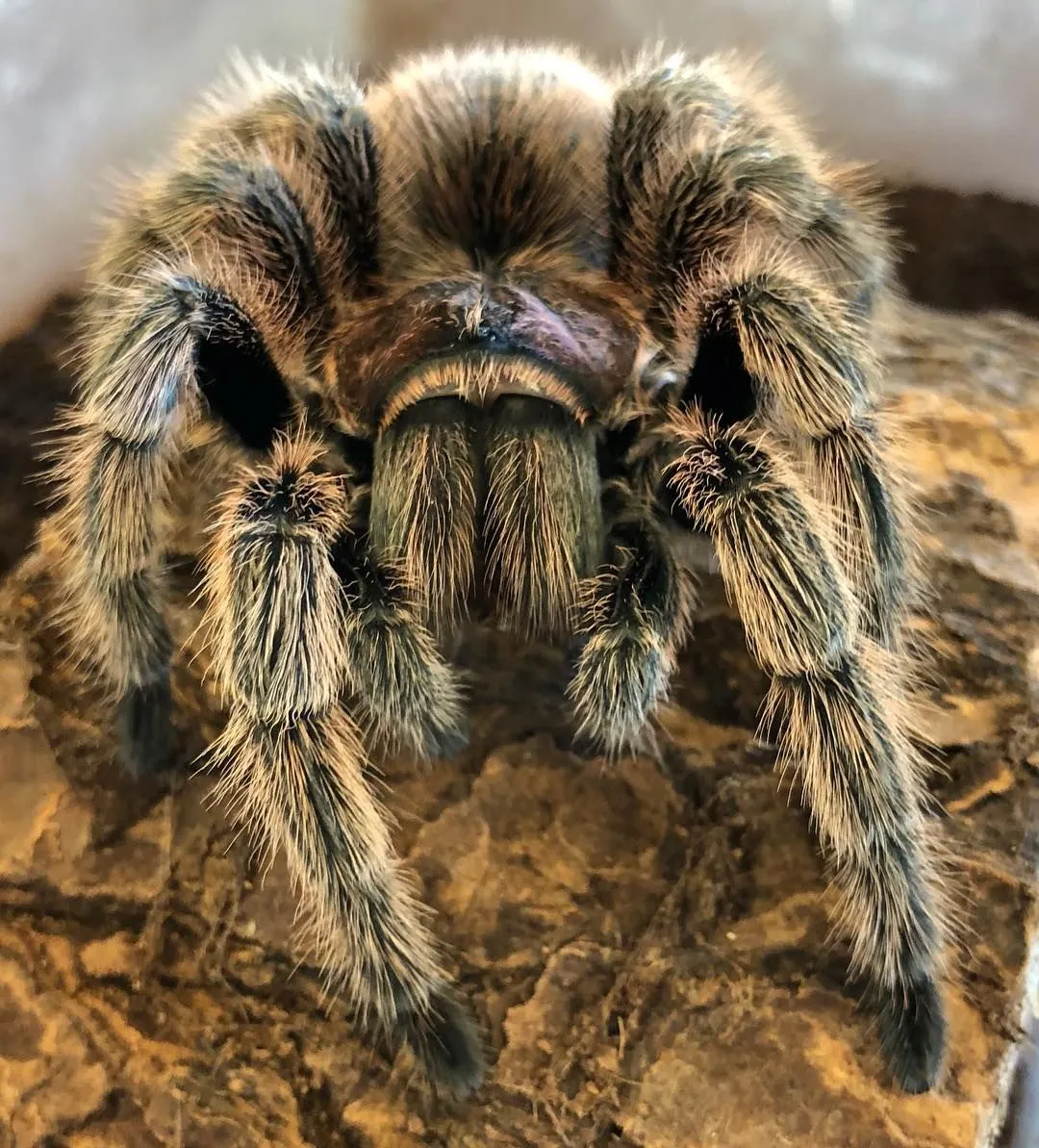
The Rose Hair Tarantula (Grammostola rosea), also known as the Chilean Rose or Chilean Rose Hair tarantula, is a popular pet due to its docile nature, relatively low maintenance, and beautiful appearance. These tarantulas are known for their calm temperaments and are often recommended as a good starter species for those new to the hobby of keeping arachnids. This ultimate guide will provide you with comprehensive information on how to care for your Rose Hair Tarantula, ensuring it lives a long, healthy, and fulfilling life. From choosing your tarantula to setting up its habitat, feeding, and handling, we’ll cover everything you need to know.
Choosing Your Rose Hair Tarantula
Selecting a healthy Rose Hair Tarantula is the first step toward successful pet ownership. It’s essential to choose a spider that is active, alert, and free from any visible signs of illness or injury. A healthy tarantula will exhibit good body posture, robust leg movement, and an overall energetic demeanor. Purchasing from a reputable breeder or pet store specializing in exotic pets is highly recommended, as they typically have experience in identifying and caring for tarantulas. Always inspect the tarantula before committing to the purchase to ensure you are getting a specimen that will thrive in your care.
Selecting a Healthy Tarantula
When choosing your Rose Hair Tarantula, several factors indicate a healthy specimen. Look for a tarantula with a plump abdomen; a shriveled abdomen suggests dehydration or poor health. The tarantula should be responsive to stimuli, showing a willingness to move and react to its environment. Clear eyes are another indicator of health. The tarantula’s fangs should be intact, and it should have all its legs. Avoid tarantulas that appear lethargic, have a dull appearance, or show any signs of mites or other parasites.
Identifying a Healthy Tarantula

To identify a healthy Rose Hair Tarantula, pay close attention to its overall appearance and behavior. Healthy tarantulas typically have a shiny carapace (the top part of their body) and a well-rounded abdomen. Observe its movement; a healthy tarantula will move with purpose and coordination. Check for any missing legs or other physical deformities. Also, look closely for any signs of parasites like mites, which appear as tiny moving dots. A healthy tarantula is alert, active, and displays an overall vibrant appearance.
Where to Buy Your Tarantula
The source of your Rose Hair Tarantula is crucial. Reputable breeders and specialized pet stores are preferable to general pet stores, as they usually have better-quality specimens and are knowledgeable about tarantula care. Online sources, such as specialized arachnid websites, can also be reliable but require careful evaluation of the seller’s reputation and policies. Always inquire about the tarantula’s age, origin, and any health guarantees. This due diligence ensures you get a healthy tarantula and supports ethical breeding practices.
Setting Up the Perfect Habitat
Creating the right environment is key to your Rose Hair Tarantula’s well-being. The enclosure should mimic its natural habitat, providing security, comfort, and the necessary conditions for survival. This includes selecting the appropriate enclosure size, substrate, temperature, humidity, and the addition of hides and decorations to create a comfortable and stimulating environment. A well-designed habitat will not only keep your tarantula healthy but also allow you to observe its natural behaviors.
Choosing the Right Enclosure

The enclosure size depends on the tarantula’s size. A juvenile Rose Hair Tarantula can thrive in a smaller enclosure, like a 5-gallon tank. As it grows, you’ll need to upgrade to a larger enclosure, such as a 10-gallon tank or larger. The enclosure should be escape-proof, with a secure lid. The width of the enclosure should be about two to three times the tarantula’s leg span, and the height should be sufficient for substrate and decoration. Ventilation is important to prevent the buildup of humidity and mold.
Substrate Selection and Depth
The substrate is the bedding material in the enclosure. For a Rose Hair Tarantula, a substrate that retains moisture is ideal. Options include a mixture of peat moss, coconut fiber (eco-earth), and a small amount of vermiculite. The substrate should be at least 2-4 inches deep to allow the tarantula to burrow if it chooses. This also helps to maintain humidity and provide a more natural environment. Ensure the substrate is free of pesticides and other harmful chemicals.
Temperature and Humidity Requirements
Rose Hair Tarantulas thrive in temperatures between 70-80°F (21-27°C). Heating pads placed on the side of the enclosure can help maintain this temperature. Humidity should be maintained at around 60-70%. Use a hygrometer to monitor the humidity levels. To increase humidity, lightly mist the enclosure once or twice a week, but avoid soaking the substrate. Good ventilation is critical to prevent mold and mildew from forming in the enclosure.
Providing Hides and Decorations
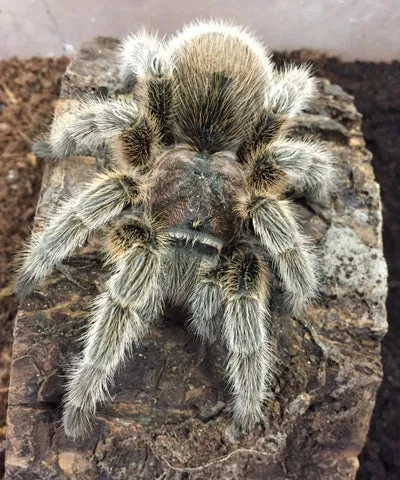
Tarantulas are solitary creatures that appreciate having a safe hiding place. Provide a hide such as a cork bark, half of a flower pot, or a commercially available tarantula hide. Decorations like artificial plants or rocks can also be added but ensure they are stable and won’t fall and injure the tarantula. Avoid using sharp or abrasive decorations. These additions provide security and enrichment for your tarantula, allowing it to feel more comfortable in its enclosure.
Feeding Your Rose Hair Tarantula
Feeding your Rose Hair Tarantula is a straightforward process, but understanding its dietary needs is essential. They are opportunistic feeders, meaning they will eat whatever is available. Providing the right food, at the appropriate frequency, will ensure your tarantula remains healthy and well-nourished. It’s a simple process, but it plays a significant role in the overall health and well-being of your pet.
Appropriate Food Choices
The diet of a Rose Hair Tarantula primarily consists of insects. Crickets, mealworms, and roaches are excellent food choices. Ensure the insects are gut-loaded (fed nutritious food) before feeding them to your tarantula, as this will pass essential nutrients to your pet. Avoid feeding wild-caught insects, which may carry parasites or pesticides. The size of the insect should be appropriate for the tarantula’s size; a general rule is the insect should be no larger than the tarantula’s body.
Feeding Frequency and Portion Sizes

The feeding frequency depends on the tarantula’s age and size. A juvenile tarantula may be fed 2-3 times a week, while an adult can be fed once a week or every other week. Observe your tarantula’s abdomen; a plump abdomen indicates it is well-fed, while a thin abdomen suggests it needs more food. Remove any uneaten food within 24 hours to prevent the buildup of mold or mites. Adjust the feeding schedule as needed to maintain a healthy weight.
Watering and Hydration
Providing fresh water is critical for your Rose Hair Tarantula’s survival. Dehydration can be fatal, so ensuring your tarantula has access to clean water at all times is crucial. Both the method of providing water and the frequency of watering are essential components of their care. Correct hydration will keep your pet healthy and active.
Providing Fresh Water
Always provide a shallow water dish with fresh, clean water. Use a dish that is not too deep to prevent the tarantula from drowning. Check the water dish daily and refill it as needed. Avoid using tap water directly, as it may contain chlorine or other chemicals. Use bottled water or dechlorinated water. Ensure the water dish is accessible but does not take up too much space in the enclosure.
Misting for Humidity
Besides providing water, you may need to mist the enclosure to maintain appropriate humidity levels, especially in drier climates. Use a spray bottle filled with dechlorinated water to mist the enclosure lightly once or twice a week. Focus on the substrate, not the tarantula directly. Avoid over-misting, as this can lead to excessive humidity and mold growth. Monitor the humidity levels with a hygrometer and adjust misting frequency accordingly.
Handling and Interaction
Rose Hair Tarantulas are generally docile, but handling should be done with caution. While some owners enjoy interacting with their tarantulas, it’s important to understand the risks involved. Proper handling techniques and awareness of your tarantula’s behavior can ensure both your safety and the spider’s well-being. For some keepers, observing the tarantula in its habitat is the preferred way to enjoy their pet.
Safe Handling Practices
If you choose to handle your Rose Hair Tarantula, do so with extreme care. Handle the tarantula over a soft surface, such as a bed or carpet, to minimize the risk of injury if it falls. Never grab or squeeze the tarantula. Gently coax it onto your hand, allowing it to walk onto your palm. Avoid sudden movements and try to stay calm. Handling should be kept to a minimum, as it can stress the tarantula.
Understanding Tarantula Behavior

Understanding your tarantula’s behavior is essential to safe handling. If a Rose Hair Tarantula feels threatened, it may flick its urticating hairs (small hairs on its abdomen) to deter predators. It may also adopt a defensive posture. If your tarantula shows these behaviors, it’s best to leave it alone. Always respect the tarantula’s boundaries and avoid handling it if it appears stressed or agitated. Observe your tarantula to understand its unique personality and preferences.
Common Health Issues and Prevention
Like any pet, Rose Hair Tarantulas are susceptible to certain health issues. Understanding common ailments and knowing how to prevent them is crucial for ensuring a long and healthy life for your tarantula. Regular monitoring of your tarantula and its enclosure can help detect problems early, allowing for timely intervention. Proper care and preventative measures will minimize health risks.
Recognizing Signs of Illness
Recognizing signs of illness is essential for quick intervention. Look out for loss of appetite, lethargy, and changes in behavior. Other signs include a shriveled abdomen (indicating dehydration), mites or parasites, or difficulty molting. If you notice any of these signs, consult a veterinarian or experienced tarantula keeper. Early detection can often lead to successful treatment and recovery.
Preventing Parasites and Diseases
Preventing parasites and diseases involves several key practices. Keep the enclosure clean and well-ventilated to prevent mold and bacterial growth. Regularly remove uneaten food. Provide a balanced diet with gut-loaded insects. Quarantine new tarantulas to prevent the spread of diseases. Regularly inspect your tarantula and its enclosure for mites and other parasites. Maintain appropriate temperature and humidity levels. These measures significantly reduce the risk of common health issues.
Molting and What to Expect
Molting is a natural process where tarantulas shed their exoskeletons to grow. This process is essential for growth and development. Understanding the molting process and what to expect is crucial for providing the proper care during this vulnerable time. Molting frequency varies depending on age and growth rate. This is a significant phase in your tarantula’s life.
Preparing for Molting
Before molting, your Rose Hair Tarantula may stop eating, become less active, and may build a web mat or retreat to its hide. Do not disturb the tarantula during this time. Increase the humidity slightly to aid in the molting process. Ensure that the enclosure is free of any potential hazards, such as loose decorations. Provide a safe and undisturbed environment. Patience is essential during molting, as it can take several hours or days.
Post-Molting Care
After molting, the tarantula’s exoskeleton is soft and vulnerable. Do not feed your tarantula for a few days to allow its fangs to harden. Provide fresh water. Avoid handling the tarantula during this period. The colors of the tarantula will often be brighter after molting. Once the fangs have hardened, you can resume feeding. The exoskeleton will gradually harden over the following days.
Conclusion
Caring for a Rose Hair Tarantula is a rewarding experience. By following this ultimate guide, you can provide your tarantula with a comfortable, healthy, and enriching environment. Remember to choose a healthy tarantula, set up a proper habitat, feed it appropriately, provide fresh water, handle it safely, and be aware of potential health issues. With proper care, your Rose Hair Tarantula can thrive for many years, offering you a fascinating and unique pet. Enjoy the journey of owning this incredible arachnid!