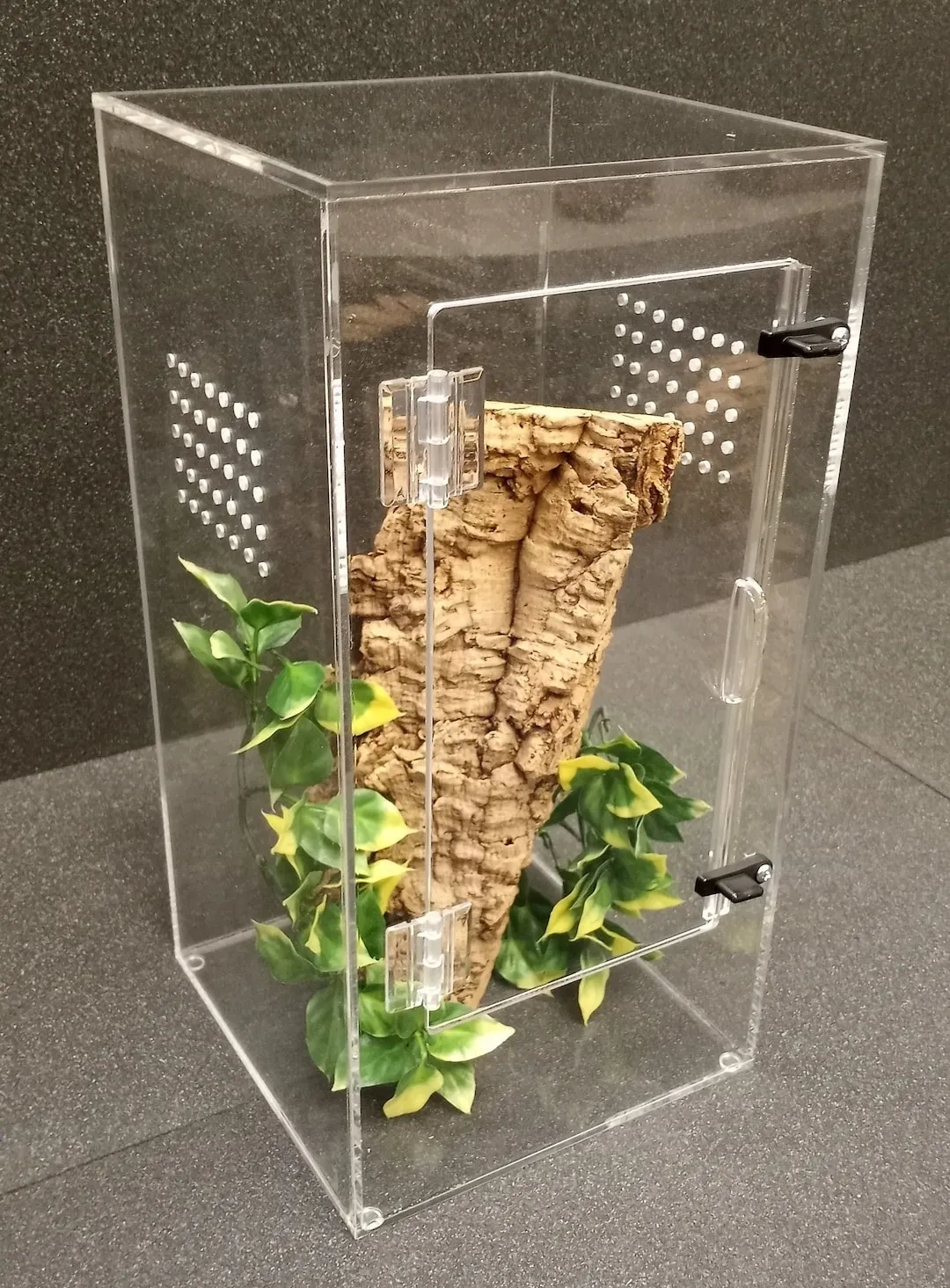
Understanding Tarantula Cage Cleaning Needs
Maintaining a clean tarantula cage is fundamental to the well-being and longevity of your fascinating pet. Unlike many other pets, tarantulas have very specific needs when it comes to their environment, and a clean habitat directly impacts their health, behavior, and overall quality of life. Regular cleaning not only helps to keep your tarantula healthy but also contributes to creating a visually appealing and less odorous environment for you. This guide will walk you through every step, ensuring that you provide the best possible care for your eight-legged friend.
Why Cleaning is Crucial for Tarantula Health
A dirty tarantula cage can quickly become a breeding ground for bacteria, fungi, and other harmful organisms that can negatively affect your tarantula’s health. The primary reason for cleaning is to remove waste products, uneaten food, and shed exoskeletons (molts), all of which decompose and create ammonia and other toxic substances. Exposure to these substances can lead to respiratory issues, skin infections, and even more serious health problems for your tarantula. Regular cleaning prevents these problems and ensures the tarantula’s environment remains safe and healthy, mimicking the natural conditions in which they thrive. Also, a clean environment makes it easier to observe your tarantula and notice any changes in its behavior or health.
Frequency of Cleaning Based on Species

The cleaning frequency of your tarantula’s cage varies depending on the species, its size, and your feeding schedule. Generally, spot cleaning should be performed at least once or twice a week. Spot cleaning involves removing visible waste such as uneaten food, molts, and any fecal matter. Full cage cleanings, which involve changing the substrate and thoroughly cleaning the entire enclosure, are typically performed every 2-6 months. For smaller tarantulas or those with slower metabolisms, less frequent cleaning is acceptable. However, faster-growing or species that eat more frequently may require more frequent cleaning to maintain optimal hygiene. Observing your tarantula and its enclosure will help you determine the ideal cleaning schedule. Remember to always prioritize the tarantula’s safety and comfort throughout the process.
Gathering Your Tarantula Cage Cleaning Supplies
Before you begin cleaning your tarantula’s cage, gather all the necessary supplies. Having everything ready will make the process quicker, smoother, and less stressful for both you and your pet. The supplies you’ll need are readily available at most pet stores or online. Remember to prioritize safety by ensuring you have gloves and eye protection to prevent any contact with potential allergens or irritants from the substrate or the tarantula itself. Also, ensure that you’re working in a well-ventilated area to avoid inhaling any dust or fumes.
Essential Tools for Tarantula Cage Cleaning
Essential tools for cleaning a tarantula cage include a pair of long-handled tongs or tweezers for removing waste and handling the tarantula safely, a small scoop or trowel for removing the substrate, and a spray bottle for misting the enclosure. You’ll also need a soft-bristled brush or sponge for cleaning the cage and decorations, and paper towels or cloths for wiping down surfaces. Consider having a separate container or enclosure to temporarily house your tarantula during cleaning. Make sure this temporary enclosure is escape-proof and offers a comfortable environment for your tarantula. Other optional supplies include a shop vacuum for removing substrate if you have a large enclosure, and disposable gloves to keep your hands clean.
Safe Cleaning Solutions for Tarantula Habitats

When it comes to cleaning solutions, it’s vital to prioritize your tarantula’s safety by avoiding harsh chemicals. Plain water is often sufficient for cleaning, especially if you are diligent about spot cleaning. If you need to disinfect the cage or decorations, opt for a diluted solution of mild dish soap (ensure it is unscented and free of additives), or a reptile-safe disinfectant. Avoid using bleach, ammonia, or any other strong cleaners, as these can be toxic to tarantulas. After using any cleaning solution, thoroughly rinse the cage and decorations with clean water to remove any residue. Always allow the enclosure to dry completely before reintroducing your tarantula. Remember, less is more – the goal is to provide a clean, safe environment, not to sterilize it.
Step-by-Step Guide to Cleaning Your Tarantula Cage
Cleaning a tarantula cage should be a straightforward and safe process if you take the right precautions. Start by gathering all your supplies and preparing a temporary enclosure. The goal is to minimize stress on the tarantula and prevent any accidental escapes. The following steps provide a detailed guide to effectively and safely clean the cage, ensuring your pet thrives in a healthy environment. Remember to work calmly and methodically, always keeping the safety and well-being of your tarantula as your top priority. Patience and a gentle approach are key to a successful cleaning session.
Removing the Tarantula Safely
Carefully remove your tarantula from its enclosure and place it in a secure, escape-proof temporary enclosure. This is often a plastic container with ventilation holes and a secure lid. If you are comfortable, gently coax the tarantula into a container using a soft brush or by allowing it to walk onto your hand. For more skittish tarantulas, you might use a long-handled tool to gently guide it. Never try to grab or force the tarantula, as this can stress the animal and increase the risk of bites. Once in the temporary enclosure, ensure it has some substrate or a small hide for comfort. Keep a close eye on your tarantula throughout the entire cleaning process.
Cleaning the Substrate

Once the tarantula is safely in its temporary enclosure, remove the old substrate. Use a scoop or trowel to remove the top layer of substrate and discard it. Then, inspect the remaining substrate for any waste, mold, or uneaten food. Depending on the type of substrate, you might choose to sift it to remove any solid waste or simply replace the entire substrate. For a full cage cleaning, completely replace the old substrate with fresh, clean material. Ensure the new substrate is appropriate for your tarantula’s species and provides the right level of humidity. Dispose of the old substrate properly, ideally in a sealed bag to minimize odors and the potential for spreading any unwanted organisms.
Cleaning the Cage and Decorations
Next, thoroughly clean the cage itself, as well as any decorations such as hides, water dishes, and plants. Use a soft-bristled brush or sponge and a mild cleaning solution, like diluted dish soap, to scrub the cage. Rinse all surfaces thoroughly with clean water to remove any soap residue. Clean decorations separately, ensuring they are completely rinsed and dried. If you have artificial plants, wash them in the same manner. For natural decorations like cork bark, you may need to gently scrub them to remove any visible waste. Allow the cage and decorations to air dry completely before reassembling the habitat. Ensure there is no residual moisture, as this can promote mold growth. Cleaning the cage and decorations prevents the buildup of harmful bacteria and creates a healthier environment.
Reintroducing Your Tarantula to Its Clean Home
Once the cage and decorations are completely dry, return the substrate to the enclosure, ensuring that you recreate the environment that your tarantula is used to. If you’ve used any decorations, reintroduce them, arranging them as they were previously to minimize stress for the tarantula. Carefully return your tarantula to its clean cage. Monitor your tarantula for the first few days to make sure it is adjusting well. Provide fresh water and appropriate food, and observe its behavior. After a full cage cleaning, some tarantulas might take a few days to settle back in. A clean environment supports their physical and psychological health.
Maintaining a Clean Tarantula Cage

Maintaining a clean tarantula cage is not just about occasional full cleanings, it’s about incorporating regular maintenance into your routine to keep the environment healthy and pleasant for your pet. Regular spot cleaning and preventative measures will greatly reduce the frequency of full cage cleanings and create a more stable and less disruptive environment for your tarantula. Consistent care helps to prevent the build-up of harmful substances and organisms, ensuring your tarantula thrives.
Spot Cleaning vs. Full Cage Cleaning
Spot cleaning involves removing any visible waste, such as uneaten food, fecal matter, and molts, as soon as you notice it. This should be done at least once or twice a week. Use tongs or tweezers to carefully remove these items without disturbing the substrate excessively. Full cage cleaning, on the other hand, involves removing and replacing the entire substrate and thoroughly cleaning the cage and decorations. This is usually done every 2-6 months, depending on the species, size of the tarantula, and how quickly the enclosure becomes soiled. Combining these two cleaning approaches creates a comprehensive maintenance strategy that supports your tarantula’s health.
Tips for Preventing Mold and Mildew
Mold and mildew can be detrimental to your tarantula’s health, so preventing their growth is essential. Ensure proper ventilation in the enclosure, but make sure it is not so much that it dries out the environment, which is important for the humidity levels that your pet needs. Avoid over-watering and ensure that the substrate is not consistently damp. Regularly check the cage for any signs of mold or mildew, such as discoloration or unusual odors. If you detect mold, remove the affected area immediately and clean the cage thoroughly. You can also use springtails or isopods, which can help to consume organic waste and prevent the growth of mold and mildew. Proper humidity levels and air circulation are key to keeping your tarantula’s environment healthy.
Common Mistakes to Avoid When Cleaning

While cleaning a tarantula cage may seem straightforward, several common mistakes can harm your tarantula or make the cleaning process more difficult. Being aware of these pitfalls can help ensure that you provide the best possible care for your pet and that you maintain a safe and healthy environment. Avoiding these mistakes will enhance the well-being of your tarantula.
Using Harsh Chemicals
One of the most significant mistakes is using harsh chemicals to clean the cage or decorations. Chemicals such as bleach, ammonia, and strong detergents can be extremely toxic to tarantulas, leading to respiratory problems, skin irritation, or even death. Always use mild, unscented soap or a reptile-safe disinfectant, and rinse everything thoroughly to remove any residue. If you are unsure about the safety of a cleaning product, avoid using it and stick to plain water or a known safe alternative. Always research products carefully before using them, and err on the side of caution to protect your tarantula’s health.
Disturbing the Tarantula’s Webbing
Another mistake is excessively disturbing the tarantula’s webbing or burrow. Some tarantula species create elaborate webs or burrows as part of their habitat. Disturbing or removing these structures can stress the tarantula, and the animal may feel unsafe. When cleaning, try to preserve as much of the natural habitat as possible, removing only the waste and soiled substrate. If you must remove some of the webbing, do so gently and carefully, and avoid completely destroying the tarantula’s home. Creating a stable and familiar environment reduces stress on your tarantula.
Conclusion

Cleaning your tarantula’s cage is a critical aspect of responsible pet ownership. By understanding the importance of cleanliness, gathering the correct supplies, and following a step-by-step guide, you can provide your tarantula with a healthy, stress-free, and thriving environment. Regular spot cleaning, combined with less frequent full cage cleanings, ensures that waste and harmful organisms are minimized, creating a safe and enjoyable habitat for your pet. With consistent care and attention, you’ll enjoy the fascinating world of tarantulas for years to come. Remember to always prioritize the well-being of your tarantula, and enjoy the unique experience of caring for these captivating creatures. The bond with your tarantula will strengthen with these simple steps.