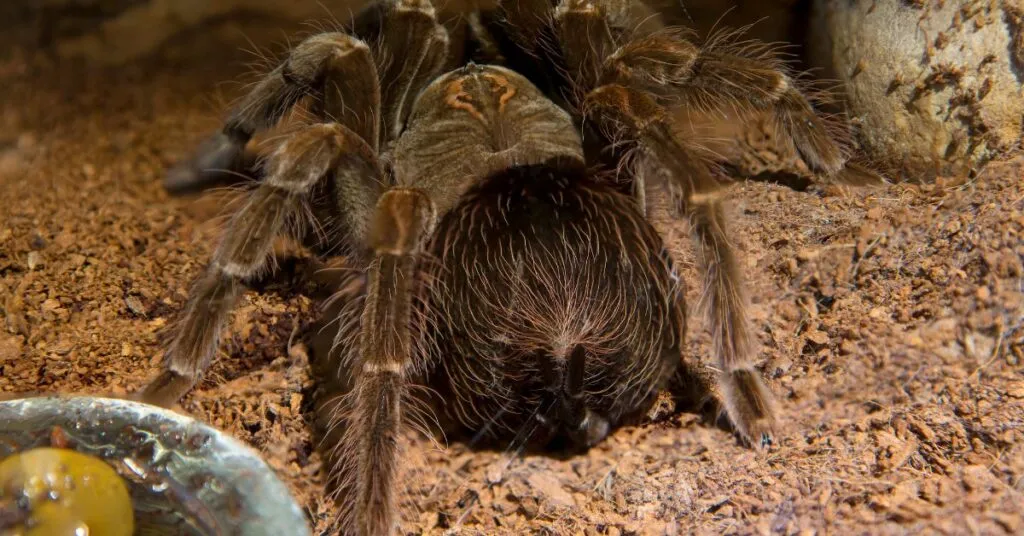
Understanding Tarantula Sexing
Sexing a tarantula, or determining its gender, is a crucial aspect of tarantula keeping. Whether you’re a seasoned hobbyist or a curious beginner, understanding how to differentiate between a male and female tarantula is essential for various reasons. These include breeding purposes, understanding lifespan, and even predicting behavior. The process, while sometimes requiring a trained eye, can be achieved with careful observation and the right knowledge. This guide provides a comprehensive overview of the methods used to sex tarantulas, enabling you to accurately identify the gender of your eight-legged friend. The ability to correctly sex a tarantula not only enhances your understanding of the species but also contributes to responsible pet ownership and the well-being of the tarantula itself.
Why Knowing Your Tarantula’s Gender Matters
Knowing the gender of your tarantula has several benefits. First and foremost, it helps in understanding the tarantula’s life cycle and potential lifespan. Female tarantulas generally live significantly longer than males, sometimes for decades. Males, on the other hand, typically have a shorter lifespan, primarily because they reach sexual maturity faster and their primary goal is to mate. Additionally, if you are interested in breeding tarantulas, knowing the sex is obviously critical to this process. Finally, the gender can sometimes offer insights into the tarantula’s behavior; for instance, mature males may exhibit wandering behaviors in search of a mate, while females tend to be more sedentary. Understanding these differences helps you provide the best possible care for your tarantula, considering its specific needs based on its gender.
Methods for Sexing Tarantulas

Several methods are available for sexing tarantulas, each with varying degrees of accuracy. The most common methods involve examining the exuvium (the molted exoskeleton) and, in some cases, directly inspecting the tarantula. The most reliable approach is usually examining the exuvium, as it provides clearer visual clues. However, visual inspection of the tarantula can also offer valuable insights, particularly for larger specimens. The best method often depends on the size and maturity of the tarantula. For slings (young tarantulas), sexing can be more challenging, often requiring specialized tools or the assistance of an expert. Thoroughness and patience are key to correctly identifying a tarantula’s gender.
Examining the Exuvium (Molted Shell)
The exuvium, or molted exoskeleton, offers the most reliable method for sexing a tarantula. When a tarantula molts, it sheds its entire outer layer, including the structures that are used to differentiate between males and females. The key to examining the exuvium is to carefully unfold it and look for specific features. For females, the presence of spermathecae is the definitive identifier. These are internal reproductive organs, which appear as sacs or pouches located in the abdomen. In males, on the other hand, you will not find spermathecae. Instead, you can look for the presence of mating hooks, which develop on the front legs of mature males. Examining the exuvium is a non-invasive and usually the preferred method by tarantula keepers.
Identifying Spermathecae (Females)
Spermathecae are the most reliable indicator of a female tarantula. These are the internal reproductive structures used to store sperm after mating. When examining the exuvium of a female, you should look for these structures, which appear as prominent sacs or pouches. The shape and size of spermathecae can vary slightly depending on the tarantula species, but they are usually located in the epigastric furrow region of the abdomen. They may appear as a pair of distinct structures or as a more complex, lobed arrangement. The presence of spermathecae is a clear indication that you have a female tarantula, though it may require some practice to distinguish them correctly. Clear photographs or comparisons with known female exuviae can be a great learning aid. It is also worth noting that the spermathecae become more developed with each molt.
Assessing for Hooks on the Front Legs (Males)

Male tarantulas develop mating hooks, also known as tibial hooks, on their front legs. These hooks are used to hold the female’s fangs during mating, preventing her from biting the male. Assessing the presence of these hooks is another method for sexing tarantulas, but this can only be done in mature males. The hooks are located on the first pair of legs (pedipalps), usually near the tarsus. The hooks will be visible as a small, often slightly curved, protrusion. When inspecting the tarantula directly, it’s important to handle it safely and gently. However, this direct inspection method carries the risk of potential defensive behavior from the tarantula. Therefore, it is usually recommended to focus on exuvium examination for a safer approach.
Visual Inspection of the Abdomen
Although not as accurate as examining the exuvium, visual inspection of the tarantula’s abdomen can sometimes offer clues about its gender. For example, in mature females, the abdomen may appear fuller and rounder, especially after they’ve eaten a substantial meal or are carrying eggs. This is because the abdomen houses the reproductive organs and, in the case of females, a larger capacity for egg production. In males, the abdomen may appear slightly smaller and less rounded, although this is not always a reliable indicator. The book lungs, which are the respiratory organs located on the underside of the abdomen, can also sometimes provide some hints, although it is not a reliable method. This is considered a supplementary method and should not be used as the primary means of sexing, as it can be misleading.
Expert Tips for Accurate Sexing
Here are some expert tips to improve your accuracy when sexing tarantulas. Firstly, always examine the exuvium under good lighting. This makes it easier to see the subtle details of the spermathecae or mating hooks. Secondly, if possible, use a magnifying glass or a microscope to get a closer look at the exuvium. Thirdly, compare the exuvium to images of known male and female exuviae of the same species. This will give you a good reference. Furthermore, be patient; sexing can sometimes take time and practice. It is always better to be cautious and try again than to make an incorrect determination. If you are unsure, it is best to consult with a tarantula expert or breeder for a second opinion. Remember, the more experience you gain, the better you will become at sexing tarantulas.
Sexing Slings (Baby Tarantulas)

Sexing tarantula slings (young tarantulas) is considerably more challenging than sexing adults, and accuracy is often lower. Due to their small size and the underdeveloped nature of their sexual organs, it can be very difficult to accurately identify the presence of spermathecae or mating hooks. The best method for sexing slings typically involves high-powered magnification and a keen eye. Some tarantula keepers use specialized equipment such as microscopes, while others send slings to experienced breeders or sexing services. In slings, the structures are very tiny and easily missed, so patience and experience are crucial. For beginners, it is often best to wait until the tarantula has undergone a few molts to improve the chances of accurate sexing.
Common Mistakes to Avoid
There are several common mistakes to avoid when trying to sex a tarantula. One of the most common is misinterpreting the structures on the exuvium. For instance, it is easy to mistake other structures or folds for spermathecae. Another common mistake is trying to sex a tarantula too early. The structures that are used to determine gender are not always clearly visible in young specimens. Furthermore, many beginners struggle to properly unfold the exuvium without damaging it. Handling the exuvium with care and learning proper unfolding techniques are essential. Finally, relying solely on visual inspection of the abdomen or behavior is another mistake. These methods are not always accurate and can lead to incorrect assumptions. Always rely on the more reliable methods, such as exuvium examination, whenever possible.
Professional Sexing Services
If you are unsure about sexing your tarantula or if you want a definitive answer, you can consult professional sexing services. Many experienced tarantula breeders and hobbyists offer this service. These professionals have a wealth of experience and specialized equipment to accurately determine the gender of your tarantula. Typically, you will send the exuvium to them, and they will provide you with a definitive answer. Using a professional service is a great option if you are unsure about your sexing skills or if you want to guarantee the accuracy of your results. It is especially useful for valuable or rare tarantulas where accurate sexing is of the utmost importance. By using a professional service, you can be sure that you are getting the most accurate information.