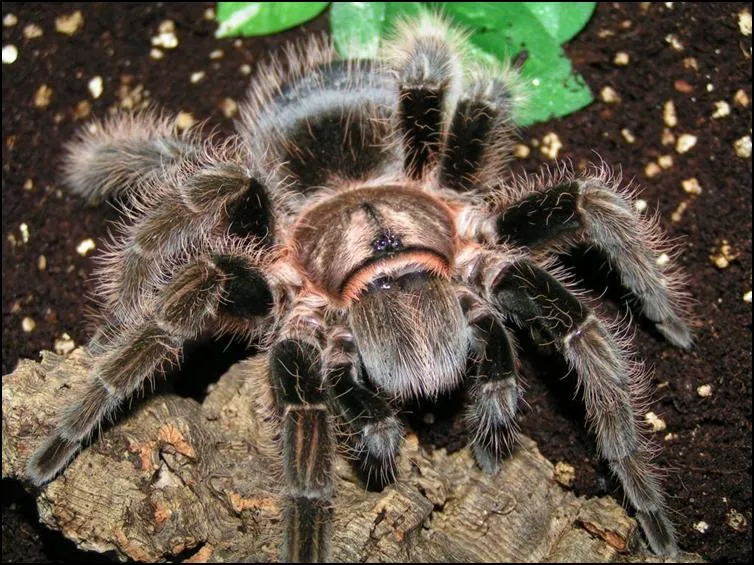
Understanding Curly Hair Tarantula Venom
The curly hair tarantula (Tliltocatl albopilosus) is a popular pet known for its docile nature and striking appearance. While generally considered harmless to humans, it’s crucial to understand that these creatures possess venom. Although not deadly to humans, their venom can cause discomfort and localized symptoms. This article aims to demystify the nature of curly hair tarantula venom, what happens when bitten, and how to handle such a situation safely and effectively. This knowledge is vital for any owner or enthusiast to ensure the well-being of both themselves and their tarantula. Understanding the composition, effects, and proper response is the key to safe interaction.
Composition of Curly Hair Tarantula Venom
Tarantula venom is a complex mixture of proteins, enzymes, and various toxins. It’s designed to subdue prey, which in the wild can include insects, small rodents, and other invertebrates. The exact composition can vary slightly depending on the tarantula’s age, diet, and overall health. The venom is not a single substance but a cocktail of different compounds, each playing a specific role in the venom’s effect. Understanding these components provides a clearer picture of how the venom functions when introduced into a human body. Learning about the different aspects of tarantula venom can help you handle an emergency situation.
Proteins and Enzymes

A significant portion of tarantula venom comprises proteins and enzymes. These substances are responsible for various effects, including breaking down tissues and disrupting normal bodily functions of the prey. Enzymes can facilitate the breakdown of proteins and other organic molecules. The presence of these enzymes in the venom contributes to the pain and inflammation often experienced after a bite. Proteins can also trigger immune responses in some individuals, leading to allergic reactions. The study of proteins and enzymes in the venom also helps in the development of antidotes and treatments.
Toxins
Toxins are another crucial component of tarantula venom. They act by interfering with nerve function and muscle activity. The toxins present in tarantula venom are designed to paralyze or incapacitate their prey. In humans, these toxins can cause a range of effects, from localized pain and muscle cramping to more severe systemic reactions in sensitive individuals. Research into these toxins is ongoing, with scientists working to understand their specific mechanisms and potential applications in medicine. Some toxins might have use in creating treatments, offering both risks and benefits.
How the Venom Works
When a curly hair tarantula bites, it injects its venom through its fangs. The venom then enters the bloodstream and starts interacting with the body’s systems. The proteins and enzymes begin breaking down tissues at the bite site. The toxins present in the venom interfere with nerve signals and muscle functions, leading to pain and potentially cramping. The speed and severity of the effects depend on several factors, including the amount of venom injected, the individual’s sensitivity, and the location of the bite. The venom’s effectiveness is often targeted, making it more potent against the tarantula’s typical prey rather than humans. This is a key detail to keep in mind while dealing with a bite.
The Effects of Curly Hair Tarantula Bites

While curly hair tarantula venom is not typically life-threatening to humans, it can cause a variety of unpleasant symptoms. Understanding these potential effects is essential for knowing what to expect and when to seek medical attention. The most common effects are localized and relatively mild. More severe reactions are rare but possible, especially in individuals with allergies or other health conditions. Knowing the difference between local and systemic reactions can help you assess the situation properly.
Local Reactions
Most people bitten by a curly hair tarantula will experience local reactions at the bite site. These reactions are usually limited to the area around the bite and typically resolve within a few days. The most common symptoms include pain, redness, and swelling. While these symptoms can be uncomfortable, they are not usually cause for serious concern. Proper care, such as cleaning the wound and applying a cold compress, can help to alleviate the symptoms. The intensity of the local reaction can vary depending on individual sensitivity. If symptoms worsen or become unmanageable, medical attention might be necessary.
Pain, Redness, and Swelling
Pain is a common initial symptom, ranging from a mild sting to a more intense throbbing sensation. Redness and swelling around the bite site are typical signs of inflammation, the body’s response to the venom. The area may feel warm to the touch. The extent of these reactions varies, but they usually peak within the first few hours and gradually subside over the next day or two. In rare cases, there might be a small amount of bleeding from the bite. Keeping the area clean and monitoring the symptoms closely is essential during this period.
Systemic Reactions

Systemic reactions, which affect the whole body, are far less common than localized reactions. However, they can occur in some individuals, particularly those with pre-existing allergies or sensitivities. Systemic reactions can be more serious and require prompt medical attention. Symptoms might include nausea, dizziness, muscle cramps, or difficulty breathing. These systemic effects indicate that the venom has spread beyond the immediate bite site and is affecting other bodily systems. If any of these systemic symptoms are observed, immediate medical consultation is highly recommended.
Allergic Reactions
Allergic reactions are a type of systemic response that occurs when the immune system overreacts to the venom. Symptoms of an allergic reaction can range from mild skin rashes and itching to more severe reactions such as difficulty breathing, swelling of the throat, and anaphylaxis. Anaphylaxis is a life-threatening condition that requires immediate medical intervention. If someone experiences symptoms of an allergic reaction after a tarantula bite, it is crucial to seek emergency medical care without delay. Having this knowledge can save a life.
First Aid for Curly Hair Tarantula Bites
Knowing how to respond immediately after a curly hair tarantula bite can significantly impact the outcome. Quick and appropriate first aid can minimize the discomfort and reduce the risk of complications. Basic first aid measures, combined with careful observation, are usually sufficient for managing local reactions. However, it’s essential to be aware of the signs of a more severe reaction and know when to seek professional medical help. Always prioritizing safety and being prepared is the most vital thing.
Immediate Steps

The first thing to do after being bitten is to remain calm and remove yourself from the tarantula’s presence. If the bite occurred on a limb, gently wash the area with mild soap and water. Avoid squeezing or attempting to suck out the venom, as this can be ineffective and may cause further harm. It’s also important to observe the area for any signs of allergic reaction, such as swelling or difficulty breathing. Keeping a record of the time and observing any changes to the symptoms is essential for assessment. Staying calm is essential for handling the situation safely.
Cleaning the Wound
Thoroughly cleaning the wound with mild soap and water is crucial to prevent infection. Gently wash the bite area, ensuring that you remove any debris or venom from the surface. Avoid using harsh chemicals or strong antiseptics, as these can irritate the skin. After cleaning, you can apply a cool compress to the area to reduce pain and swelling. Keep the wound clean and dry, and monitor it for any signs of infection, such as increased redness, warmth, or pus. Proper cleaning ensures a clean recovery.
Seeking Medical Attention
In most cases, a visit to the doctor is unnecessary for a curly hair tarantula bite. However, there are specific circumstances where seeking medical attention is advisable. This includes if the symptoms are severe, if you experience any systemic reactions, or if you’re unsure about the severity of the bite. A medical professional can provide appropriate treatment, assess for allergic reactions, and offer guidance on managing any complications. Being proactive about health helps ensure a quick recovery.
When to Consult a Doctor

Consult a doctor if you experience severe pain, widespread swelling, difficulty breathing, or any other systemic symptoms. If you are prone to allergies or have a history of allergic reactions, seeking medical advice is essential. It is always better to err on the side of caution, so if you are concerned or uncertain about any symptoms, consult a healthcare professional. They can provide a diagnosis, treatment options, and advice. Emergency care might be required if you notice severe symptoms. If you do not seek medical help when necessary, you will be putting yourself and others at risk.
Preventing Bites from Curly Hair Tarantulas
The best way to handle curly hair tarantula poison is to prevent bites in the first place. By understanding how to handle these creatures safely and creating a safe environment, you can significantly reduce the risk of being bitten. Proper precautions, good handling techniques, and a well-maintained enclosure will contribute to a harmonious relationship between you and your pet tarantula. Knowing how to avoid bites is the best approach to tarantula ownership.
Safe Handling Techniques
Avoid handling your tarantula unless absolutely necessary. When handling, do so over a soft surface to minimize the risk of injury if the tarantula falls. Always move slowly and deliberately, avoiding sudden movements that could startle the tarantula. If you must handle your tarantula, use a long handled tool, such as a paintbrush, to gently guide it from one location to another. Never try to grab the tarantula or put your hands directly in front of it. Always wash your hands before and after handling, and supervise children carefully around the tarantula. Proper handling keeps your safety top of mind.
Proper Enclosure and Maintenance

A well-designed and maintained enclosure is critical for the tarantula’s well-being and to minimize the risk of bites. The enclosure should be secure, escape-proof, and appropriately sized for the tarantula’s size. Provide a suitable substrate, hiding places, and a water source. Regular maintenance, including cleaning the enclosure and removing any uneaten food, is essential. Avoid placing your hands inside the enclosure without taking the proper safety precautions, such as using tongs or long tools for feeding or maintenance. A clean, safe environment ensures both your and the tarantula’s safety.
Educating Yourself and Others
Educate yourself about tarantula behavior, venom, and safe handling practices. Sharing your knowledge with others, especially children, can help prevent accidents and promote responsible pet ownership. Understanding the basics of tarantula care, including their needs and potential hazards, is essential. Learn about the tarantula’s natural behaviors, and respect its space. By educating yourself and others, you can help prevent bites, protect yourself, and care for your tarantula responsibly.