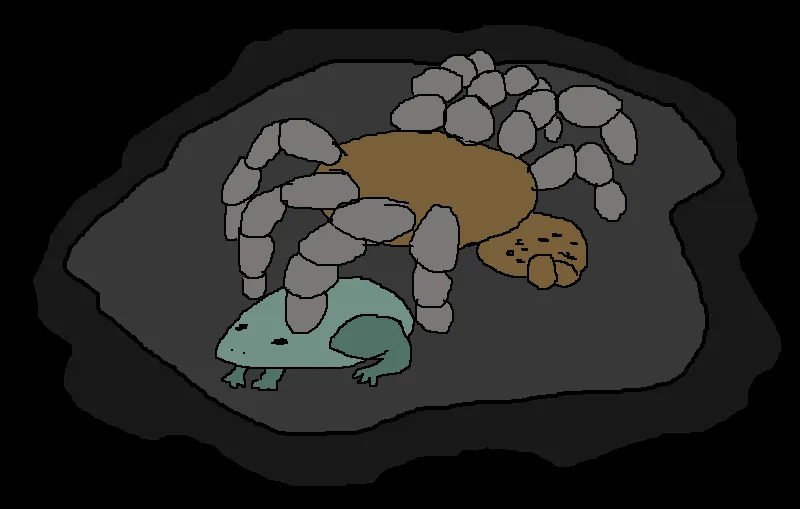
Understanding Tarantulas and Frogs
Venturing into the realm of cohabitating tarantulas and frogs as pets can be an intriguing concept, but it demands a thorough understanding of both creatures. These animals, vastly different in their natural habitats and behaviors, present a unique set of challenges and considerations for the responsible pet owner. Before you even think about placing a tarantula and a frog in the same enclosure, it’s imperative to delve deep into the specific characteristics of each animal. This foundational knowledge will not only help you understand their potential interactions but also allow you to create a living environment that prioritizes their health, safety, and overall well-being. This guide aims to equip you with the knowledge needed to make informed decisions, ensuring that your pet-keeping endeavors are both successful and ethical.
Tarantula Characteristics
Tarantulas, belonging to the Theraphosidae family, are large, hairy spiders known for their diverse colors and sizes. Native to tropical and subtropical regions worldwide, they are primarily nocturnal hunters, relying on their venom to subdue prey. Their lifespans can vary greatly depending on the species and sex, with females often living for several years longer than males. In terms of behavior, tarantulas can be territorial and may exhibit defensive postures when threatened. They typically prefer to hide in burrows or under cover during the day. Understanding these traits is critical for managing their interactions with other animals, as their predatory instincts are hardwired.
Frogs Characteristics

Frogs, amphibians of the order Anura, come in a remarkable variety of species, each with distinct characteristics. Their natural habitats span from rainforests to deserts, showcasing their adaptability. Frogs are typically insectivores, with some larger species consuming small vertebrates. Their skin is highly permeable, allowing them to absorb water and oxygen, making them sensitive to their environment. Many frogs are also nocturnal and possess various defense mechanisms, like skin toxins or camouflage. Their behavior can range from solitary to social, depending on the species, which plays a crucial role in terrarium design.
Are Tarantulas and Frogs Compatible
The compatibility of tarantulas and frogs is a complex subject with no definitive yes or no answer. While cohabitation is possible, it is far from a simple task and inherently risky. The natural instincts of both predators and prey are significant factors. The chances of success depend heavily on careful species selection, meticulous terrarium setup, and constant monitoring. The potential for conflict is very high; therefore, the decision to cohabitate should be approached with caution, and the animals’ welfare must be the top priority. Many experienced keepers advise against housing them together due to the inherent dangers. If you proceed, you must be prepared to separate them immediately if any signs of stress or aggression are observed.
Potential Risks of Keeping Them Together
The risks associated with cohabitating tarantulas and frogs are considerable and should not be taken lightly. The primary risk is predation: a tarantula may see the frog as food, especially if the frog is small or the tarantula is large. Another potential risk is the frog’s defense mechanisms, like skin toxins or aggressive behavior, which could injure or kill the tarantula. Furthermore, stress can be significant for both animals. The confined environment and the constant presence of a potential predator or prey can cause undue stress, leading to health issues and behavioral problems. Finally, the differing environmental needs, such as temperature and humidity, can be challenging to manage simultaneously, potentially impacting both species’ health.
Predatory Behavior of Tarantulas

Tarantulas are opportunistic predators with strong instincts. They are equipped with fangs and venom designed to subdue prey. Their hunting behavior often involves ambushing, striking quickly to inject venom, and then waiting for the venom to take effect. In a shared enclosure, any moving creature, including a frog, could trigger a feeding response. The size difference is a significant factor; a large tarantula may view even a medium-sized frog as a potential meal. Their ambush tactics make it difficult for a frog to escape if a tarantula initiates an attack. These traits underscore the importance of carefully considering the potential for tarantula’s predatory behavior when designing the cohabitation environment.
Defense Mechanisms of Frogs
Frogs possess a range of defensive mechanisms to protect themselves from predators. Some species have toxic skin secretions that are a deterrent to potential threats, causing illness or even death in predators. Others employ camouflage, blending into their surroundings to avoid detection. Some frogs can also use their agility to try and escape. Certain species may attempt to inflate their bodies to appear larger and more intimidating. The effectiveness of these defenses varies. A tarantula may be unaffected by toxins or quick enough to overcome a frog’s attempts to escape. The use of defense mechanisms indicates that the frog is stressed and views the tarantula as a threat, making cohabitation extremely risky.
Creating a Safe Environment
Creating a safe environment for both tarantulas and frogs requires a considerable investment in research, planning, and maintenance. If you decide to move forward with cohabitation, the focus should be on minimizing risks and ensuring both animals have adequate space, appropriate environmental conditions, and enrichment. It’s crucial to provide plenty of hiding places for both species. Multiple hiding spots can reduce stress and provide opportunities for the animals to retreat from each other. You’ll need to manage temperature and humidity carefully, creating separate zones or gradients within the terrarium to cater to the specific needs of each species.
Terrarium Setup Essentials

A well-designed terrarium is crucial for the safety of both tarantulas and frogs. The enclosure should be large enough to provide ample space for both animals, minimizing the chances of direct contact and reducing stress. The terrarium should have secure lids to prevent escapes and adequate ventilation to regulate humidity and air quality. The substrate, such as coco fiber or sphagnum moss, must be appropriate for both species, providing humidity and hiding opportunities. The inclusion of live plants, rocks, and branches can create a more natural and enriching environment. Multiple water sources are necessary to ensure both animals can stay hydrated. Always prioritize a setup that minimizes the opportunities for interactions between the animals.
Choosing the Right Species
Careful species selection is the most critical factor in increasing the chances of successful cohabitation. Not all tarantula and frog species are compatible. Researching the specific behaviors, sizes, and dietary needs of each species is essential. Ideally, choose a tarantula that is not overly aggressive and a frog that is too large for the tarantula to eat. The species must have similar environmental requirements, making it easier to maintain the terrarium. Avoid pairing small tarantulas with large frogs or vice versa. Even with careful selection, there is still a risk involved, and constant monitoring is a must. It’s important to remember that even with compatible species, cohabitation is always risky.
Providing Adequate Space
Adequate space is essential for reducing stress and minimizing the chances of interactions between tarantulas and frogs. A larger terrarium allows each animal to establish its territory and retreat from the other when needed. The size of the terrarium should be determined by the size of the largest animal, typically the tarantula. It is crucial to provide enough floor space and vertical space for both animals to move freely. The terrarium should be set up to offer distinct zones for each species. Provide visual barriers, like plants and branches, to create separate spaces. This will minimize direct contact and reduce the likelihood of encounters.
Temperature and Humidity Control

Maintaining the correct temperature and humidity levels is essential for the health and well-being of both tarantulas and frogs. Tarantulas generally thrive in temperatures between 75 and 85°F (24 to 29°C), while frogs often require higher humidity levels, between 70% and 90%. Achieving this balance can be tricky. Using a thermostat to regulate heat sources, such as heat mats or ceramic heat emitters, is essential. Regular misting and the use of a hygrometer to monitor humidity levels are also required. Create a humidity gradient within the terrarium. It will allow the animals to choose their preferred microclimate. Monitoring the environment daily and making adjustments is vital to prevent stress.
Feeding and Nutrition
Providing appropriate nutrition is critical for the health of both tarantulas and frogs. This becomes more complex when cohabitating the animals, as feeding must be carefully managed to avoid triggering predatory behaviors or depriving either animal of essential nutrients. Always feed tarantulas and frogs separately. It will minimize the risk of accidental attacks and help monitor each animal’s feeding habits. It’s also important to ensure that any insects or prey items offered are free from parasites and pesticides, which could harm either animal. The choice of food should be based on each species’ needs and preferences, ensuring a varied diet for optimal health.
Tarantula Diet
Tarantulas primarily eat insects, such as crickets, mealworms, and roaches. The frequency of feeding depends on the tarantula’s age, size, and species. Young tarantulas require more frequent feeding than adults. You should vary the diet to ensure the tarantula receives a range of nutrients. You can also supplement with occasional treats, such as small pieces of cooked chicken or small vertebrates (only with adult tarantulas). Always remove uneaten food within 24 hours to prevent mold and mites from developing in the terrarium. Ensure fresh water is always available.
Frog Diet

Frogs are insectivores, requiring a diet of appropriately sized insects. Provide a variety of insects to ensure proper nutrition, including crickets, fruit flies, and small worms. It is essential to dust insects with vitamin and mineral supplements before feeding to prevent nutritional deficiencies. The frequency of feeding depends on the frog species and age. Offer food at regular intervals to maintain health. Avoid overfeeding, as this can lead to obesity and other health problems. Make sure clean water is always available for drinking and soaking.
Monitoring for Health and Well-being
Constant and diligent monitoring is vital for assessing the health and well-being of tarantulas and frogs in a cohabited environment. The keeper must be vigilant, observing both animals for any signs of stress, illness, or aggression. The terrarium environment needs regular checks, making sure that temperature, humidity, and cleanliness are well-maintained. Routine health checks are equally important. Being able to recognize early signs of health issues, such as changes in behavior, appetite, or physical appearance, is key to the health of the animal. You need to develop an understanding of the individual animal’s typical behavior to identify any deviations that could indicate a problem.
Recognizing Signs of Stress
Stress in tarantulas and frogs can manifest in various ways, including changes in behavior, appetite, and physical condition. Common signs of stress include lack of appetite, lethargy, hiding excessively, or erratic movements. In tarantulas, look for a stressed posture, such as raising their front legs or flicking hairs (if it’s a species with urticating hairs). For frogs, signs of stress may include changes in skin color, failure to eat, or attempting to escape the enclosure. Any sign of stress necessitates immediate investigation and possible separation of the animals. The more closely you observe your pets, the better you will be at spotting the subtle changes that signal a problem.
Preventing and Addressing Diseases

Preventing diseases in a cohabitated environment involves a proactive approach. Keeping the terrarium clean and maintaining optimal environmental conditions is essential for preventing the development of diseases. Quarantine new animals before introducing them to the established terrarium. It can help to prevent the spread of potential diseases. Providing a balanced diet, free from parasites and contaminants, is also critical. If any signs of disease are observed, such as skin lesions, unusual behavior, or changes in appetite, immediate veterinary care is required. Prompt treatment can improve the animal’s chances of recovery and prevent the spread of the disease.
Final Considerations and Advice
Cohabitating tarantulas and frogs as pets presents significant challenges and risks. Before embarking on this venture, you must carefully consider all the factors involved. Always prioritize the well-being of the animals, recognizing that even with meticulous planning, the potential for negative interactions is always present. Constant vigilance and the ability to make quick decisions are necessary to avoid or mitigate any potential problems. Having a contingency plan is crucial, including being prepared to separate the animals if necessary. Research the species you are considering thoroughly, and be honest with yourself about your ability to provide the level of care needed.
Pros and Cons of Co-habitation
Cohabitation offers some potential advantages. Some keepers may enjoy the unique interest of housing multiple species in a single enclosure. It may also allow for observation of interesting animal behavior and interactions. However, the disadvantages typically outweigh the benefits. The risks of predation, injury, and stress are significant concerns. It can be difficult to maintain appropriate environmental conditions and provide the required care for both species. The constant risk of conflict and the need for intensive monitoring can become a burden. Ultimately, the decision to cohabitate should be made with a full understanding of the potential drawbacks.
Alternatives to Co-habitation

If you are fascinated by tarantulas and frogs but are concerned about the risks of cohabitation, there are viable alternatives. Keeping each species in its individual terrarium is the safest and most recommended option. This allows you to meet each animal’s specific needs and minimizes the risks of predation, aggression, and disease. Consider other compatible species, such as different types of reptiles or insects, that have a proven track record of success in a cohabited environment. You can also create a terrarium display with multiple species and species-specific setups, even if they are not housed together. The goal is to create an enriching and fulfilling experience for both the pet and the owner, without compromising the animals’ safety and well-being.