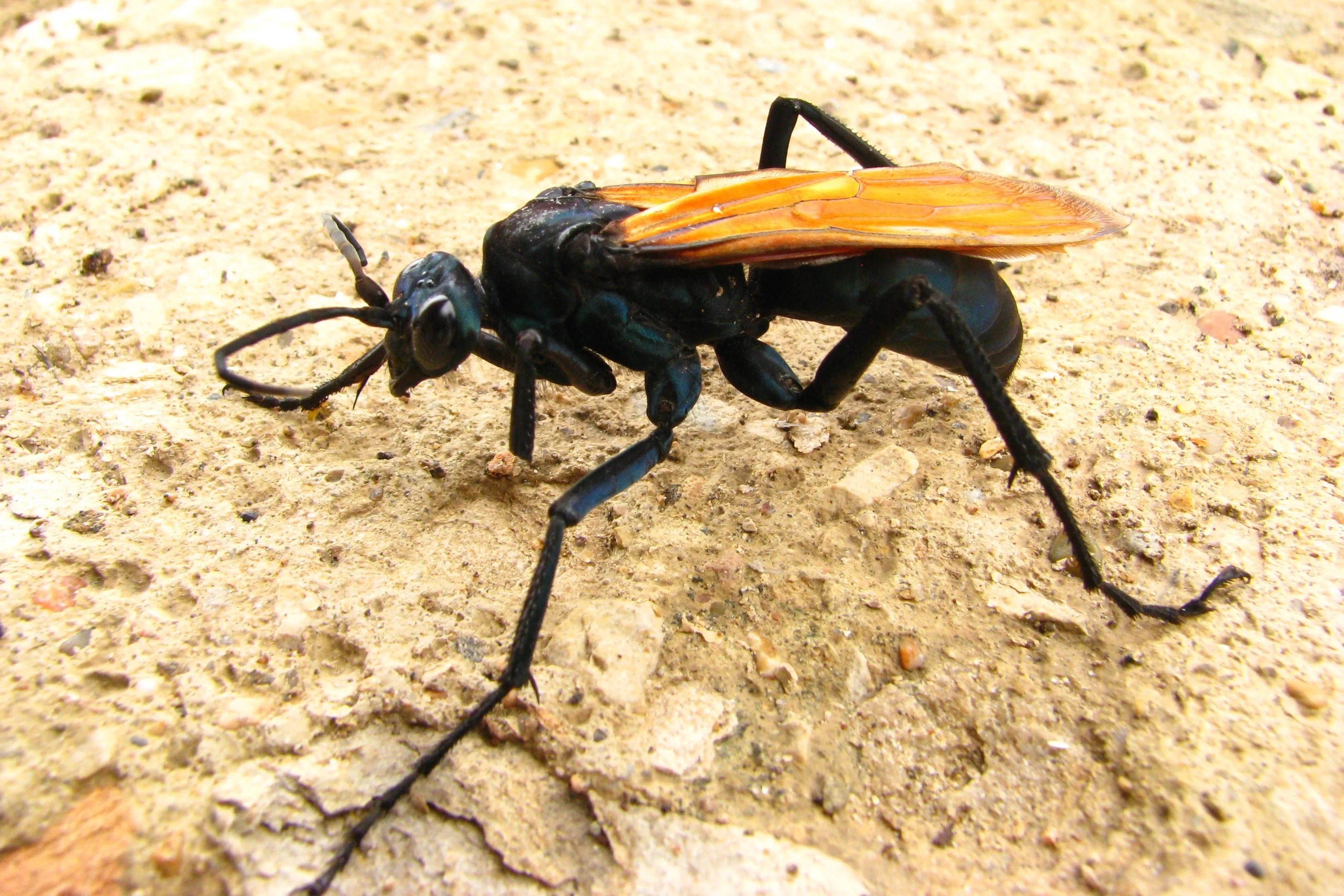
Understanding the Tarantula Hawk Sting
The tarantula hawk, a large, vividly colored wasp, is infamous for its excruciatingly painful sting. Found primarily in the southwestern United States and parts of South America, these wasps are formidable hunters, preying on tarantulas. While their sting is rarely life-threatening to humans, the pain it inflicts is considered among the most severe of any insect sting. Understanding the nature of the sting, the wasp itself, and the resulting pain is crucial for anyone who might encounter one. This initial understanding forms the foundation for effective treatment and pain management. The venom, while not particularly toxic, contains a complex cocktail of compounds that trigger an intense pain response in the nervous system. This section will explore the basics of what makes the tarantula hawk sting so unique and the initial sensations one can expect to experience.
About Tarantula Hawks
Tarantula hawks are easily recognizable due to their striking appearance. They typically boast a black or dark blue body and vibrant, rust-colored wings. These wasps are large, often reaching lengths of up to two inches. The female tarantula hawk is the primary culprit when it comes to stings, as she possesses a formidable stinger used for paralyzing tarantulas. The wasp then drags the paralyzed spider to its burrow, lays an egg on it, and the larva feeds on the still-living spider. Males, on the other hand, do not possess stingers and are primarily concerned with mating. Observing the behavior and habitat of these wasps is vital for avoiding encounters. They are most active during daylight hours and are often found in arid or semi-arid environments. Awareness of their presence can help in taking preventative measures, such as wearing protective clothing in known habitats.
Why Their Sting Hurts So Bad

The pain from a tarantula hawk sting is legendary, often described as an immediate, intense, and debilitating sensation. The pain is often compared to being struck by lightning. While the venom itself isn’t highly toxic, the compounds it contains directly target the nervous system, causing an extraordinary level of pain. The intensity of the pain is also partly due to the stinger’s size and the wasp’s ability to inject a significant amount of venom. Unlike bee stings, tarantula hawks do not lose their stinger, and can therefore sting repeatedly. This means that the wasp can continue to inject venom, amplifying the pain experienced by the victim. The location of the sting can also affect the intensity of the pain, with stings near nerve-rich areas often causing more intense suffering. The pain typically lasts for several minutes, and can linger in a dull form for a longer period of time. The sting is known for causing temporary paralysis.
Immediate First Aid for a Tarantula Hawk Sting
If you are stung by a tarantula hawk, the immediate steps you take can significantly impact your comfort and recovery. The primary goals of first aid are to minimize the venom’s effect, alleviate pain, and prevent complications. Remain calm and move away from the area to avoid further stings. It’s essential to act quickly and follow a sequence of steps to manage the situation effectively. Prompt action can help mitigate the severity of the reaction and reduce the overall duration of discomfort. Immediate care focuses on managing the pain and reducing the local effects of the sting. First aid procedures are relatively simple and can be performed with common household items. These steps are crucial for ensuring the best possible outcome after being stung by a tarantula hawk.
Remove the Stinger
While tarantula hawks do not leave their stingers behind like honeybees, it is still important to visually inspect the area to ensure that no part of the stinger remains lodged in the skin. If anything is visible, gently brush or scrape the stinger away. Avoid squeezing the area, as this could potentially force more venom into the wound. The goal is to remove any remaining irritants without causing further trauma to the skin. Use a clean, blunt object like a credit card or the edge of a fingernail to gently scrape across the sting site. Be careful not to pinch or squeeze the area, as this can worsen the pain and potentially spread the venom.
Clean the Wound

After removing any visible remnants, thoroughly clean the sting site with soap and water. This helps to remove any remaining venom on the skin’s surface and minimizes the risk of infection. Gently wash the area, ensuring all dirt and debris are removed. Use a mild soap and lukewarm water. After washing, pat the area dry with a clean cloth or paper towel. Proper cleaning is essential to prevent secondary infections. Keep the area clean and dry for the next few days while it heals. This basic hygiene step is a preventative measure against further complications.
Apply Cold Compress
Applying a cold compress or ice pack to the sting site can help reduce swelling, numb the area, and provide pain relief. Wrap ice in a cloth or use a commercially available ice pack to avoid direct contact with the skin. Apply the cold compress for periods of 10–15 minutes at a time, with breaks in between. The cold temperature constricts blood vessels, reducing the flow of venom and inflammation. It is an easy, accessible first aid measure that can significantly reduce discomfort. Applying a cold compress can also help manage the pain while other treatments are prepared or administered.
Pain Relief and Treatment Methods
Managing the pain from a tarantula hawk sting involves a combination of methods, from over-the-counter medications to home remedies. Pain relief is the primary focus of treatment. The intensity of the pain experienced from a tarantula hawk sting necessitates effective and accessible relief strategies. The treatment options focus on numbing the area, reducing inflammation, and providing the user with comfort during the sting’s duration. Understanding the variety of available treatments allows individuals to choose the most appropriate approach to their situation and pain tolerance. Different methods can be used in combination to provide optimal relief.
Over-the-Counter Pain Relievers

Over-the-counter pain relievers can provide significant relief from the intense pain of a tarantula hawk sting. Non-steroidal anti-inflammatory drugs (NSAIDs), such as ibuprofen or naproxen, help reduce pain and inflammation. Acetaminophen can also be used for pain relief. Follow the package instructions for dosage and ensure that you are not allergic to any ingredients. These medications can be easily purchased at any pharmacy, making them readily available to those stung. It is essential to adhere to the recommended dosage to prevent any potential side effects. If the pain is severe, consult a doctor before taking any additional medication.
Home Remedies to Ease the Pain
Several home remedies can help soothe the sting and reduce discomfort. Applying a paste of baking soda and water to the sting site can help neutralize the venom and relieve the pain. Another effective option is using a paste of meat tenderizer and water. Meat tenderizer contains enzymes that may help break down the venom. Essential oils such as lavender or tea tree oil, diluted in a carrier oil, can also offer relief. These methods can provide immediate relief and offer a more natural approach to managing pain. Be sure to test any home remedy on a small area of skin first to check for allergic reactions.
When to Seek Medical Attention
In most cases, a tarantula hawk sting does not require professional medical intervention. However, it’s important to recognize when medical attention is necessary. Seek immediate medical care if you experience any severe symptoms, such as difficulty breathing, swelling of the tongue or throat, dizziness, or loss of consciousness. These symptoms can indicate a severe allergic reaction, which requires immediate treatment. Knowing the warning signs of a severe reaction can be life-saving. It is always better to err on the side of caution and seek medical care if you are unsure or experience worsening symptoms. Delays in treatment can lead to serious complications.
Recognizing Severe Reactions

A severe allergic reaction, also known as anaphylaxis, is a life-threatening condition that requires immediate medical intervention. Symptoms of anaphylaxis include difficulty breathing, swelling of the throat or tongue, hives, dizziness, and a rapid drop in blood pressure. Other symptoms include nausea, vomiting, and loss of consciousness. If any of these symptoms are present, it is crucial to seek emergency medical care immediately. Administering an epinephrine auto-injector (EpiPen) if available, can help reverse the reaction until professional medical help arrives. Time is of the essence when dealing with severe allergic reactions. Early recognition and rapid response are essential for improving outcomes.
What a Doctor Can Do
A doctor can provide more advanced treatment options if the symptoms are severe. Treatment for anaphylaxis typically involves administering epinephrine, antihistamines, and corticosteroids. The doctor will monitor vital signs and provide supportive care, such as oxygen and intravenous fluids. The medical professionals may also administer medications to counter any effects of the venom. In some instances, patients may need to be admitted to the hospital for observation and further treatment. Following the acute phase, the doctor may provide additional recommendations, such as allergy testing. Medical professionals are trained to handle the worst of reactions.
Preventing Tarantula Hawk Stings
Prevention is the best way to avoid the excruciating pain of a tarantula hawk sting. By taking simple precautions, you can significantly reduce your risk of encountering these wasps and being stung. Knowledge about the insect’s habitat, behavior, and your own actions in their presence can greatly mitigate the risk. Prevention is crucial for minimizing the chance of experiencing the sting. The following strategies can help you remain sting-free, and avoid the intense pain associated with the stings.
Awareness and Avoiding Contact

The first step in preventing stings is to be aware of your surroundings and avoid known habitats of tarantula hawks. They are commonly found in the southwestern United States, especially in desert and arid environments. If you are in these areas, exercise caution, especially during daylight hours when the wasps are most active. Avoid disturbing these wasps or their nests. Be mindful of the environment around you while you are spending time outdoors. Observing their nesting areas will reduce the probability of a sting. Educate children and others in your group about these insects to minimize unintentional encounters.
Protective Measures
Wearing appropriate clothing can provide a physical barrier between you and the tarantula hawk. When in areas where tarantula hawks are common, wear long sleeves, long pants, and closed-toe shoes. Light-colored clothing may be better than dark clothing, as it may attract fewer insects. Avoid wearing perfumes or scented products, as these can attract wasps. Consider using insect repellents designed for wasps, though their effectiveness may vary. Regularly inspect your surroundings for wasp nests and take appropriate action if you find one. Using protective measures helps minimize the likelihood of a sting.