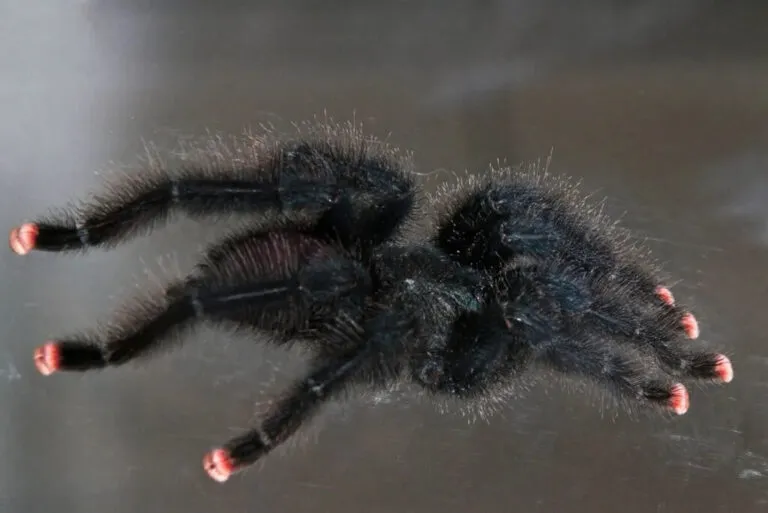
The Importance of Humidity for Pink Toe Tarantulas
Maintaining the correct humidity levels is critical for the health and well-being of your pink toe tarantula (Avicularia avicularia). These arboreal tarantulas, native to the rainforests of South America, thrive in environments that mimic their natural habitat. Humidity plays a vital role in their ability to molt successfully, stay hydrated, and avoid respiratory issues. Providing the right level of humidity is just as important as ensuring they have access to food and a suitable enclosure. Incorrect humidity can lead to various health problems, so understanding and managing this environmental factor is a key aspect of responsible pink toe tarantula ownership. The right humidity levels will make a significant difference in the quality of life of your pet.
Why Humidity Matters
Humidity affects several aspects of a pink toe tarantula’s life. Firstly, it directly influences their ability to molt. Molting is the process where tarantulas shed their exoskeletons to grow. Proper humidity helps the old exoskeleton separate from the new one, making the process smoother and less stressful. Secondly, humidity helps keep the tarantula hydrated. These tarantulas absorb moisture through their exoskeleton, and if the air is too dry, they can become dehydrated. Dehydration can lead to health problems, including difficulty molting and even death. Finally, proper humidity helps prevent respiratory issues. Low humidity can dry out the tarantula’s respiratory system, making them more susceptible to illness. In short, humidity supports their biological needs.
Signs of Improper Humidity

Identifying the signs of incorrect humidity levels is essential for timely intervention. If the humidity is too low, you might observe that your pink toe tarantula appears sluggish, has difficulty molting (with the old exoskeleton not shedding properly), and its abdomen may look shrunken. The tarantula might also spend more time on the ground instead of climbing, seeking a cooler, more humid environment. Conversely, if the humidity is too high, the enclosure may appear excessively wet, with condensation forming on the sides. High humidity can lead to mold growth, which can be dangerous for the tarantula and can cause respiratory problems. You might also see the tarantula behaving lethargically, and it may be less active. Being aware of these indicators can help you promptly adjust your pet’s environment.
Top 5 Humidity Facts for Pink Toe Tarantulas
Fact 1 Humidity Level Range
The ideal humidity range for a pink toe tarantula is between 70% and 80%. This range mimics the humid environment of their natural rainforest habitat. Maintaining this level is crucial for their overall health, molting process, and hydration. To make sure your tarantula is comfortable and healthy, it is important to regularly check and maintain the humidity within this range. This level offers a comfortable environment.
Fact 2 Measuring Humidity

The best way to measure humidity is by using a hygrometer. There are various types of hygrometers, including analog and digital ones. Digital hygrometers are generally more accurate and easier to read. Place the hygrometer inside the enclosure, ideally in a location where it can accurately gauge the humidity levels. Make sure to check the hygrometer readings regularly, ideally once or twice a day, to monitor any fluctuations in humidity levels. Regular measurement is very important to provide adequate humidity levels.
Fact 3 Maintaining Proper Humidity
Maintaining the correct humidity involves a few simple steps. Regular misting of the enclosure with dechlorinated or bottled water is the most common method. The frequency of misting depends on your enclosure setup and the ambient humidity levels. As a general guideline, mist the enclosure lightly once or twice a week, or as needed. You can also provide a shallow water dish with fresh water, allowing for evaporation and increasing humidity. The substrate you use also plays a role. A substrate that retains moisture, like coconut fiber, is often preferred. Careful monitoring and adjustments based on the hygrometer readings will help to optimize the environment.
Fact 4 Humidity & Molting
Humidity plays a crucial role during the molting process. High humidity helps the tarantula shed its exoskeleton. During molting, the tarantula absorbs moisture, which assists in loosening the old exoskeleton. If the humidity is too low, the old exoskeleton can become stiff and difficult to shed, which can lead to a failed molt and potentially death. If you notice your tarantula is in premolt, increase the humidity slightly to help with the process. Make sure that the environment is right during this very delicate process.
Fact 5 Humidity and Overall Health

Proper humidity contributes significantly to the overall health of your pink toe tarantula. It supports hydration, making it less likely for the tarantula to become dehydrated, which can lead to various health complications. It also helps prevent respiratory issues. Additionally, the right humidity levels enhance the tarantula’s immune system, making them more resistant to diseases. Moreover, maintaining the correct humidity creates a stress-free environment, promoting natural behaviors like climbing and feeding. Ensuring the correct humidity is thus integral to creating a good and happy home.
How to Monitor and Adjust Humidity
Choosing the Right Enclosure
The type of enclosure you choose plays a crucial role in maintaining humidity. Glass or acrylic enclosures are preferable because they help retain moisture. Make sure the enclosure has adequate ventilation; however, avoid excessive airflow that can dry out the environment. The size of the enclosure should be appropriate for the size of your tarantula. A smaller enclosure will generally retain humidity more effectively than a larger one, though overcrowding must be avoided. Always opt for an enclosure that’s easy to clean and provides a stable and controlled environment for your pink toe tarantula.
Using a Hygrometer

A hygrometer is an essential tool for monitoring humidity levels. Place the hygrometer inside the enclosure away from direct misting to ensure accurate readings. Digital hygrometers are generally more accurate than analog ones. Check the hygrometer readings daily, or even more frequently, especially if you’re making adjustments. Keep a record of the readings to track fluctuations and identify any patterns. Regular monitoring allows you to respond promptly to changes in humidity and adjust your methods as needed to ensure your tarantula’s health. This will make sure you are providing a comfortable home environment for your pet.
Methods for Increasing Humidity
If the humidity is too low, there are several methods you can use to increase it. The most common is misting the enclosure with dechlorinated or bottled water. Lightly mist the enclosure once or twice a week. You can also increase the humidity by adding a larger water dish or by placing the enclosure in a slightly more humid room. Use a moisture-retaining substrate like coconut fiber. Covering a portion of the enclosure’s ventilation with tape or plastic wrap can also help retain moisture. Always monitor the hygrometer readings after making adjustments to ensure you don’t overdo it.
Methods for Decreasing Humidity
If the humidity is too high, you’ll need to take steps to decrease it. Ensure that there’s proper ventilation in the enclosure. Reduce the frequency or amount of misting. If you have a water dish, consider using a smaller one or moving it to a less prominent location within the enclosure. You can also use a dehumidifier in the room where the enclosure is kept, but make sure it doesn’t dry the air too much. It’s essential to find the right balance. Regular monitoring is always necessary.
Common Mistakes to Avoid

Several common mistakes can lead to humidity problems. Over-misting is a frequent issue, which can lead to high humidity and mold growth. Ensure that the enclosure has adequate ventilation to prevent this. Using the wrong substrate can also create problems. Avoid substrates that don’t retain moisture well. Not monitoring the humidity levels regularly is another common error. Always use a hygrometer and check the readings daily. Finally, neglecting to adjust the humidity levels based on the environment or the tarantula’s molting cycle can also cause issues. Regular maintenance, careful monitoring, and timely adjustments are the keys to providing the correct humidity levels for your pink toe tarantula.