Huntsman Spider vs Tarantula Overview
The world of arachnids can be a fascinating and sometimes intimidating one, filled with creatures that evoke both curiosity and fear. Among these, huntsman spiders and tarantulas often capture attention. While both belong to the spider family, they represent distinct groups with unique characteristics. This article will delve into a detailed comparison, exploring their physical traits, habitats, behaviors, and more to help you understand the key differences between these intriguing arachnids. Whether you’re a seasoned arachnophile or simply curious, this guide will provide valuable insights into the world of huntsman spiders and tarantulas.
Appearance Differences Between Huntsman Spiders and Tarantulas
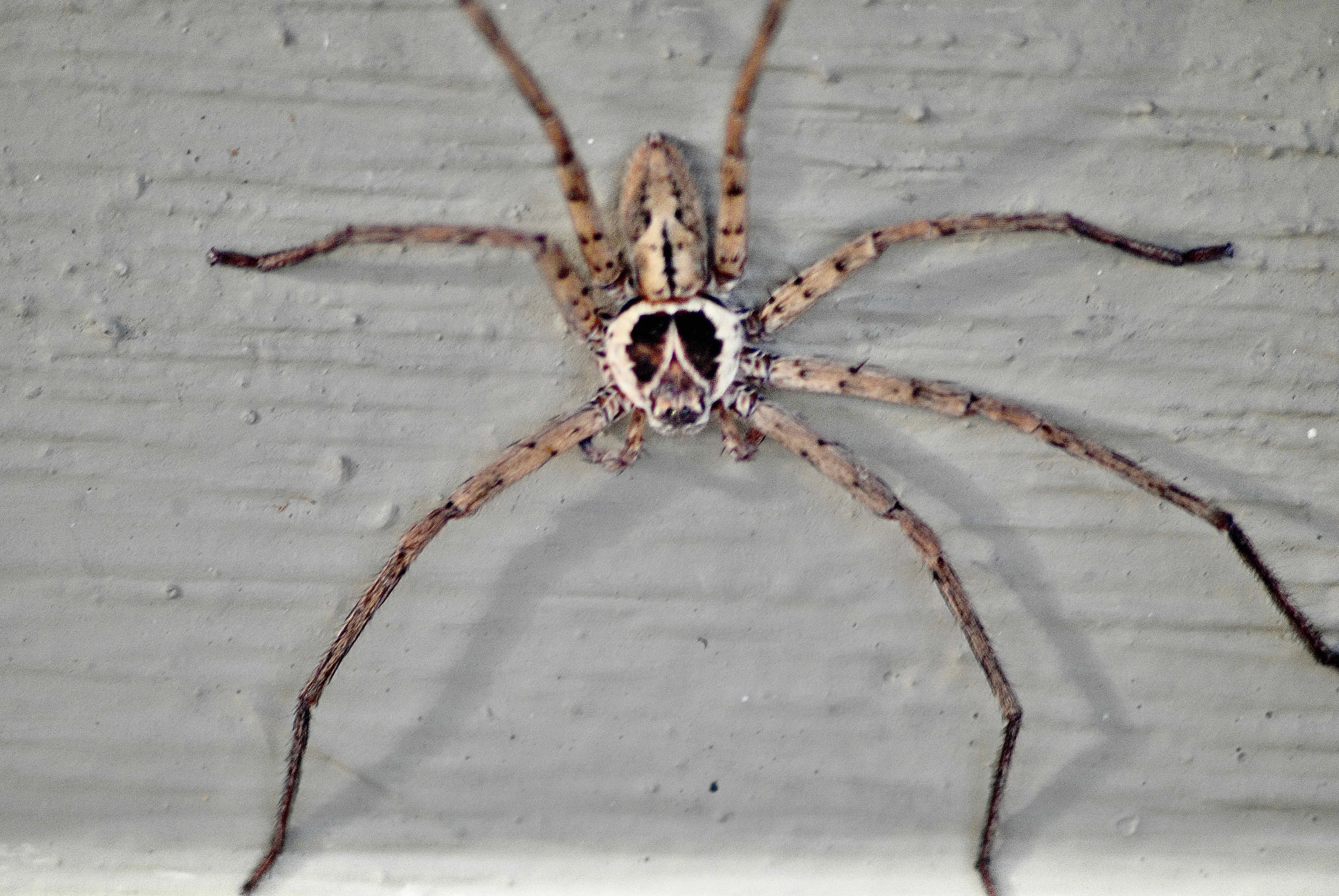
One of the most immediate ways to distinguish between a huntsman spider and a tarantula is by their physical appearance. Huntsman spiders, known for their large size and long legs, have a flattened body shape, enabling them to squeeze into tight spaces. Their legs extend sideways, giving them a crab-like appearance, and they are often various shades of brown or gray, providing excellent camouflage. In contrast, tarantulas have a more robust build, with a hairy body and legs. Their legs are typically thicker and shorter than those of huntsman spiders, and they come in a broader range of colors, from black and brown to vibrant hues depending on the species. The presence or absence of hair, along with body shape, provides a straightforward visual distinction.
Huntsman Spiders Physical Traits

Huntsman spiders are characterized by their flattened body and long legs, which can span up to 12 inches (30 cm) across. Their coloration is usually camouflaged, with shades of brown, gray, and sometimes reddish-brown, allowing them to blend in with their environment. Their legs are positioned in a way that allows them to move sideways, much like a crab, and they have powerful jaws for capturing prey. They lack the dense hair covering found on tarantulas, giving them a smoother appearance. Their eyes are typically arranged in two rows, providing good eyesight for hunting.
Tarantulas Physical Traits
Tarantulas are generally larger and more robust than huntsman spiders, often with a body length of several inches. They are easily recognizable by their hairy bodies and legs, which can range in color from black and brown to vibrant shades of orange, blue, or red, depending on the species. Tarantulas also have two claws at the end of each leg, aiding in climbing, and they possess urticating hairs on their abdomen, used as a defense mechanism. Their fangs are sizable, used to inject venom into their prey. They often have a more intimidating and bulky appearance than the more streamlined huntsman spiders.
Habitat and Geographic Location
The habitats of huntsman spiders and tarantulas vary widely, reflecting their different adaptations to various environments. Understanding their geographical distribution and preferred living spaces offers insights into their survival strategies and ecological roles. From tropical rainforests to arid deserts, these arachnids have carved out niches in diverse ecosystems, showcasing their adaptability and resilience. The habitats also influence their behaviors, diets, and interactions with other species, making the study of their environments a crucial aspect of understanding these fascinating creatures.
Huntsman Spider Habitat

Huntsman spiders are primarily found in tropical and subtropical regions around the world. They are commonly encountered in Australia, Asia, Africa, and parts of the Americas. These spiders prefer to live in crevices, under loose bark, in rock piles, and inside buildings, taking advantage of any sheltered space. Their flattened body shape makes them well-suited for squeezing into narrow spaces. They are not known for building webs, instead, they are active hunters, seeking prey in their immediate surroundings. They are often found in human dwellings, which provides shelter and a ready supply of insects.
Tarantula Habitat
Tarantulas also exhibit a wide range of habitats, depending on the species. They can be found in deserts, grasslands, forests, and even urban areas. Their geographic distribution includes North and South America, Africa, Asia, and Australia. Some tarantulas build burrows in the ground, while others live in silk-lined shelters under rocks or in trees. Desert species have adapted to arid conditions, while forest-dwelling tarantulas thrive in humid environments. Their habitat preferences influence their behaviors, diets, and defensive strategies, making it crucial to understand these factors in the context of tarantula care.
Behavior and Temperament
Both huntsman spiders and tarantulas display distinct behaviors and temperaments. These differences are influenced by their physical traits, habitats, and evolutionary adaptations. Huntsman spiders are known for their speed and agility, employing their hunting skills to capture prey. Tarantulas, on the other hand, often display a more cautious and deliberate approach. These behavioral differences are crucial in understanding how each spider species interacts with its environment and how they respond to threats. Observing and understanding these behavioral patterns provides insight into the survival strategies of these creatures.
Huntsman Spider Behavior

Huntsman spiders are primarily nocturnal hunters, active at night when they seek out insects and other small invertebrates. They are known for their speed and agility, capable of running across surfaces with impressive swiftness. They do not build webs to catch prey, relying instead on their ability to ambush and chase down their food. Huntsman spiders are generally not aggressive towards humans, but they will bite if provoked or threatened. They are solitary creatures, usually found alone, and their hunting style makes them effective predators in their environments.
Tarantula Behavior
Tarantulas are often more docile than huntsman spiders, though this can vary depending on the species and individual temperament. Some species are more prone to defensive behaviors like raising their front legs or flicking urticating hairs as a warning. Tarantulas generally hunt at night, ambushing prey from their burrows or shelters. They typically eat insects, but larger tarantulas may consume small vertebrates like lizards or mice. Tarantulas can live for many years, and their behaviors and needs change throughout their lifespan, so proper care and understanding are crucial for captive specimens.
Venom and Bite Severity
Both huntsman spiders and tarantulas possess venom, but the potency and effects of their bites differ. Understanding the venom and the potential impact of a bite is essential for both safety and informed interaction with these spiders. While neither is typically deadly to humans, the effects can range from mild discomfort to more severe reactions depending on the species, the amount of venom injected, and the individual’s sensitivity.
Huntsman Spider Venom

Huntsman spiders possess venom that is generally considered mild to humans. A bite from a huntsman spider may cause localized pain, swelling, and redness at the bite site. Other symptoms can include muscle cramps, headaches, and in rare cases, nausea or vomiting. The venom is designed to subdue their insect prey, and while it can be unpleasant, it’s not usually life-threatening to humans. Medical attention is typically not needed, and symptoms usually subside within a few hours or days.
Tarantula Venom
Tarantula venom is also generally not considered dangerous to humans, similar to huntsman spiders. However, the effects can vary depending on the species and individual sensitivity. A tarantula bite may cause pain, redness, and itching at the bite site. Some people may experience more pronounced symptoms, such as muscle cramps, nausea, or increased heart rate. More severe reactions are rare, and most bites require no medical treatment. In addition to the venom, tarantulas have urticating hairs that can cause skin irritation if they come into contact with humans, leading to itching and discomfort.
Common Myths and Misconceptions
There are numerous myths and misconceptions surrounding huntsman spiders and tarantulas, often fueled by fear and a lack of understanding. Debunking these myths and clarifying the facts is essential for fostering a more balanced and informed perspective on these arachnids. Common misconceptions include beliefs about their aggression, venom potency, and overall danger to humans. Dispelling these myths can lead to a greater appreciation for these creatures and a reduction in unnecessary fear and anxiety.
Huntsman Spiders and Tarantulas as Pets

Both huntsman spiders and tarantulas are kept as pets, although tarantulas are far more common due to their manageable size and care requirements. Choosing to keep either requires careful consideration and preparation. This includes understanding their specific needs, creating a suitable habitat, and providing appropriate care. Knowing how to handle them safely and provide for their needs will ensure their well-being and the owner’s safety.
Huntsman Spider Care
Huntsman spiders are not typically kept as pets due to their speed and elusiveness. However, if you were to care for one, it would require a terrarium with a substrate that allows for hiding. They would need a secure enclosure and hiding places, such as pieces of bark. Feeding would consist of live insects such as crickets or cockroaches, and maintaining appropriate humidity levels is crucial. Handling is generally not recommended due to their speed and potential for bites.
Tarantula Care
Tarantulas are a popular choice for pet owners. Proper care includes providing a terrarium with appropriate substrate, such as coconut fiber or vermiculite, to allow for burrowing. Temperature and humidity levels must be carefully controlled to mimic their natural environment. Feeding involves live insects, such as crickets, mealworms, and roaches, and providing a shallow dish of fresh water. Handling should be kept to a minimum, and it is essential to handle them with care and avoid drops. Regular maintenance and observation are key to ensuring a healthy and long-lived pet tarantula. Proper research of the specific species is crucial.