Understanding Curly Hair Tarantulas
The world of arachnids often sparks curiosity and, at times, a bit of fear. Among these intriguing creatures, the Curly Hair Tarantula (Tliltocatl albopilosus) stands out. Known for its docile nature and distinctive appearance, this species has become a popular choice for novice and experienced pet owners. But, a common question arises is it poisonous? This article delves into the fascinating world of Curly Hair Tarantulas, exploring their nature, venom, and safety considerations. Prepare to unravel the truth behind this captivating arachnid and discover the secrets of its world. Let’s embark on a journey to understand these fascinating creatures, starting with their basic characteristics and habitats. This introduction aims to equip you with knowledge, dispelling myths and presenting facts to ensure safe interactions and a deeper appreciation for these incredible animals.
The Curly Hair Tarantula Overview
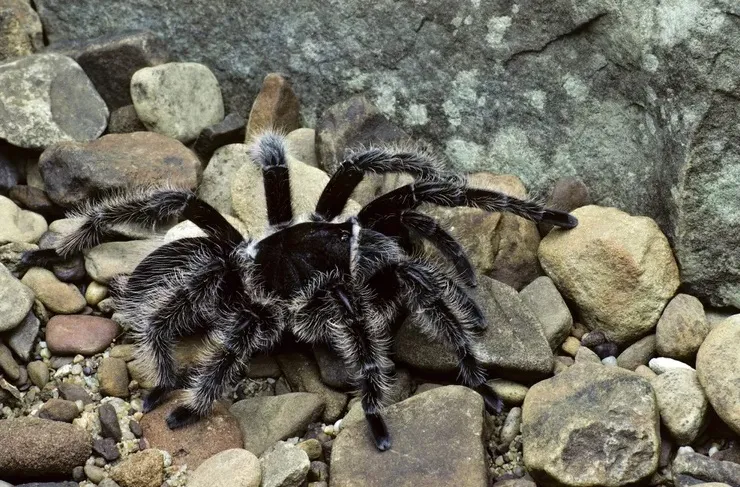
The Curly Hair Tarantula is a New World tarantula, native to the tropical dry forests of Costa Rica. This species is characterized by its dark body, adorned with distinctive, reddish-brown hairs that give it its unique ‘curly’ appearance. These hairs are most prominent on their legs and abdomen, providing them with excellent camouflage and a distinctive look. These tarantulas are relatively large, with a leg span that can reach up to six inches in adulthood. They are known for their relatively calm temperament, making them a popular choice for tarantula enthusiasts. Their lifespan is also impressive, with females living up to 10-15 years and males living for a shorter 5-7 years. Understanding the Curly Hair Tarantula begins with recognizing its beauty, temperament, and longevity. It is a species that brings both charm and intrigue to the world of pet ownership and wildlife appreciation.
Habitat and Characteristics

In their natural habitat, Curly Hair Tarantulas are terrestrial creatures, meaning they primarily live on the ground. They are burrowers, often creating underground homes to seek refuge from predators and the elements. Their habitat includes tropical dry forests, where they find ample humidity and a stable temperature range. In captivity, replicating this environment is crucial for their health and well-being. This involves providing a suitable substrate, such as a mix of coconut fiber, peat moss, and vermiculite, to allow them to burrow. Maintaining proper humidity levels and temperature is essential for their molting process and overall comfort. Their distinctive curly hairs are not just for aesthetics; they also serve as a sensory tool, allowing them to feel vibrations and navigate their surroundings. The combination of their burrowing behavior and sensory hairs makes them well-adapted to their environment, highlighting their resilience and fascinating adaptations.
Are Tarantulas Poisonous or Venomous
The terms ‘poisonous’ and ‘venomous’ are often used interchangeably, but in the context of tarantulas, it’s essential to understand the difference. Poisonous animals, like certain types of frogs, release toxins through touch or consumption. Venomous animals, on the other hand, inject toxins using specialized structures, like fangs or stingers. Tarantulas are venomous, not poisonous. This means that their defense mechanism involves injecting venom through their fangs, rather than through skin contact or ingestion. Understanding this distinction is critical when discussing the risks associated with tarantulas. It clarifies that the danger isn’t in handling the tarantula itself, but rather in the potential for a venomous bite. Knowing these differences helps us to demystify some common misconceptions and focus on providing accurate information about the creature’s true nature.
Venom vs Poison Defining the Difference
The key difference between venom and poison lies in the method of toxin delivery. Poisonous substances must be ingested, inhaled, or absorbed through the skin to cause harm. Venom, however, is actively injected into a victim through a bite, sting, or other specialized mechanism. The composition of the toxins also varies. Poisons often contain chemicals that disrupt bodily functions upon contact or ingestion. Venoms, on the other hand, are complex mixtures of proteins and enzymes that can cause a range of effects, from localized pain and swelling to more severe systemic reactions. This distinction is critical when assessing the risks associated with animals like the Curly Hair Tarantula. While exposure to a poisonous substance might result from accidental contact, venomous creatures actively use their toxins as a means of defense or predation. Thus, understanding these differences provides a more accurate portrayal of how tarantulas defend themselves and the potential dangers they pose.
The Curly Hair Tarantula Venom

The venom of a Curly Hair Tarantula is not considered highly potent to humans. Their venom primarily contains enzymes and proteins designed to immobilize prey. When a Curly Hair Tarantula bites, it injects this venom through its fangs. The effects of the venom on humans typically result in localized symptoms, such as pain, swelling, and redness at the bite site. In rare cases, some individuals may experience more severe reactions, such as muscle cramps or nausea, due to individual sensitivities. However, serious systemic reactions are uncommon. The venom is not considered life-threatening to healthy adults. The primary concern with a Curly Hair Tarantula bite is the potential for secondary infection if the wound is not properly cleaned and cared for. Proper medical attention and hygiene practices are, therefore, crucial if you get bitten. The venom’s composition and effect are not designed to cause significant harm to humans, unlike some other venomous creatures.
Impact of a Tarantula Bite
The impact of a Curly Hair Tarantula bite varies from person to person. For most, the bite is similar to a bee sting, causing immediate pain and some localized symptoms. These can include redness, swelling, and itching at the bite site. Some individuals may experience muscle cramps, nausea, or, in extremely rare cases, more severe reactions. The severity of the bite also depends on the size of the tarantula and the amount of venom injected. It is important to remember that a bite from a Curly Hair Tarantula is not generally considered life-threatening. However, due to the potential for secondary infections, proper wound care is essential. Keeping the bite area clean and monitored for signs of infection, such as increasing redness, swelling, or pus, is crucial. The physical and emotional impact of the bite is usually short-lived, especially with prompt and appropriate care. Consulting with a medical professional is advisable if the symptoms worsen or if you have any concerns.
What Happens If You’re Bitten
If you are bitten by a Curly Hair Tarantula, the first step is to remain calm. The bite, though painful, is rarely life-threatening. Clean the bite area thoroughly with mild soap and water to prevent infection. Apply a cold compress to reduce swelling and pain. If you experience any allergic reactions, such as difficulty breathing or severe swelling, seek immediate medical attention. Monitor the bite for any signs of infection, like increasing redness, warmth, or pus, and consult a doctor if these symptoms appear. Avoid scratching the bite, as this can increase the risk of infection. While a bite from a Curly Hair Tarantula is usually not a cause for major concern, taking appropriate care of the bite and monitoring your body’s response are essential. Providing basic first aid and seeking medical advice when necessary helps to manage the situation effectively and ensures you have the best possible outcome.
5 Shocking Facts About Curly Hair Tarantula

Fact 1 The Myth of Poison
One of the most common misconceptions about tarantulas is that they are poisonous. As we’ve established, this is incorrect. Tarantulas are venomous. This means that they inject venom through their fangs, which is their defense mechanism. The myth of tarantulas being poisonous likely stems from a general fear and misunderstanding of these creatures. People often conflate the terms venomous and poisonous, leading to false information. The truth is that you cannot be poisoned by a tarantula simply by touching it. You can only be affected if the tarantula bites you and injects its venom. Understanding this crucial distinction helps to dispel the myths and provides a more accurate perception of these fascinating creatures.
Fact 2 Venomous but Not Deadly
While Curly Hair Tarantulas are venomous, their venom is not typically deadly to humans. Their venom has evolved to immobilize prey, such as insects, rather than to pose a significant threat to larger animals like humans. The effects of a bite are usually localized, causing pain, redness, and swelling. Serious reactions are rare, and fatalities are almost unheard of. This fact should offer reassurance to those who are nervous about these creatures. It is important to remember that every individual reacts differently to venom, and allergic reactions can occur. However, the Curly Hair Tarantula’s venom is generally considered mild. Knowing that the tarantula is venomous but not deadly can help pet owners and enthusiasts approach these animals with greater confidence and informed caution.
Fact 3 The Bite

A Curly Hair Tarantula bite is not the tarantula’s first line of defense. They often prefer to flee or use their urticating hairs as a defense mechanism. However, if a tarantula feels threatened, it may bite. The bite itself is often compared to a bee sting, causing immediate pain and discomfort. The fangs of the tarantula are relatively large and can pierce the skin. The venom injected can lead to redness, swelling, and itching. While a bite can be painful, the symptoms usually subside within a few days. The bite is rarely life-threatening, but appropriate first aid and monitoring are necessary. This includes cleaning the wound, applying a cold compress, and seeking medical attention if necessary. Understanding the potential effects of a bite prepares you for an informed response and emphasizes the importance of responsible handling and pet ownership.
Fact 4 Irritating Hairs
Curly Hair Tarantulas have a unique defense mechanism involving urticating hairs. These hairs are barbed and located on the abdomen. When a tarantula feels threatened, it flicks these hairs towards the perceived threat. These hairs can cause intense itching and irritation if they come into contact with the skin or eyes. The effects can be quite uncomfortable, ranging from minor skin irritation to more severe allergic reactions. The hairs are designed to deter predators, and they are particularly effective against mammals. When handling a Curly Hair Tarantula, it’s important to avoid provoking this defense mechanism. This means keeping your hands and face away from the abdomen of the tarantula. It is also essential to wash your hands thoroughly after handling a tarantula to prevent the spread of these irritating hairs. The presence of urticating hairs is a unique and fascinating aspect of Curly Hair Tarantulas and illustrates their evolutionary adaptations for survival.
Fact 5 Their Defense Mechanisms
Beyond their bite and urticating hairs, Curly Hair Tarantulas employ several other defense mechanisms. These creatures are incredibly fast and can attempt to flee from danger. They also possess a defensive posture, raising their front legs and exposing their fangs as a warning. Another defense mechanism is the release of a foul odor. They are known for their docile temperaments, preferring to avoid conflict whenever possible. When threatened, they will often hide, burrow, or try to escape. Their defense strategies are diverse and tailored to their environment and the threats they face. These defense mechanisms are a fascinating aspect of their biology, highlighting their adaptability and survival strategies. Recognizing and respecting these mechanisms helps to ensure responsible handling and appreciation of the Curly Hair Tarantula.
Safety and Precautions for Handling

Handling a Curly Hair Tarantula requires caution and knowledge of their behaviors. The best way to avoid getting bitten is to handle them only when necessary. This will limit stress on the tarantula. Always supervise children when they are near tarantulas, and explain to them why they should not touch the animal without guidance. When handling, it is important to move slowly and avoid any sudden movements that could startle the tarantula. Always support the tarantula’s body, and never grab or squeeze it. Remember to wash your hands thoroughly before and after handling. Keep the tarantula away from pets and other animals that might provoke it. Following these safety precautions minimizes the risk of bites and ensures a positive experience for both the handler and the tarantula.
Safe Handling Techniques
Safe handling techniques are crucial for both your safety and the well-being of the tarantula. The best approach is to avoid handling the tarantula unless necessary, such as during a cage cleaning or health check. If you must handle the tarantula, use a calm and gentle approach. Gently coax the tarantula onto your hand, allowing it to walk on its own. Support the tarantula’s body to prevent falls, and avoid any sudden movements that could startle it. Always handle the tarantula over a soft surface, such as a bed or the floor, to reduce the risk of injury if it were to fall. Avoid touching the tarantula’s abdomen, as this is where its urticating hairs are located. Always wash your hands before and after handling the tarantula. Handling should be brief, minimizing stress on the tarantula. Following these techniques helps to create a positive handling experience and promotes the safety of both you and your pet.
Preventing Bites
Preventing tarantula bites is largely about respecting the animal’s space and understanding its behavior. Avoid handling your Curly Hair Tarantula if you are not familiar with its mood or if it appears agitated. Never put your hand directly in front of the tarantula without first assessing its behavior. Provide a comfortable and secure habitat for your tarantula, ensuring it has a place to hide and burrow. Avoid making loud noises or sudden movements near the enclosure. When interacting with the tarantula, always move slowly and calmly. Regularly clean the tarantula’s enclosure to minimize stress and maintain a healthy environment. Educating yourself about the tarantula’s defensive behaviors is also critical. Understanding what triggers a bite, such as feeling threatened or stressed, will help you to avoid these situations. The key to preventing bites is to be patient, observant, and respectful of your tarantula.
First Aid for a Tarantula Bite

If you are bitten by a Curly Hair Tarantula, the first step is to remain calm. The bite is usually not life-threatening, but it is important to take appropriate steps. Clean the bite area thoroughly with mild soap and water to prevent infection. Apply a cold compress or ice pack to reduce swelling and pain. Monitor the bite for signs of infection, such as increasing redness, warmth, or pus, and consult a doctor if these symptoms appear. If you experience any allergic reactions, such as difficulty breathing or severe swelling, seek immediate medical attention. Avoid scratching the bite, as this can increase the risk of infection. While a bite from a Curly Hair Tarantula is rarely a cause for serious concern, prompt first aid and medical attention if necessary are essential. By following these steps, you can effectively manage the bite and promote a quick recovery.
Conclusion
In conclusion, while the Curly Hair Tarantula is venomous, it is not poisonous. Its venom, though injected through a bite, is not considered highly dangerous to humans. Most bites result in only localized pain and swelling. By understanding the difference between venom and poison, and by learning about the tarantula’s behavior and defense mechanisms, you can approach these creatures with informed confidence. Responsible handling, proper precautions, and a respectful attitude are key to a safe and enjoyable experience for both the tarantula and its owner. The Curly Hair Tarantula, with its unique appearance and relatively docile temperament, can be a fascinating pet for those who are willing to learn about its needs and habits. Hopefully, this guide has equipped you with the knowledge you need to appreciate and care for these incredible animals responsibly.