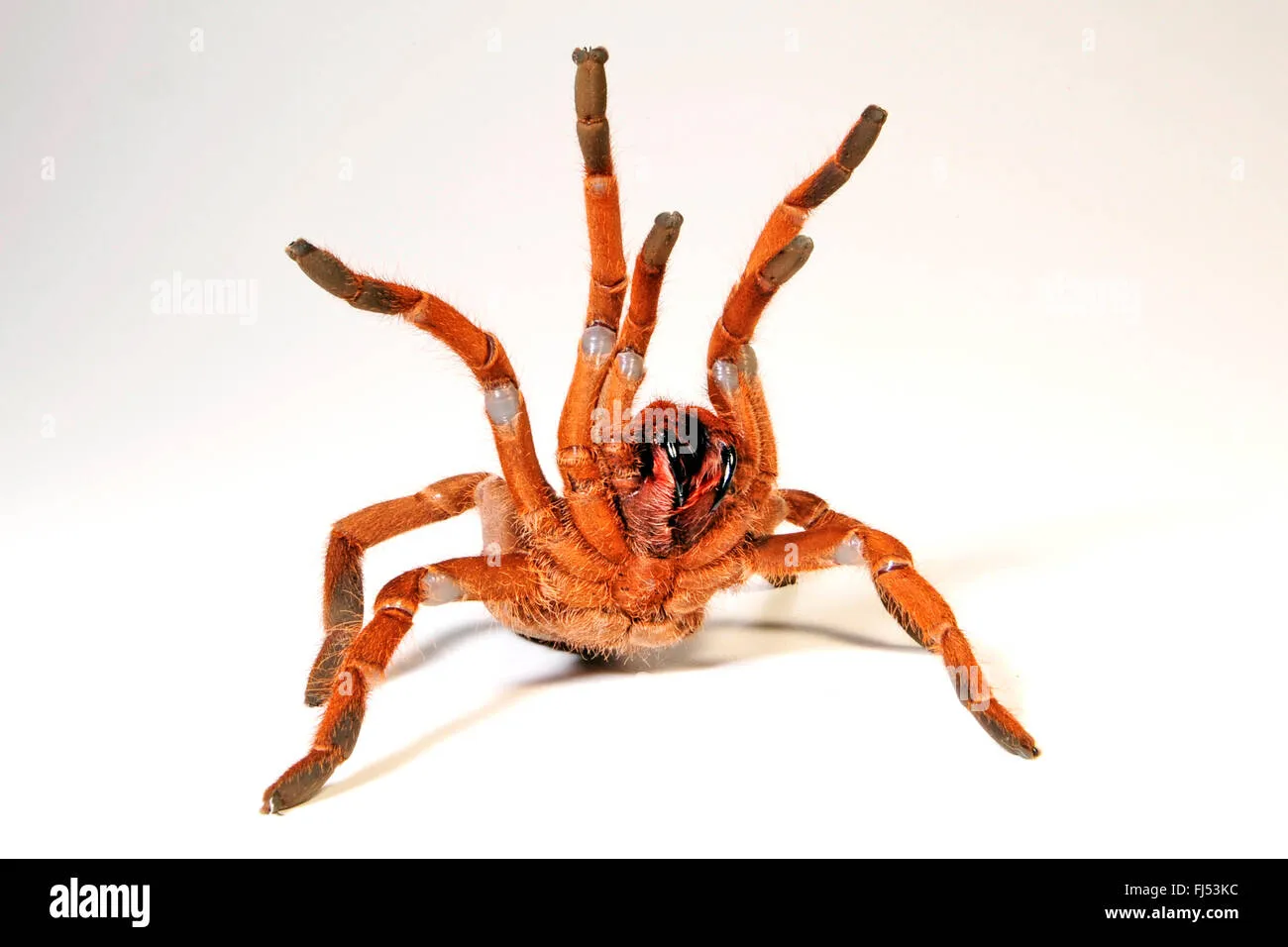
Understanding King Baboon Tarantula Bites
The King Baboon Tarantula ( Citharischius crawshayi) is a formidable arachnid, known for its impressive size and potent venom. Native to specific regions of Africa, this tarantula’s bite, while rarely fatal to humans, can be excruciatingly painful and cause a range of unpleasant symptoms. Understanding the nature of the bite, including its venom composition, the factors that affect its severity, and the correct methods of treatment, is crucial for anyone who lives in or visits areas where these spiders are found, or who keeps them as pets. This article provides a comprehensive guide to the King Baboon Tarantula bite, covering everything from immediate first aid to long-term recovery and prevention strategies. Proper understanding and swift action can minimize the impact of a bite and ensure a safe and effective recovery, making this information essential for anyone at risk.
Venom Composition and Effects
The venom of the King Baboon Tarantula is a complex mixture of toxins designed to immobilize prey. These toxins primarily affect the nervous system, leading to localized pain, muscle cramps, and other systemic effects. While not typically lethal to humans, the venom’s potency can vary depending on the spider’s age, size, and overall health. The primary effects include intense pain at the bite site, often described as burning or throbbing. This pain can radiate outward, accompanied by swelling, redness, and potential blistering. Additionally, the venom can cause systemic symptoms such as nausea, dizziness, and in rare cases, more severe reactions like muscle spasms and difficulty breathing. The composition of the venom also influences how quickly symptoms manifest and how long they last, making prompt medical attention essential for effective treatment and management of the symptoms.
Severity Factors

Several factors can influence the severity of a King Baboon Tarantula bite. The amount of venom injected is a significant determinant, as larger spiders may inject more venom with a single bite. The location of the bite also plays a role; bites on sensitive areas, such as the face or neck, may be more severe. The victim’s age and health are also important; children, the elderly, and individuals with pre-existing health conditions may experience more severe reactions. Allergies can also increase the severity, potentially leading to a more intense immune response. Finally, the time elapsed before treatment is initiated impacts the outcome, with prompt first aid and medical intervention often leading to better outcomes. Understanding these severity factors is vital for assessing the potential risks associated with a bite and guiding the appropriate medical response.
Identifying a King Baboon Tarantula Bite
Identifying a King Baboon Tarantula bite can be crucial for initiating the right treatment. Recognizing the immediate and delayed symptoms can help distinguish a bite from other insect bites or injuries. The bite itself may appear as two small puncture wounds, often accompanied by redness and swelling at the site. Observing these signs, alongside the victim’s reported symptoms, is essential for proper identification. Rapid recognition of the distinctive symptoms associated with the bite, combined with an awareness of the specific effects of the venom, is essential to differentiate it from other types of injuries. Quick identification can help to determine the severity of the injury, and the steps which must be taken in order to prevent long-term complications.
Immediate Symptoms
Immediate symptoms typically appear within minutes of the bite. The most common and noticeable symptom is intense, localized pain, often described as burning or throbbing. The area around the bite will likely show redness and swelling. The victim may also experience tingling or numbness in the affected area. Some individuals might feel muscle cramps or spasms near the bite site. It is important to carefully observe for these immediate signs, as they indicate the venom’s initial impact. In some cases, there could be the experience of nausea, sweating, and dizziness. In severe cases, there may be breathing difficulties. Rapid identification of these symptoms ensures that appropriate first aid measures are taken quickly, minimizing potential complications and beginning the pathway towards a full recovery.
Delayed Symptoms

Delayed symptoms can emerge hours or even days after the bite. These may include persistent pain, swelling, and redness at the bite site. Muscle aches and cramps might spread throughout the body. Some individuals may develop fever, chills, and flu-like symptoms. Severe cases could lead to neurological effects, such as muscle weakness, tremors, or difficulty coordinating movements. Monitoring for these delayed reactions is crucial, as they can indicate the severity of the envenomation and the need for continued medical care. Recognizing these symptoms necessitates prompt medical evaluation to prevent potential complications and ensures that all necessary measures are taken to support the victim’s recovery. It may be necessary to seek a professional diagnosis to ensure long term health.
First Aid for King Baboon Tarantula Bites
Immediate first aid is essential after a King Baboon Tarantula bite to reduce the effects of the venom and minimize complications. Effective and timely intervention is crucial for minimizing potential harm. It is vital to maintain a calm demeanor and reassure the victim, as panic can exacerbate symptoms. The primary aim of first aid is to limit the venom’s spread and provide symptomatic relief until medical help arrives. Proper and effective first aid procedures can significantly improve outcomes, reduce pain, and increase the chance of a full and swift recovery. This is particularly important in regions where access to medical care may be limited. The following step-by-step instructions can guide proper first aid actions.
Step-by-Step First Aid Procedures
- Stay Calm and Reassure: Keep the victim calm and reassure them. Anxiety can worsen symptoms.
- Clean the Wound: Gently wash the bite area with soap and water to remove any remaining venom or debris.
- Apply a Cold Compress: Use a cold compress or ice pack to reduce pain, swelling, and slow down venom absorption.
- Immobilize the Limb: Keep the bitten limb still and at a level below the heart.
- Monitor for Symptoms: Closely watch for any signs of a severe reaction, such as difficulty breathing or loss of consciousness.
- Seek Medical Help: Transport the victim to a hospital or medical facility as soon as possible, even if symptoms seem mild.
- Do Not: Do not apply a tourniquet, suck the wound, or attempt to cut the area. These actions can cause more harm than good.
When to Seek Medical Attention

Medical attention is essential after a King Baboon Tarantula bite. Seek medical help immediately if the victim experiences difficulty breathing, swallowing, or any signs of an allergic reaction. If the bite occurs near the face or neck, seek immediate medical care. Any severe symptoms, such as severe pain, dizziness, or loss of consciousness, require immediate evaluation. Even if symptoms appear mild initially, it’s advisable to seek medical attention to prevent potential complications. A medical professional can assess the bite, provide pain management, and rule out any severe reactions. Prompt medical care ensures appropriate treatment and can significantly improve the outcome.
Medical Treatments and Antivenom
Medical intervention is critical for managing a King Baboon Tarantula bite. The primary goals of medical treatment are to alleviate pain, reduce swelling, prevent complications, and support the victim’s recovery. Medical professionals will focus on assessing the severity of the bite and administer appropriate treatments. Depending on the severity of the bite and the symptoms, a doctor may consider different approaches. These can range from pain management and monitoring to more specific interventions such as antivenom, if available. The availability and effectiveness of antivenom can vary by location. Proper and immediate assessment and treatment greatly influence recovery and the prevention of any lasting harm. This ensures that any potential health issues are addressed as quickly as possible.
Medical Assessments and Diagnosis
Medical assessments will include a thorough examination of the bite site and evaluation of the victim’s symptoms. The healthcare provider will check for signs of local and systemic reactions, assessing vital signs such as heart rate, blood pressure, and respiratory rate. The healthcare provider may ask the victim about their medical history, including any allergies or pre-existing conditions. In some cases, the doctor may order blood tests to assess the extent of the envenomation and monitor the victim’s overall health. The diagnosis will focus on identifying the bite and determining the severity of the reaction. This thorough assessment guides the subsequent treatment plan, ensuring that the most appropriate interventions are used. Medical professionals are equipped with the knowledge and tools to provide the best possible assessment and diagnosis.
Administering Antivenom

Antivenom is a specific treatment for venomous bites, although its availability is limited. Antivenom works by neutralizing the venom in the bloodstream, reducing its harmful effects. If available, antivenom is typically administered intravenously by a healthcare professional. The dosage and administration will depend on the severity of the bite and the victim’s response. Healthcare providers closely monitor the victim for any adverse reactions to the antivenom. The efficacy of antivenom varies depending on the time elapsed since the bite, with earlier administration generally leading to better outcomes. Proper administration of antivenom by trained medical personnel helps to minimize the systemic effects of the venom and can improve the recovery process. If antivenom is not available, the medical team will manage symptoms and provide supportive care.
Preventing King Baboon Tarantula Bites
Preventing King Baboon Tarantula bites is crucial, especially in areas where these tarantulas are found or where individuals keep them as pets. This involves understanding safe handling practices, recognizing their habitats, and taking precautions to avoid encounters. Prevention is essential for minimizing the risks of bites, reducing the need for medical interventions, and ensuring personal safety. Awareness of the risks, combined with the proper safety measures, significantly lowers the probability of a bite occurring. Implementing such strategies can reduce the impact and the need for a rapid response, allowing for a more relaxed approach and improving overall safety.
Safe Handling Practices
If you handle King Baboon Tarantulas, adhere strictly to safety protocols. Always use long, sturdy tongs to handle the tarantula, and avoid direct contact with the spider. Wear protective gloves and clothing to minimize the risk of bites. Handle tarantulas in a secure environment, such as a well-enclosed enclosure, to prevent accidental escapes. Maintain a safe distance from the spider when cleaning or feeding it. Do not make sudden movements or make loud noises, as these can startle the tarantula. Always supervise children and educate them about the potential dangers. By following safe handling practices, pet owners and researchers can reduce the risk of bites. Proper practices, training, and the correct equipment are essential to minimize the possibility of incidents.
Habitat Safety and Precautions

In areas where King Baboon Tarantulas are found, take precautions to minimize the risk of encountering them. Wear protective clothing, such as long pants and sturdy shoes, when hiking or working outdoors. Be cautious around potential habitats, such as burrows, under rocks, and in woodpiles. Use a flashlight at night, and avoid reaching into dark areas. Keep your home and surroundings clean to discourage tarantulas from entering. Seal any cracks or openings in your home where spiders might enter. If you see a tarantula, do not attempt to handle it; instead, contact local authorities or a professional pest control service to relocate it safely. By understanding their habitats and taking these precautions, you can reduce the likelihood of an unwanted encounter and keep yourself and others safe.
Long-Term Effects and Recovery
After a King Baboon Tarantula bite, the long-term effects and recovery process can vary, depending on the severity of the envenomation and the individual’s response to treatment. While most bites are not life-threatening, there can be lasting physical and psychological effects. Understanding the potential complications and the typical recovery timeline is important for managing expectations and ensuring proper care. Comprehensive care, including physical therapy, and emotional support, can facilitate a complete recovery. A thorough assessment and a well-defined plan for the future can make a major difference to the quality of life for the victim.
Potential Complications
Potential complications following a King Baboon Tarantula bite can vary. Local complications may include persistent pain, swelling, and scarring at the bite site. Secondary infections can occur if the wound is not properly cleaned. Systemic complications, although rare, can include muscle weakness, neurological issues, and allergic reactions. Some individuals may experience post-traumatic stress disorder (PTSD) due to the traumatic experience. Ongoing monitoring by a medical professional is vital to detect and manage these complications early. Quick intervention and the implementation of effective treatment plans can reduce the potential for long-term health issues, ensuring that the victim can get back to optimal health.
Recovery Timeline

The recovery timeline for a King Baboon Tarantula bite can vary depending on the severity of the bite and the individual’s response to treatment. Mild cases may resolve within a few days to a week, with symptoms such as pain and swelling gradually subsiding. Moderate cases might require a few weeks for full recovery, with the potential for lingering pain or discomfort. Severe cases may take several months to recover fully, especially if complications arise. Following medical advice, attending all follow-up appointments, and practicing good self-care are important for achieving a full recovery. Physical therapy might be needed to address muscle weakness or nerve damage, while psychological support can help with emotional recovery.