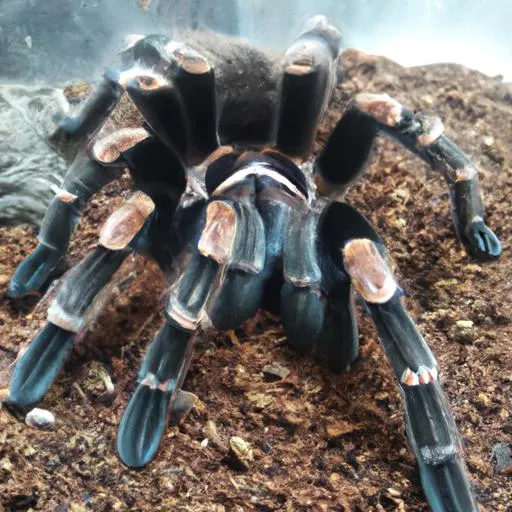
What Makes a Tarantula ‘Largest’?
When we talk about the ’largest tarantula,’ we’re typically referring to the species that boasts the greatest size, measured by leg span and body weight. The sheer scale of these arachnids is fascinating, making them a subject of awe and curiosity. These colossal creatures often dwarf other spiders, capturing the attention of both scientists and enthusiasts. But what exactly defines ’largest’? It’s a combination of factors, primarily focusing on the overall dimensions. Length is important, but tarantula size is often gauged by leg span – the distance from the tip of one leg to the tip of the opposite leg. Weight also plays a significant role, as some tarantulas are incredibly heavy, adding to their impressive stature. These metrics help us to determine the true giants of the tarantula world.
Size Matters The Giant Goliath Birdeater (Theraphosa blondi)
The title of ’largest tarantula’ is typically held by the Goliath Birdeater (Theraphosa blondi). This South American giant is a sight to behold, with a leg span that can reach up to 12 inches (30 cm) or more. This impressive size makes it one of the largest spiders in the world. The Goliath Birdeater’s sheer size isn’t just about length; it’s also about mass. These tarantulas can weigh over 6 ounces (170 grams), making them the heaviest spider on the planet. Their robust build and intimidating appearance are a testament to their dominance in their habitat. While the Goliath Birdeater’s size is the most well-known, it’s not the only characteristic that defines it. Its impressive size makes it a fascinating creature to study and observe.
Goliath Birdeater Size: Measuring Up

Measuring a Goliath Birdeater is a meticulous process, but the results are astounding. Leg span is the most common metric, with mature females often reaching the upper end of the size range. A fully grown Goliath Birdeater can have a leg span that easily surpasses a dinner plate. This measurement provides a quick visual of the tarantula’s impressive dimensions. Body length, from fangs to abdomen, can reach up to 4 inches (10 cm) or more. This makes the Goliath Birdeater an imposing presence. Their size has been noted by many people. Their size has a significant impact on their ecological role, as they are apex predators capable of taking down substantial prey.
Goliath Birdeater Weight: The Heavyweight Champion
Weight is another key factor when considering the largest tarantulas. The Goliath Birdeater is not just long; it is also incredibly heavy. Weighing them is a tricky business. The Goliath Birdeater can weigh over 6 ounces (170 grams). This heft is due to their large bodies, substantial musculature, and thick exoskeletons. The weight contributes to their overall presence and the energy they expend in hunting. Their weight is a key factor in understanding their overall size. The weight is significant, making it one of the heaviest spiders in the world.
Where Does the Largest Tarantula Live?
The Goliath Birdeater is native to the rainforests of South America. They are commonly found in the tropical rainforests of northern South America, including countries such as Brazil, Venezuela, Guyana, Suriname, and French Guiana. Their preferred habitat consists of humid environments with dense vegetation, where they can build their burrows. These areas provide the ideal conditions for hunting and shelter. They are not found anywhere else in the world. The location is a testament to their specific habitat requirements.
Goliath Birdeater’s Amazon Habitat

The Amazon rainforest is the Goliath Birdeater’s primary home. The lush, humid environment and abundant prey make it an ideal place for these massive spiders. The rainforest provides ample cover in the form of dense foliage, fallen logs, and leaf litter, which help them hide from predators and ambush prey. The constant humidity and warm temperatures are also vital for their survival, as they require a specific climate to thrive. The Amazon rainforest is a crucial part of their survival, providing food, water, and protection. This habitat is also home to a variety of other creatures.
The Goliath Birdeater’s Diet: What’s on the Menu?
Despite its name, the Goliath Birdeater rarely consumes birds. Their diet consists mainly of insects, worms, and other invertebrates. However, they are also known to eat small vertebrates, such as lizards, frogs, and even small snakes. Their powerful fangs and potent venom allow them to subdue their prey effectively. Their diet is quite diverse. They are opportunistic hunters. The Goliath Birdeater plays a vital role in its ecosystem, controlling populations of insects and small animals. Their hunting strategies and dietary habits make them an essential part of the Amazon’s food web.
What Does the Goliath Birdeater Eat
As ambush predators, Goliath Birdeaters typically wait in their burrows or concealed locations until prey comes within striking distance. They use their sensitive hairs and vibrations to detect movement. Once prey is close enough, they launch a swift attack, injecting venom to paralyze it. They then use their chelicerae (fangs) to break down the prey. Their diet typically includes large insects, like beetles and crickets, which are common in their habitat. They also consume earthworms, and, occasionally, small vertebrates. The variety in their diet helps ensure they get all the nutrients they need to maintain their size. They may also consume a wider range of small creatures depending on the availability of food.
The Goliath Birdeater: A Comparison with Other Tarantulas

While the Goliath Birdeater holds the crown for size, several other tarantula species are also noteworthy. Comparing the Goliath Birdeater to these other species provides a fascinating look at the diversity of the tarantula family. Some tarantulas, like the Heteroscodra maculata, are known for their speed and defensive behavior. Others, such as the Brazilian White Knee tarantula, are prized for their striking appearance and relatively docile nature. These comparisons reveal the unique characteristics of each species. They can include size, temperament, coloration, and habitat preference. Understanding these differences allows us to appreciate the incredible range of tarantulas. Many of these species exhibit fascinating adaptations to their specific environments.
Tarantula Comparison: Size and Appearance
When comparing the Goliath Birdeater to other tarantulas, size is a key differentiator. The Goliath Birdeater far exceeds many other species in both leg span and weight. However, other tarantulas are still notable. For example, the Theraphosidae family includes several large species, such as the Pinkfoot goliath. These can still reach considerable sizes, though not as large as the Goliath Birdeater. Appearance is another key difference. The Goliath Birdeater is a relatively drab brown, while many other species have vibrant colors and patterns. Some have stripes and contrasting hues. These differences in size and appearance are critical for understanding the evolutionary adaptations. The comparison offers insight into the different ways these creatures thrive in their habitats.
Other Large Tarantula Species to Know
Besides the Goliath Birdeater, other tarantula species also command attention due to their size. The various species of the Theraphosidae family, such as the Pinkfoot Goliath, and the Poecilotheria genus, are of significant size. They all have impressive leg spans and robust bodies. These tarantulas offer a glimpse into the diversity within the spider family. Some species have fascinating behaviors, such as the arboreal tarantulas, which live in trees. Others are known for their defensive behaviors. Each species exhibits a unique set of characteristics that make them intriguing. This also helps us appreciate the variety within this amazing group.
How to Identify the Largest Tarantula

Identifying the Goliath Birdeater and other large tarantulas can be done by looking at certain features. The sheer size and leg span are the primary indicators. However, other characteristics can also help in identification. The Goliath Birdeater has a distinctive appearance, with a brown body covered in coarse hairs. They also have prominent fangs, that reflect their predatory lifestyle. By knowing these features, you can distinguish the Goliath Birdeater from similar species. This makes it easier to appreciate these giants. The specific features help identify a tarantula.
Identifying Features and Characteristics
The Goliath Birdeater, like all tarantulas, has key physical features that help with identification. The most noticeable are the size and leg span. A fully grown Goliath Birdeater can have a leg span that is greater than 10 inches. The Goliath Birdeater has a heavy body. The Goliath Birdeater has large fangs, or chelicerae. The coarse, brown hairs covering its body are another distinctive characteristic. Additionally, the Goliath Birdeater’s behavior, such as its defensive stance when threatened, is a useful identification marker. They also have small sensory hairs. These features provide insight into their world.
Conservation Status of the Goliath Birdeater
Understanding the conservation status of the Goliath Birdeater is crucial. While not currently classified as endangered, these tarantulas face threats. Habitat loss due to deforestation is a primary concern. They are native to the rainforests. Their habitat is constantly under pressure from human activities. The illegal pet trade also poses a risk, as these spiders are sometimes collected from the wild. Conservation efforts are essential to ensure their survival. Conservation status of the Goliath Birdeater is also something to consider. By understanding their conservation status, we can all learn what needs to be done.
The Goliath Birdeater: Threats and Conservation

The Goliath Birdeater faces several threats that could affect its long-term survival. Deforestation is a leading threat. It destroys the rainforest habitat. Another threat is the illegal pet trade. It can lead to over-collection. Conservation efforts must address these threats. Protecting their habitat is vital. Supporting sustainable practices and educating the public are essential. Raising awareness about the Goliath Birdeater’s ecological role is crucial for garnering support for conservation. These strategies are essential for ensuring that future generations can appreciate this impressive species. These conservation efforts can ensure the Goliath Birdeater continues to thrive.