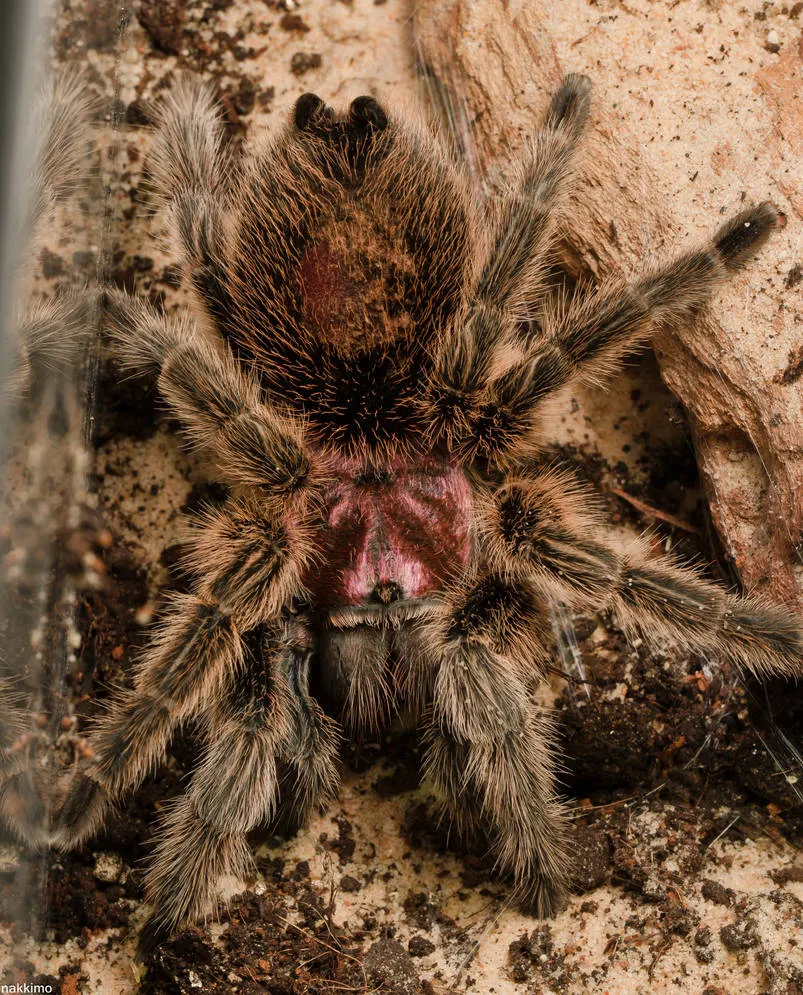
Top 5 Facts about Male Chilean Rose Tarantulas
The Chilean Rose Tarantula (Grammostola rosea) is a popular pet tarantula, and understanding the differences between male and female specimens is crucial for any keeper. Male Chilean Rose Tarantulas, while often sharing similar characteristics with their female counterparts, possess unique traits that set them apart. These differences are important not only for identification but also for understanding their behavior and role within the species. Knowing these facts can greatly enhance your experience with these fascinating creatures, whether you’re a seasoned enthusiast or a curious beginner. This guide will break down the top 5 facts about male Chilean Rose Tarantulas.
Fact 1: Appearance Differences
While the overall appearance of male and female Chilean Rose Tarantulas can seem similar at first glance, several subtle differences become apparent as they mature. These distinctions are important for accurate sexing of the tarantula and provide insight into their life stages. The coloration and physical structure provide clues.
Carapace Coloration

Male Chilean Rose Tarantulas may exhibit slightly different carapace coloration compared to females. Often, their carapaces appear a bit lighter or less vibrant, particularly after a molt. However, this is not always a reliable indicator, as coloration can vary based on individual genetics, diet, and the age of the tarantula. Careful observation and comparison with other traits are necessary for accurate identification. The coloration is also often impacted by how often they molt.
Leg Span and Size
Generally, male Chilean Rose Tarantulas tend to have a slightly smaller overall body size and a narrower abdomen compared to females. Their leg span may also be somewhat less, though this can be difficult to gauge without a direct comparison. This size difference is often more noticeable as they reach adulthood, with females typically becoming more robust. Size comparison can be observed by the molt skin. The size comparison should be done carefully not to stress the tarantula.
Fact 2: Maturity and Lifespan
The life cycle of a male Chilean Rose Tarantula is notably different from that of a female. Understanding these differences is essential for responsible pet ownership and breeding. The male’s journey involves a shorter lifespan and a distinctive approach to reaching maturity.
Molting and Sexual Maturity

Male Chilean Rose Tarantulas reach sexual maturity after a specific number of molts, which can vary depending on factors like environmental conditions and feeding. Once they reach maturity, the final molt results in the development of the necessary reproductive organs. After their final molt, they are ready to mate and are therefore considered adults. This final molt is a critical point in their life cycle, and it signifies the end of their growth phase. The spermatogenesis is also essential for mating with the females.
Lifespan Comparison
The lifespan of male Chilean Rose Tarantulas is considerably shorter than that of females. While females can live for 20 years or more, males typically live for only 1 to 3 years after reaching maturity. This difference is primarily due to their role in reproduction and the stresses associated with mating. Their shorter lifespan underlines the need for responsible breeding practices and awareness of their life cycle.
Fact 3: Behavior and Temperament
The behavior and temperament of male Chilean Rose Tarantulas can vary slightly compared to females. Understanding these nuances is important for providing appropriate care and handling. Their activity levels, and their mating behaviors all influence their daily routines.
Activity Levels

Male Chilean Rose Tarantulas may become more active as they mature, particularly when searching for a mate. This increased activity can result in more frequent exploration of their enclosure. They may be seen pacing the enclosure more often than females. This is due to the hormonal changes associated with reaching sexual maturity, which drive their search for a receptive female. Ensure the enclosure is secure to prevent escape.
Mating Behavior
The mating behavior of male Chilean Rose Tarantulas involves a complex series of rituals. Males will often drum on the substrate or web with their pedipalps and legs to attract a female. If a female is receptive, they will engage in a mating dance, which is then followed by the male depositing sperm into the female’s spermatheca. This behavior is a key part of their life cycle, and can be observed in a controlled environment. If you want to breed your tarantulas you should understand the mating behavior.
Fact 4: Identifying Features
Accurately identifying the sex of a Chilean Rose Tarantula is essential for proper care and breeding purposes. Several distinct features can help differentiate between males and females. The most important aspect is the structure of the pedipalps.
Bulbs on Pedipalps

One of the most reliable ways to identify a male Chilean Rose Tarantula is by observing the presence of bulbous structures on the tips of their pedipalps, also known as ‘boxing gloves’. These bulbs are used to store sperm and are a clear indicator of sexual maturity in males. These bulbs are not visible in immature specimens, which is why sexing them can be challenging until they molt into adulthood. These are key in differentiating the males.
Spermatheca Absence
Female Chilean Rose Tarantulas possess spermatheca, which are internal structures used to store sperm after mating. Males do not have these. The absence of these structures is another key difference between males and females. Identifying these differences can be very difficult, which is why they are mostly identified through the bulbs.
Fact 5: Importance for Breeders
For those interested in breeding Chilean Rose Tarantulas, understanding the characteristics of males is critical. Selecting healthy, mature males and managing the breeding process effectively can greatly increase the chances of successful reproduction. These aspects include how the male is selected and used.
Breeding Success and Genetics

The success of breeding Chilean Rose Tarantulas relies heavily on the health and quality of the male. Breeders must select males that are mature, healthy, and free from any genetic defects. The male’s genetics will directly impact the offspring, so it’s important to choose wisely. A good mating can result in many offspring, and a high success rate. The selection of a healthy male is an important aspect.
Male Role in Reproduction
The male Chilean Rose Tarantula plays a crucial role in the reproductive process, but his involvement is limited to mating. After mating, the male’s role is complete. The female will then lay her eggs and care for the eggs, which the male has no role in. Understanding the male’s behavior and how to introduce him to the female is key to a successful breeding outcome. Male and female should be monitored during and after the mating process.
In conclusion, understanding the key characteristics of male Chilean Rose Tarantulas is essential for any enthusiast or keeper. From their physical appearance and shorter lifespan to their unique behaviors and importance in breeding, these fascinating creatures offer a wealth of knowledge. By recognizing the features, you can better appreciate and care for these captivating arachnids.