Mexican Red Knee Tarantula Facts
The Mexican Red Knee Tarantula (Brachypelma hamorii), a captivating and popular species in the tarantula world, is renowned for its striking appearance and relatively docile temperament. Native to the arid scrublands and tropical deciduous forests of the Pacific coast of Mexico, this spider has captured the hearts of many pet enthusiasts. This article delves into ten amazing facts about the Mexican Red Knee Tarantula, offering a comprehensive understanding of this fascinating arachnid. From its physical attributes and habitat to its behavior and conservation status, you’ll discover what makes the Mexican Red Knee Tarantula so unique and sought after.
Appearance and Physical Traits
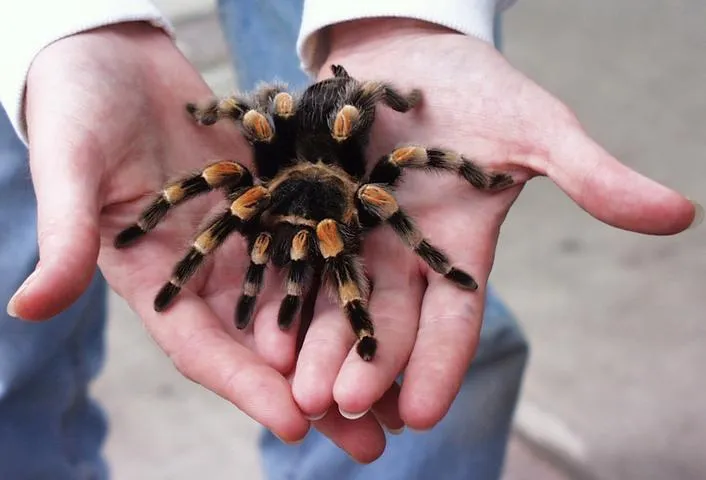
The Mexican Red Knee Tarantula is instantly recognizable due to its vibrant coloration. As juveniles, they exhibit a striking pattern of black and orange bands on their legs. This color scheme, along with its overall size, makes it an attractive species for both novice and experienced tarantula keepers. The carapace, or the top part of the cephalothorax, is typically a rich brown or black, providing a stark contrast to the bold orange or reddish-orange bands on their leg joints. The abdomen is covered with urticating hairs, which they use as a defense mechanism.
Size and Lifespan

These tarantulas are medium to large in size, with females generally larger than males. Adult females can have a leg span of up to 6 inches, while males are often slightly smaller. A key aspect of their life cycle is their longevity. Females have a remarkably long lifespan, often living for 20-30 years or even longer under optimal conditions. Males, however, have a much shorter lifespan, typically only living for 5-10 years after reaching maturity. Their growth rate is influenced by factors like feeding and temperature, with the molting process, shedding their exoskeleton, a critical part of their growth.
Coloration and Markings
The most defining characteristic of the Mexican Red Knee Tarantula is its vibrant coloration. The alternating bands of black and reddish-orange on their legs give them their distinctive appearance. The intensity of the colors can vary slightly depending on the individual spider and its age. Juveniles often display more vivid colors, which may fade slightly as they mature. The contrast between the black body and the vibrant leg markings makes them visually striking. Proper lighting and a healthy diet can help enhance these colors, making them even more appealing to keepers. The overall coloration serves as a warning to potential predators, indicating they possess defensive capabilities.
Habitat and Native Environment
Understanding the natural habitat of the Mexican Red Knee Tarantula is crucial for providing the best care in captivity. These tarantulas are native to the Pacific coast of Mexico, specifically the states of Guerrero and Michoacán. They thrive in semi-arid scrublands, tropical deciduous forests, and occasionally in burrows. They often inhabit burrows that they create themselves or occupy abandoned rodent burrows. The temperature in their natural environment is generally warm, with moderate humidity levels. Replicating these conditions in a terrarium is key to the tarantula’s health and well-being. The substrate, temperature, and humidity levels must mimic their natural environment.
Origin and Natural Range

The natural range of the Mexican Red Knee Tarantula is limited to the Pacific coast of Mexico. Within this region, they are primarily found in specific states that offer the appropriate environmental conditions. The discovery and scientific classification of this species have led to a greater understanding of its ecological role. Their presence is an indicator of a healthy ecosystem, and their conservation is vital for preserving biodiversity in their native habitats. Their distribution is often influenced by factors such as climate, vegetation, and the availability of suitable burrows.
Behavior and Temperament
Mexican Red Knee Tarantulas are generally known for their docile and calm temperament, making them a popular choice for beginner tarantula keepers. However, like all tarantulas, they can exhibit defensive behaviors when threatened. These spiders are typically nocturnal, meaning they are most active during the night. While they are not social creatures, they tend to tolerate humans well, especially when handled gently. Observing their behaviors, like burrowing or grooming, provides insights into their needs and well-being. They can also be observed taking food, which is another interesting behavior to watch.
Activity Levels
The activity levels of Mexican Red Knee Tarantulas vary. They spend a significant amount of time in their burrows or hiding places, especially during the day. At night, they become more active, venturing out to hunt for food or explore their enclosures. The presence of appropriate hiding places and a suitable substrate contributes to their sense of security, thus influencing their activity levels. Environmental factors like temperature and humidity also play a role in their activity levels. Providing an enriching environment can encourage more natural behaviors and enhance their overall well-being.
Defensive Mechanisms

When threatened, Mexican Red Knee Tarantulas employ several defensive mechanisms. Their primary defense is the use of urticating hairs, which they flick off their abdomen toward the threat. These hairs cause intense irritation to the skin and eyes. They may also exhibit a threat posture, raising their front legs and fangs. While bites are rare, the bite can be painful, though not usually medically significant to humans. Understanding these defense mechanisms is essential for responsible tarantula keeping, ensuring both the spider’s and the keeper’s safety. Avoiding sudden movements and providing a secure environment reduces the likelihood of defensive behaviors.
Urticating Hairs
Urticating hairs are a crucial part of the Mexican Red Knee Tarantula’s defense strategy. These tiny, barbed hairs are located on the abdomen and can be flicked off when the spider feels threatened. The hairs cause an intense itching sensation and irritation upon contact with skin or eyes. This is one of the main reasons why tarantula keepers need to take precautions while handling their tarantulas. Careful handling techniques and avoiding direct contact with the abdomen help minimize the risk of exposure. If urticating hairs come into contact with the skin, thoroughly washing the affected area can alleviate the irritation.
Feeding Habits and Diet
Mexican Red Knee Tarantulas are primarily insectivores, meaning their diet consists mainly of insects. In the wild, they feed on a variety of insects, including crickets, grasshoppers, and other invertebrates. In captivity, a balanced diet of commercially available crickets, roaches, and other appropriate feeder insects is essential for their health. The frequency of feeding depends on the spider’s age and size; juveniles require more frequent feedings. Always remove uneaten food items to prevent mold and mites from forming in the enclosure. Provide fresh water in a shallow dish to ensure proper hydration and overall well-being.
Prey and Nutritional Needs

The nutritional needs of Mexican Red Knee Tarantulas are met through a balanced diet of appropriately sized insects. The insects offered should be gut-loaded, meaning they are fed a nutritious diet before being offered to the tarantula. This increases the nutritional value for the tarantula. Supplementing the diet with occasional treats, such as small mealworms or waxworms, can provide variety, but should be offered sparingly. Ensuring a varied diet is important for overall health. The tarantula’s growth and well-being depend on this balance, which in turn ensures their long life.
Reproduction and Life Cycle
The reproduction cycle of Mexican Red Knee Tarantulas is a fascinating aspect of their life cycle. The process involves several steps, from mating to the development of spiderlings. Once the female reaches maturity, the male initiates courtship, which can be complex. After mating, the female will lay an egg sac, which she carefully guards until the spiderlings hatch. Understanding the life cycle, from the initial molts to the process of mating, is crucial for successful breeding. The breeding process provides an excellent view of the natural behaviors of these tarantulas.
Mating Rituals
Mating rituals of the Mexican Red Knee Tarantula can be intricate and fascinating. The male will often drum on the substrate to attract the female. During the mating process, the male must approach the female cautiously to avoid being attacked. The female’s behavior determines whether the mating is successful. If successful, the male deposits sperm into the female’s spermatheca. After mating, the male may need to quickly retreat to avoid becoming a meal for the female. This courtship is a critical part of the tarantula’s life cycle, ensuring the continuation of the species.
Egg Sac and Spiderlings

After mating, the female Mexican Red Knee Tarantula will create an egg sac, which protects the developing eggs. The female carefully guards the egg sac, ensuring optimal conditions for the developing spiderlings. The incubation period can vary depending on environmental factors, such as temperature and humidity. After hatching, the spiderlings are cared for by the mother for a short time before dispersing. This stage is critical, with the mother providing essential protection. The first molt is the start of the spiderlings’ independent life. Understanding the early stages of the spiderlings’ development gives us deeper insight into the whole lifecycle.
Popularity as Pets
The Mexican Red Knee Tarantula is a popular choice for pet owners due to its striking appearance, docile temperament, and manageable care requirements. The tarantula’s beauty, coupled with its relatively low-maintenance needs, makes it attractive for both beginners and experienced keepers. Proper handling techniques, maintaining the appropriate habitat, and ensuring a good diet contribute to the spider’s well-being. Furthermore, their longevity adds to their appeal, allowing owners to enjoy their tarantulas for many years. Their popularity has also contributed to conservation efforts, as many keepers have a keen interest in the species.
Care and Housing Requirements
Caring for a Mexican Red Knee Tarantula involves providing the appropriate habitat and ensuring its health and safety. A suitable enclosure is essential, with a minimum size that is appropriate for the spider’s size. The enclosure should include a substrate that mimics the tarantula’s natural environment. The substrate should be at least twice as deep as the tarantula’s leg span. Maintaining the correct temperature and humidity levels is important for their health. Providing a shallow water dish and a hide, such as a piece of cork bark, completes their living space. These factors are important for the long-term health of the tarantula.
Common Health Issues

While generally hardy, Mexican Red Knee Tarantulas can be susceptible to certain health issues. Dehydration, often caused by insufficient water or low humidity, is a common issue. Other problems include injuries during molting and parasitic infections. Keeping the enclosure clean and monitoring the tarantula’s behavior helps in detecting any problems early. A balanced diet and appropriate environmental conditions are essential to prevent such health issues. Recognizing signs of distress, such as lethargy or loss of appetite, requires prompt attention and care. Regular monitoring is vital.
Conservation Status and Threats
The Mexican Red Knee Tarantula’s conservation status is of concern, as their populations in the wild face several threats. Habitat loss due to deforestation and human development poses a significant risk. Illegal pet trade activities also contribute to population declines. Conservation efforts are vital to protect these beautiful arachnids. Sustainable practices and responsible pet ownership can help preserve the species. Raising awareness about the importance of conservation and supporting organizations dedicated to tarantula preservation helps ensure that the species survives and thrives.
In conclusion, the Mexican Red Knee Tarantula is an amazing species with many unique characteristics, from its distinctive appearance to its manageable temperament. Knowing these ten amazing facts about them provides insights into the lives of these fascinating creatures. Responsible pet ownership, combined with efforts to protect their natural habitats, is essential for the continued survival of this remarkable tarantula.