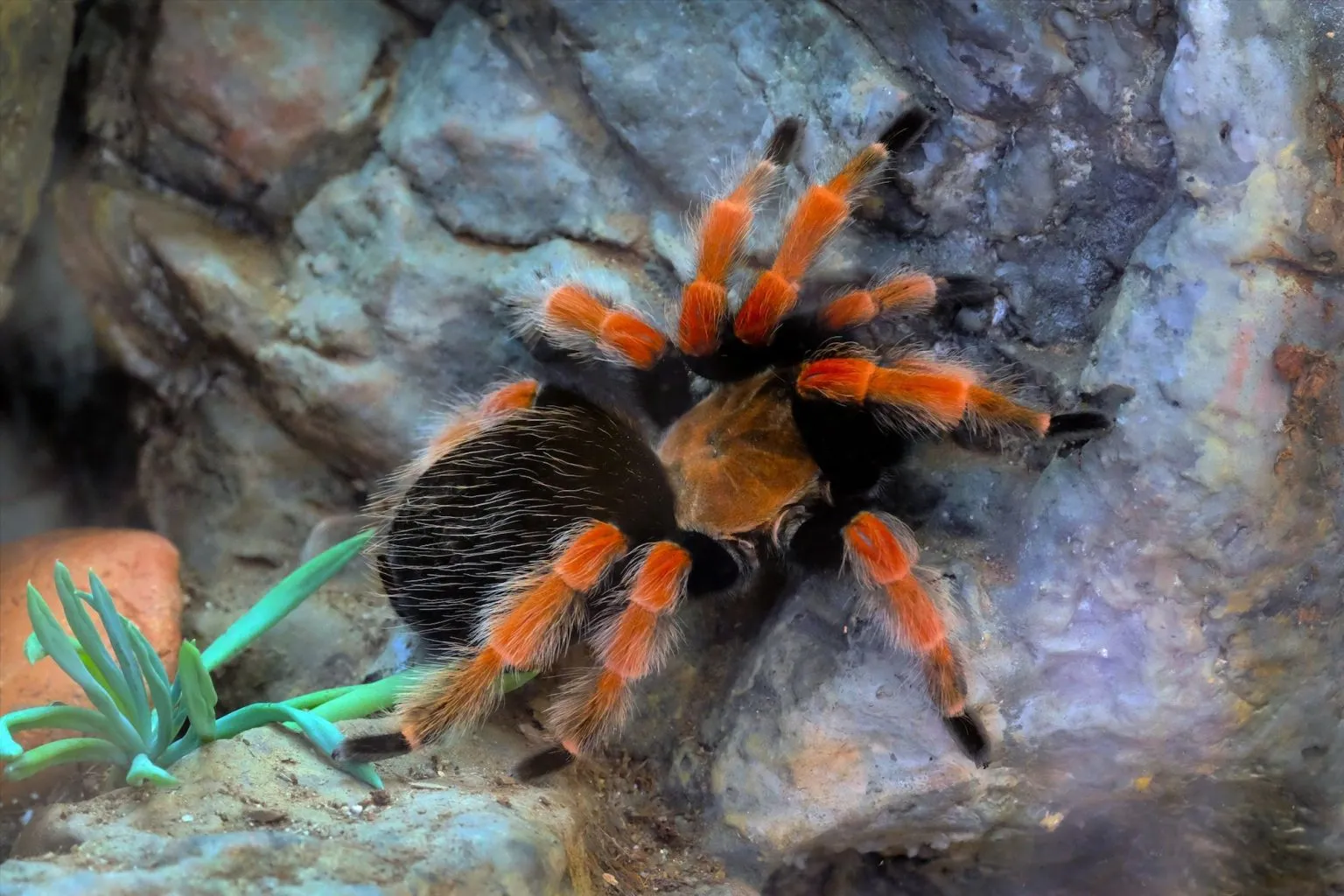
Understanding the Mexican Red Knee Tarantula
The Mexican Red Knee Tarantula (Brachypelma hamorii) is a popular and captivating pet, renowned for its striking appearance and relatively docile temperament. Native to the arid scrublands and tropical forests of the Pacific coast of Mexico, these spiders have become a favorite among both novice and experienced arachnid keepers. This comprehensive guide provides everything you need to know to care for a Mexican Red Knee Tarantula, ensuring its health, happiness, and longevity. By understanding their specific needs, you can create an environment where your tarantula thrives, allowing you to enjoy the fascinating world of these incredible creatures.
Origin and Habitat
Mexican Red Knee Tarantulas originate from the Pacific coast of Mexico, specifically in areas with dry scrublands and tropical forests. They are terrestrial spiders, meaning they live on the ground, where they create burrows or utilize existing shelters like rock crevices or abandoned rodent burrows. In their natural habitat, they experience distinct dry and rainy seasons, which influence their behavior and needs. Replicating these environmental conditions is crucial for providing a comfortable and healthy life for your pet tarantula, ensuring it thrives and exhibits natural behaviors.
Appearance and Characteristics

The Mexican Red Knee Tarantula is easily recognizable due to its striking coloration and large size. Adults can reach a leg span of up to 6 inches (15 cm), with females typically being larger than males. Their bodies are covered in a dense coat of urticating hairs, which they can flick off as a defense mechanism if they feel threatened. The most prominent feature is the vibrant red-orange bands on their leg joints, contrasting beautifully with their black legs and carapace. These tarantulas are relatively long-lived, with females capable of living for 20-30 years, while males typically live for 5-10 years, making them a long-term companion for any pet owner.
Creating the Ideal Habitat
Creating the right environment is paramount to the health and well-being of your Mexican Red Knee Tarantula. The enclosure should mimic their natural habitat, providing both security and the necessary conditions for them to thrive. Consider factors such as the enclosure’s size, substrate, temperature, and humidity. A well-designed habitat will reduce stress, promote natural behaviors, and make your tarantula feel safe and secure in its captive environment. This careful attention to detail is essential for responsible tarantula ownership and enjoyment of your pet.
Choosing the Right Enclosure
The enclosure should be appropriately sized, allowing for ample space to move around, explore, and burrow. A good rule of thumb is to provide an enclosure that is at least three times the tarantula’s leg span in width and length. For a juvenile, a 5-gallon tank might suffice, while an adult will need a 10-20 gallon terrarium. Ensure the enclosure has a secure, well-fitting lid to prevent escape and provide adequate ventilation to avoid the buildup of excessive moisture. Consider a front-opening enclosure to ease maintenance and handling, providing a more secure and less stressful experience for both you and your tarantula.
Substrate Selection

The substrate serves as the floor of your tarantula’s enclosure, providing both a comfortable surface and a means to burrow, mimicking their natural behavior. A mixture of substrates is often ideal, such as a blend of coco fiber, peat moss, and a small amount of vermiculite. This combination provides good moisture retention while allowing for burrowing. Avoid substrates like sand or gravel, which can be abrasive and may not allow for proper burrowing. The substrate should be deep enough for your tarantula to burrow, usually 4-6 inches for an adult. Regularly monitor the substrate for cleanliness and replace it as needed.
Temperature and Humidity
Maintaining the correct temperature and humidity levels is crucial for the health and well-being of your Mexican Red Knee Tarantula. The ideal temperature range is between 75-85°F (24-29°C). You can use a heat mat placed on the side of the enclosure to provide warmth. Avoid placing the heat mat directly under the enclosure, as this can cause the substrate to dry out too quickly. Humidity levels should be kept between 60-70%. Regularly misting the enclosure with water or providing a shallow water dish will help maintain appropriate humidity. Use a hygrometer to monitor humidity levels, ensuring that you maintain the right balance for your tarantula’s health and comfort.
Feeding Your Tarantula
Feeding your Mexican Red Knee Tarantula is a straightforward process, but understanding its needs is essential for its health and development. These tarantulas are voracious eaters, and their diet primarily consists of insects. Providing a varied and appropriate diet ensures they receive the necessary nutrients and maintains their vitality. Adjust the diet based on the tarantula’s age and size, always ensuring the food is safe and the process is done carefully.
What to Feed

The main diet for a Mexican Red Knee Tarantula should consist of appropriately sized insects. Good choices include crickets, mealworms, and dubia roaches. The size of the insects should be proportionate to the tarantula’s size; the prey should be no larger than the tarantula’s body. Avoid feeding your tarantula wild-caught insects, as they may carry parasites or pesticides. Always dust the feeder insects with a calcium and vitamin supplement to ensure your tarantula receives essential nutrients for proper growth and a healthy exoskeleton. Variety in the diet is crucial for optimal health.
Feeding Frequency
The feeding frequency depends on the tarantula’s age and growth stage. Young tarantulas (spiderlings) should be fed 2-3 times per week, while adult tarantulas can be fed once every 1-2 weeks. Observe your tarantula’s abdomen; a well-fed tarantula will have a plump abdomen, while a thin abdomen may indicate the need for more frequent feeding. Always remove any uneaten insects within 24 hours to prevent stress for the tarantula and potential health issues. Adjust the feeding schedule based on the tarantula’s appetite and overall health.
Water and Hydration
Providing a constant supply of fresh water is vital for the health and well-being of your tarantula. A shallow water dish should always be available, allowing the tarantula to drink as needed. Use a small, stable dish that is easily accessible and does not pose a drowning hazard. Change the water regularly, at least once or twice a week, to keep it clean and prevent the growth of bacteria. You can also lightly mist the enclosure to increase humidity, ensuring that your tarantula has adequate hydration and a comfortable environment.
Handling and Safety

While Mexican Red Knee Tarantulas are generally docile, handling them should be approached with caution and respect. Although their venom is not considered medically significant to humans, their urticating hairs can cause skin irritation. It is vital to understand safe handling practices and recognize any stress signs to avoid any potential harm. By practicing caution and following safety guidelines, you can minimize risks and ensure a positive experience for both you and your tarantula.
Safe Handling Practices
Handling should be kept to a minimum, as it can be stressful for the tarantula. If handling is necessary, do so in a safe environment, such as over a soft surface, to prevent injury if the tarantula falls. Never force the tarantula to move; instead, allow it to walk onto your hand. Wash your hands thoroughly before and after handling to prevent contamination. Be aware of their urticating hairs; avoid touching your eyes or face after handling your tarantula or interacting with its enclosure. Always supervise children when they are near the tarantula’s enclosure.
Recognizing Stress Signs
It is important to recognize the signs of stress in your tarantula. If a tarantula feels threatened or stressed, it may raise its front legs in a defensive posture, flick its urticating hairs, or try to escape. If you observe these behaviors, it is best to leave the tarantula alone and allow it to retreat to its burrow or shelter. Other signs of stress include loss of appetite, hiding, or changes in behavior. By observing and understanding your tarantula’s behavior, you can ensure it remains comfortable and avoid unnecessary stress, contributing to a longer and healthier life.
Common Health Issues and Solutions

Like all pets, Mexican Red Knee Tarantulas can be susceptible to certain health issues. While these tarantulas are generally hardy, it is important to understand the common problems that may arise and how to address them. By recognizing the signs of illness and providing prompt care, you can ensure that your tarantula lives a long and healthy life. Regular observation and proactive care are the cornerstones of responsible tarantula ownership.
Moulting Process
Moulting is a natural process where the tarantula sheds its exoskeleton to grow. During moulting, your tarantula will typically stop eating and may become less active. It may also lie on its back. Do not disturb your tarantula during this vulnerable time. Provide a humid environment and leave the tarantula alone. Once the moulting process is complete, the new exoskeleton will be soft for a while, and your tarantula will be very vulnerable. Do not feed the tarantula until its exoskeleton has fully hardened, usually about a week or two after the moult. This cycle repeats throughout its life, and understanding this process is crucial for proper care.
Preventing Parasites and Diseases
Preventing parasites and diseases is crucial for maintaining the health of your Mexican Red Knee Tarantula. Always source feeder insects from reputable suppliers to minimize the risk of introducing parasites or diseases. Maintain a clean enclosure by removing any uneaten food, fecal matter, and dead insects promptly. Avoid overcrowding, as this can increase the risk of disease transmission. Regularly monitor the tarantula for any signs of illness, such as loss of appetite, lethargy, or unusual behaviors. If you suspect your tarantula is ill, consult a veterinarian who specializes in exotic animals.
Breeding and Reproduction

Breeding Mexican Red Knee Tarantulas can be a fascinating but complex process. It is essential to have a good understanding of the tarantulas’ needs and the specific requirements of breeding before attempting it. From identifying the sex of your tarantulas to understanding the mating process and caring for the eggs, careful preparation is key for success. Responsible breeding practices are vital for the health and well-being of both the adult tarantulas and their offspring.
Identifying Sex
Identifying the sex of a Mexican Red Knee Tarantula is essential for breeding. The most reliable method is to examine the tarantula’s molt. In females, the presence of a spermatheca (a sac-like structure) can be seen on the underside of the molt. Males, on the other hand, will have modified pedipalps (the small appendages near their mouth) that are used for mating. Determining the sex accurately is critical to successful breeding. If you are unsure, consulting an experienced breeder or a veterinarian specializing in exotic animals is recommended.
Mating and Egg Sacs
Mating a Mexican Red Knee Tarantula involves introducing a mature male to a mature female’s enclosure. The female may or may not be receptive. If she is receptive, the male will use his pedipalps to deposit sperm into the female. After mating, the female will typically lay eggs and encase them in an egg sac. The egg sac will be guarded by the female, and the spiderlings will hatch within a few weeks. Breeding this species requires a specialized setup and is a commitment. Careful planning is necessary to ensure the health and well-being of both the adult tarantulas and the spiderlings.
Conclusion
Caring for a Mexican Red Knee Tarantula can be a rewarding experience. By understanding their specific needs, providing a suitable habitat, and practicing responsible handling, you can ensure the well-being of your pet. With proper care, these fascinating creatures can thrive and bring joy to your home for many years. Remember to always prioritize your tarantula’s health and safety, and you’ll enjoy a unique and enriching pet-keeping experience.