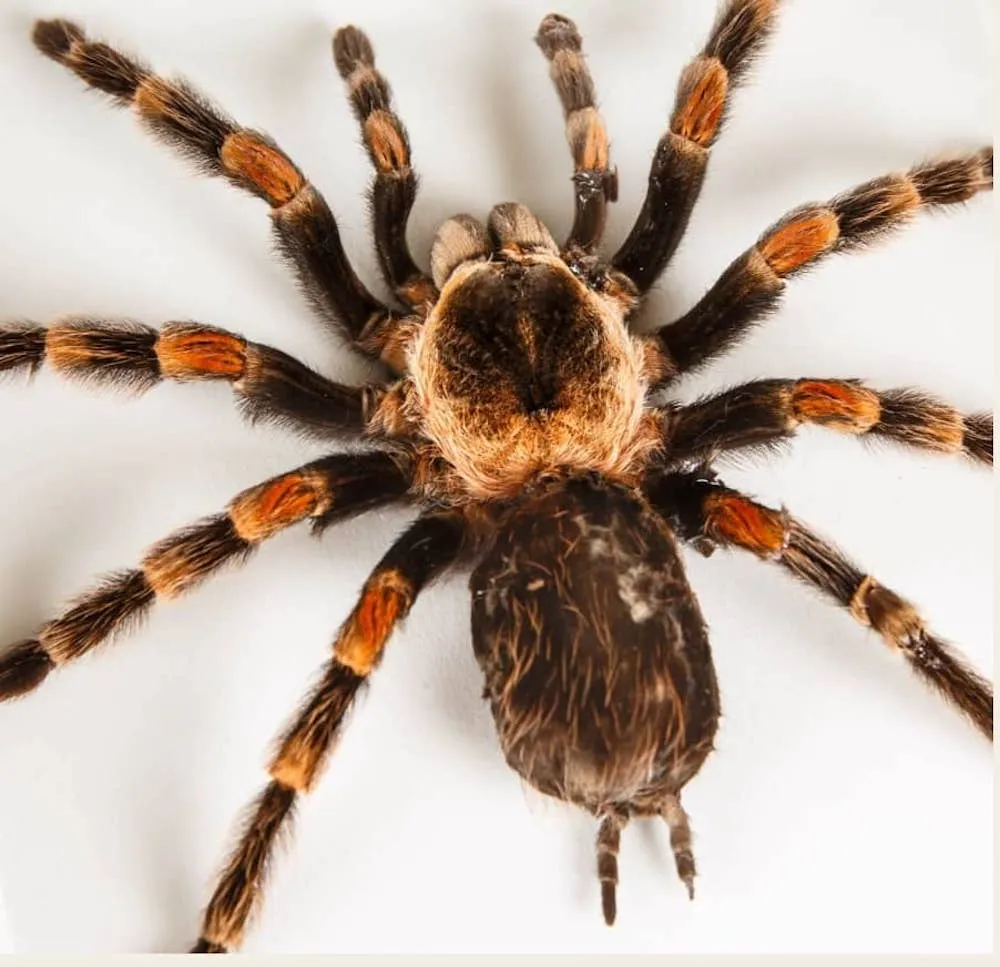
The Mexican Red Knee Tarantula, Brachypelma hamorii, is a captivating and relatively docile species, making it a popular choice for tarantula enthusiasts of all levels. However, like all exotic pets, they require specific care to thrive. This guide provides the top five essential tips for ensuring your Mexican Red Knee Tarantula lives a long, healthy, and fulfilling life. From enclosure setup to feeding and handling, we’ll cover everything you need to know to become a successful tarantula keeper.
Choosing the Right Enclosure for Your Mexican Red Knee Tarantula
The enclosure is the foundation of your tarantula’s well-being. A well-chosen habitat provides security, proper ventilation, and a suitable environment for your pet to thrive. Selecting the right enclosure is paramount for the long-term health and happiness of your Mexican Red Knee Tarantula. The size and features of the enclosure will influence the tarantula’s behaviour and overall well-being, making it a crucial consideration for responsible pet ownership. Remember, a happy tarantula is a healthy tarantula, and the enclosure is a primary determinant of its contentment.
Enclosure Size and Ventilation
Adult Mexican Red Knee Tarantulas need an enclosure that is at least 10-gallon tank size, but larger is always better, especially for arboreal species. This allows for adequate space for movement and burrowing, which is essential for their natural behaviors. The enclosure should have a secure lid to prevent escape and appropriate ventilation to maintain air quality. Cross-ventilation is ideal; ensure there are air holes on opposite sides of the enclosure, allowing for proper airflow. Stagnant air can lead to health problems and mold growth.
Substrate Selection and Depth

The substrate, or bedding, is another crucial element. The depth of the substrate should be at least 4-6 inches to allow for burrowing behavior, which is a natural instinct for this species. Suitable substrate options include a mix of coconut fiber, peat moss, and a bit of vermiculite. Avoid using cedar or pine shavings, as these can be toxic to tarantulas. The substrate should retain moisture to help maintain the desired humidity levels, but it should not be overly wet, which can lead to mold growth and health problems. Regular spot cleaning is necessary to remove waste and uneaten food.
Maintaining Optimal Temperature and Humidity
Mexican Red Knee Tarantulas thrive in specific environmental conditions. Maintaining the correct temperature and humidity is vital for their health, molting process, and overall well-being. Monitoring and adjusting these factors are essential responsibilities of a tarantula keeper. Invest in a reliable thermometer and hygrometer to accurately track the conditions within the enclosure. Regular checks ensure that the environment remains stable and suitable for your pet, promoting a long and healthy life.
Temperature Requirements
The ideal temperature range for a Mexican Red Knee Tarantula is between 75°F and 85°F (24°C and 29°C). A heat source, such as a low-wattage heat mat placed on the side or back of the enclosure, can be used to maintain this temperature, especially in cooler environments. Avoid placing the heat mat directly under the enclosure, as this can lead to the substrate drying out too quickly and potentially causing burns. Ensure the heat source does not overheat the enclosure; regular monitoring with a thermometer is essential.
Humidity Levels

Humidity is also crucial. Maintain a humidity level of 60-70%. This can be achieved by misting the enclosure with dechlorinated water every few days, or as needed, to keep the substrate slightly moist. The frequency of misting depends on the ventilation and the ambient humidity in your home. Avoid over-misting, as this can lead to mold growth. Proper ventilation is critical to avoid stagnant, humid conditions that can be detrimental to the tarantula’s health.
Providing Essential Food and Water
Nutrition and hydration are fundamental aspects of tarantula care. Providing a balanced diet and access to clean water ensures your tarantula receives the necessary nutrients to thrive. The diet of a Mexican Red Knee Tarantula should be varied, consisting primarily of live insects. Water should always be available to prevent dehydration, promoting health and supporting the tarantula’s natural behaviors. Regular monitoring of your tarantula’s feeding habits can also provide valuable insights into their health and well-being.
Feeding Frequency and Prey Selection
Feed your Mexican Red Knee Tarantula appropriately sized insects, such as crickets, roaches, or mealworms. The size of the prey should be no larger than the tarantula’s abdomen. Feed juveniles once or twice a week, while adults can be fed every 1-2 weeks, depending on their appetite and condition. Remove any uneaten prey within 24 hours to prevent stress to the tarantula and potential mold growth. Vary the diet to ensure the tarantula receives a range of nutrients. Always gut-load the insects with nutritious food before feeding them to your tarantula.
Watering and Hydration

Provide a shallow water dish with fresh, clean water at all times. The dish should be shallow enough to prevent drowning, especially for smaller tarantulas. Use a water dish that is easily accessible and stable. Ensure the water dish is cleaned regularly to prevent bacterial growth. In addition to a water dish, misting the enclosure can also help to provide hydration, but do not overdo it. Dehydration can be fatal, so always ensure a source of clean water is available.
Creating a Safe and Enriched Habitat
A well-designed habitat provides not only a safe haven but also encourages natural behaviors and reduces stress. Incorporating elements that mimic the tarantula’s natural environment enhances its quality of life. This includes providing hiding places, climbing opportunities, and a stimulating environment. By creating a suitable habitat, you contribute significantly to your tarantula’s physical and psychological well-being, making it more likely to thrive. The right habitat design fosters a positive environment, promoting the overall health and happiness of your pet.
Hiding Places and Decor
Provide a hide, such as a cork bark, half log, or artificial hide, where your tarantula can retreat and feel secure. This is essential for reducing stress and allowing the tarantula to feel safe, especially during molting. You can also add other decorations, such as silk plants, to create a more naturalistic environment, but avoid anything sharp or that could potentially trap the tarantula. Ensure all decorations are clean and non-toxic. A stimulating environment promotes healthy behavior and overall well-being.
Handling and Interaction Best Practices

While Mexican Red Knee Tarantulas are relatively docile, handling them should be approached with caution and respect. Minimize handling to reduce stress for the tarantula and the risk of bites. Understanding their behavior, recognizing signs of stress, and practicing safe handling techniques are essential for both the safety of the tarantula and the handler. Proper handling techniques create a safe environment for both the owner and the pet, ensuring a positive and stress-free interaction experience.
Safe Handling Techniques
If you must handle your tarantula, do so with extreme care. Wash your hands before and after handling to remove any scents that might agitate the tarantula. Approach the tarantula calmly and gently. Never force the tarantula to move. It is generally best to let the tarantula walk onto your hand rather than trying to pick it up. Keep your hands close to a soft surface, such as a bed or couch, to prevent injury if the tarantula falls. Avoid handling during or shortly after molting, as their fangs are soft and vulnerable.
Observing Your Tarantula
Observe your tarantula regularly to monitor its behavior, appetite, and overall health. Note any changes in behavior, such as lethargy, refusal to eat, or excessive burrowing. These signs can indicate stress, illness, or an impending molt. Monitor the tarantula’s abdomen for signs of dehydration or overfeeding. A healthy tarantula should have a plump abdomen. Regularly check the enclosure for signs of pests or mold. Being observant is key to providing the best care and ensuring a long, healthy life for your pet.
Caring for a Mexican Red Knee Tarantula is a rewarding experience. By following these top five tips, you can create a thriving environment that allows your tarantula to live a long and healthy life. Remember that each tarantula is unique, and observing your pet’s behavior and adapting your care accordingly is vital. Enjoy the fascinating world of these beautiful creatures, and relish the opportunity to learn and grow as a tarantula keeper. The more you learn, the more you can appreciate the intricate lives of these amazing animals. With proper care and attention, you can enjoy the company of your Mexican Red Knee Tarantula for many years to come.