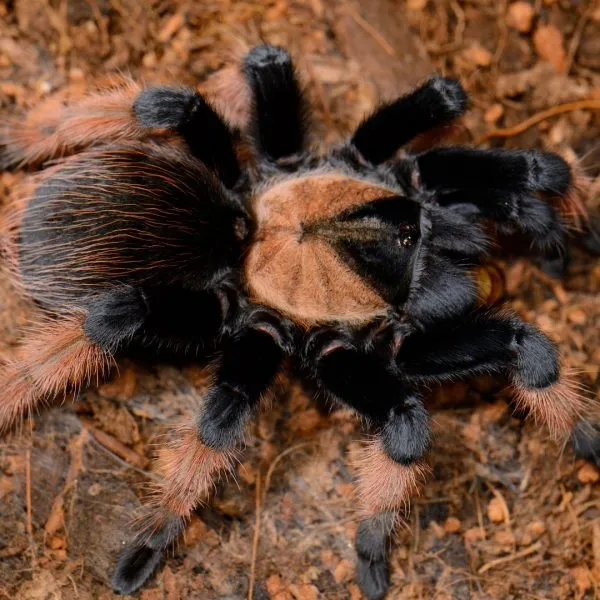
Understanding the Mexican Red Leg Tarantula’s Natural Habitat
Creating a thriving habitat for your Mexican Red Leg Tarantula (Brachypelma hamorii) starts with understanding its natural environment. This fascinating species, known for its striking red leg markings, originates from the arid to semi-arid regions of the Pacific coast of Mexico. By mimicking the conditions they thrive in, you can ensure your tarantula lives a long, healthy, and stress-free life. This guide reveals the secrets to replicating the ideal Mexican Red Leg Tarantula habitat, transforming your pet’s enclosure into a miniature version of its natural home. Focusing on the key elements of their environment, from temperature and humidity to substrate and enrichment, will empower you to provide the best possible care for your beloved tarantula. By understanding the specifics of their natural habitat, you will be better equipped to meet their needs and create a captivating and enriching living space.
Geographic Origins and Climate
The Mexican Red Leg Tarantula is primarily found in the dry forests and scrublands of the Pacific coast of Mexico. The climate in these regions is characterized by distinct wet and dry seasons. During the wet season, humidity levels rise, and rainfall is more frequent. Conversely, the dry season brings lower humidity and higher temperatures. The spiders burrow in the ground to escape extreme heat and cold, and to ambush prey. The temperature fluctuates depending on the season, with warmer temperatures common throughout the majority of the year. Understanding the climate patterns of their native habitat is crucial when replicating those conditions in captivity. The arid environment impacts substrate choices and overall humidity management within the enclosure. Mimicking these climate nuances is critical to providing the best living conditions for your tarantula and ensuring its well-being, health and longevity.
Native Environment Characteristics

In their natural habitat, Mexican Red Leg Tarantulas are terrestrial spiders that live in burrows. These burrows, which they either dig themselves or occupy pre-existing ones, offer protection from predators and the elements. The ground is typically composed of a mix of soil, sand, and leaf litter. Vegetation in the area is sparse, with hardy plants and grasses dominating the landscape. The spiders navigate the environment during the night when they hunt. During the day, they remain hidden in their burrows. The specific characteristics of their natural habitat, the type of soil, vegetation, and climate conditions, provide critical information for proper habitat set up. It will significantly enhance your ability to replicate their natural habitat.
Mimicking the Natural Habitat
Replicating the Mexican Red Leg Tarantula’s natural habitat in captivity is essential for its health and happiness. This involves creating an environment that closely mirrors the conditions they would experience in the wild, considering factors like temperature, humidity, substrate, and enclosure design. This ensures your tarantula feels secure and thrives. Creating a similar environment requires careful planning and attention to detail. By providing a well-designed and maintained enclosure that caters to its environmental needs, you’re not just keeping a pet; you are creating a sanctuary where your tarantula can exhibit natural behaviors and live a comfortable life. Let’s look at some important things to consider when replicating the ideal habitat, focusing on the key elements necessary to meet your tarantula’s needs.
Choosing the Right Enclosure
Selecting the appropriate enclosure is a cornerstone of successful tarantula keeping. The size, material, and design of the enclosure play a crucial role in providing a secure and comfortable environment for your Mexican Red Leg Tarantula. The enclosure should be large enough to allow for movement and exploration but not so large that the tarantula feels exposed and insecure. Good ventilation is also a key factor in providing the best environment for your pet. Both glass and acrylic enclosures can be suitable, with each material offering advantages and disadvantages. A well-chosen enclosure contributes to your tarantula’s well-being, ensuring it feels safe, secure, and able to thrive in its captive environment.
Glass Terrariums

Glass terrariums are a popular choice for tarantula enclosures due to their transparency and ease of cleaning. The clear glass provides an excellent view of your tarantula, allowing you to observe its behavior and admire its beauty. Glass enclosures are also relatively heavy and stable, reducing the risk of accidental tipping. However, glass can be a poor insulator, making it more challenging to maintain consistent temperature and humidity levels. Ensure the enclosure has a secure lid to prevent escapes. Moreover, a glass terrarium’s weight may be a factor if you have to move your pet. While glass is aesthetically pleasing and easy to clean, be mindful of its insulation properties and always ensure a secure, well-ventilated lid.
Acrylic Enclosures
Acrylic enclosures offer several advantages over glass terrariums. Acrylic is lighter, making it easier to move and handle, and it offers superior insulation, which helps maintain stable temperature and humidity levels. Acrylic is also more durable than glass and less likely to shatter if accidentally dropped. Some acrylic enclosures come with built-in ventilation systems that help regulate airflow. While acrylic is highly transparent, some scratches can occur with use. These are a great option for beginners. Acrylic enclosures’ enhanced insulation and durability make them a practical and long-lasting choice for housing your tarantula, providing a comfortable and stable habitat.
Substrate Selection
The substrate is the foundation of your tarantula’s habitat, providing a surface for it to walk on, burrow in, and feel secure. The substrate also plays a crucial role in maintaining humidity levels. Choosing the right substrate is essential for the tarantula’s well-being. A good substrate should be able to retain moisture, allow for burrowing, and be free of harmful chemicals or additives. Several substrate options are available, each with its own properties and benefits. The choice of substrate can significantly affect the overall health and comfort of your tarantula, so it’s a decision that requires careful consideration. Select the best substrate for your pet’s specific needs.
Coconut Fiber

Coconut fiber, also known as coco coir, is a popular substrate choice due to its excellent moisture-retaining properties and natural texture. Made from the husks of coconuts, it’s readily available, affordable, and environmentally friendly. Coconut fiber allows tarantulas to burrow and create tunnels, mimicking their natural behavior. It holds humidity well, contributing to a healthy environment, and it is generally safe for tarantulas. Remember to occasionally moisten the substrate to maintain the required humidity levels. The use of coconut fiber can significantly enhance your tarantula’s habitat. It’s easy to use, safe, and promotes the natural behavior of your pet.
Peat Moss
Peat moss is another viable substrate, offering excellent moisture retention. It has a slightly acidic pH, which can help prevent the growth of mold and bacteria. However, peat moss can sometimes be dusty, which may irritate the tarantula’s respiratory system. If you opt for peat moss, ensure that it is thoroughly rinsed before use to remove any dust particles. It is a good option for tarantulas because it promotes humidity retention. Choose high-quality peat moss and monitor the enclosure’s humidity levels regularly. Proper use can contribute to a suitable and comfortable living space for your pet.
Vermiculite
Vermiculite is a mineral substrate with excellent water-holding capabilities. It is lightweight, non-toxic, and provides good aeration. Vermiculite is often used in combination with other substrates to enhance moisture retention. It does not promote burrowing in the same way as coconut fiber. It is a useful component for maintaining humidity levels within the enclosure. Using vermiculite, particularly when mixed with other substrates, ensures a comfortable, moist environment for your tarantula. Its moisture retention helps in maintaining suitable humidity levels, ensuring your pet’s well-being.
Maintaining Humidity Levels

Humidity is one of the most critical environmental factors for a Mexican Red Leg Tarantula. It is essential for their health and well-being. Their natural habitat has high humidity levels. Maintaining the right humidity within the enclosure helps prevent dehydration, aids in molting, and promotes overall health. Monitoring and controlling humidity levels are necessary aspects of tarantula care. Properly managing humidity will create a healthy environment that supports your tarantula’s survival. Proper care contributes to a longer, healthier, and more comfortable life for your pet.
Importance of Humidity
Adequate humidity is crucial to prevent dehydration, which can lead to serious health issues, including molting problems and even death. During molting, the tarantula sheds its exoskeleton. This process is easier and safer in a humid environment. When humidity is too low, the exoskeleton can dry out, making it difficult for the tarantula to shed its old skin. Humidity levels also contribute to the overall health and well-being of your tarantula. Humidity is important for maintaining hydration. Without the proper humidity levels, the tarantula’s health may suffer. Maintaining the correct humidity ensures that your tarantula remains hydrated and healthy. It supports the shedding process, making it less stressful for the spider.
Humidity Monitoring
Regular monitoring of humidity levels is essential to ensure that the environment is suitable for your tarantula. Use a hygrometer, a device that measures humidity, to track the moisture levels in the enclosure. Place the hygrometer inside the enclosure. The ideal humidity range for a Mexican Red Leg Tarantula is typically between 65% and 75%. Monitor the humidity levels daily to identify and address any fluctuations. By regularly checking the humidity, you can make necessary adjustments to keep the environment within the optimal range, which helps maintain your pet’s health.
Methods for Humidity Control

Several methods can be used to control and maintain the required humidity levels. Misting the enclosure with a spray bottle filled with dechlorinated water is a common and effective method. Mist the enclosure once or twice a week, depending on the humidity levels. The substrate should be kept slightly moist but not waterlogged. Using a water dish can also help maintain humidity. Regularly refill the water dish to ensure there is a constant source of moisture. The size of the water dish should be appropriate for the size of the tarantula. Air ventilation in the enclosure affects the humidity. Adjusting the ventilation can help regulate the humidity levels. A good balance of humidity and ventilation is a great combination to provide a healthy environment.
Temperature Regulation
Maintaining the correct temperature range is crucial for the health and well-being of your Mexican Red Leg Tarantula. Temperature affects their metabolism, activity level, and appetite. The ideal temperature range for this species closely mirrors the conditions of its native habitat. Therefore, proper temperature management ensures your tarantula thrives in its captive environment. Constant monitoring and regulation are critical to create a comfortable and healthy environment for your pet. This ensures they feel safe and secure in their enclosure, exhibiting normal behaviors and living a healthy life.
Ideal Temperature Range
The ideal temperature range for a Mexican Red Leg Tarantula is between 75°F and 85°F (24°C and 29°C). During the night, a slight drop in temperature is acceptable, but it should not fall below 70°F (21°C). Use a thermometer to monitor the temperature within the enclosure. Ensure the temperature stays within the specified range. Sudden fluctuations should be avoided. These can cause stress and health problems. The correct temperature is critical for maintaining the spider’s metabolism and digestion. This will allow your tarantula to grow. Keep a close eye on the temperature and make sure that it is within the ideal range.
Heating Methods
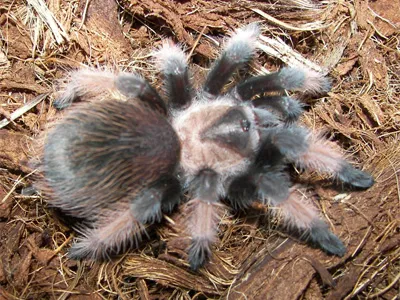
Various heating methods can be employed to maintain the desired temperature within the enclosure. Heat lamps are a popular choice, but it is essential to use them with caution, as they can quickly overheat the enclosure if not managed correctly. Under-tank heaters (UTHs) are another option. They provide gentle, consistent heat from below. Place the UTH on the side of the enclosure, not directly under it, to prevent overheating. Avoid placing the UTH directly on the glass, which can cause the glass to crack. Always monitor the temperature with a thermometer. These methods can provide the proper temperature range. The right heating method, along with temperature monitoring, will help create a suitable environment.
Providing Hiding Places and Enrichment
Providing hiding places and enrichment is essential for the psychological well-being of your Mexican Red Leg Tarantula. These spiders are naturally secretive and prefer to spend most of their time hidden. Offering appropriate hiding spots and enriching the environment allows the tarantula to feel secure and display natural behaviors. This can reduce stress and improve the overall quality of life. The goal is to create an environment that simulates their natural habitat. Giving your tarantula adequate hiding places and enrichment activities boosts its psychological health and contributes to a happy and fulfilling life. The right enclosure contributes to the safety, security, and comfort of your pet.
Essential Hiding Spots
Tarantulas need secure hiding spots. These give them a sense of safety and security. Provide at least one hide in the enclosure. Cork bark, half logs, and artificial hides are popular options. Make sure the hide is large enough for the tarantula to easily enter and exit, but not too large that it feels exposed. Position the hide in a way that offers some level of privacy. The hide should be located in a cooler part of the enclosure. Providing a hide is not just about aesthetics. It’s a critical part of the environment. By offering a safe place, you reduce stress. Your tarantula can feel secure and be able to exhibit its natural behaviors.
Enrichment Activities
While Mexican Red Leg Tarantulas are not overly active creatures, you can still incorporate enrichment activities to stimulate their environment. These include adding plants. Live or artificial plants can provide visual interest. They add security, and they can help with humidity. Rearrange the décor occasionally. This encourages exploration. Avoid frequent disturbances, as tarantulas prefer a stable environment. You can also vary the location of the food. Provide enrichment. It will provide environmental variation. By incorporating these elements, you enhance the tarantula’s life. This promotes natural behaviors, and provides your tarantula with a stimulating and enriching experience.
Water and Feeding
Proper hydration and nutrition are fundamental aspects of caring for a Mexican Red Leg Tarantula. Providing clean water and an appropriate diet ensures its health and vitality. This includes providing a suitable water source and a varied diet consisting of live insects. These are crucial for the tarantula’s well-being. Ensure the water and feeding needs are met, which contribute to the longevity and overall health of your tarantula. You can support your pet’s survival through providing the right amount of food and water.
Water Dish Requirements
A clean and accessible water source is essential for your tarantula. Provide a shallow water dish in the enclosure. The dish should be shallow enough for the tarantula to easily access the water without risk of drowning. Use a small, stable dish that won’t tip over. Keep the water fresh. Refill and clean the water dish regularly to prevent bacterial growth. Consider using a water gel if you are concerned about the tarantula drowning. Always provide a clean source of water for your tarantula to ensure that it stays hydrated. The appropriate water source contributes to the overall health and well-being.
Feeding Schedule and Prey
Feed your Mexican Red Leg Tarantula a diet of live insects appropriate for its size. Crickets, roaches, and mealworms are common food choices. The feeding schedule should be adjusted based on the tarantula’s age and appetite. Younger tarantulas may need to be fed more frequently than adults. Feed adult tarantulas every one to two weeks. Offer only as many insects as the tarantula will consume in a short period. Remove any uneaten prey to prevent them from stressing the tarantula. Avoid feeding the tarantula prey larger than its body size. Provide a diverse diet. This ensures your pet gets essential nutrients. A well-managed feeding schedule contributes to their health.
Conclusion
Creating an ideal habitat for your Mexican Red Leg Tarantula requires a thorough understanding of its natural environment, meticulous attention to detail, and a commitment to providing the best possible care. By replicating its natural habitat, including proper temperature, humidity, substrate, and enrichment, you can ensure that your tarantula thrives. Remember that each tarantula is unique. Observe your tarantula. Monitor its behavior. Make adjustments to the enclosure as needed. With the right environment, you can enjoy watching your Mexican Red Leg Tarantula flourish, demonstrating its natural behaviors and bringing joy to your life. Enjoy the fascinating journey of tarantula care, and provide a nurturing environment for your beloved pet.