What is Molting for Rose Hair Tarantulas
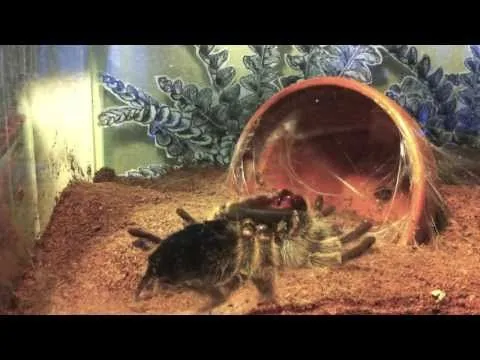
Molting is a fundamental biological process for all tarantulas, including the popular Rose Hair Tarantula (Grammostola rosea). It’s essentially how these arachnids grow and replace their outer layer, or exoskeleton. This exoskeleton, made of chitin, doesn’t grow, so as the tarantula increases in size, it must shed its old one and produce a new, larger one. This process is crucial for the tarantula’s survival, allowing it to eliminate parasites, repair injuries, and continue its life cycle. Understanding the molting process is vital for any Rose Hair Tarantula owner to ensure the health and well-being of their pet.
Why Do Rose Hair Tarantulas Molt
The primary reason Rose Hair Tarantulas molt is for growth. Their exoskeleton is a rigid shell that limits their size. As a tarantula matures, it needs a larger ‘house’ to accommodate its growing body. Molting also serves several other essential functions. It helps the tarantula shed any parasites that may have attached themselves to the exoskeleton. Furthermore, molting allows them to regenerate lost limbs. If a tarantula loses a leg, it can often regrow it during a subsequent molt. This regenerative ability is a remarkable aspect of their biology, making molting a critical survival mechanism.
The Molting Process in Rose Hair Tarantulas
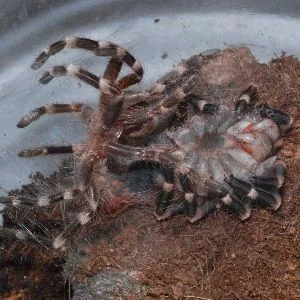
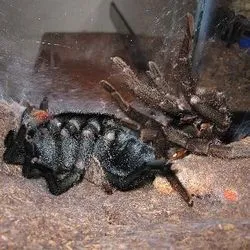
The molting process is a fascinating and complex series of events. It starts with the formation of a new, soft exoskeleton beneath the old one. The tarantula then begins to detach itself from the old exoskeleton, which is usually done by absorbing fluid and expanding its body to split the old shell. This split typically occurs along the carapace (the top of the cephalothorax) and the abdomen. Once the split is large enough, the tarantula slowly wriggles out of its old skin, leaving behind a perfect, albeit empty, replica of itself. This process can take anywhere from a few minutes to several hours, depending on the size and age of the tarantula.
Signs of an Upcoming Molt
Several telltale signs indicate that your Rose Hair Tarantula is preparing to molt. The most obvious sign is a change in the tarantula’s behavior. They may become less active, spend more time hiding, and refuse to eat. Their abdomen may appear darker, and the skin might look stretched or shiny. You may also notice a bald spot developing on their abdomen. This is where they will eventually split their exoskeleton. The tarantula might also start webbing heavily in its enclosure, creating a safe and secure space for the upcoming molt. Recognizing these signs allows you to prepare the enclosure and minimize any potential disturbances.
Creating the Ideal Molting Environment
Providing the right environment is crucial for a successful molt. Stress and unfavorable conditions can lead to a failed molt, which can be fatal. The enclosure should be clean and free of any potential hazards. Ensure there are no sharp objects or hard surfaces that could injure the tarantula during the process. Adequate substrate is also important, allowing the tarantula to burrow if it chooses. The substrate should be deep enough for the tarantula to turn over if it has problems during the molt. Maintaining the correct humidity and temperature levels is essential for the molting process.
Humidity and Temperature Control
Rose Hair Tarantulas thrive in a specific range of humidity and temperature. During a molt, it’s critical to maintain these parameters. Humidity should be around 60-70%. This can be achieved by misting the enclosure lightly with dechlorinated water, but be careful not to make the substrate waterlogged. Proper ventilation is also key to preventing mold growth. Temperature should be kept between 75-85°F (24-29°C). Use a thermometer to monitor the temperature and adjust the heat source (if any) accordingly. Consistent temperature and humidity create the best conditions for a healthy molt.
Providing a Safe and Secure Space
A safe and secure environment is paramount. Provide a hide or burrow where the tarantula can retreat and feel protected. Ensure that the enclosure is stable and not prone to vibrations or disturbances. Keep the enclosure in a quiet area away from direct sunlight and loud noises. Avoid handling the tarantula during this time, as it is extremely vulnerable during the molting process. Providing these elements will minimize stress and increase the chances of a successful molt.
What to Do During the Molting Process
During the molting process, the best thing you can do is observe from a distance and avoid any interference. Patience is key, as the tarantula needs to be left undisturbed to shed its old skin. Provide plenty of clean water. Do not attempt to assist the tarantula, as this could easily lead to injury or death. The tarantula knows what to do, and intervening could disrupt the natural process. Avoid sudden movements or loud noises near the enclosure.
Do Not Disturb Your Tarantula
Resist the urge to check on your tarantula constantly. Frequent disturbances can stress the tarantula and potentially disrupt the molting process. Observe from a distance, and only intervene if there’s a clear issue, such as a failed molt that requires assistance. The vast majority of molts proceed smoothly without any human intervention.
Avoid Feeding During Molt
Do not offer food to your tarantula while it is molting or preparing to molt. The tarantula will not eat, and the presence of live prey could stress the tarantula or potentially harm it while it’s vulnerable. Wait until the tarantula has fully hardened its new exoskeleton and has resumed its normal activity before offering any food.
Post-Molt Care for Your Rose Hair Tarantula
Once the tarantula has finished molting, it will be very vulnerable. The new exoskeleton is soft and needs time to harden. Do not disturb the tarantula or handle it until the exoskeleton has fully hardened, which usually takes a few days to a week. Providing a safe environment and proper care during this period is crucial for the tarantula’s recovery and overall well-being.
Feeding Your Tarantula After Molting

Wait at least a week after the molt before offering food. The tarantula’s fangs and chelicerae (mouthparts) need to harden before it can effectively capture and consume prey. Start with smaller prey items and observe if the tarantula is eating. Once the tarantula starts eating regularly, you can gradually increase the size of the prey. Ensure the prey is appropriate for the tarantula’s size to avoid any potential hazards, like the prey attacking your tarantula.
Handling Your Tarantula After Molting
Avoid handling your Rose Hair Tarantula immediately after a molt. The new exoskeleton is soft and delicate, making the tarantula more susceptible to injury. Wait until the exoskeleton has fully hardened before handling it. Even then, handle your tarantula with care and keep the handling sessions brief to minimize stress. When handling, always do so over a soft surface, in case the tarantula falls. Proper handling helps you build a relationship with your tarantula while protecting it from harm.
Common Issues During the Molting Process
Although molting is a natural process, complications can sometimes arise. Being aware of potential issues allows for quicker response and better care. Factors such as poor environmental conditions, stress, and underlying health issues can contribute to problems during the molt. By observing your tarantula and the molting process, you’re able to spot early signs of trouble and act fast to potentially resolve problems. If in doubt, it’s always best to seek advice from an experienced tarantula keeper or a veterinarian specializing in exotic animals.
Failed Molts
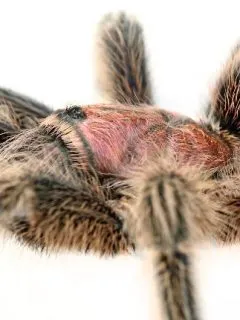
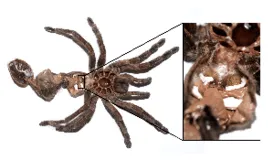
A failed molt, also known as a stuck molt, occurs when the tarantula struggles to shed its old exoskeleton. This can be a life-threatening situation. Several factors can cause a failed molt, including dehydration, low humidity, and underlying health problems. If you suspect a failed molt, it’s crucial to assess the situation. If the tarantula is struggling to free itself, carefully mist the enclosure to increase humidity. It is generally best to avoid intervening. If it’s clear the tarantula cannot free itself, contact an experienced keeper or vet.
Leg or Limb Loss
Sometimes, a tarantula may lose a leg or limb during a molt. This can happen if the leg gets stuck or if the tarantula attempts to detach itself from the old exoskeleton. The good news is that tarantulas can often regrow lost limbs during subsequent molts. However, it may take several molts for the limb to fully regenerate. Provide plenty of food and a safe environment to assist in the process. If you notice a lost limb, monitor the tarantula carefully and ensure it can still eat and move around without difficulty.
How Often Do Rose Hair Tarantulas Molt
The frequency of molting varies depending on several factors, including the tarantula’s age, growth rate, and environmental conditions. Young tarantulas, or spiderlings, molt more frequently than adults, sometimes every few months. As they mature, the molting frequency decreases. Adult Rose Hair Tarantulas may only molt once a year, or even less frequently. The lifespan of a Rose Hair Tarantula also affects this, which impacts overall health and molting frequency.
Factors Affecting Molting Frequency
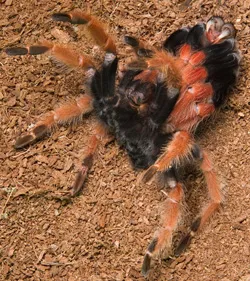
Several factors influence how often a Rose Hair Tarantula molts. These include the amount of food the tarantula eats, the temperature and humidity in the enclosure, and the overall health of the tarantula. A tarantula that is well-fed and kept in optimal conditions is more likely to molt more frequently. A sudden change in environment or stress can also affect the molting frequency. By providing the best possible care, you can help your tarantula molt successfully and live a long, healthy life. Remember to always prioritize the tarantula’s well-being and observe its behavior for any signs of issues.