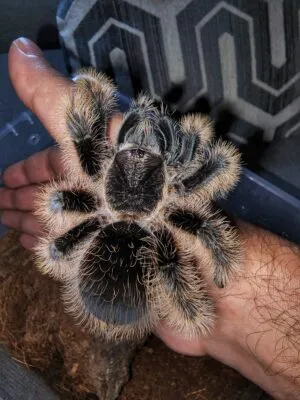
The world of pet tarantulas is fascinating, filled with diverse species, captivating colors, and varying price points. For the dedicated arachnid enthusiast, the most expensive pet tarantulas represent the pinnacle of this hobby. Owning one is not just about having a unique pet; it’s about possessing a piece of nature’s art, often with a story of rarity and exceptional care. This article will delve into the factors that determine a tarantula’s value, explore the top five most expensive species, and provide guidance on caring for these remarkable creatures. Whether you’re a seasoned tarantula keeper or simply curious about the world of exotic pets, prepare to be amazed by the beauty and cost of these magnificent spiders.
What Makes a Tarantula Expensive
Several factors contribute to the high price tag of certain tarantula species. These factors often intertwine, creating a complex valuation system driven by both biological traits and market dynamics. Understanding these elements is crucial for appreciating the value of these remarkable creatures. The price of a tarantula isn’t just about its looks; it’s a reflection of its history, rarity, and the effort required to bring it to your home. From their origins to their genetic makeup, each element adds to the spider’s overall worth, turning them into highly sought-after pets.
Rarity and Exclusivity
Perhaps the most significant factor influencing price is rarity. Tarantula species that are infrequently found in the wild or are difficult to breed in captivity command higher prices. The scarcity of a species directly affects its availability in the pet trade, making it a coveted item among collectors. Species endemic to specific geographic locations or those with limited breeding success become exclusive, increasing their perceived value. This scarcity drives demand, pushing prices upward and turning them into highly sought-after exotic pets. For serious collectors, owning a rare tarantula is a badge of honor and a testament to their passion for these fascinating creatures.
Morphs and Coloration

Certain tarantula morphs and color variations can significantly increase their value. These unique colorations often result from genetic mutations or selective breeding programs. These variations are highly prized and often cost a premium. Morphs can range from subtle differences in hue to vibrant and striking patterns, making them highly desirable to collectors. The unique appearance of these tarantulas elevates their value, often making them a centerpiece of any collection. The rarity of these color variations contributes to their allure and desirability within the tarantula-keeping community. Owning one is like possessing a living work of art.
Size and Age
The size and age of a tarantula can also impact its price. Mature, fully-grown females are often more expensive than juveniles or males. They are desirable because they have a longer lifespan and the potential to produce offspring. Larger specimens of certain species may also fetch a higher price due to their impressive size and the perceived experience of owning a more substantial creature. However, it is important to note that these factors vary depending on the species and the overall market conditions. A well-established specimen can easily become a prized possession.
Top 5 Most Expensive Tarantulas
The tarantula market is dynamic, and prices can fluctuate. However, certain species consistently rank among the most expensive. These spiders are not just pets; they are investments and symbols of dedication to the hobby. Their rarity, striking appearance, and the challenge of caring for them all contribute to their high value. Here are five of the most expensive tarantulas frequently found in the pet trade, known for their beauty and desirability.
Pinkfoot Goliath Birdeater

Known for its impressive size and the unique pink coloration on its feet, this species commands a high price. This species often ranges in the high hundreds. Its size, rarity, and striking appearance contribute to its high value. The Pinkfoot Goliath is a marvel of the tarantula world. It is a highly sought-after species due to its large size and beautiful features, including the pink coloration on its feet. This makes it a prized possession for any collector, which makes them command a high price.
Blue Baboon Tarantula
The striking blue coloration of this species makes it highly sought-after. Their price can fluctuate depending on availability, but they consistently rank among the more expensive species. The Blue Baboon is well-known for its beautiful blue coloration. This species is relatively rare, which contributes to its higher price. Its unique beauty and rarity make it a top choice for tarantula enthusiasts.
Stripe Knee Tarantula
The Stripe Knee Tarantula is a highly sought-after species. It is famous for its distinctive stripes on its legs. Its striking appearance and the fact that it is not always easy to find in the pet trade make it valuable. Its distinctive appearance makes it a standout in any collection, and its relative scarcity drives up its price.
White-banded Tarantula

Known for the distinctive white bands on their legs, this species is a favorite among collectors. The White-banded Tarantula’s unique pattern makes it visually appealing. Its rarity also adds to its high price. This tarantula is a unique gem for any enthusiast.
Goliath Birdeater
One of the largest tarantula species in the world, the Goliath Birdeater is impressive in size. Although not always the most expensive, their size and the care requirements can elevate their price. They are a symbol of status among tarantula collectors. They are a remarkable species. They are highly sought-after, and their large size and impressive appearance contribute to their value.
Factors Influencing the Price
Beyond the species itself, several external factors play a crucial role in determining the final price. These factors can fluctuate, influencing the market and the value of individual tarantulas. Understanding these elements is essential for anyone looking to buy or sell these exotic pets. These components help form the market’s valuation of the animals and can change over time. This helps people understand what adds value to a spider and what doesn’t.
The Breeder’s Reputation

The reputation of the breeder significantly influences the price. Breeders with a track record of producing healthy, high-quality tarantulas often command higher prices. This reflects the care and attention the breeder gives the animals. A reputable breeder will take great care when breeding and selling their spiders. They will provide accurate information about the species. They will also provide any required support to the buyer.
Demand and Availability
As with any market, demand and availability play a crucial role in determining prices. High demand for a particular species, coupled with limited availability, drives prices up. Conversely, an oversupply of a species can lead to price reductions. The more sought-after a species is, the more it will cost to own. The reverse is true as well; an oversupply of a certain spider can result in a lower price.
The Tarantula’s Health
The overall health of the tarantula is paramount. A healthy, well-fed tarantula with no signs of illness or injury will always be more valuable than a sick one. Breeders and buyers should be knowledgeable about the tarantula’s health. Any tarantula showing signs of disease or not feeding properly will have a diminished value. Health is of the utmost importance.
Caring for Expensive Tarantulas

Owning an expensive tarantula is a significant responsibility. It requires a commitment to providing the best possible care to ensure the spider’s health and longevity. Proper care involves understanding the specific needs of the species, from housing to feeding and health maintenance. Investing time and effort is critical to successfully keeping these beautiful creatures. Your dedication will go a long way in helping them thrive. Providing the right care will let you fully enjoy the beauty and uniqueness of these amazing arachnids.
Setting Up the Enclosure
Creating the right enclosure is essential. It ensures that your tarantula remains safe and happy. The enclosure should be appropriately sized for the species, providing enough space for movement and burrowing (if applicable). Ensure that the enclosure is escape-proof, and that it has proper ventilation. The enclosure’s substrate, humidity, and temperature must align with the species’ specific requirements. Correct setup of the enclosure is very important to the health and well-being of the spider.
Feeding and Hydration
Tarantulas require a consistent diet of appropriately sized insects. The diet will vary based on the species and the tarantula’s life stage. Crickets, roaches, and other insects are common food sources. Provide a shallow water dish with fresh water at all times. Overfeeding can be as detrimental as underfeeding, so monitor your tarantula’s feeding habits and adjust as needed. Good nutrition is an essential part of their overall health.
Health and Veterinary Care

While tarantulas are generally hardy creatures, they can become sick. Learn to identify signs of illness. These include changes in behavior, refusal to eat, or unusual postures. Find a veterinarian experienced in exotic animals. They will have the knowledge to help your tarantula. Preventative care, such as maintaining a clean enclosure, can reduce the risk of illness. Regular observation and quick response to any health concerns are essential.
Conclusion
Owning the most expensive pet tarantulas is a unique experience, a privilege reserved for those who are deeply passionate about these creatures. The journey into this exclusive realm involves understanding rarity, beauty, and the responsibility that comes with caring for such valuable animals. It’s a commitment that goes beyond financial investment; it’s about embracing the wonder of nature and appreciating the delicate balance of life. By educating yourself and providing the necessary care, you’ll create a fulfilling experience. It’s an opportunity to witness the captivating lives of these amazing creatures firsthand.