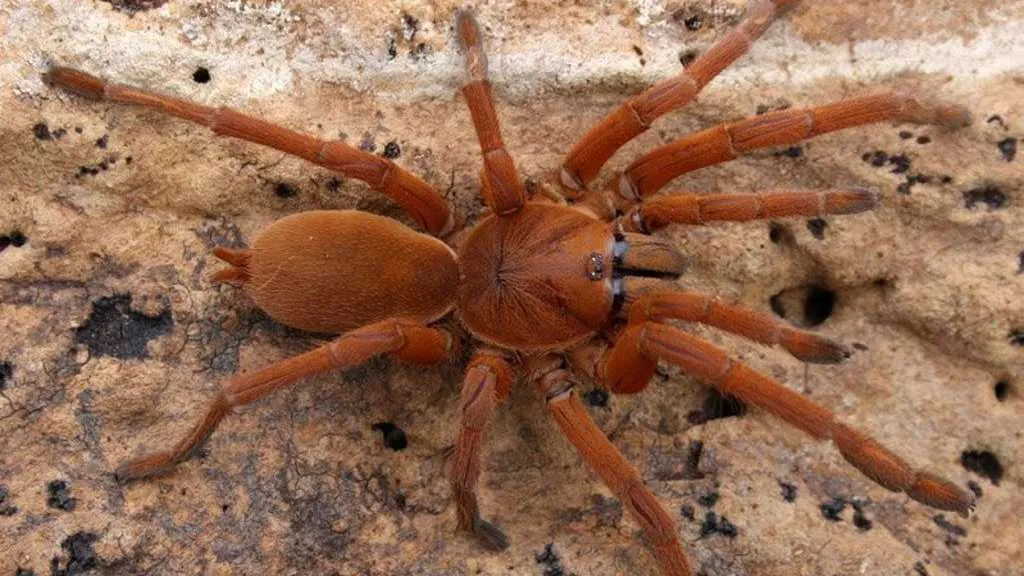
North Queensland Tarantula Facts
The North Queensland Tarantula, a fascinating and often misunderstood creature, calls the diverse landscapes of Northern Queensland, Australia, its home. Known for its impressive size, striking appearance, and intriguing behavior, this arachnid has captured the attention of nature enthusiasts and researchers alike. This article delves into five key facts about the North Queensland Tarantula, shedding light on its unique characteristics, habitat, and life cycle. From its physical attributes to its ecological role, we will explore the world of this remarkable spider and uncover some of the secrets that make it so captivating. Understanding these facts not only enhances our appreciation for this species but also highlights the importance of conservation efforts to protect its future.
Appearance of the North Queensland Tarantula
The North Queensland Tarantula is immediately recognizable due to its substantial size and robust build. Females are generally larger than males, with body lengths that can reach up to 6 centimeters, and a leg span extending up to 16 centimeters. These spiders have a hairy appearance, and the coloration can vary, but typically includes shades of brown, tan, and sometimes reddish hues. The body is divided into two main parts the cephalothorax (fused head and thorax) and the abdomen. The presence of large fangs, called chelicerae, is a prominent feature, used for subduing prey. Their physical attributes are perfectly adapted to their terrestrial lifestyle, allowing them to navigate their environment effectively and efficiently.
Size and Physical Features

As mentioned earlier, the North Queensland Tarantula is one of the largest spiders in Australia. The impressive leg span allows these spiders to move quickly across the ground and provides a formidable presence. The body itself is compact and sturdy, covered in fine hairs that provide sensory information and help with insulation. Their powerful legs are equipped with claws at the tips, enabling them to grip surfaces and climb with ease. The size and physical features of this tarantula are a testament to its adaptation to its environment, making it a formidable predator and a resilient survivor in the Australian outback. This blend of size and strength has made it a very interesting subject of study.
Coloration and Markings
The coloration of the North Queensland Tarantula is often a blend of earthy tones, providing excellent camouflage within its natural habitat. Browns, tans, and sometimes reddish shades dominate their bodies, allowing them to blend seamlessly with the soil, leaf litter, and surrounding vegetation. These colors not only help them avoid predators but also aid in ambushing unsuspecting prey. Some individuals may display subtle variations in their markings, adding to their unique appearance. The overall effect is one of natural harmony with their surroundings, a testament to the power of natural selection in shaping their survival. These features help them to thrive in their natural habitat, making them extremely well-adapted to the unique conditions of their ecosystem.
Habitat and Distribution
The North Queensland Tarantula is endemic to the tropical and subtropical regions of Northern Queensland, Australia. They are primarily found in areas with high humidity and abundant ground cover. Their distribution is closely tied to the availability of suitable habitats, including rainforests, woodlands, and grasslands. These spiders are generally terrestrial, constructing burrows in the ground where they spend most of their time. The specific habitat preferences of the North Queensland Tarantula are crucial for their survival, influencing their hunting strategies, shelter, and overall well-being. Protecting their habitat is paramount to ensuring their long-term existence.
Where They Live

These tarantulas construct burrows in the ground, providing shelter from the harsh elements and protection from predators. They typically choose locations with well-drained soil and plenty of leaf litter or vegetation to aid in camouflage. The burrows can range in depth depending on the soil conditions and the spider’s needs. The presence of these burrows is a key indicator of the tarantula’s presence and is a vital part of their survival strategy. Within their burrows, the spiders are safe from the sun and other predators, allowing them to conserve energy and wait for prey.
Ideal Environment
The ideal environment for the North Queensland Tarantula is one that provides the right balance of humidity, temperature, and shelter. They thrive in areas with high humidity, often found in rainforests and other humid environments. The presence of ample ground cover, such as leaf litter and vegetation, is also crucial for both camouflage and burrow construction. These spiders prefer a moderate temperature range and avoid extreme heat or cold. Preserving these natural environmental conditions is critical for the long-term survival of the North Queensland Tarantula. It’s imperative to recognize and maintain the delicate balance these creatures require to flourish.
Diet and Feeding Habits
The North Queensland Tarantula is a skilled predator, primarily feeding on insects, but also taking larger prey when available. Their diet consists of a variety of invertebrates and small vertebrates, including beetles, crickets, and even small lizards or frogs. They are ambush predators, patiently waiting within or near their burrows for unsuspecting prey to come within striking distance. Once a target is within reach, they pounce with incredible speed and precision, injecting venom to immobilize their victim. The tarantula then uses its chelicerae to crush the prey and feed on the soft tissues. Their feeding habits are a key aspect of their ecological role.
What They Eat

The primary diet of the North Queensland Tarantula consists of insects and other invertebrates. Beetles, crickets, and other ground-dwelling insects make up a significant portion of their diet. They will also consume larger prey if the opportunity arises, including small lizards, frogs, and even other spiders. The specific items on their menu may vary depending on the availability of prey in their local environment. Their diet is a key factor in their survival and contributes to the overall health of their ecosystem. The diverse nature of their feeding habits further showcases their adaptability and predatory skills, making them formidable hunters in their native habitat.
Hunting Techniques
North Queensland Tarantulas are ambush predators, employing patience and stealth to capture their prey. They often wait near the entrance of their burrows or in areas with dense ground cover, lying in wait for unsuspecting insects or small animals to wander within striking range. When prey comes close, they strike with lightning speed, injecting venom through their fangs to immobilize the target. The venom breaks down the prey’s tissues, making it easier for the spider to consume. The tarantulas use their powerful chelicerae to crush their prey, ensuring a successful hunt. Their remarkable hunting techniques are a perfect example of adaptation and evolution in the animal kingdom.
Lifespan and Reproduction
The North Queensland Tarantula, like other tarantula species, has a relatively long lifespan. Females can live for many years, often exceeding 20 years in the wild, while males typically have a shorter lifespan, sometimes only living for a few years after reaching maturity. Reproduction involves the male seeking out a receptive female. After mating, the female will lay eggs in a silken sac, which she diligently guards until the spiderlings hatch. The life cycle of the North Queensland Tarantula, from egg to adult, is a remarkable process that highlights their resilience and evolutionary success. Understanding this cycle is key to conservation efforts.
Life Cycle

The life cycle of the North Queensland Tarantula begins with the female laying eggs within a silken egg sac. These sacs can contain hundreds of eggs, which the female carefully protects. The spiderlings hatch from the eggs and undergo several molts as they grow, shedding their exoskeletons to allow for growth. They gradually develop the characteristics of adult tarantulas, including their size, coloration, and hunting behaviors. The entire life cycle, from egg to adult, can take several years. The female tarantula plays an essential role in protecting her eggs and ensuring the continuation of her lineage, thus perpetuating the species. This lengthy life cycle highlights the spiders’ resilience and their ability to thrive in challenging environments.
Reproduction
Reproduction in the North Queensland Tarantula involves a complex mating ritual. The male tarantula must carefully approach a receptive female, as she may view him as prey. During mating, the male uses specialized structures called pedipalps to transfer sperm to the female. After mating, the female lays her eggs, which she carefully protects within a silken egg sac. She diligently guards the eggs until the spiderlings hatch. The male tarantula typically does not survive long after mating, while the female may live for many more years, continuing to reproduce. The success of their reproduction cycle is critical to ensuring the long-term survival of the species, demonstrating an evolutionary strategy for survival.
Threats and Conservation
Despite their size and predatory skills, North Queensland Tarantulas face various threats in the wild. Habitat loss due to deforestation and urbanization is a significant concern, reducing their available living space. The illegal collection of tarantulas for the pet trade also poses a threat to their populations. While not considered highly venomous to humans, bites can be painful. Therefore, promoting the conservation of these remarkable spiders is crucial. This includes protecting their habitats, implementing sustainable land management practices, and enforcing regulations to prevent illegal collection. Awareness and education are also key components to ensure the long-term survival of the North Queensland Tarantula.
Natural Predators

The North Queensland Tarantula, though a formidable predator itself, is not without its natural enemies. Birds, especially certain species of birds of prey, may prey on them, as well as larger reptiles and mammals. Additionally, other spiders and predatory insects can pose a threat, particularly to younger or smaller tarantulas. The presence of these natural predators helps to maintain a balance within the ecosystem, regulating the tarantula population and preventing overpopulation. These natural checks and balances are vital in maintaining the health and stability of the ecosystem. Their relationship with predators underscores the intricate nature of the food web.
Conservation Status
Currently, the conservation status of the North Queensland Tarantula is not officially classified as endangered. However, the species faces several threats, and its populations are vulnerable to habitat loss and the effects of climate change. Protecting their habitats is essential to ensure the long-term survival of this species. This includes the preservation of rainforests and other native ecosystems. Educating the public about these spiders and their importance is also vital, as is promoting responsible practices that support their conservation. By implementing proactive conservation measures, we can protect the North Queensland Tarantula and other species that share its habitat.