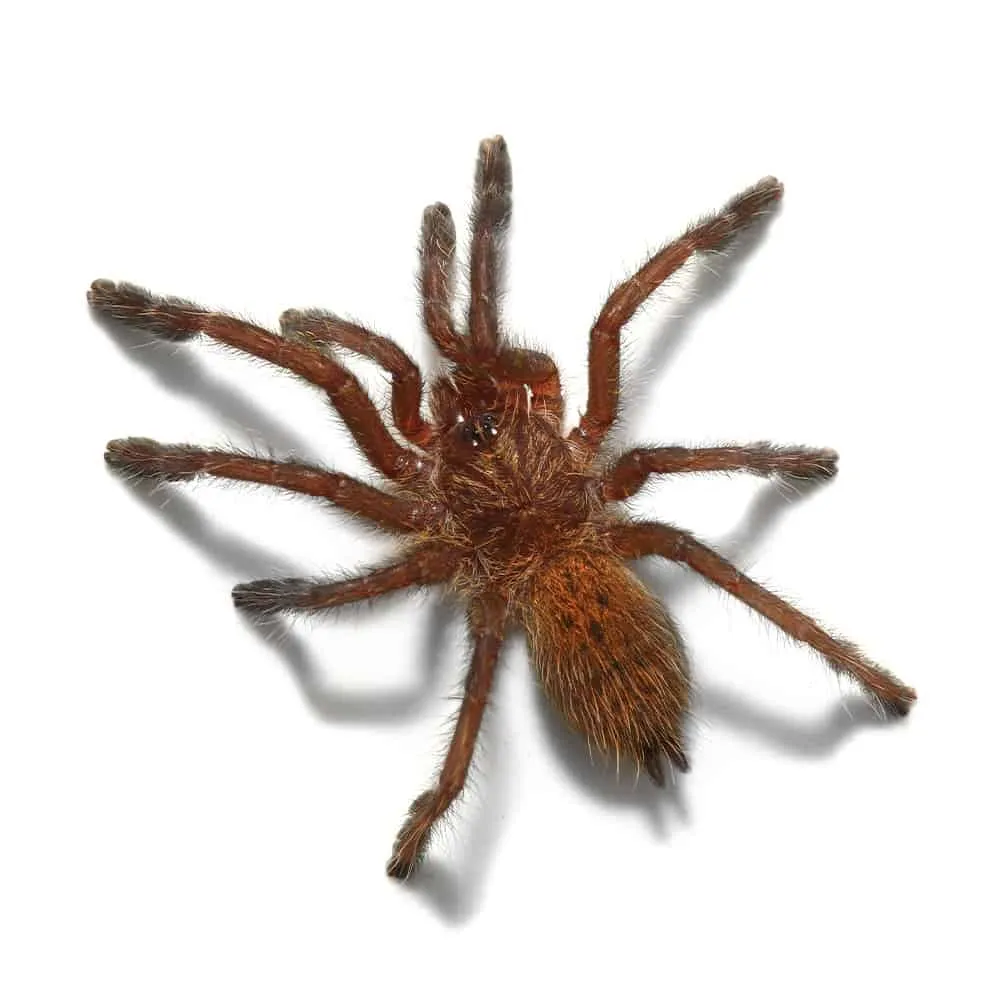
The Orange Baboon Tarantula, also known as the OBT, is a stunning and fascinating species for tarantula enthusiasts. Their vibrant coloration and unique personalities make them a captivating addition to any collection. However, they are also known for their potent venom and defensive nature, requiring careful handling and a thorough understanding of their needs. Caring for OBT slings (juveniles) is a rewarding experience, but it requires attention to detail. This guide offers the top 5 essential care tips for these beautiful creatures, ensuring their health and well-being. By following these guidelines, you can create a thriving environment where your Orange Baboon Tarantula sling can flourish.
Enclosure Setup Essentials
Creating a proper enclosure is the foundation of successful OBT sling care. The setup directly impacts the tarantula’s health, safety, and overall happiness. A well-designed enclosure provides the necessary environment for burrowing, regulating humidity, and facilitating successful molting. The primary goal is to mimic the natural habitat of the Orange Baboon Tarantula, which includes a terrestrial environment with ample space to roam and hide. Ensure the enclosure is secure, escape-proof, and provides easy access for feeding and maintenance. A good setup will also help you to observe your sling without causing undue stress. Consider all these elements when setting up the enclosure for your OBT sling.
Appropriate Enclosure Size for Slings
The size of the enclosure is crucial for an OBT sling’s well-being. A general guideline is to provide an enclosure that is roughly three times the tarantula’s leg span in width and length. For slings, this translates to a relatively small container. A clear deli cup or a small terrarium with secure ventilation works well. As the sling grows, you’ll need to upgrade the enclosure to accommodate its increasing size. This gradual increase in enclosure size is important to prevent the sling from feeling overwhelmed or stressed. Overly large enclosures can make it difficult for the sling to find food and may increase the risk of the sling being injured during a fall. Always remember to prioritize safety when choosing a suitable enclosure.
Substrate Selection for Optimal Burrowing

Substrate plays a vital role in creating a comfortable and functional environment for your OBT sling. It allows the tarantula to burrow, providing security and a place to retreat. A good substrate also helps maintain humidity levels. The ideal substrate for OBT slings should be a mix that holds moisture and allows for burrowing. A blend of coco fiber, peat moss, and a small amount of vermiculite works well. Avoid substrates that are dusty or could be harmful if ingested. The depth of the substrate should be sufficient to allow for burrowing, typically at least two to three inches. Make sure you are prepared to replace the substrate every few months, or when it starts to look dirty or moldy. Image of a tarantula burrowing in the substrate
Maintaining Proper Humidity Levels
Maintaining correct humidity levels is critical for the health of your OBT sling, particularly during molting. The humidity helps the tarantula shed its exoskeleton properly. The humidity level should be between 60% and 70% for OBT slings. You can monitor humidity using a hygrometer. To maintain the appropriate humidity, lightly mist the enclosure once or twice a week, or as needed. Be careful not to over-mist, as this can lead to mold growth. Proper ventilation is also essential to prevent the buildup of excess moisture. The substrate will also help with humidity regulation. The substrate needs to be damp, but not soggy, to maintain the correct humidity balance. Image of a hygrometer in the enclosure.
Feeding Your Orange Baboon Tarantula Sling
Feeding your OBT sling correctly is crucial for their growth and overall health. They are voracious eaters, but overfeeding can lead to health problems. Providing the right type and size of food items ensures that your sling gets the nutrients it needs. Observing your sling’s feeding habits can also help you understand its needs and adjust your feeding schedule accordingly. The aim is to provide enough food to promote healthy growth without causing unnecessary stress or health concerns. It is essential to understand what the sling eats and how frequently to feed them to promote healthy growth. It’s important to maintain a consistent feeding routine.
Choosing the Right Food

The ideal food for an OBT sling consists of appropriately sized insects. Pinhead crickets and flightless fruit flies are excellent options for smaller slings. As the sling grows, you can offer larger prey items such as small mealworms or small roaches. It’s important to vary the diet to ensure that your tarantula receives a balanced diet. Avoid feeding wild-caught insects, as they may carry parasites or pesticides. Ensure that the prey is gut-loaded with nutritious food, such as vegetables, before offering it to your sling. This will enhance the nutritional value of the meal and help your sling grow into a healthy adult.
Feeding Frequency and Portion Control
Young OBT slings should be fed every two to three days. Offer one or two appropriately sized prey items at each feeding. As the sling grows, you can gradually reduce the frequency of feeding, but continue to monitor its appetite and growth. Observe if the tarantula is consuming its food and adjust accordingly. Remove any uneaten prey items within 24 hours to prevent them from stressing or harming the sling. A well-fed OBT sling will have a rounded abdomen. If the abdomen appears too large, reduce the feeding frequency. Avoid overfeeding, as this can lead to health problems and potentially shorten the sling’s lifespan.
Watering Your Orange Baboon Tarantula Sling
Providing fresh water is essential for your OBT sling’s survival and well-being. Water allows your sling to stay hydrated, aiding digestion and supporting overall health. Clean, fresh water should always be available to prevent dehydration and ensure proper molting. The availability of water is just as critical as the other essential requirements. Making sure your sling has access to water is one of the most basic things you can do, but it is incredibly important. Proper hydration contributes to a healthy, active tarantula.
Providing Fresh Water

For slings, a small, shallow water dish is sufficient. Use a bottle cap or a similar container. Ensure the water dish is kept clean. Refill the water dish with fresh, clean water every few days. To prevent drowning, consider using a water gel product, especially for smaller slings. Alternatively, you can provide water by misting the enclosure. However, direct misting is not a replacement for a dedicated water source. The water should be free of any chemicals or contaminants. Regular access to clean, fresh water is critical for the survival and growth of your OBT sling. Image of a water dish in the enclosure.
Misting and Humidity Considerations
As mentioned, misting is an additional way to provide water and increase humidity. However, misting should not be relied upon as the only water source. Misting can be beneficial in helping the sling to drink and to boost humidity levels, especially during a pre-molt period. Use dechlorinated or bottled water when misting. Be mindful of over-misting, as it can lead to mold growth and other health problems. Always ensure proper ventilation after misting to prevent stagnation. Monitor the substrate and adjust your misting schedule accordingly. The balance of providing water and maintaining a healthy humidity level is crucial for your sling’s health.
Handling and Safety Precautions
OBT slings are known for their defensive behavior and potent venom. Handling them is generally not recommended, especially for inexperienced keepers. Their speed and unpredictable nature make them challenging to handle safely. However, if handling is unavoidable, it’s essential to understand the risks and take appropriate safety precautions. This includes recognizing the potential for bites, understanding the speed and agility of the sling, and having a plan in place if a bite occurs. Prioritizing safety helps to protect both you and your OBT sling.
Minimizing Stress during Handling

If you must handle your OBT sling, do so with extreme caution and only when necessary. Avoid handling the sling unless it is essential, such as for enclosure maintenance. Always approach the sling calmly and slowly. Avoid making sudden movements that might startle the tarantula. When handling, do so close to the ground to minimize the risk of a fall. Never allow the sling to climb high on your hand or arm. Consider using a soft brush or a cup to gently guide the sling into a new enclosure, rather than direct handling. Your objective is to minimize stress to the sling.
Recognizing and Avoiding Bites
OBT bites are painful and can cause significant discomfort. These tarantulas are fast and can strike without warning. If a bite occurs, remain calm and seek medical attention if necessary. The venom itself is not typically life-threatening, but local reactions can be severe. Always wear gloves when cleaning the enclosure, and avoid putting your hands near the sling’s fangs. Never provoke or threaten the sling. Learn to read the tarantula’s body language. A defensive posture, such as raising its front legs or flicking hairs, is a clear warning to back off. Understanding the risks associated with handling and prioritizing safety are key.
Monitoring and Maintaining Health
Regularly monitoring your OBT sling’s health is essential for identifying potential issues early on. Early detection allows for timely intervention, preventing serious health problems. Observing your tarantula’s behavior, feeding habits, and overall appearance is critical. A healthy sling should be active, have a good appetite, and exhibit no signs of illness. Keep detailed records of feeding, molting, and any health issues observed. Regular monitoring and proactive maintenance helps ensure a long, healthy life for your OBT sling.
Recognizing Signs of Molting

Molting is a natural process for tarantulas, where they shed their exoskeleton to grow. Recognizing the signs of an impending molt is crucial. The sling may become less active, stop eating, and their abdomen may appear darker or swollen. They may also create a web mat or seal themselves in their burrow. Avoid disturbing the sling during the molting process, as it can be vulnerable during this time. Provide a safe and undisturbed environment. After molting, the sling will be soft and vulnerable, so refrain from feeding it until its fangs have hardened, which is typically a week or two. Image of a tarantula molting.
Identifying Common Health Issues
Several health issues can affect OBT slings. These include dehydration, parasites, and fungal infections. Dehydration can be identified by a shriveled abdomen and lethargy. Parasites can be difficult to detect, but can cause the sling to become weak and stop eating. Fungal infections often manifest as discoloration or lesions on the body. Quarantine any new tarantulas before introducing them to your collection to prevent the spread of disease. Contact a veterinarian who specializes in exotic animals if you suspect your tarantula is sick or injured. Early intervention can make a significant difference in the sling’s recovery and well-being.
Caring for Orange Baboon Tarantula slings requires attention to detail, consistent effort, and a genuine interest in their well-being. By following these five essential care tips, you can create a healthy and thriving environment for your OBT sling. Remember to prioritize safety, provide proper housing, offer appropriate food and water, and monitor your sling’s health. Owning an Orange Baboon Tarantula is a rewarding experience for those who are committed to providing the best possible care.