Philippine Tarantula Bites Top 5 Facts!
The Philippine Tarantula, a fascinating arachnid found in the Philippines, often sparks curiosity and concern. Understanding these creatures is crucial, especially regarding their potential danger. This article delves into five key facts about Philippine Tarantula bites, dispelling myths and providing essential information for enthusiasts and those living in areas where these spiders are present. We will explore everything from venom composition to bite prevention, offering a comprehensive guide to these intriguing spiders.
What is a Philippine Tarantula?
Philippine Tarantulas, scientifically known as Selenocosmia samarensis, are large, hairy spiders belonging to the tarantula family. They are primarily found in the Philippines, inhabiting various environments from forests to suburban areas. These spiders are nocturnal hunters, primarily feeding on insects, but can also prey on small vertebrates. Their size, appearance, and the potential for a defensive bite make them a subject of interest and caution. Their lifespan can range from several years to over a decade, depending on the sex and environmental conditions.
Appearance and Identification

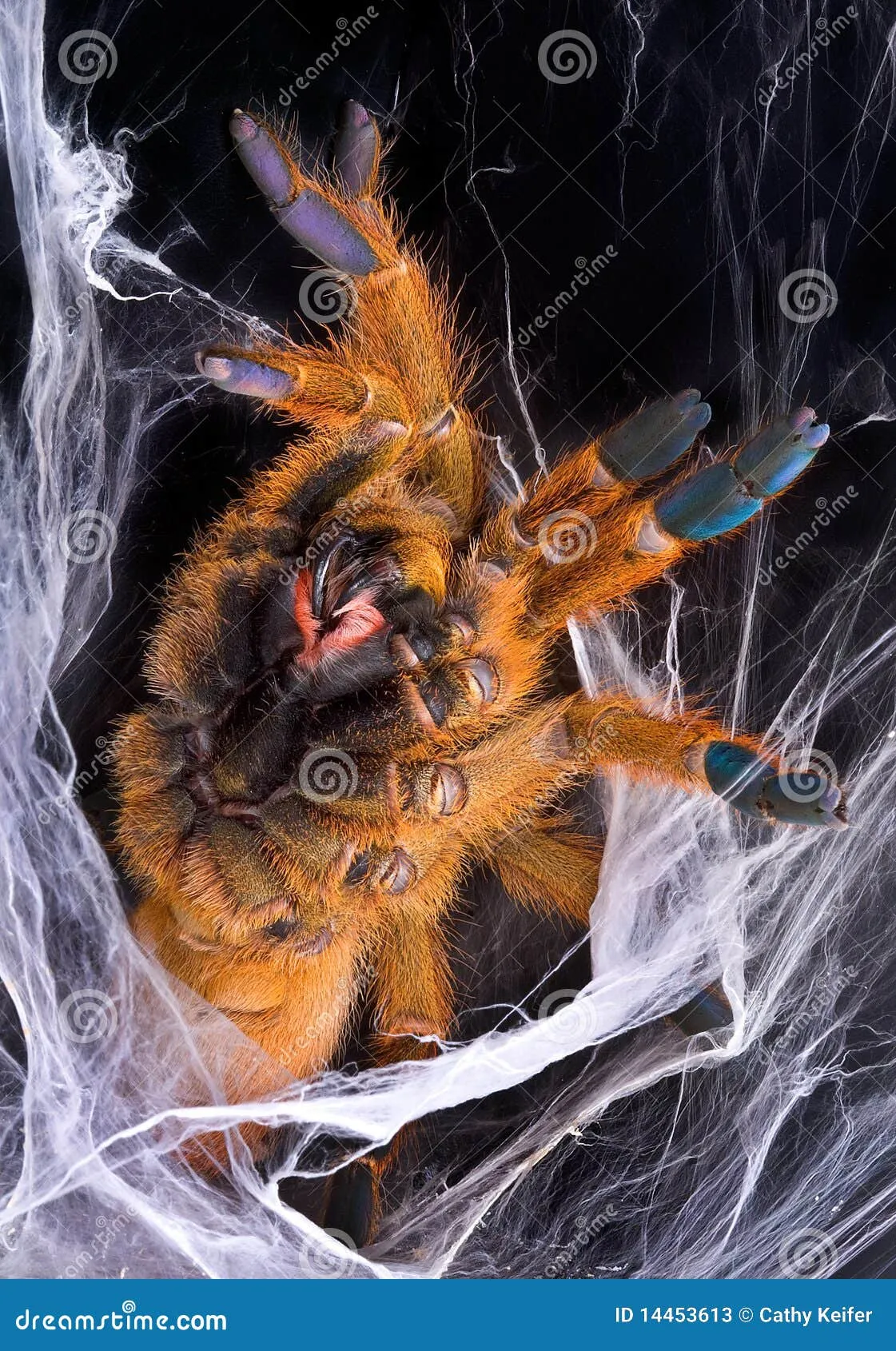
Identifying a Philippine Tarantula involves recognizing its distinct physical characteristics. They typically have a robust build, with a body length that can reach up to 7-8 inches, including leg span. Their bodies are covered in dense hairs, varying in color from dark brown to black. Key features to look for include their large fangs, used for injecting venom, and their eight eyes, arranged in a specific pattern on the cephalothorax. Accurate identification is essential for understanding the potential risks and ensuring appropriate safety measures.
Where Do They Live? Habitat and Range
The habitat of the Philippine Tarantula is primarily within the Philippine archipelago. They can be found in various environments, including tropical forests, grasslands, and even around human settlements. They typically construct burrows in the ground or take shelter under rocks, logs, or other natural debris. The range of the Philippine Tarantula is specific to the islands of the Philippines, influencing where encounters with these spiders are most likely. Understanding their habitat helps in predicting their presence and avoiding potential interactions.
Fact 1 Are Philippine Tarantulas Poisonous?
The term ‘poisonous’ is often used incorrectly in the context of spiders. Instead, tarantulas, including the Philippine Tarantula, are venomous. This means they inject toxins through their fangs. The venom is used to subdue prey and, in the case of a bite to humans, can cause localized pain and other symptoms. However, it is important to note that tarantula venom is generally not considered lethal to humans, although reactions can vary.
The Nature of Tarantula Venom

Tarantula venom is a complex mixture of proteins, enzymes, and other compounds designed to incapacitate prey. The specific composition of the venom varies among different species of tarantulas. In the case of the Philippine Tarantula, the venom primarily affects the nervous system. It causes pain, muscle cramps, and other localized effects. The potency and effects of the venom can also depend on the size of the spider, the amount of venom injected, and the individual’s sensitivity.
Fact 2 What Happens If You Get Bitten?
A bite from a Philippine Tarantula is typically a painful experience. The severity of the reaction can depend on several factors, including the amount of venom injected, the individual’s sensitivity, and the location of the bite. Unlike some other venomous creatures, tarantula bites are rarely life-threatening, but they can cause considerable discomfort and require appropriate care to manage the symptoms and prevent complications.
Symptoms of a Philippine Tarantula Bite
Common symptoms include immediate, sharp pain at the bite site, followed by redness, swelling, and itching. Other symptoms may include muscle cramps, nausea, and in some cases, mild fever. It is essential to monitor the bite for signs of infection. While severe systemic reactions are rare, it is crucial to seek medical attention if symptoms worsen significantly or if there are signs of an allergic reaction, such as difficulty breathing or swelling of the throat.
First Aid and Medical Treatment

Immediate first aid for a Philippine Tarantula bite involves washing the area with soap and water. Applying a cold compress can help reduce pain and swelling. It’s also important to keep the affected area elevated. Seeking medical attention is recommended, especially if symptoms are severe or if you experience any allergic reaction. Medical treatment may include pain relievers, antihistamines for allergic reactions, and, in rare cases, antivenom. Always follow the medical professionals’ guidance.
Fact 3 How Dangerous Are the Bites?
The danger associated with a Philippine Tarantula bite is generally low. The venom is not considered highly toxic to humans, and fatalities are extremely rare. However, the bite can be quite painful, and complications can arise if the wound becomes infected or if an individual has an allergic reaction. Understanding the factors that influence the severity of a bite helps in assessing the risk and taking appropriate precautions.
Severity Factors and Risk Assessment
The severity of a bite depends on the amount of venom injected, the size and health of the person bitten, and the location of the bite. Children, the elderly, and individuals with pre-existing health conditions may be more susceptible to severe reactions. Bites near sensitive areas, such as the face or neck, may also be more concerning. Overall, although the venom isn’t lethal, it is important to seek medical help.
Fact 4 Common Myths About Tarantula Bites

Misinformation about tarantula bites is prevalent. Common myths include the idea that all tarantula bites are deadly or that antivenom is always necessary. Another myth is that you should suck the venom out of the wound. It is important to separate fact from fiction to avoid unnecessary panic and to ensure the correct response to a bite. Understanding the truth about tarantula bites allows for a more informed and rational approach.
Separating Fact from Fiction
One of the most persistent myths is that tarantula bites are always fatal. In reality, fatalities from tarantula bites are extremely rare. The venom, while causing pain, swelling, and other symptoms, is not potent enough to kill a healthy adult. Another myth is that all tarantulas are aggressive and will bite on sight. In truth, tarantulas are generally docile and prefer to flee rather than bite. Education is the best tool against the fear of these creatures.
Fact 5 How to Prevent Bites
The best way to avoid a Philippine Tarantula bite is to practice caution and avoid direct contact with these spiders. This includes being aware of their habitat, avoiding reaching into areas where they might be hiding, and taking precautions when handling or working in areas where tarantulas are known to be present. Implementing preventive measures significantly reduces the risk of a bite.
Safe Handling and Prevention Tips

If you encounter a Philippine Tarantula, it is best to observe it from a distance. Avoid any attempt to handle or provoke the spider. If you must handle the spider, it should be done only by experienced individuals with proper training and equipment. Wear protective gear, such as gloves and long sleeves, when working in areas where tarantulas are likely to be. Regularly inspect your home and surroundings for signs of tarantulas, and seal any cracks or openings where they might enter.
Conclusion
The Philippine Tarantula, while venomous, poses a relatively low threat to humans. Understanding the facts about their bites, including the symptoms, risks, and prevention methods, is crucial for both safety and appreciation of these creatures. By dispelling myths and providing accurate information, we can foster a more informed and less fearful approach to living alongside these fascinating arachnids. Always prioritize safety, seek medical advice when needed, and continue learning about the natural world around you.