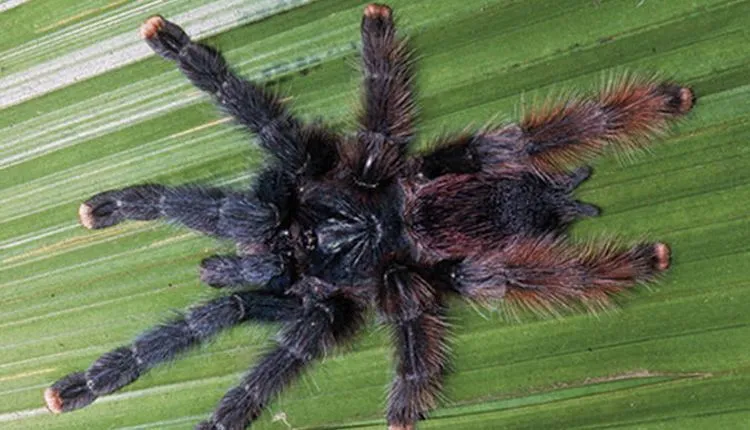
Why Your Pink Toe Tarantula Won’t Eat
Seeing your pink toe tarantula refuse food can be concerning, but it’s often a common occurrence with these fascinating creatures. Several factors can contribute to a loss of appetite, ranging from environmental conditions to the tarantula’s natural life cycle. Understanding these reasons is the first step in ensuring your pet’s well-being. This article will explore the top five reasons why your pink toe tarantula might not be eating and provide you with actionable steps to address the issue. Recognizing the underlying cause allows you to adjust your care routine, promoting a healthy and happy tarantula. Proper care and understanding of their needs is crucial for any tarantula owner, and the ability to identify and resolve feeding issues is a key part of this.
Stress and Environmental Factors
Pink toe tarantulas are sensitive to their environment, and stress can significantly impact their feeding habits. Loud noises, excessive handling, or frequent enclosure disturbances can all contribute to stress. A tarantula that feels threatened or insecure may retreat and refuse food. Also, ensure the enclosure is located in a quiet area away from high traffic and potential disturbances. Observe your tarantula’s behavior closely, and make adjustments to minimize stress. The proper enclosure setup is critical. The environment should mimic their natural habitat, providing a sense of security. They need a secure, appropriate enclosure to thrive and be less stressed, which then will encourage them to eat.
Improper Enclosure Setup
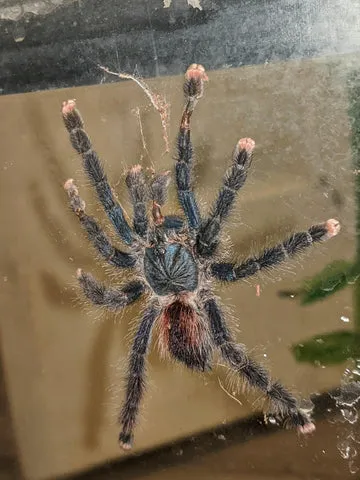
A poorly set up enclosure can be another reason for feeding issues. The enclosure should be appropriately sized for your tarantula, providing enough space to move around but also offering a sense of security. Pink toes are arboreal, so the enclosure should be taller than it is wide, allowing for climbing space. Provide plenty of vertical elements like branches or cork bark for climbing and hiding. A cluttered, well-designed environment can make your tarantula feel more secure and encourage it to eat. The substrate should be appropriate for maintaining humidity, and the enclosure should have proper ventilation to prevent the buildup of stagnant air. The overall goal is to create a comfortable, secure environment that mimics their natural habitat.
Temperature and Humidity Issues
Temperature and humidity are critical for a pink toe tarantula’s well-being and appetite. These tarantulas thrive in a warm and humid environment, typically with temperatures between 75-85°F (24-29°C) and humidity levels of 70-80%. Low temperatures can slow down their metabolism, reducing their need for food. In addition, insufficient humidity can lead to dehydration, which can also suppress appetite. Regularly monitor the temperature and humidity levels in the enclosure using a reliable thermometer and hygrometer. Adjust the heating and misting schedule as needed to maintain optimal conditions. Misting the enclosure once or twice a day and ensuring proper ventilation can help regulate humidity. This will keep them healthy and wanting to eat.
Understanding Molting
Molting is a natural process where tarantulas shed their exoskeletons to grow. During this time, they typically stop eating. Recognizing the signs of an upcoming molt can help you understand why your tarantula is not eating. The molting process can be a significant event for a tarantula, and it’s essential to provide a safe and stress-free environment during this period. Understanding the stages of molting and the behaviors associated with it is crucial for a tarantula keeper. It’s a time of vulnerability, and avoiding unnecessary disturbances can help ensure a successful molt. Be patient, and allow your tarantula to go through this natural process undisturbed.
The Molting Process

Before molting, tarantulas often become less active and may refuse food for several weeks. They will start by creating a molting mat of webbing on the ground. This mat provides a soft surface for the molt. During the molt, the tarantula will lie on its back, and its exoskeleton will split open. They will then slowly wriggle out of their old shell. The entire process can take several hours. Once the new exoskeleton hardens, the tarantula will be more vulnerable. The molting process is essential for growth and renewal.
Signs Your Tarantula is Molting
Several signs indicate that your pink toe tarantula is preparing to molt. The most common signs include a change in behavior such as becoming less active and spending more time in its hide. The abdomen may appear darker or more translucent, and the tarantula may refuse food. You may also notice that the exoskeleton becomes duller in appearance. If you observe these signs, it is best to leave your tarantula undisturbed and ensure the enclosure conditions are optimal. A successful molt is vital for your tarantula’s health, so a good environment is key. They are often very still and motionless before molting. Never disturb a tarantula that is molting.
Prey-Related Problems
Sometimes, the issue isn’t with the tarantula but with the prey itself. The size and type of prey, as well as the tarantula’s interest in it, can affect feeding. Offering the right type of prey is crucial. Pink toe tarantulas typically eat insects, such as crickets, roaches, and mealworms. However, the size of the prey should be appropriate for the size of the tarantula. If the prey is too large, the tarantula might not be able to handle it, and if the prey is too small, it might not be worth the effort. The nutritional value of the prey also matters, so ensure the insects are well-fed before offering them to your tarantula. This can be a common issue when they do not eat.
Incorrect Prey Size

The size of the prey you offer should be proportional to the size of your tarantula. A good rule of thumb is to offer prey that is no larger than the tarantula’s body length. Too-large prey can stress your tarantula, and too-small prey might not be appealing. Monitor your tarantula’s feeding response and adjust the prey size accordingly. For spiderlings, smaller prey like flightless fruit flies or pinhead crickets are suitable. As the tarantula grows, you can gradually increase the size of the prey to match its needs. Always remove uneaten prey within 24 hours to prevent stressing the tarantula and potential harm from the prey.
Prey Not Being Accepted
Sometimes, a pink toe tarantula may simply not be interested in the prey you offer. This could be due to the type of insect, its nutritional value, or the tarantula’s preferences. Try offering a different type of prey. Variety in the diet can also prevent nutritional deficiencies. Ensure that the insects are healthy, active, and not carrying any parasites or diseases. Also, consider the feeding schedule; overfeeding can sometimes lead to a lack of appetite. If your tarantula consistently refuses to eat, consider consulting with a veterinarian or a tarantula expert to rule out any underlying health issues and see if they have any suggestions for a picky eater.
Health Issues
While pink toe tarantulas are generally hardy, health problems can sometimes lead to a loss of appetite. Dehydration, parasites, and other diseases can all impact their feeding behavior. If you suspect a health issue, it’s essential to address it promptly. Observe your tarantula for any other symptoms, such as lethargy, unusual posture, or physical abnormalities. Recognizing these issues is the first step to helping your tarantula. Consulting a veterinarian or a tarantula expert can help with diagnosis and treatment. Preventative care, such as maintaining proper enclosure conditions and providing a balanced diet, is essential for maintaining your tarantula’s health.
Dehydration

Dehydration can cause a tarantula to become lethargic and lose its appetite. Signs of dehydration include a wrinkled abdomen, a lack of movement, and a general lack of interest in the environment. Ensure your tarantula has access to fresh water. This can be done by providing a shallow water dish with a sponge. In addition, mist the enclosure regularly to maintain proper humidity levels. If you suspect dehydration, you can mist the tarantula directly with a fine spray of water. Always make sure that the water is clean and free of any chemicals. By ensuring the tarantula has access to water, you can help prevent or treat dehydration, which can affect their feeding behaviors.
Parasites and Diseases
Parasites and diseases can also affect a pink toe tarantula’s appetite. These can be caused by a variety of factors, including poor enclosure conditions, contaminated prey, or contact with other infected animals. Symptoms may include lethargy, weight loss, and a refusal to eat. If you suspect your tarantula has a parasite or disease, it’s essential to seek veterinary care. A veterinarian can perform tests to determine the cause of the problem and recommend appropriate treatment. Maintaining a clean enclosure and providing nutritious, parasite-free prey can help prevent these issues. Regular observation of your tarantula and quick action when problems arise will keep your pet healthy and encourage them to eat.
How to Address the Problem
When you observe that your pink toe tarantula isn’t eating, take a systematic approach to identify and address the cause. Start by reviewing the enclosure conditions, checking the temperature, humidity, and overall environment. Make any necessary adjustments to optimize these conditions. Next, consider the prey. Ensure the prey is the appropriate size and type, is of good quality, and is offered at the correct time. Observe your tarantula’s behavior for any signs of stress or illness. Reduce disturbances and handling. If the problem persists, it’s always a good idea to consult with a veterinarian or a tarantula expert. They can provide expert advice and help rule out any underlying health issues. With careful observation and prompt action, you can usually resolve feeding issues and keep your pink toe tarantula happy and healthy.