Understanding Pinktoe Tarantulas
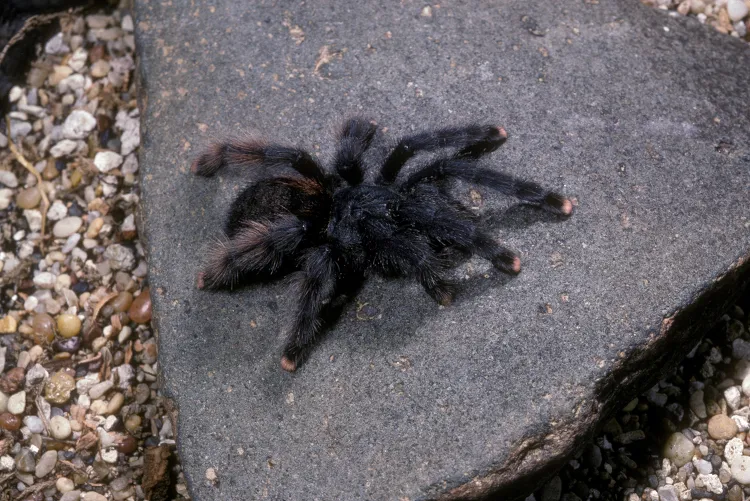
Pinktoe tarantulas (Avicularia avicularia) are fascinating creatures that have gained popularity as pets. These arboreal tarantulas, native to the rainforests of South America and the Caribbean, are known for their striking appearance and relatively docile temperament. Before you consider bringing one home, understanding their basic needs and characteristics is crucial for providing proper care and ensuring their well-being. Their unique needs make them a rewarding pet for those prepared to provide a suitable environment. They are also a beautiful species to observe, their calm demeanor and interesting habits making them a captivating addition to any home.
Origin and Habitat
Pinktoe tarantulas originate from tropical rainforests, where they live in trees and shrubs. Their natural habitat influences their needs in captivity, including the need for high humidity, proper ventilation, and vertical space for climbing. Understanding their origin helps in recreating a suitable environment. They thrive in humid conditions, mimicking the rainforests they are native to. Careful attention to temperature and humidity levels will ensure your pet thrives.
Appearance and Characteristics

These tarantulas are named for their distinct pink or reddish-pink toe pads, which provide excellent grip. Their bodies are typically covered in a velvety, iridescent coat. Pinktoe tarantulas are medium-sized, with a leg span that can reach up to 5 inches. They are known for their calm demeanor and beautiful appearance, making them a great choice for beginner tarantula keepers. Their arboreal nature makes them unique compared to other tarantulas. The color and appearance can vary depending on the individual spider and the environment.
Why Pinktoe Tarantulas Make Great Pets
Pinktoe tarantulas are increasingly popular as pets due to their relatively low-maintenance needs and captivating appearance. Unlike many other exotic pets, they don’t require constant interaction and are relatively easy to care for. Their unique characteristics make them an ideal pet for those looking for an interesting and rewarding animal to observe. They are an intriguing species to watch and are beautiful in both appearance and temperament. Their calm nature reduces the stress of handling for both the owner and the tarantula.
Low Maintenance Pets
Once their enclosure is properly set up, pinktoe tarantulas require minimal daily care. Feeding them once or twice a week, providing fresh water, and spot cleaning their enclosure are typically sufficient. This low-maintenance nature makes them a great choice for busy individuals. Their self-sufficient nature allows owners to enjoy the pet without the constant demands of many other animals. This convenience is a significant advantage for many potential pet owners.
Docile Temperament

Pinktoe tarantulas are generally docile and not prone to biting unless provoked. They are not typically aggressive, which reduces the risk of injury for the owner. Their calm nature makes them easier to handle and observe. This gentle nature makes them a great entry point for those unfamiliar with exotic pets. Always handle with caution to avoid scaring the tarantula.
Captivating Appearance
The striking appearance of pinktoe tarantulas is a major draw for many pet owners. Their vibrant colors and elegant movements make them visually appealing. Their arboreal nature and graceful movements offer a unique visual experience. Their beauty and grace make them fascinating pets to observe. This unique look separates them from many other pet options.
Top 5 Pinktoe Tarantula Care Tips
Providing the proper care for a pinktoe tarantula involves creating an environment that mimics their natural habitat. By following these five key tips, you can ensure the health and happiness of your pet. The enclosure, food, and hydration all are essential elements for a happy and healthy tarantula. Creating the perfect environment is essential for the tarantula’s well-being.
Creating the Perfect Enclosure
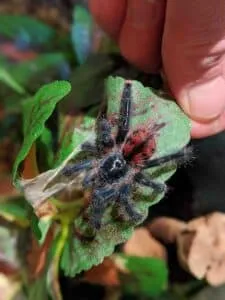
Choose a tall, well-ventilated enclosure made of glass or acrylic. The enclosure size should be appropriate for the tarantula’s size, with enough space for climbing and webbing. Provide ample vertical space, branches, and foliage for your pinktoe tarantula to climb and create its web. Ensure the enclosure has a secure lid to prevent escapes. The enclosure is a critical factor for the safety and comfort of your tarantula.
Substrate and Decor
Use a substrate that retains moisture and allows for burrowing if the tarantula chooses. Coconut fiber or peat moss are good options. Add decorations like cork bark, artificial plants, and branches to create a naturalistic environment. These additions provide hiding places and climbing opportunities. Ensure any decorations are secure and non-toxic. Proper decoration and substrate will help your tarantula feel at home.
Temperature and Humidity
Maintain a temperature between 75-85°F (24-29°C). Use a heat lamp or mat if necessary, but always monitor the temperature to prevent overheating. Humidity levels should be maintained between 70-80% through regular misting or the use of a humidifier. Use a hygrometer to monitor humidity levels. Proper temperature and humidity are vital for the pinktoe tarantula’s health.
Feeding Your Pinktoe Tarantula
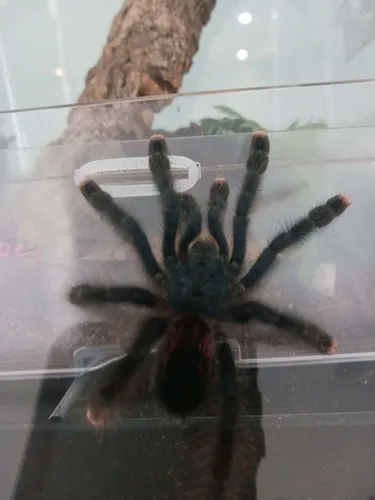
Pinktoe tarantulas are insectivores, meaning they eat insects. The diet should consist primarily of insects such as crickets, roaches, and mealworms. Ensure the insects are gut-loaded before feeding to provide the tarantula with essential nutrients. Feeding the tarantula is a fairly simple task. They also don’t eat every day and can be left alone for a time.
Choosing the Right Food
Offer a variety of insects to provide a balanced diet. Crickets and roaches are staples, while mealworms can be offered as treats. Avoid feeding wild-caught insects, as they may carry parasites or pesticides. The quality of food directly affects the health of the tarantula. Choose insects from reputable sources to ensure they are safe and nutritious.
Feeding Frequency
Feed juvenile tarantulas 2-3 times a week. Adult tarantulas can be fed once or twice a week. Remove any uneaten insects within 24 hours to prevent stress and mold growth. Monitor your tarantula’s abdomen – it should be plump but not overly so. Adjust feeding frequency based on the tarantula’s appetite and size. Overfeeding can lead to health problems.
Water and Hydration

Provide a shallow water dish with fresh, clean water at all times. Pinktoe tarantulas drink from droplets on their webbing and the enclosure walls. Regular misting is essential to maintain humidity and provide drinking water. Proper hydration is vital for the tarantula’s overall health. Make sure the water dish is shallow to prevent drowning.
Proper Hydration Methods
Misting the enclosure lightly with dechlorinated water 2-3 times a week. This mimics the humidity of their natural environment. Ensure the water dish is always full. If the tarantula seems dehydrated, increase the frequency of misting. Keep the substrate slightly moist, but avoid making it overly wet. Proper hydration prevents molting issues and keeps your tarantula healthy.
Maintaining a Clean Environment
Regular cleaning is essential to prevent the build-up of waste and mold. This helps keep the tarantula healthy and the enclosure looking its best. A clean enclosure reduces the risk of health problems. Maintaining a clean environment is essential for the well-being of your pet.
Regular Cleaning

Spot clean the enclosure weekly, removing any uneaten food, dead insects, and feces. Replace the substrate every few months, or more frequently if needed. Wash the water dish regularly. Disinfect the enclosure if needed. Always use a non-toxic cleaner. Careful cleaning habits ensure a healthy environment for your tarantula.
Handling and Interaction
While pinktoe tarantulas can be handled, it’s best to minimize handling to reduce stress on the tarantula. They are not animals that enjoy being held and are better observed than interacted with. If you do handle your tarantula, do so with caution and gentle movements. Handle your tarantula only when necessary and always handle with great care. Remember to always wash your hands before and after handling.
How to Handle Safely
If you choose to handle your tarantula, do so close to the ground to prevent falls. Use a soft surface, like a bed or couch, to minimize the risk of injury. Gently scoop the tarantula from underneath with your hands, avoiding sudden movements. Never grab or squeeze the tarantula. Supervise children when handling the tarantula. Always be calm and move slowly. Handle the tarantula carefully.
Potential Health Issues and Solutions
Like all pets, pinktoe tarantulas can experience health problems. By being aware of potential issues and taking preventative measures, you can help ensure your tarantula lives a long and healthy life. Regular observation and preventative care are critical. Monitoring their behavior and appearance is crucial for addressing issues early. Identifying health problems early is key to successful treatment.
Common Health Problems
Common issues include dehydration, molting problems, and parasites. Dehydration can be caused by insufficient water or low humidity. Molting problems can be caused by insufficient humidity or an unsuitable enclosure. Parasites can be introduced through contaminated food or substrate. Be vigilant in looking for common problems.
Preventative Measures
Provide a clean and appropriate environment, with proper temperature, humidity, and ventilation. Offer a balanced diet and fresh water. Quarantine new tarantulas before introducing them to your collection. If you notice any health concerns, consult with a veterinarian experienced with exotic pets. Prevention is key to avoiding health problems. A proactive approach to care will contribute to the overall well-being of your pet.