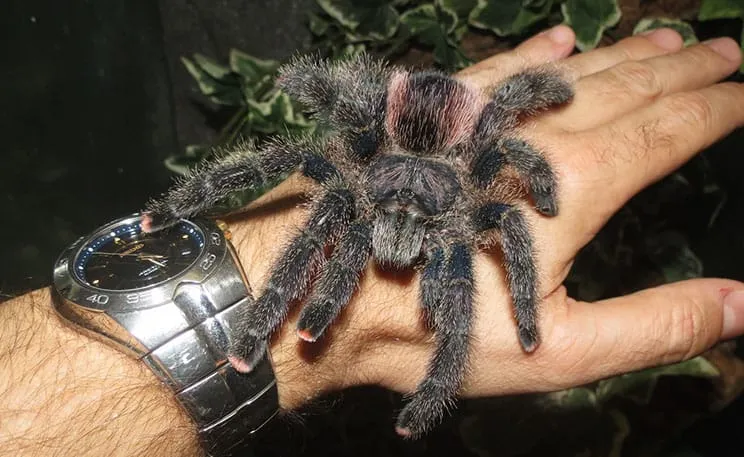
What is a Venezuelan Red Slate Pinktoe Tarantula
The Venezuelan Red Slate Pinktoe Tarantula, scientifically known as Caribena versicolor, is a captivating species of arboreal tarantula, admired for its vibrant colors and relatively docile nature. Native to the tropical forests of Venezuela, this spider has become a popular choice among tarantula enthusiasts. Its striking appearance, combined with its manageable size and care requirements, makes it an appealing pet for both novice and experienced keepers. Their beauty and interesting behaviors have contributed to their popularity in the exotic pet trade.
Origin and Habitat
Originating from the lush, humid environments of Venezuela, the Venezuelan Pinktoe Tarantula thrives in tropical rainforests. These spiders are arboreal, meaning they spend most of their lives in trees. They construct silken retreats among branches and foliage, where they hunt for prey and seek shelter. Understanding their natural habitat is crucial for providing appropriate care in captivity. Replicating their natural environment ensures their well-being and promotes their natural behaviors.
Appearance and Colors

One of the most striking features of the Venezuelan Pinktoe Tarantula is its vibrant coloration. Juveniles often display a stunning palette of colors, including iridescent blues, greens, reds, and purples, that gradually transform as they mature. The ‘Pinktoe’ designation comes from the characteristic pink or reddish coloration on the tips of their legs. The carapace is usually a metallic green or gold, adding to their captivating appearance. This visual appeal is a significant factor in their popularity as pets. (pinktoe-tarantula-colors.webp)
Lifespan and Size
Venezuelan Pinktoe Tarantulas have a moderate lifespan compared to some other tarantula species. Females can live for up to 10-12 years, while males typically have shorter lifespans, around 3-5 years. In terms of size, these tarantulas are considered medium-sized. The body length of an adult can reach up to 2 inches, with a leg span of up to 5-6 inches. Their manageable size, combined with their longevity, makes them an ideal choice for many pet owners. (pinktoe-tarantula-size.webp)
Top 7 Amazing Facts
Fact 1 Exquisite Arboreal Lifestyle

The Venezuelan Pinktoe Tarantula is a dedicated arboreal species, spending its life primarily in trees. They construct silken webs within the foliage, using these as retreats and hunting grounds. The intricate web structures provide security and aid in capturing prey. This arboreal lifestyle contrasts with many terrestrial tarantula species, offering a fascinating glimpse into their unique behavioral adaptations. Their ability to climb and navigate their environment is a testament to their arboreal nature. (venezuelan-pinktoe-tarantula-climbing.webp)
Fact 2 Stunning Color Variations
Pinktoe Tarantulas exhibit remarkable color variations throughout their life cycle. Spiderlings often display brilliant metallic hues that can include blues, greens, and purples. As they mature, these colors may shift or fade, but the overall aesthetic remains striking. The contrast between the vibrant body and the characteristic pink toe tips makes them visually appealing pets. This colorful display is one of the key reasons why this species is so popular. (pinktoe-tarantula-colors.webp)
Fact 3 Unique Defense Mechanism
Unlike some tarantulas that rely on urticating hairs for defense, the Pinktoe Tarantula uses a different approach. When threatened, they may try to flee or, if cornered, they can release a liquid from their spinnerets. This liquid, while not dangerous, is a deterrent to potential predators. This unique defense mechanism adds to the intriguing nature of this species. (pinktoe-tarantula-close-up.webp)
Fact 4 Relatively Docile Temperament

Compared to some other tarantula species, the Venezuelan Pinktoe Tarantula is known for its relatively docile temperament. While individual personalities can vary, they are generally less prone to defensive behaviors like biting. This calmer demeanor makes them a more approachable choice for tarantula keepers, though careful handling and respect for their space are always essential. Their temperament contributes to their suitability as pets. (pinktoe-tarantula-handling.webp)
Fact 5 Rapid Growth Rate
Pinktoe Tarantulas exhibit a relatively rapid growth rate, especially during their juvenile stages. They molt frequently as they grow, shedding their exoskeleton to accommodate their increasing size. This rapid growth makes them fascinating to observe as they develop from spiderlings to adults. Proper care and feeding contribute to their healthy development. (pinktoe-tarantula-molting.webp)
Fact 6 Nocturnal Hunter
The Venezuelan Pinktoe Tarantula is primarily a nocturnal hunter. They are most active during the night, when they emerge from their retreats to hunt for prey. They use their keen senses to detect movement and vibration, ambushing insects and other small creatures. This nocturnal behavior is a natural adaptation to their environment, allowing them to avoid predators and take advantage of the cover of darkness. (pinktoe-tarantula-feeding.webp)
Fact 7 Relatively Low Maintenance Pets

Compared to some other exotic pets, the Venezuelan Pinktoe Tarantula is relatively low maintenance. Their care requirements are manageable, involving providing a suitable enclosure, maintaining proper humidity levels, and feeding them appropriately. This makes them a good option for those new to tarantula keeping, as long as the basic needs are met. Their manageable care is a key factor in their popularity. (pinktoe-tarantula-habitat.webp)
Caring for Your Pinktoe Tarantula
Enclosure Setup
Creating a suitable enclosure is crucial for the well-being of your Venezuelan Pinktoe Tarantula. A tall, well-ventilated enclosure is ideal, as they are arboreal. Provide vertical climbing structures, such as cork bark or branches, to mimic their natural habitat. Maintain a substrate of a mixture of coco fiber, vermiculite, and sphagnum moss to retain humidity. Proper ventilation is important to prevent mold growth, while maintaining a humidity level of 70-80% is essential for molting. A water dish should always be available. (pinktoe-tarantula-habitat.webp)
Feeding and Diet

Feeding your Pinktoe Tarantula is a straightforward process. They primarily consume insects, such as crickets, roaches, and mealworms. The size of the prey should be appropriate for the size of the tarantula. Feed juveniles 2-3 times per week, and adults once or twice a week. Provide fresh water in a shallow dish. Remove any uneaten food within 24 hours to prevent mold and maintain a clean environment. (pinktoe-tarantula-feeding.webp)
Handling and Safety
While the Venezuelan Pinktoe Tarantula has a relatively docile temperament, handling should be done with care. Avoid handling them unnecessarily, and always be gentle. If handling is required, do so over a soft surface to prevent injury if the tarantula falls. Be mindful of their speed and agility, and avoid startling them. Wash your hands thoroughly after handling. Always prioritize the safety and well-being of both the tarantula and yourself.
Common Health Issues and Prevention
Pinktoe Tarantulas are generally hardy, but can be susceptible to certain health issues. Dehydration is a common problem, so ensure a constant water source. Watch for signs of mites, which can be introduced through substrate or food. Prevent fungal infections by maintaining proper ventilation and humidity levels. Regular observation of your tarantula’s behavior, feeding habits, and overall appearance is key to early detection of any potential health concerns. Consulting with an experienced tarantula keeper or veterinarian specializing in exotic animals is advisable if you notice any problems.