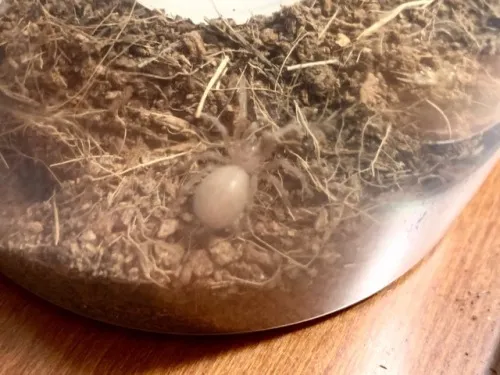
What is a Premolt Tarantula?
Understanding the premolt stage is crucial for tarantula keepers. Premolt is the period before a tarantula molts, shedding its exoskeleton to grow larger. This is a vulnerable but exciting time, as you can observe the fascinating process of a spider preparing for a new chapter in its life. Recognizing the signs of premolt allows you to adjust your care to ensure your tarantula’s safety and well-being. The timing of molting varies depending on the tarantula’s age, species, and environmental conditions. Juvenile tarantulas typically molt more frequently than adults, who may only molt once a year, or even less. Being able to identify premolt allows you to create the best possible environment for your tarantula to successfully molt and thrive.
Physical Changes Indicating Premolt
Several physical changes indicate that your tarantula is entering the premolt stage. These changes are often subtle at first, but become more apparent as the molting process nears. Regularly observing your tarantula and its enclosure will help you identify these indicators. Early detection allows you to take the necessary steps to support your spider during this crucial phase. These physical changes are clear indicators that your tarantula is about to undergo the molting process. Paying close attention to these subtle transformations can significantly improve your tarantula’s molting experience and overall health.
Color Changes in Premolt Tarantulas

One of the earliest signs of premolt is a change in the tarantula’s coloration. The vibrant colors of the tarantula may appear duller or faded. The spider’s carapace, the hard shell on its back, might darken, and the abdomen might appear more shiny. This darkening is due to the new exoskeleton forming beneath the old one. You might also notice that the hairs on the tarantula’s body are less vibrant. The intensity of these color changes varies depending on the species of tarantula, but any noticeable shift from the usual coloration is a key sign that a molt is on the horizon, indicating the complex process happening underneath its outer layer.
Abdomen Appearance in Premolt Tarantulas
The abdomen’s appearance provides another significant clue. As the tarantula prepares to molt, the abdomen often appears darker and larger. This is because the new exoskeleton is forming underneath. You might notice that the abdomen looks swollen or that the skin between the segments becomes stretched and tight. The abdomen might also appear more translucent. In some species, a bald spot may also appear on the abdomen, the bald spot is a clear sign that the tarantula is getting ready to shed its skin. Observing these abdominal changes is an important part of determining when your tarantula is in premolt and when it may be close to molting.
Behavioral Changes during Premolt
In addition to physical changes, your tarantula’s behavior will also change as it enters the premolt stage. Being able to recognize these behavioral shifts is essential for providing appropriate care and support during this sensitive period. You may observe reduced activity levels and a lack of interest in food. These behavioral adjustments are indicative of the internal changes preparing your tarantula to shed its old exoskeleton. Understanding these behavioral changes is key to knowing how to care for your tarantula during premolt.
Loss of Appetite

One of the most noticeable behavioral changes is a loss of appetite. Your tarantula will likely stop eating or show little interest in food. Even if you offer its favorite meal, it may refuse it completely. This is a clear sign that the molting process is underway. The tarantula knows it will soon be shedding its exoskeleton and does not need to consume extra energy or food during this process. Continuing to offer food, even if refused, is acceptable, but remove uneaten prey to avoid stress or potential injury to your tarantula.
Lethargy and Reduced Activity
Your tarantula will become noticeably less active. It may spend more time in its hide or burrow, and its movements will be slower and more deliberate. The tarantula might also appear more sluggish. This is normal, as it conserves energy for the molting process. Try to avoid disturbing your tarantula during this time, providing a calm and stress-free environment is essential for a successful molt. Provide a quiet space and limit any handling or unnecessary interaction. This helps to minimize stress and promote a healthy molt, ensuring its well-being.
Preparing Your Tarantula for Molting
Preparing your tarantula’s enclosure can greatly influence its chances of a successful molt. Ensuring that the environment meets specific requirements can prevent complications and promote a healthy molting process. Preparing your tarantula’s enclosure is a critical part of supporting them through premolt. By providing an appropriate environment, you can significantly improve your tarantula’s chances of a successful and stress-free molt. Here are some essential steps to take to support your tarantula during this period.
Creating the Right Environment

Provide a safe and undisturbed environment. Remove any potential hazards, such as heavy decorations or sharp objects, that could injure your tarantula during molting. Ensure that the substrate is deep enough for your tarantula to burrow and create a secure molting space. It is also crucial to keep the enclosure clean and free of uneaten food or waste. Maintaining a clean and secure environment will ensure that your tarantula has a safe and successful molting experience, free from potential stress and injury. These preparations play a crucial role in supporting their well-being.
Maintaining Proper Humidity
Proper humidity is critical for a successful molt. The ideal humidity level varies depending on the species of tarantula, but it is generally important to keep the substrate moist. You can maintain humidity by misting the enclosure regularly or by providing a water dish. Adequate humidity helps the tarantula shed its old exoskeleton and reduces the risk of a failed molt. Monitoring the humidity levels with a hygrometer is also important. A well-maintained humid environment ensures your tarantula has an optimum atmosphere for shedding, significantly enhancing their chances of successful molting.
Feeding and Hydration during Premolt
While your tarantula may not want to eat, always provide a fresh water source. A shallow water dish should be available at all times, especially as hydration is key during the molting process. If the tarantula does not eat, remove any uneaten food after 24 hours. Do not force-feed. Observe your tarantula and monitor its condition. Ensuring appropriate hydration is crucial, as it directly impacts a tarantula’s capability to molt. By providing fresh water and refraining from forced feeding, you are supporting the tarantula’s natural molting process.
Post-Molting Care and What to Expect

After your tarantula has molted, it will be significantly more vulnerable. The new exoskeleton is soft and needs time to harden. Avoid handling your tarantula for at least a week or two post-molt. Ensure the enclosure remains at the correct temperature and humidity levels. Provide fresh water and start offering food a week after the molt, as the chelicerae and fangs need to harden before feeding. The post-molting stage is just as important as the premolt. Ensuring the environment is right and handling is limited will allow your tarantula to fully recover and thrive, continuing their growth cycle. The molting process offers a good opportunity for observing and appreciating the marvels of nature.