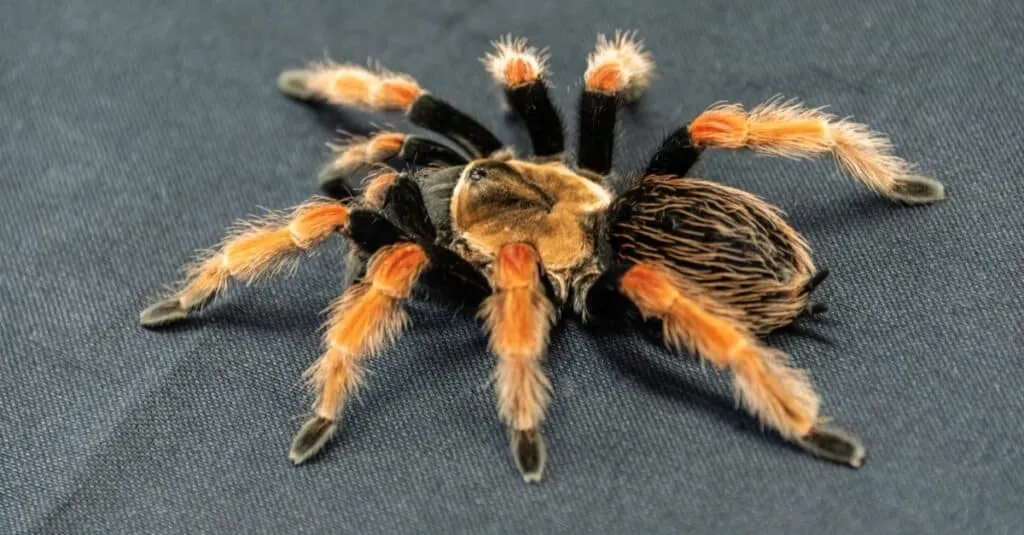
Discovering your beloved red knee tarantula isn’t eating can be a worrying experience for any pet owner. These fascinating creatures have specific needs, and a loss of appetite can signal underlying issues. This guide explores the top five reasons why your red knee tarantula might be refusing food, offering insights to help you troubleshoot and ensure your pet thrives. Understanding these factors is crucial for maintaining a healthy and happy tarantula. It is important to consider that tarantulas, especially red knees, can go extended periods without eating, however, it is a great practice to find the cause of why the tarantula isn’t eating for long periods.
Red Knee Tarantula Not Eating? Top 5 Reasons
A red knee tarantula’s feeding habits are influenced by several environmental and biological factors. It’s essential to consider temperature, molting cycles, stress, prey-related aspects, and potential health concerns when your tarantula stops eating. By addressing these key areas, you can improve your tarantula’s well-being and ensure it maintains a healthy appetite. Many owners start to feel concerned quickly when their pet tarantula stops eating, but finding the cause of the problem is the first step to make your tarantula healthy again. Keep reading to get the main reasons why your red knee tarantula isn’t eating.
Temperature Issues
Temperature plays a vital role in a red knee tarantula’s metabolism and appetite. Maintaining the correct temperature range is essential for their health and feeding behavior. Incorrect temperatures can severely impact their ability to eat and digest food properly. If the temperature is not within the right range, the tarantula’s body may not function effectively, which can cause the tarantula to stop eating. Ensure that the heat source, whether a heat mat or lamp, is working correctly and that you are monitoring the temperature regularly with a reliable thermometer to ensure the right conditions are set for your tarantula.
Ideal Temperature Range for Red Knee Tarantulas

Red knee tarantulas thrive in a specific temperature range. The ideal temperature for these tarantulas is typically between 75-85°F (24-29°C). Providing a thermal gradient within the enclosure is beneficial, allowing your tarantula to regulate its body temperature by moving to warmer or cooler areas. Using a thermometer to monitor the temperature is crucial, and placing it on both sides of the enclosure can give you a great understanding of the gradient you have set for your pet. Maintaining a stable temperature is essential to the tarantula’s feeding behavior, and if it is not in the right range it may stop eating.
Impact of Cold Temperatures on Appetite
Cold temperatures can significantly slow down a tarantula’s metabolism. This can lead to a decreased appetite, as the tarantula’s digestive processes become sluggish. If the enclosure is too cold, your tarantula may become lethargic and less interested in food. Ensure the enclosure is heated appropriately and consider using a heat source if the ambient temperature drops below the recommended range. The colder the temperature, the more likely it is your tarantula won’t eat, which may cause concern to the owner. If the temperatures are cold, make sure you are taking steps to keep it warm to keep your pet healthy.
Impact of High Temperatures on Appetite
High temperatures can also negatively affect a tarantula’s appetite. Excessive heat can stress the tarantula, leading to a loss of interest in food. In extremely hot conditions, tarantulas may also become dehydrated. Ensure the enclosure isn’t exposed to direct sunlight or excessive heat sources. Maintaining good ventilation and providing a shallow water dish can help regulate the temperature and keep the tarantula comfortable. A hot temperature can be as dangerous as a cold one, so make sure you are keeping an eye on the temperature.
Molting Cycle

Molting is a natural process where tarantulas shed their exoskeleton to grow. During this period, their appetite often decreases or disappears altogether. Understanding the molting cycle can help you distinguish between normal behavior and potential health concerns. If you are new to owning a tarantula, it can be scary to find out that your pet won’t eat for weeks or months, but the molting cycle is the cause. To solve this issue, patience is key, and providing the right environment.
Signs Your Tarantula is Molting
Several signs indicate a tarantula is preparing to molt. These include a darkening of the abdomen, lethargy, and the tarantula may start to refuse food. They might also spend more time hiding or constructing a web mat. Some tarantulas will flip onto their backs, which can be a sign they’re starting the process. If you notice these signs, it’s best to avoid disturbing your tarantula and ensure the enclosure has adequate humidity to assist in the molting process. Remember to be patient during this time, as molting can take several days or even weeks, and it’s important to provide the right environment for your pet to molt.
How Molting Affects Eating Habits
During the pre-molt phase, tarantulas often stop eating, conserving energy for the upcoming process. Their appetite will usually return after they’ve successfully molted and their new exoskeleton has hardened. Avoid offering food during this time, as the tarantula may not be interested and the uneaten prey could stress the tarantula. Once the molting is complete and the tarantula’s fangs have hardened, you can resume feeding. Once your tarantula molts, it is important to leave the exoskeleton in the enclosure until the tarantula hardens so it can feed on it. This will help it get nutrients back into its system, and it will start to eat again.
Pre-Molting Fasting Behavior

Fasting before a molt is completely normal behavior. The duration of this fasting period varies but can last from a few weeks to a few months, depending on the tarantula’s age and overall health. Provide fresh water and maintain the appropriate humidity levels to help the tarantula during this process. Refrain from handling the tarantula or making any sudden changes to its environment, as stress can hinder the molting process. The pre-molting stage is something your tarantula will experience, and understanding it will help you keep your tarantula healthy and happy.
Stress and Environmental Factors
Stress can significantly impact a tarantula’s feeding habits. Providing a secure and comfortable environment is crucial for your tarantula’s well-being and appetite. External factors, such as noise, vibration, and poor enclosure conditions, can cause stress and lead to feeding refusal. Providing the right conditions for your tarantula will help it stay happy and healthy, which is important for its appetite. Make sure you are doing all you can to make it as comfortable as possible. A comfortable tarantula is a happy tarantula.
Common Stressors for Tarantulas
Tarantulas are sensitive creatures, and various factors can cause stress. Common stressors include frequent handling, loud noises, bright lights, and sudden changes in their environment. The presence of other pets or animals nearby can also stress a tarantula. Minimizing these stressors is vital for promoting a healthy appetite. Avoid unnecessary interactions and provide a quiet, stable environment to reduce anxiety. Keeping your tarantula in a calm environment can make it more likely it will start eating again. The same can be said if the environment is uncomfortable.
Impact of Noise and Vibration

Noise and vibrations can be highly disruptive to tarantulas. Loud sounds, such as music or construction, and vibrations from nearby appliances or heavy foot traffic, can cause stress and lead to a loss of appetite. Position the tarantula’s enclosure in a quiet area away from these disturbances. Ensure the enclosure is stable and secure, and avoid placing it in high-traffic areas. A calm environment is essential for your tarantula’s health and eating habits, so take the necessary steps to ensure there is peace and quiet in the enclosure.
Importance of a Secure and Comfortable Enclosure
A well-designed enclosure is critical for your tarantula’s well-being. The enclosure should be appropriately sized for the tarantula, providing enough space for movement and enrichment. It should also offer hiding places, such as cork bark or artificial plants, where the tarantula can retreat and feel secure. Maintaining the correct substrate, humidity, and temperature levels also contributes to a comfortable environment. Providing the right setup will reduce stress and encourage your tarantula to eat. The more comfortable your tarantula is, the better, and that starts with the enclosure.
Prey Size and Type
The size and type of prey you offer can also affect your red knee tarantula’s appetite. Providing the right prey is essential for their nutritional needs and feeding behavior. Offering the wrong size or type of prey can cause issues. Be sure to do your research before offering your pet its next meal. Understanding what to feed your pet is key to ensuring it lives a long and healthy life. It is important to understand that not all foods are suitable for your pet, so be sure to be smart about what you offer it.
Appropriate Prey Size Guidelines

The size of the prey should be appropriate for the tarantula’s size. As a general guideline, the prey should be no larger than the tarantula’s body length. Overly large prey can stress the tarantula and may lead to it refusing to eat. Ensure you are feeding the right-sized insects. For smaller tarantulas, it may be best to feed them with smaller insects like fruit flies. As the tarantula grows, you can begin to feed it with bigger insects, which will also provide a wider variety of nutrients for the tarantula. Take the time to get to know the size of your tarantula and the prey to ensure it is getting the proper nutrition.
Prey Preference and Nutrition
Tarantulas may have preferences for certain types of prey. Crickets, cockroaches, and mealworms are popular choices, but it’s good to vary the diet to ensure a balanced intake of nutrients. Some tarantulas may be more inclined to eat certain insects than others. Offering a variety of prey items can stimulate their interest and prevent nutritional deficiencies. Consider the nutritional value of the prey you are offering. For example, gut-loading crickets or cockroaches with nutritious food before feeding them to your tarantula can enhance the nutritional value of their meal.
Signs of Overfeeding
While tarantulas often have hearty appetites, overfeeding can also lead to issues. Obesity can stress a tarantula, and it may eventually stop eating. It’s best to feed juvenile tarantulas once or twice a week, while adult tarantulas can be fed less frequently, such as every one to two weeks. Observe your tarantula’s abdomen size. A swollen abdomen could indicate overfeeding. Adjust the feeding schedule accordingly. By offering the right food, you will ensure that you keep your tarantula healthy and happy.
Health Problems and Parasites

Health issues and parasites can also cause a red knee tarantula to stop eating. Recognizing potential health problems and addressing them promptly is vital for your pet’s well-being. Keep an eye out for any changes in your tarantula’s behavior, appearance, and overall health. If you see anything different, it is best to consult with a professional, or if you are comfortable, do your own research. The more knowledge you have, the better it is for your pet. It’s always better to be safe than sorry. Health and well-being are key to ensuring your tarantula is living a long and happy life.
Identifying Potential Health Issues
Several signs can indicate a health problem. These include lethargy, loss of appetite, unusual postures, and any changes in the tarantula’s physical appearance. Look for discoloration, swelling, or any unusual growths. If you notice any of these signs, it’s important to take action and seek expert advice. Early detection and treatment can significantly improve the outcome. The more you know about your tarantula and how it is supposed to behave, the easier it will be to determine if it is healthy. It is best to monitor your pet and do what you can to make it happy.
Recognizing Parasite Infestations
Parasites are a less common but possible cause of feeding issues in tarantulas. External parasites, such as mites, can irritate the tarantula and make it uncomfortable, leading to a loss of appetite. Look for visible mites on the tarantula’s body or in the enclosure. Internal parasites can also affect a tarantula’s health. If you suspect a parasite infestation, consult a veterinarian specializing in exotic animals for diagnosis and treatment. Parasites can be harmful to your tarantula, and getting rid of them is essential to their health. Always make sure to inspect your pet and its enclosure.
When to Seek Veterinary Advice

If your red knee tarantula refuses to eat for an extended period, or if you notice other concerning symptoms, it’s essential to consult a veterinarian experienced with exotic animals. They can perform a thorough examination and identify any underlying health issues. It’s important to provide the vet with detailed information about the tarantula’s environment, diet, and any recent changes. Early intervention can make a significant difference in your tarantula’s recovery and well-being. The health of your pet is a priority, and getting the right assistance is the best practice.
In conclusion, a red knee tarantula’s refusal to eat can result from numerous factors. Temperature fluctuations, the molting cycle, environmental stress, prey-related issues, and health problems are key areas to consider. By understanding these potential causes and taking appropriate measures, you can address the problem effectively and ensure your tarantula’s health and happiness. Remember to provide a suitable environment, monitor your tarantula’s behavior, and seek professional advice when necessary. With the right care, your red knee tarantula can thrive for many years.