
Choosing the Right Rose Hair Tarantula
The journey of keeping a Rose Hair Tarantula begins even before you bring your eight-legged friend home. Careful selection is paramount to ensuring you bring home a healthy and well-adjusted spider. A Rose Hair Tarantula, scientifically known as Grammostola rosea, is a popular choice for beginner tarantula keepers due to its docile temperament and relatively low-maintenance needs. However, like any pet, their well-being starts with a thoughtful selection process. This includes knowing where to source your tarantula, which reputable breeders and pet stores often offer healthier specimens compared to wild-caught ones. This initial step sets the stage for a positive and rewarding experience. Remember, the health of your tarantula directly impacts its longevity and your ability to enjoy a fulfilling pet-keeping experience.
Choosing a Healthy Tarantula
When selecting a Rose Hair Tarantula, it’s important to be an informed consumer. Look for a tarantula that is active and alert, not sluggish or unresponsive. A healthy tarantula should have a plump abdomen, indicating it is well-fed and hydrated. Observe the spider’s movements; it should walk with ease and not exhibit any signs of tremors or uncoordinated behavior. Also, it is best to choose a tarantula that is not in premolt, as they can be more vulnerable during this period. Inspect the tarantula for any missing limbs, although a missing leg isn’t necessarily a critical issue (they can regrow limbs during molting), it’s a sign of a possible past injury or trauma. These careful observations can significantly influence the health of your pet and the long-term enjoyment of keeping a Rose Hair Tarantula.
Inspect for Physical Condition

A thorough inspection of the tarantula’s physical condition is crucial. Check the abdomen for any signs of injury or swelling, as this could indicate a health problem. The fangs should be intact and in good condition; damaged fangs will impede the spider’s ability to eat. The chelicerae (the mouthparts) should be clean and free of debris. The legs should be strong and show no signs of weakness or unusual positioning. Examine the carapace (the top part of the cephalothorax) for any abnormalities. A healthy tarantula has a clean, well-defined carapace. Be patient and observant; these small details provide valuable insights into the spider’s overall health. Thorough inspection will help you to choose the most viable Rose Hair Tarantula.
Observe the Tarantula’s Behavior
A tarantula’s behavior is a key indicator of its well-being. Observe its reaction to stimuli. A healthy Rose Hair Tarantula will typically be somewhat curious, cautiously exploring its surroundings. Avoid tarantulas that appear overly defensive or aggressive, as this could be a sign of stress or illness. Also, note the tarantula’s posture. A tarantula that is sitting in an unusual position, such as on its back, may be experiencing a health issue. While Rose Hair Tarantulas are generally docile, their reactions to changes in their environment should be carefully noted. Being attuned to these behavioral cues provides a better understanding of the spider’s overall health. You’ll be better equipped to offer prompt care and seek assistance if required.
Setting Up the Perfect Habitat
Creating the perfect habitat for your Rose Hair Tarantula is one of the most critical aspects of its care. This section will focus on providing the necessary environment to ensure your tarantula’s health, happiness, and longevity. The ideal habitat mirrors the tarantula’s natural environment, providing the right temperature, humidity, and space for it to thrive. A well-designed enclosure contributes significantly to the overall well-being of your Rose Hair Tarantula, reducing stress and promoting natural behaviors such as burrowing and hunting. By paying close attention to the enclosure’s details, you are setting the stage for a thriving and rewarding experience of tarantula keeping.
Choosing the Right Enclosure
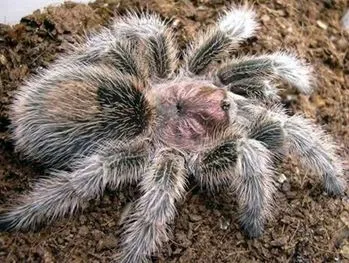
The enclosure should be appropriately sized for your Rose Hair Tarantula. A good rule of thumb is to choose an enclosure that is at least three times the tarantula’s leg span in width. The height doesn’t need to be excessive, as these tarantulas are terrestrial and do not typically climb. The enclosure should be escape-proof, with a secure lid to prevent your pet from wandering. Glass or clear plastic enclosures are ideal as they offer good visibility. Ensure that the enclosure has adequate ventilation to prevent the buildup of humidity and harmful gases. The enclosure should provide a safe and comfortable environment for your tarantula to live and thrive.
Substrate Selection
The substrate is the bedding material that covers the floor of the enclosure. It serves several purposes: it allows the tarantula to burrow, helps to maintain humidity, and provides a natural environment. Suitable substrates include a mixture of peat moss, coconut fiber, and vermiculite. These substrates hold moisture well, which is crucial for maintaining the proper humidity levels. Avoid using substrates such as sand or gravel, which can be harmful to the tarantula. The substrate should be deep enough to allow the tarantula to burrow, which provides security and a sense of well-being. The correct substrate is a cornerstone for your tarantula’s well-being and is critical for a healthy and long life.
Temperature and Humidity Control
Rose Hair Tarantulas thrive in specific temperature and humidity ranges. The ideal temperature is between 75 and 85 degrees Fahrenheit (24 to 29 degrees Celsius). Maintaining this temperature can often be achieved at room temperature, but a heat source such as a low-wattage heat lamp or a heat mat placed on the side of the enclosure can be used if needed. Humidity levels should be maintained between 60% and 70%. Use a hygrometer to monitor humidity levels. To increase humidity, mist the enclosure with water a few times a week, and ensure there is always a shallow water dish available. Regular monitoring and adjustments are key to keeping the temperature and humidity within the appropriate ranges, creating a healthy environment for your tarantula.
Providing Fresh Water

Fresh, clean water is essential for your Rose Hair Tarantula’s survival. Provide a shallow water dish that is readily accessible. The dish should be small enough to prevent the tarantula from drowning. Regularly clean the water dish to prevent the growth of bacteria and the buildup of debris. Use distilled or dechlorinated water, as tap water can contain harmful chemicals. The water dish should be placed on the substrate, ensuring that the tarantula can easily reach it. Constantly providing clean water helps keep your pet healthy and hydrated, improving its overall well-being and contributing to its longevity.
Feeding Your Rose Hair Tarantula
Feeding is a crucial part of caring for your Rose Hair Tarantula. Understanding the tarantula’s dietary needs, the correct feeding frequency, and the appropriate food types will ensure your pet receives the nutrition it needs to thrive. Proper feeding helps the tarantula grow, maintain energy, and shed its exoskeleton, contributing to its overall health. The methods and specifics discussed in this section will provide the information necessary to feed your Rose Hair Tarantula correctly, leading to a healthy, vibrant, and well-cared-for pet. Feeding your tarantula with care will also help build a trusting bond with your pet.
Understanding Their Diet
Rose Hair Tarantulas are primarily insectivores. Their diet consists mainly of insects, such as crickets, roaches, and mealworms. The type of insect you feed should be based on the size of your tarantula, and the insects should be no larger than the tarantula’s body. It is important to gut-load the insects before feeding them to your tarantula. Gut-loading involves feeding the insects nutritious food, such as vegetables and commercial insect food, 24 hours before offering them to the tarantula. This ensures that your tarantula receives essential vitamins and minerals. This practice ensures the tarantula gets the most nutritional benefit from its food.
Frequency of Feeding

The feeding frequency depends on the age and size of the tarantula. Spiderlings should be fed more frequently, approximately twice a week. Juvenile tarantulas can be fed once a week. Adult tarantulas can be fed once every one to two weeks. Adjust the feeding schedule based on the tarantula’s appetite and condition. If the tarantula refuses to eat, it may be in premolt or experiencing a problem. Remove any uneaten food within 24 hours to prevent the growth of mold and bacteria. Observing your tarantula’s eating habits and adjusting accordingly is critical for maintaining a healthy tarantula.
Appropriate Food Types
A varied diet is best for your Rose Hair Tarantula. Crickets are a popular choice, readily available and relatively easy to care for. Roaches are another good option, as they are nutritious and less likely to escape. Mealworms can be offered, but they should be given in moderation because of their hard exoskeleton. Avoid feeding your tarantula wild-caught insects, as they may carry parasites or pesticides. Ensure that the insects are alive and healthy when offered. You may also consider supplementing your tarantula’s diet with commercially available tarantula food, but this should not be the only source of nutrition. The key is to provide a balanced diet with the right types of insects.
Handling and Safety Precautions
Handling your Rose Hair Tarantula should be approached with caution. While these tarantulas are known for their docile nature, handling them poses risks for both the tarantula and the handler. Understanding safe handling practices and being aware of potential stress signs will help ensure the well-being of your tarantula. This section covers the key aspects of handling, including when it is best to avoid handling, safe techniques, and how to recognize signs of stress or discomfort in your tarantula. Handling should never be done without careful consideration and knowledge of the risks involved.
Safe Handling Practices

If you must handle your Rose Hair Tarantula, do so with utmost care and gentleness. Always wash your hands thoroughly before and after handling. Approach the tarantula slowly and calmly to avoid startling it. Never pick up the tarantula; instead, gently coax it onto your hand, allowing it to walk onto your palm. Handle the tarantula over a soft surface, such as a bed or couch, in case it falls. Avoid sudden movements or loud noises. It is always a good idea to handle your tarantula in a secure environment, such as a room where it can’t escape if dropped. Handle the tarantula for short periods only, allowing it to return to its enclosure when it shows signs of wanting to go back.
Recognizing Signs of Stress
Be aware of the signs of stress in your Rose Hair Tarantula. These signs can include the tarantula flicking hairs off its abdomen (a defense mechanism), raising its front legs in a threatening posture, or running away. A tarantula that seems agitated or defensive should be left alone and returned to its enclosure immediately. Never force a tarantula to be handled if it doesn’t want to. Understanding the tarantula’s body language is essential to providing appropriate care and maintaining a harmonious relationship. Respect the spider’s boundaries and act accordingly. If your tarantula displays these warning signs, it’s better to avoid handling altogether.
Potential Health Issues and How to Prevent Them
Like all pets, Rose Hair Tarantulas can experience health problems. Recognizing common health issues and knowing how to prevent them are critical for keeping your tarantula healthy and happy. Proper care, including providing the right environment, a balanced diet, and avoiding unnecessary stress, goes a long way in preventing illness. This section details common health problems, their symptoms, and preventive measures you can take to keep your tarantula in optimal condition. Prompt recognition and treatment of any health issues will help ensure a long and healthy life for your Rose Hair Tarantula.
Common Health Problems

Some common health problems in Rose Hair Tarantulas include parasitic infections, mites, and injuries. Parasitic infections can be caused by parasites in the food or substrate. Mites can infest the tarantula and cause irritation and stress. Injuries can occur if the tarantula falls or is mishandled. Watch for signs such as loss of appetite, lethargy, unusual behavior, or physical abnormalities. If you notice any of these symptoms, it is essential to consult with an experienced tarantula keeper or a veterinarian familiar with exotic pets as soon as possible. Early detection and treatment can significantly improve the tarantula’s chances of a full recovery.
Preventive Measures
Several preventative measures can help maintain your Rose Hair Tarantula’s health. Maintain proper hygiene by regularly cleaning the enclosure and replacing the substrate. Provide a varied diet of healthy insects. Quarantine new tarantulas before introducing them to your existing collection. Avoid handling the tarantula excessively or when it is in premolt. Ensure the environment is at the correct temperature and humidity levels. Regularly check the tarantula for any signs of illness or injury. Maintaining a clean environment, providing a balanced diet, and minimizing stress will significantly reduce the risk of health issues. Prevention is the key to a healthy Rose Hair Tarantula.
Enrichment and Mental Stimulation
While Rose Hair Tarantulas are not known for being highly active, providing enrichment and mental stimulation can enhance their well-being and reduce stress. Enrichment involves creating an environment that encourages natural behaviors and offers interest. This section will focus on providing opportunities for your tarantula to explore its surroundings and engage in activities that can improve its overall quality of life. Providing enrichment will help your tarantula live a more fulfilling life, and observe more natural behaviors.
Enrichment and Mental Stimulation
Although Rose Hair Tarantulas are relatively low-key pets, they still benefit from enrichment. This can include adding decorations to the enclosure, such as rocks, branches, or artificial plants, to provide hiding places and opportunities for exploration. Rearranging the enclosure occasionally can stimulate the tarantula’s curiosity. Varying the placement of food can encourage the tarantula to hunt. Some keepers provide a small, shallow dish of water to allow the tarantula to bathe. While the tarantula may not need much enrichment, it can still be provided.