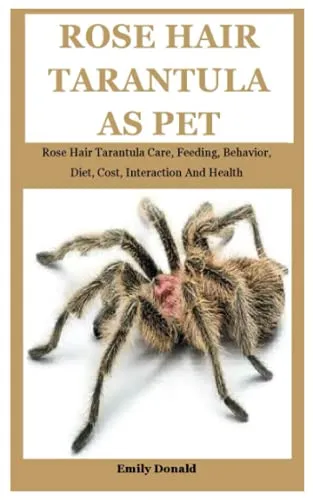
What is a Rose Hair Tarantula’s Natural Diet
Understanding the natural diet of your Rose Hair Tarantula is crucial for providing optimal care and ensuring its health and longevity. In the wild, these fascinating creatures are opportunistic predators, primarily feeding on insects and other small invertebrates they can overpower. The diet closely mirrors the availability of prey in their native habitats of the Atacama Desert and surrounding regions. Replicating this natural diet in captivity is essential for a thriving tarantula, promoting healthy growth, molting, and overall well-being. This includes a variety of insects, proper feeding frequency, and essential supplements to mimic their natural environment as closely as possible. By delving into the specifics of their food sources, feeding schedules, and potential pitfalls, you can become an informed and responsible tarantula owner.
Insects as the Main Diet
Insects form the cornerstone of a Rose Hair Tarantula’s natural diet, providing essential proteins, fats, and other nutrients. These arachnids are equipped with powerful chelicerae (fangs) and venom, enabling them to subdue and consume a range of insects. The variety of insects offered in captivity should mimic the diversity found in their natural environment, ensuring a balanced and nutritious diet. However, it’s important to note that not all insects are created equal. The nutritional content and potential risks associated with different insect types can vary, so a careful selection is crucial.
Crickets

Crickets are a widely available and popular food source for Rose Hair Tarantulas. They are relatively easy to breed and offer a good source of protein. However, crickets can also pose some challenges. They tend to be high in chitin, which can be difficult for the tarantula to digest in large quantities. Always gut-load crickets before feeding them to your tarantula. Gut-loading involves feeding the crickets nutritious food, such as fruits, vegetables, and commercial cricket feed, which in turn enriches the nutritional value of the cricket for your tarantula. This increases the vitamins and minerals the tarantula will consume. Crickets can also stress tarantulas, so remove uneaten crickets promptly to prevent the tarantula from being harassed. (Image: crickets-for-tarantulas.webp)
Mealworms
Mealworms are another common option, particularly for smaller tarantulas. They are readily available and store well. However, mealworms are relatively low in protein and high in fat compared to other insect options. Therefore, mealworms should be offered in moderation and not as the sole food source. It’s also advisable to provide mealworms that have recently molted, as they are easier to digest. Always ensure the mealworms are sourced from a reputable supplier to minimize the risk of pesticides or parasites. Variety is important for maintaining a balanced diet and ensuring your tarantula receives a wide range of nutrients. (Image: mealworms-for-tarantulas.webp)
Roaches
Roaches, particularly Dubia roaches, are often considered a superior food source due to their higher protein content and lower fat content than crickets or mealworms. They also tend to be easier to keep and breed than crickets, making them a convenient option for long-term tarantula care. Roaches are less likely to burrow and hide, making it easier for the tarantula to hunt. However, roaches can sometimes be more difficult to obtain depending on your location, and it’s crucial to source them from a reliable supplier to avoid any potential parasites or diseases. Dubia roaches are an excellent option for a more balanced diet and are highly palatable to most tarantulas. (Image: roaches-for-tarantulas.webp)
Other Insects

In addition to crickets, mealworms, and roaches, other insects can be included in your Rose Hair Tarantula’s diet to provide variety and additional nutrients. These might include superworms (although they are also high in fat and should be used sparingly), waxworms (treats), and even small grasshoppers or other locally sourced insects, provided they are pesticide-free. Before offering any wild-caught insects, it’s extremely important to ensure they haven’t been exposed to pesticides or other chemicals, as these can be fatal to your tarantula. A varied diet, incorporating several insect types, will help to ensure your tarantula receives a comprehensive range of nutrients, supporting optimal health and well-being.
How Often Should You Feed Your Tarantula
The feeding frequency for your Rose Hair Tarantula depends largely on its age and growth stage. Spiderlings, juveniles, and adults have different metabolic rates and nutritional needs. Overfeeding can be as detrimental as underfeeding, so understanding these requirements is crucial for the health of your pet tarantula. Regular observation of your tarantula’s abdomen can also give you insights into its feeding needs.
Feeding Frequency for Spiderlings
Spiderlings, the youngest tarantulas, are actively growing and require more frequent feeding. They have a higher metabolic rate and need regular meals to support their rapid growth. Spiderlings should be fed approximately two to three times a week. The prey items offered should be appropriately sized, ensuring they are not larger than the spiderling’s abdomen. Crickets, flightless fruit flies, and small mealworms are good options. Always remove any uneaten food within 24 hours to prevent stress or injury to the spiderling. Remember to adjust the feeding frequency based on the spiderling’s appetite and growth rate; some spiderlings may need slightly more or less food depending on their individual needs. (Image: tarantula-feeding-frequency.webp)
Feeding Frequency for Juveniles and Adults

As Rose Hair Tarantulas mature into juveniles and adults, their feeding frequency decreases. Juveniles can be fed once or twice a week, while adult Rose Hair Tarantulas typically need to be fed once every one to two weeks. The size of the prey should be adjusted to match the tarantula’s size. Adult tarantulas can easily handle larger prey items, such as adult crickets, medium-sized roaches, or even small, pre-killed mice (though this should be done very sparingly). Observe your tarantula’s abdomen. If it appears plump and healthy, the feeding schedule is likely appropriate. If the abdomen appears too thin or if the tarantula is not eating, adjust the feeding schedule or the size of the prey accordingly. Avoid overfeeding, as it can lead to obesity and health problems.
Supplements and Additional Considerations
While insects form the core of a Rose Hair Tarantula’s diet, there are additional considerations to ensure your tarantula receives a balanced diet and thrives in captivity. These include the provision of fresh water and potential vitamin supplements. Remember, a healthy tarantula is a happy tarantula, and paying attention to the details of their care can significantly impact their well-being.
The Importance of Water
Providing fresh, clean water is essential for your Rose Hair Tarantula. Tarantulas, like all living creatures, need water to survive. Always have a shallow water dish available in the enclosure. The water dish should be shallow enough to prevent the tarantula from drowning. Use a sponge or some small pebbles in the dish to help prevent drowning and to provide the tarantula with a secure way to drink. Regularly check the water dish and refill it with fresh water, and clean the dish to prevent the buildup of bacteria and mold. The provision of fresh water is one of the most important aspects of tarantula care and should not be overlooked. (Image: tarantula-drinking-water.webp)
Vitamins and Calcium

While a varied diet of insects should provide most of the essential nutrients, some keepers choose to supplement their tarantulas’ diet with vitamins and calcium. Gut-loading insects is the primary way to provide these supplements, as it ensures that the vitamins and minerals are already present in the prey before it is consumed. This is particularly important for captive-bred insects, which may not have the same nutritional profile as their wild counterparts. Calcium is crucial for molting, and while tarantulas typically obtain enough from their food, some keepers dust prey items with a calcium supplement occasionally. Always research and use supplements responsibly, avoiding excessive dosages that can be harmful. Consult with a veterinarian or experienced tarantula keeper for advice on appropriate supplements.
Avoiding Overfeeding
Overfeeding is a common mistake that can lead to several health problems in Rose Hair Tarantulas. Obesity can put undue stress on the tarantula’s internal organs and can also lead to a decreased lifespan. Observe your tarantula’s abdomen; it should be a plump, but not overly distended. If the abdomen is excessively large or if the tarantula appears sluggish, it may be overfed. Reduce the feeding frequency or the size of the prey items to allow the tarantula to digest its food properly. A tarantula that is about to molt will often refuse food, so don’t force-feed. Remember, it’s better to err on the side of underfeeding than overfeeding. A healthy tarantula will have a good appetite and should be active and alert.
Common Mistakes in Rose Hair Tarantula Diet
Avoiding common mistakes is key to successful Rose Hair Tarantula care. Many errors in diet and feeding can lead to health issues. Knowledge and diligence are the best tools for a responsible tarantula keeper.
Feeding Pre-Killed Prey
Feeding pre-killed prey can be a good way to ensure the safety of your tarantula and avoid potential injuries from live prey. However, it’s crucial to do this correctly. The prey should be freshly killed (e.g., by crushing the head), and offered to the tarantula with tongs. If the tarantula doesn’t eat the prey item within a few hours, remove it to prevent it from decaying and attracting unwanted pests. Never leave live prey unattended in the enclosure, as it can injure the tarantula, especially during a molt. This approach offers a convenient and safe way to provide food, particularly for tarantulas that are hesitant to hunt or are in the process of molting. (Image: pre-killed-prey-tarantula.webp)
The Dangers of Wild-Caught Insects
Wild-caught insects can be a risky food source. They may carry parasites, pesticides, or other harmful substances that can be deadly to your tarantula. Even if the insects look healthy, you can’t be certain of their origin or the substances they may have been exposed to. It’s always best to source insects from a reputable breeder or supplier, where you can be assured of their quality and health. If you do choose to collect insects, only do so from areas you know are free of pesticides and other harmful chemicals. Thoroughly research the insects before offering them to your tarantula to make sure they are safe and non-toxic. The health of your tarantula is paramount, so exercise caution when it comes to feeding wild-caught insects.
Providing a Balanced Diet
Providing a balanced diet is the foundation of healthy tarantula care. A diet that includes a variety of insects will provide the necessary proteins, fats, vitamins, and minerals your Rose Hair Tarantula needs. Avoid relying solely on a single insect type, and rotate the insects you offer to provide a more comprehensive nutritional profile. Gut-loading your insects and ensuring fresh water is always available is also key. Consistent observation of your tarantula’s behavior and appearance is critical. If your tarantula is not eating, appears lethargic, or shows any other signs of illness, consult with a veterinarian or experienced tarantula keeper for further advice. A balanced diet will result in a healthy, vibrant tarantula that will bring years of enjoyment. (Image: balanced-tarantula-diet.webp)
In conclusion, understanding and replicating the natural diet of a Rose Hair Tarantula is critical for its well-being. By focusing on a balanced diet of various insects, the right feeding frequency, and essential supplements, you can ensure your tarantula thrives in captivity. Avoid common mistakes such as overfeeding, using wild-caught insects, and neglecting proper water and supplementation. With this knowledge, you can provide your Rose Hair Tarantula with the best possible care, contributing to its health, happiness, and longevity. Enjoy the fascinating world of tarantula keeping!