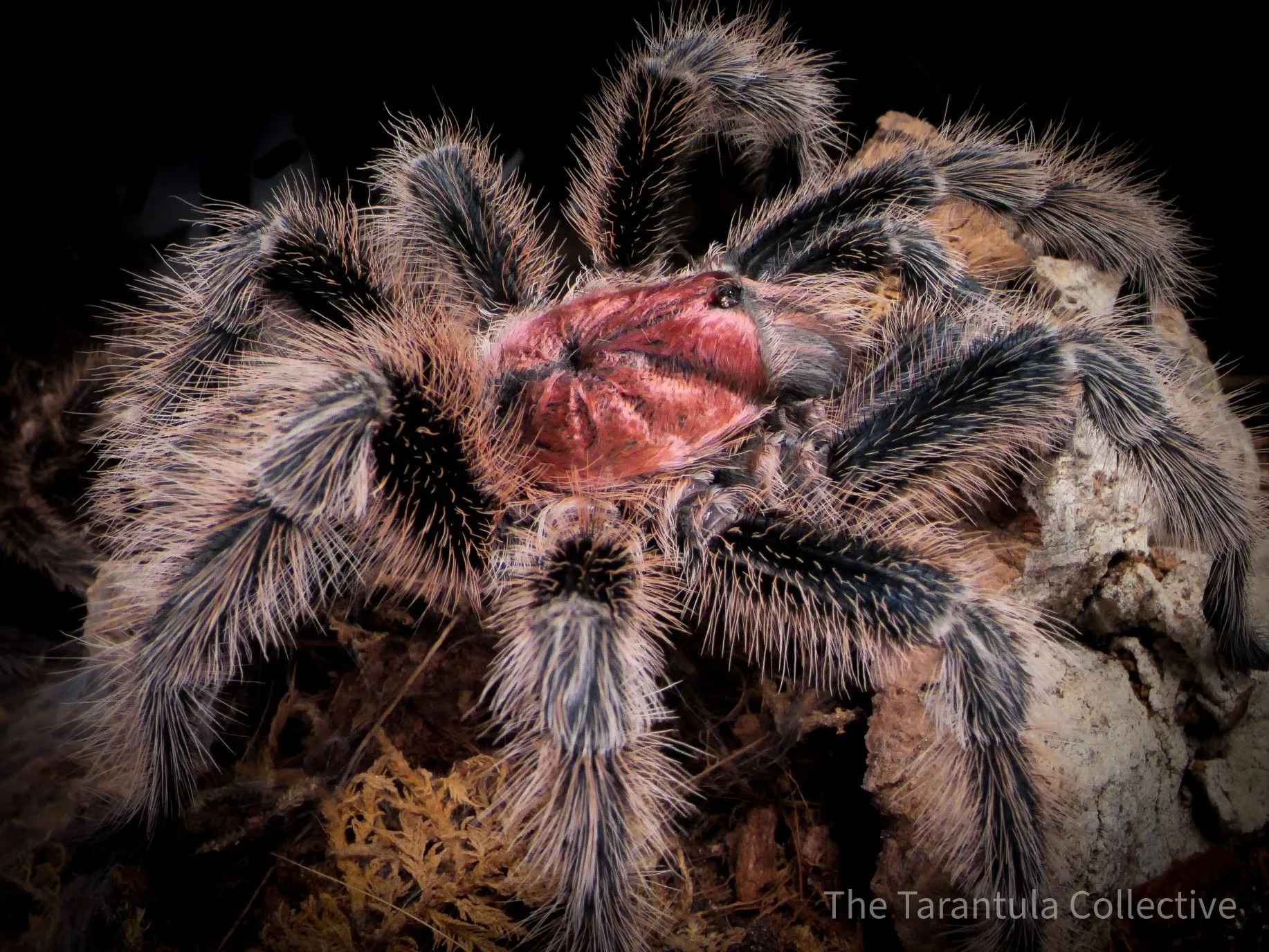
What are Rose Hair Tarantula Eggs?
Rose Hair Tarantulas, scientifically known as Grammostola rosea, are popular pets due to their docile nature and relatively low maintenance requirements. One of the most fascinating aspects of owning these creatures is the possibility of witnessing their reproductive cycle. This cycle culminates in the creation of a brood sac, which holds the precious Rose Hair Tarantula eggs. Understanding these eggs, from their formation to the emergence of spiderlings, is crucial for any tarantula enthusiast. The process, though natural, requires careful attention and knowledge to ensure the successful hatching and survival of the offspring. Observing the eggs and learning about their development provides valuable insights into the life cycle of these intriguing arachnids and is very rewarding for a tarantula keeper.
The Appearance of Rose Hair Tarantula Eggs
The appearance of Rose Hair Tarantula eggs is a key indicator of their health and development. Unlike the individual, scattered eggs of some species, Rose Hair Tarantulas lay their eggs within a silken structure known as the brood sac. The eggs themselves are typically oval-shaped and vary in color from a creamy white to a pale yellow. The size of the eggs can vary, but they are generally small, resembling tiny pearls nestled within the protective silk. The brood sac is a crucial element of the reproductive process, providing both protection and an environment conducive to the development of the embryos. Careful observation of the brood sac’s appearance and condition can offer valuable clues regarding the eggs’ health and viability, allowing for any necessary adjustments to be made to the incubation environment.
What do Rose Hair Tarantula Eggs look like?

Inside the silken brood sac, the Rose Hair Tarantula eggs present a visually intriguing spectacle. Each individual egg is small and delicate, often resembling tiny spheres or ovals. The color can range from a pristine white to a gentle yellow, indicating their health and stage of development. These eggs are not laid individually; instead, the female tarantula carefully packages them within the silken brood sac. The brood sac itself provides protection and maintains the appropriate humidity and temperature levels necessary for the eggs to thrive. The consistency of the eggs should be firm but not overly hard, and they should show no signs of mold or discoloration, as these can be indicators of problems during the incubation process. A healthy brood sac contains eggs that are generally uniform in size and color, ensuring the best chances for successful hatching and the emergence of healthy spiderlings.
The Brood Sac
The brood sac is a marvel of nature, meticulously crafted by the female Rose Hair Tarantula to safeguard her eggs. This silken structure is not just a container; it is a carefully engineered micro-environment designed to protect the eggs from external threats, maintain optimal humidity, and regulate temperature. The female spider invests a significant amount of time and energy in creating the brood sac, weaving a dense and durable silk that provides both protection and insulation. The size and shape of the brood sac can vary, but it is typically spherical or slightly elongated, with a robust exterior. The female will vigilantly guard the brood sac, protecting it from potential dangers and carefully turning it to ensure that all eggs receive consistent environmental conditions. Understanding the role of the brood sac is crucial to anyone who is looking to successfully breed Rose Hair Tarantulas.
How long does it take for Rose Hair Tarantula eggs to hatch?
The incubation period for Rose Hair Tarantula eggs can vary depending on environmental factors, but typically lasts between 4 to 12 weeks. Several elements, including temperature and humidity, significantly impact the rate of development. During the incubation period, the eggs undergo several stages of development within the protective confines of the brood sac. The spiderlings, once hatched, are very small, and they will initially stay within the brood sac before the female opens it up. These tiny spiderlings are incredibly vulnerable, and it is crucial to maintain stable environmental conditions throughout the entire period to enhance the chances of a successful hatching. Once hatched, the spiderlings will go through several molting stages before they reach their adult size, a process that takes a couple of years.
5 Secrets to Successful Rose Hair Tarantula Egg Incubation

Successfully incubating Rose Hair Tarantula eggs requires a delicate balance of environmental factors and careful observation. Several key secrets can significantly increase the chances of a successful hatch and the survival of the spiderlings. By understanding and implementing these secrets, tarantula keepers can create the optimal conditions for egg development. The five secrets are crucial for anyone looking to breed Rose Hair Tarantulas, ensuring a healthy and successful breeding process. Careful monitoring and proactive adjustments based on environmental readings are paramount to ensure the tarantula eggs hatch safely.
Temperature and Humidity Control
Maintaining the correct temperature and humidity levels is the most crucial factor for successful Rose Hair Tarantula egg incubation. A consistent temperature between 78°F and 82°F (25°C and 28°C) is ideal, mimicking the natural habitat of the Rose Hair Tarantula. Precise temperature regulation can be achieved by using a thermostat to regulate the temperature of an incubator. Humidity should be maintained between 70% and 80% to prevent the eggs from drying out. This level can be achieved with a hygrometer to monitor humidity and adjusting the ventilation as needed. Regular monitoring and adjustments are necessary to maintain these optimal conditions, ensuring the eggs develop without issues. Consistent temperature and humidity significantly increase the chances of successful hatching and healthy spiderlings.
Maintaining Optimal Conditions
Creating and maintaining optimal conditions extends beyond temperature and humidity; it also includes providing adequate ventilation, minimizing disturbances, and ensuring the brood sac is handled gently. Proper ventilation prevents the build-up of harmful mold and bacteria that can affect the eggs. Gentle handling is essential to avoid damaging the delicate eggs or disturbing the female, who carefully protects the brood sac. It is also important to avoid any sudden changes in temperature or humidity, as these can shock the eggs and hinder development. Regular, careful monitoring of all these factors is key to ensuring a stable and healthy environment, maximizing the probability of a successful hatch and the emergence of healthy spiderlings. Any adjustments to the enclosure should be gradual to prevent stressing the developing eggs.
Protecting the Brood Sac

Protecting the brood sac is vital throughout the incubation period. This includes safeguarding the brood sac from potential threats like pests, excessive light, and physical damage. Ensure that the enclosure is secure, and monitor it for any signs of intruders. It’s important to avoid exposing the brood sac to direct sunlight, which can cause overheating and damage the eggs. Handle the brood sac with extreme care to prevent any accidental tears or ruptures, as this could compromise the development of the eggs. Consider placing the enclosure in a quiet area away from high traffic to minimize stress to the female tarantula. Regular, gentle inspections and careful handling will protect the brood sac, which is crucial for the successful hatching of the spiderlings. Consistent vigilance helps to ensure that the eggs develop safely.
What to Avoid During Incubation
During the incubation period, certain actions and conditions can harm the eggs. Avoid sudden changes in temperature and humidity, as these can cause stress and hinder development. Do not disturb the female tarantula excessively, as this can stress her and potentially cause her to abandon the brood sac. Refrain from using any harsh chemicals or cleaning products near the enclosure, as these can contaminate the environment and affect the eggs. Avoid overcrowding the enclosure, as this can lead to poor ventilation and increased risk of disease. Finally, do not attempt to open or manipulate the brood sac unless absolutely necessary, such as in the case of mold or other serious issues. By avoiding these pitfalls, you can increase the chances of a successful incubation and the birth of healthy spiderlings.
Caring for Spiderlings After Hatching
Once the spiderlings hatch, the focus shifts to providing proper care to ensure their survival and healthy development. The early stages of their lives are incredibly vulnerable, so attention to their needs is very important. Spiderlings must be provided with a suitable habitat, appropriate food, and careful monitoring. Understanding the specific needs of spiderlings is key to success. Proper care will help ensure these tiny arachnids can grow into healthy adults.
Providing Proper Nutrition

Newly hatched spiderlings require a diet of appropriately sized prey. Fruit flies and pinhead crickets are ideal, as they are small enough for the spiderlings to consume easily. It is important to offer a variety of prey to provide a balanced diet. Feed the spiderlings regularly, typically every other day, and monitor their feeding habits to ensure they are eating well. Remove any uneaten prey to prevent mold and other problems in the enclosure. Ensure a constant supply of fresh, clean water. A consistent diet of appropriate prey ensures that the spiderlings get all the nutrition they need to thrive. The care you provide early on will impact the long-term health of the spiderlings.
Creating a Suitable Environment
The habitat for spiderlings must provide a safe, secure, and appropriate environment for their growth and development. Use small, escape-proof enclosures such as deli cups or small plastic containers, depending on the quantity of spiderlings. Provide a substrate of substrate, such as vermiculite, and a small water dish with clean water. Maintain a consistent temperature and humidity level appropriate for Rose Hair Tarantulas. Provide hiding places, such as a small piece of cork bark, to help the spiderlings feel secure. Ensure that the enclosure is kept clean and free of any potential hazards. Regularly monitor the spiderlings for any signs of illness or distress, and take action immediately. A well-designed enclosure allows the spiderlings to grow into healthy and thriving adults.
Conclusion
The journey through Rose Hair Tarantula egg incubation is a fascinating one that requires patience, knowledge, and attention to detail. From understanding the nature of Rose Hair Tarantula eggs to caring for the emerging spiderlings, successful breeding is a rewarding experience for any tarantula keeper. By following the secrets outlined in this article and understanding the needs of these arachnids, you can increase the chances of successfully raising healthy spiderlings. Enjoying the process and learning from any challenges will lead to a greater appreciation of these amazing creatures. The careful attention to detail will contribute to the healthy future of your Rose Hair Tarantula and provide you with a unique opportunity to learn about the lifecycle of these amazing pets.