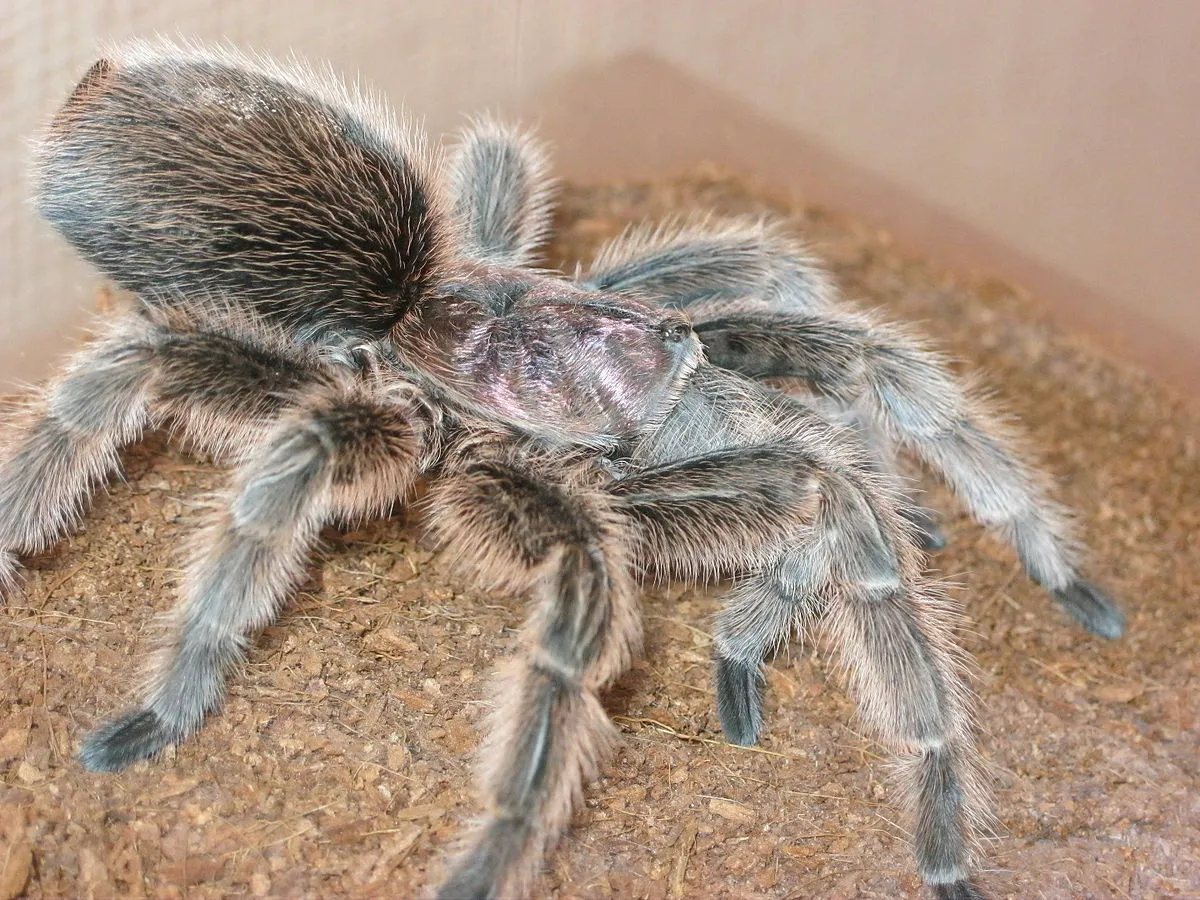
Understanding Rose Hair Tarantula Molting
Molting is a crucial and fascinating aspect of a Rose Hair Tarantula’s life cycle. It’s the process by which these arachnids shed their exoskeletons, allowing them to grow and regenerate lost limbs. Understanding molting is fundamental to providing proper care for your Rose Hair Tarantula and ensuring its health and well-being. This natural phenomenon is not only vital for physical development but also provides a window into the unique biology of these captivating creatures. The frequency of molting can vary, and observing this process is a rewarding experience for any tarantula keeper. Learning the ins and outs of molting will help you be a better keeper.
What is Molting
Molting, or ecdysis, is the process where a tarantula sheds its exoskeleton. The exoskeleton, made of chitin, is a rigid outer covering that protects the tarantula’s body. As the tarantula grows, it outgrows this shell. Molting allows the tarantula to replace its old exoskeleton with a new, larger one. During this process, the tarantula also regenerates lost limbs, and sometimes even internal organs. The new exoskeleton is initially soft, providing a window of vulnerability for the tarantula. Understanding what is molting is critical so you can prepare for it. The process can take a long time so you need to make sure your pet will be safe while molting.
The Molting Process

The molting process is a complex and energy-intensive undertaking for a Rose Hair Tarantula. It begins with the formation of a new exoskeleton beneath the old one. Prior to molting, the tarantula often stops eating and may become lethargic. The tarantula then lies on its back, a vulnerable position, and the old exoskeleton splits open. The tarantula wriggles free, leaving behind its old shell. The newly exposed exoskeleton is soft and pliable, hardening over the next few days. During this time, the tarantula is especially vulnerable to predators and other environmental hazards. After the exoskeleton hardens, the tarantula will gradually regain its mobility and appetite. This complete process is an amazing spectacle to witness.
How Often Do Rose Hair Tarantulas Molt
The frequency with which a Rose Hair Tarantula molts varies depending on several factors. Generally, younger tarantulas molt more frequently than adults, as they are growing rapidly. A juvenile tarantula may molt several times a year, while a fully grown adult might only molt once a year, or even less often. The timing can be influenced by environmental factors, such as temperature and humidity, and the tarantula’s overall health. It’s crucial to understand that each tarantula is unique, and there is no fixed molting schedule. Paying close attention to your tarantula’s behavior will help you anticipate when it might be approaching a molt.
Factors Affecting Molting Frequency
Age

Age is a primary determinant of molting frequency. Spiderlings and juvenile Rose Hair Tarantulas molt much more often than adults. This is because they are in a rapid growth phase, requiring them to shed their exoskeletons frequently to accommodate their increasing size. As tarantulas mature, their growth rate slows down, and the need to molt decreases. An adult tarantula may only molt once a year, or even less frequently, depending on its individual growth rate and overall health. Paying attention to your tarantula’s age is a good indicator of how often it will molt.
Size
Size is closely related to age and also influences molting frequency. Larger tarantulas, generally speaking, molt less frequently than smaller ones. The size of the tarantula determines how much growth is needed to necessitate a molt. A small increase in size in a fully grown tarantula may not trigger a molt, whereas a small growth spurt in a juvenile will quickly trigger one. Keep in mind that molting is a process that takes a lot of energy. It is a metabolically expensive process. So, the larger the tarantula, the less molting will take place.
Feeding Schedule
A consistent feeding schedule can also affect molting frequency. A tarantula that is regularly fed and receives a sufficient diet will generally molt more frequently than one that is underfed. Proper nutrition provides the necessary resources for growth and the formation of a new exoskeleton. Overfeeding, however, can be detrimental. It’s essential to maintain a balanced feeding schedule that supports healthy growth without overstressing the tarantula’s system. You will have to monitor your spider to see how often you should feed it. Tarantulas can go for long periods without food, and it’s normal.
Environmental Conditions
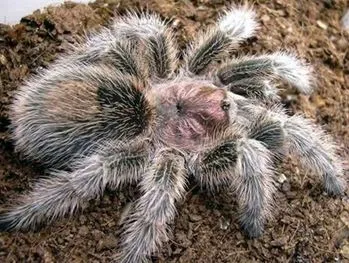
Environmental factors, such as temperature and humidity, play a role in molting frequency. Optimal conditions can support a healthy metabolism and growth, leading to more frequent molts in younger tarantulas. Conversely, if the environment is too cold or dry, it can slow down the tarantula’s metabolism and reduce molting frequency. Maintaining the correct temperature and humidity levels, as appropriate for Rose Hair Tarantulas, is crucial for promoting healthy growth and molting. It’s best to research the ideal conditions so you can be sure you are doing your best for your pet.
Top 5 Facts About Rose Hair Tarantula Molting
Fact 1: Molting is Essential for Growth
Molting is the only way Rose Hair Tarantulas can grow. The exoskeleton is rigid, so the tarantula must shed it to increase in size. Each molt allows the tarantula to get bigger, which is an important reason why younger tarantulas molt more often. You might not notice the tarantula growing that much between molts, but molting is essential for its life and development. The new exoskeleton that forms during the molting process allows the tarantula to accommodate its growing body and internal organs.
Fact 2: Signs of an Impending Molt
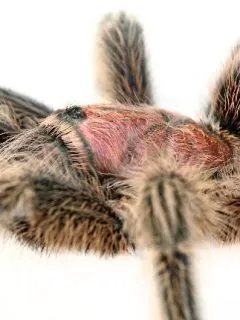
There are several signs that indicate a Rose Hair Tarantula is about to molt. These include a change in the tarantula’s behavior, such as a loss of appetite or lethargy. The tarantula might become less active and spend more time in its burrow or hiding place. The abdomen may appear darker, and the tarantula might develop a bald patch on its abdomen. Some tarantulas also stop eating completely. Observing these signs can help you prepare for the molting process and provide the appropriate care.
Fact 3: The Duration of Molting
The duration of the molting process varies. It can range from a few hours to several days, depending on the tarantula’s size, age, and overall health. The actual shedding of the exoskeleton is usually a relatively quick process, but the preparation and recovery can take longer. During this time, the tarantula is vulnerable, so it is best to avoid disturbing it. After molting, the tarantula needs time for its new exoskeleton to harden before it can resume its normal activities. After the molt is complete, the tarantula’s color may become more vibrant.
Fact 4: Post-Molt Care
After molting, it’s important to provide appropriate care to support the tarantula’s recovery. The tarantula’s fangs will be soft. Do not try to feed them for at least a week, as the fangs need time to harden. The tarantula will also be more vulnerable during this period. Maintain the proper temperature and humidity levels and avoid disturbing the tarantula. You can offer food after a few days, but don’t be surprised if the tarantula doesn’t eat right away. It is usually best to wait until the fangs have hardened before offering any food.
Fact 5: Potential Molting Problems

While molting is a natural process, there can be potential problems. Sometimes, a tarantula may get stuck during the molt, which is a serious issue. This can be caused by several factors, including low humidity or health issues. If the tarantula struggles to molt, it may require intervention from an experienced tarantula keeper. Another issue is incomplete molting, where parts of the old exoskeleton remain attached. By providing the correct environmental conditions and proper care, you can minimize the risks associated with molting. These problems are rare.
Caring for Your Molting Tarantula
Caring for a molting Rose Hair Tarantula involves creating a safe and stress-free environment. This includes providing a suitable enclosure with appropriate temperature, humidity, and substrate. Avoid handling or disturbing the tarantula during the molting process. Providing a shallow water dish is essential, as the tarantula needs to stay hydrated. The most important aspect of caring for a molting tarantula is patience and observation. Do not intervene unless absolutely necessary. With proper care, your tarantula will successfully molt and continue to thrive.
Providing a Safe Environment
A safe environment is crucial for a molting tarantula. Ensure the enclosure is clean and free of any potential hazards. Remove any uneaten food, as it could attract unwanted pests. The substrate should be deep enough for the tarantula to burrow if it chooses. Maintain the appropriate temperature and humidity levels for a Rose Hair Tarantula. Avoid placing the enclosure in a high-traffic area where it could be disturbed. A secure and stable environment will minimize stress and increase the chances of a successful molt.
Avoiding Disturbances

During the molting process, it’s important to avoid any disturbances. Do not handle the tarantula or move its enclosure unnecessarily. Avoid loud noises, vibrations, or sudden movements near the enclosure. The tarantula is vulnerable during a molt, and stress can disrupt the process. Providing a quiet and undisturbed environment will allow the tarantula to molt safely and effectively. Minimize stress by observing the tarantula from a distance and letting it have its space. After the molt, the tarantula might be in a foul mood and aggressive.
Post-Molt Feeding
Once the tarantula has successfully molted, it’s important to give it time to recover before feeding it. Wait at least a week to allow the new exoskeleton to harden completely, especially the fangs. After that, you can offer the tarantula a small amount of food, such as a cricket or mealworm. Start with a smaller prey item, and gradually increase the size as the tarantula regains its appetite. Monitor the tarantula’s behavior to ensure it is eating and digesting its food properly. Providing food after a molt is crucial for the tarantula to replenish its energy reserves and continue growing.