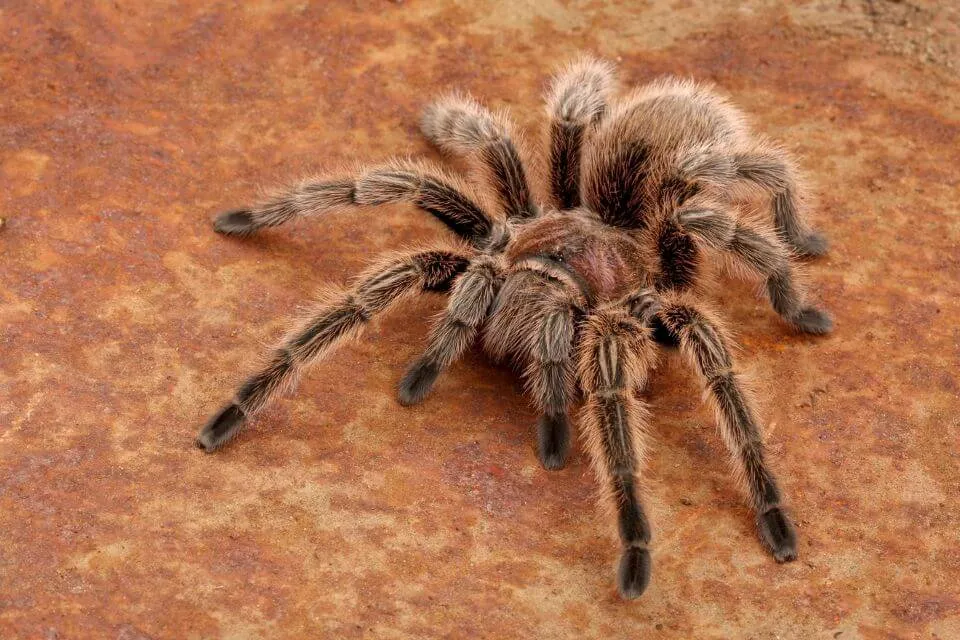
What is a Rose Hair Tarantula?
The Rose Hair Tarantula, scientifically known as Grammostola rosea, is one of the most popular pet tarantulas, and its popularity stems from its docile nature, relatively low maintenance, and striking appearance. Native to the deserts of Chile, Bolivia, and Argentina, these spiders are known for their distinctive coloration and relatively long lifespans, making them fascinating creatures for both novice and experienced arachnid enthusiasts. They are also called the Chilean Rose Hair Tarantula. The Rose Hair Tarantula’s gentle temperament and the ease with which they adapt to captivity has cemented their status as a favorite among tarantula keepers around the world. Their ability to tolerate varied conditions and their manageable size further contribute to their appeal as pets.
Origin and Habitat
Rose Hair Tarantulas are native to the arid and semi-arid regions of South America, including Chile, Bolivia, and Argentina. In their natural habitat, they inhabit burrows in the ground, providing shelter from extreme temperatures and predators. They have adapted to the dry, desert-like conditions, which impacts their size, activity levels, and overall health. These spiders thrive in environments where temperatures fluctuate and humidity levels are low. This knowledge is vital for replicating their natural environment when keeping them in captivity, which is crucial for their well-being and growth.
Appearance and Characteristics

The Rose Hair Tarantula is recognized for its beautiful coloration, which ranges from shades of brown to reddish-brown, with a characteristic “rose” hue on its hairs, particularly noticeable in good lighting. The females of this species tend to be larger and more robust than males. They also display sexual dimorphism, where males and females have different physical traits beyond reproductive organs. Mature males possess distinct characteristics such as tibial hooks used for mating. Both genders are covered with urticating hairs which they use as a defense mechanism, which can cause irritation if they come into contact with skin. Their physical appearance is a key factor in their appeal as pets, making them instantly recognizable and admired by tarantula keepers.
Average Size of a Rose Hair Tarantula
The size of a Rose Hair Tarantula is an important consideration for potential owners. Understanding their growth patterns and the factors that influence their size helps in providing appropriate care. The average size is discussed as the spiders vary in size, and that the care provided can influence it. Size expectations also help owners in choosing the right enclosure size and in anticipating their pet’s needs as it matures.
Body Size and Leg Span
A fully grown female Rose Hair Tarantula typically has a body length of about 2.5 to 3 inches, with a leg span of up to 5 to 6 inches. Males tend to be slightly smaller. These measurements, however, are averages, and individual tarantulas can vary depending on various factors. When assessing size, both body length and leg span are considered to determine the spider’s overall size and to ensure a suitable enclosure.
Factors Affecting Size

Several factors can influence the size of a Rose Hair Tarantula. Genetics play a significant role, with some individuals naturally growing larger than others. The diet and the frequency of feeding are also very important; well-nourished tarantulas tend to grow bigger. Environmental conditions, such as temperature and humidity, can affect the growth rate. Proper care, including appropriate enclosure size and suitable substrate, ensures the spider can thrive and reach its full potential size.
Molting and Growth
Molting is an essential process for tarantulas. Rose Hair Tarantulas shed their exoskeleton as they grow, allowing them to increase in size. The frequency of molting depends on the age and the life stage of the tarantula; younger tarantulas molt more frequently than adults. The molting process is delicate, and during this time, the tarantula is vulnerable. Providing a safe environment, with appropriate humidity and minimal disturbance, supports a successful molt, which is critical for continued growth.
Growth Rate and Lifespan
The growth rate and lifespan of a Rose Hair Tarantula are significant aspects of its life cycle, which are important for potential owners to understand. The growth rate slows down as the spider matures, and the lifespan varies between males and females. A well-cared-for tarantula will have a longer lifespan and a healthier life. This insight is crucial for those looking to make an informed decision about pet ownership.
The Growth Process

Rose Hair Tarantulas grow gradually, especially as they reach adulthood. Young tarantulas molt frequently to shed their exoskeleton and grow. Each molt allows the tarantula to increase in size and develop further. As they mature, the molting frequency decreases, usually occurring once a year for adults. The growth rate varies, but proper care and a suitable environment are essential for optimal development.
Lifespan in Captivity
The lifespan of a Rose Hair Tarantula varies depending on its sex. Females typically live much longer than males, often for 15 to 20 years or even longer under ideal conditions. Males, on the other hand, tend to have a shorter lifespan, usually living for 5 to 10 years. Factors such as genetics, care, and environmental conditions impact their longevity. Proper care and a stable environment are essential to maximize their lifespan in captivity.
Size Comparison
Comparing the size of Rose Hair Tarantulas to other species helps put their size into perspective and can be useful for prospective owners. Understanding the relative sizes of different tarantula species will help you choose the species that best suits your preferences and lifestyle. Comparing species allows people to appreciate the diversity in the tarantula world and allows them to care for them.
Compared to Other Tarantula Species

Rose Hair Tarantulas are medium-sized compared to other tarantula species. For example, the Goliath Birdeater (Theraphosa blondi), one of the largest tarantulas, can have a leg span of up to 12 inches. In contrast, smaller species such as the Curly Hair Tarantula have a smaller size. The Rose Hair Tarantula’s size makes it a good option for beginners. When considering size, prospective owners can assess their suitability for keeping different species, and can choose species that are more manageable in terms of enclosure size, feeding needs, and overall care.
Understanding Size in Captivity
Understanding the size of a Rose Hair Tarantula in captivity is very important for providing proper care. The size affects the housing needs, the diet, and the overall well-being of the tarantula. Proper knowledge will give owners the tools to provide a comfortable and safe environment that supports their tarantula’s health. It is important to adapt the enclosure and the care to suit the spider’s size and life stage.
Importance of Proper Care
Proper care is very important for the Rose Hair Tarantula’s size and overall health. This includes providing the right size enclosure, maintaining appropriate temperature and humidity levels, and offering a balanced diet. Regular feeding and removing uneaten food will prevent health problems. Regular monitoring of the tarantula’s behavior and the conditions of its enclosure is critical. These measures will support healthy growth, a long lifespan, and a happy pet.
Impact of Diet and Environment

The diet and environment profoundly affect the Rose Hair Tarantula’s size and development. A balanced diet of appropriately sized insects provides essential nutrients and supports healthy growth. Maintaining the right temperature, humidity, and substrate in the enclosure will mimic their natural environment and promote well-being. An improperly maintained environment or poor diet can cause slower growth, health issues, and a shorter lifespan. Thus, ensuring the right diet and living conditions supports the tarantula’s development and maintains its vitality.
In conclusion, the Rose Hair Tarantula is a popular pet known for its manageable size, which makes it a great choice for tarantula keepers. They average a body length between 2.5 to 3 inches, with a leg span between 5 to 6 inches. Factors like genetics, diet, and environment influence their size and affect their growth. Caring for a Rose Hair Tarantula involves creating a suitable environment, feeding them correctly, and being aware of their molting stages. With proper care, these tarantulas can thrive, offering their owners years of enjoyment. The information discussed above will empower any potential or current Rose Hair Tarantula owner with the knowledge to properly care for their beloved pet.