Scorpion vs Tarantula Amazing Facts
The natural world is filled with incredible battles for survival, and few are as captivating as the potential clash between a scorpion and a tarantula. These arachnids, both formidable predators in their own right, often inhabit similar environments, leading to occasional, and often dramatic, encounters. Understanding the amazing facts surrounding these creatures – their anatomy, habitats, hunting strategies, and defense mechanisms – provides insight into the dynamics of their interactions. This article explores these amazing facts, examining the key aspects of each creature and analyzing what happens when they meet in a fight. Whether you are a wildlife enthusiast or simply curious about the animal kingdom, prepare to be amazed by the details of these fascinating creatures.
Anatomy Overview
A comparative look at the anatomy of scorpions and tarantulas reveals how their physical structures contribute to their survival strategies. While both are arachnids, their body plans differ significantly, impacting their abilities in combat and their overall lifestyles. Understanding these differences is crucial to appreciating their respective strengths and weaknesses. The anatomy provides clues about their evolutionary adaptations and how they have managed to thrive in diverse environments. Furthermore, the details highlight how each organism functions in terms of movement, sensing the environment, and obtaining food. Each aspect of their anatomy plays a critical role in the animal’s ability to survive.
Scorpion Anatomy

Scorpions are easily recognized by their segmented bodies, which include a cephalothorax (fused head and thorax) and an abdomen. The most distinctive feature is the metasoma, or tail, ending in a venomous stinger. They have eight legs, a pair of pedipalps used for grasping prey, and chelicerae (small pincers) for tearing food. Their exoskeleton provides protection, and their body structure is designed for stealth, swift movement, and injecting venom. Sensory organs, including trichobothria (hairs), help them detect vibrations. The tail, with its venom gland, is a primary defense and offensive weapon. The overall design is optimized for predation and survival in harsh environments. Scorpions’ ability to maneuver and their strong pincers makes them formidable hunters.
Tarantula Anatomy
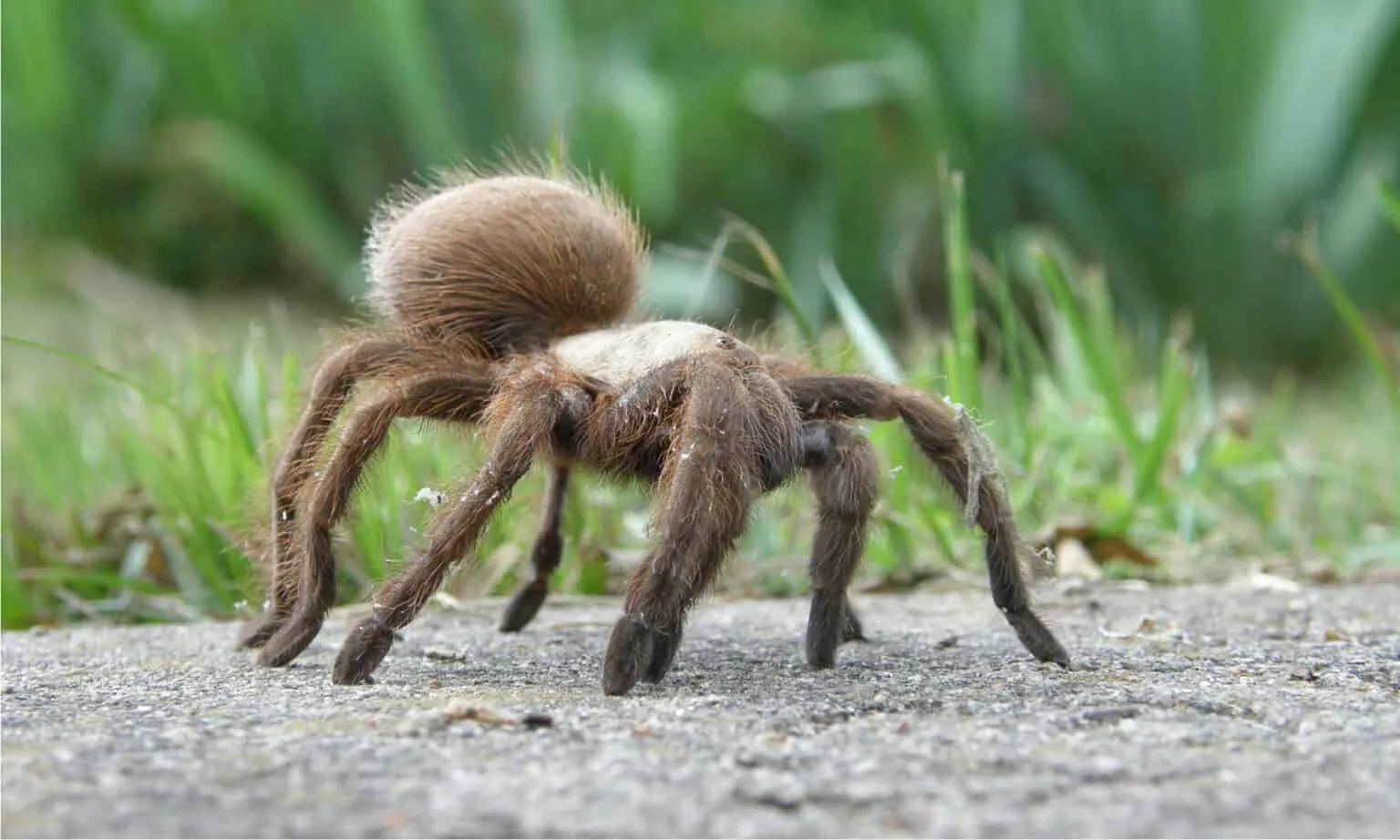
Tarantulas are large spiders with a hairy appearance. They have a cephalothorax and an abdomen, eight legs, and pedipalps, which are used for sensing and manipulating prey. Their fangs, or chelicerae, are large and designed to inject venom. Many tarantulas have urticating hairs on their abdomen, which they can flick at predators as a defense mechanism. Their large size gives them an advantage in terms of strength. They possess spinnerets for producing silk, used for creating webs and lining burrows. Their anatomy is geared towards a primarily ambush-style hunting strategy, with powerful fangs and venom to subdue their prey. They depend on sensory hairs on their legs, allowing them to feel vibrations from potential prey.
Habitat and Distribution
The habitats of scorpions and tarantulas often overlap, leading to the possibility of encounters. Both arachnids favor warm climates, but their specific preferences dictate where these meetings are most likely to occur. Understanding the geographical distribution and habitat characteristics of each species is essential to appreciating the circumstances that lead to their interactions. Furthermore, these factors have a huge impact on their lifestyle, foraging strategies, and overall survival. Their habitats determine their success in obtaining food, avoiding predators, and reproducing, ultimately shaping their behavior and evolution.
Scorpion Habitats

Scorpions are found in a wide range of habitats, from deserts and grasslands to tropical forests. They are typically nocturnal, seeking shelter during the day under rocks, logs, or in burrows. They are well-adapted to arid environments, with some species capable of surviving for extended periods without food or water. Different species have unique habitat preferences, influencing their behavior and diet. The availability of shelter and prey, combined with appropriate temperature and humidity levels, are essential for scorpion survival. In addition, scorpions often congregate in areas with high prey availability, maximizing their chances of hunting success. They choose locations that help them avoid extreme weather conditions.
Tarantula Habitats
Tarantulas are found primarily in tropical and subtropical regions, though some species can be found in temperate climates. They often live in burrows, under rocks, or in silk-lined nests. Terrestrial tarantulas are ground-dwelling, while arboreal species live in trees. Habitat selection depends on the specific needs of the species, including access to prey, suitable shelter, and appropriate temperature and humidity. Their behavior is greatly affected by the type of habitat in which they live. Factors like soil composition for burrowing and the presence of vegetation for camouflage play an important role. The availability of appropriate environments is vital for their survival and ability to reproduce.
Hunting and Diet
The hunting strategies and diets of scorpions and tarantulas reflect their evolutionary adaptations to their environments. Both are predators that rely on different methods to capture and consume their prey. Understanding their hunting techniques provides insight into their ecological roles and the pressures that have shaped their behavior. Their diets, which consist of diverse arthropods and small animals, vary depending on the species and habitat. The efficiency with which these arachnids hunt and feed is crucial for their survival and the maintenance of their populations. Variations in hunting styles and dietary habits also contribute to the complexity of the ecosystems they inhabit.
Scorpion Hunting Techniques

Scorpions are ambush predators, primarily hunting at night. They rely on their sensory hairs (trichobothria) to detect vibrations, indicating the presence of potential prey. When a target is detected, they quickly move in, using their pedipalps to grasp the prey and their stinger to inject venom. The venom immobilizes or kills the prey, which is then torn apart by the chelicerae. Their hunting techniques vary with species, some actively searching for prey, while others wait in ambush. The speed and precision with which they strike are essential for their success. They are opportunistic hunters, feeding on a wide variety of insects and small invertebrates. The hunting success is impacted by environmental conditions and prey availability.
Tarantula Hunting Techniques
Tarantulas are also primarily ambush predators. They wait in or near their burrows or webs, sensing vibrations caused by passing prey. Once a suitable target comes within range, they rapidly strike, using their fangs to inject venom. Their powerful chelicerae help them to subdue and kill the prey. They feed on a variety of insects, other arthropods, and sometimes small vertebrates. Some tarantulas use silk to build webs to catch prey, while others rely on their speed and strength to capture it. Their hunting strategy is dependent on their size, environment, and the types of prey available. They are highly effective hunters due to their speed and venom.
Venom and Defense Mechanisms
Both scorpions and tarantulas have evolved sophisticated defense mechanisms to protect themselves from predators and subdue their prey. The primary mechanisms include venom and physical defenses, which are essential for survival in environments with various threats. The effectiveness of these defense mechanisms depends on the species. The components of these defense mechanisms showcase their unique adaptations and their survival strategies. These defensive abilities give them an advantage over competitors and other predators, contributing to their success.
Scorpion Venom and Defense
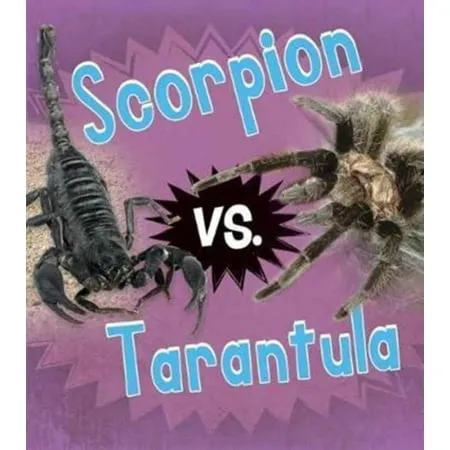
Scorpion venom is a complex mixture of toxins that paralyze or kill their prey. The intensity of the venom varies between species, with some scorpions posing a greater threat to humans. The stinger at the end of their metasoma is used to inject the venom. Besides venom, scorpions also use their strong pincers to grasp and defend against threats. Their tough exoskeleton also provides protection against physical harm. The scorpion’s defense strategy is a combination of venom delivery and physical protection, making it a formidable opponent in many situations. Some scorpions also exhibit behaviors such as using their tail to ward off threats and using their strong grip.
Tarantula Defense Mechanisms
Tarantulas primarily rely on venom to immobilize their prey. Their large fangs deliver the venom, and the toxicity of the venom varies depending on the species. Many tarantulas have urticating hairs on their abdomen, which they can flick at predators as a defense. These hairs cause irritation, deterring attackers. Their size and strong chelicerae are also defensive assets. Some species also adopt defensive postures to appear larger and more threatening. Their defense mechanisms are a blend of chemical (venom and urticating hairs) and physical strategies. They will often retreat into their burrows or webs to avoid conflict, if possible.
Combat and Survival
When a scorpion and a tarantula encounter each other, the resulting combat is often a clash of different strengths and weaknesses. Understanding the dynamics of their fights reveals the survival strategies employed by each arachnid. The outcome of the battle depends on numerous factors, including size, aggression, and the specific species involved. The interactions highlight how the survival is a constant struggle in the natural world. The outcome is often determined by which creature can exploit its opponent’s vulnerabilities and maintain its defensive advantages.
Typical Fight Dynamics

The outcome of a scorpion vs tarantula fight depends on factors like the size, species, and individual aggression of each creature. Tarantulas typically have an advantage in size and strength. However, scorpions may have the advantage of venom potency and the ability to strike from a distance. The fight often begins with a standoff, with each arachnid assessing the other. The tarantula may try to use its size and fangs to overwhelm the scorpion. The scorpion will attempt to use its stinger to inject venom, aiming for a vulnerable spot. The fight can involve a combination of physical grappling, venom attacks, and defensive maneuvers. The outcome can vary greatly, making these encounters unpredictable.
Survival Strategies
The survival strategies employed by scorpions and tarantulas in a fight reflect their adaptations. A scorpion’s primary survival strategy is to inject venom to quickly immobilize the tarantula. It uses its pincers for defense and its tail for both offense and defense. The tarantula relies on its size and strength, as well as its powerful fangs and venom, to subdue the scorpion. Its ability to flick urticating hairs is another defense. Both will attempt to capitalize on the other’s weaknesses. The ability to protect vital areas and deliver effective attacks is crucial for survival. The environment in which they are fighting can also have a major impact, and the ability to use it to their advantage may lead to survival.
Conclusion
The encounters between scorpions and tarantulas offer a fascinating glimpse into the dynamics of the animal kingdom. The amazing facts about their anatomy, habitats, hunting strategies, and defense mechanisms show the unique adaptations of each arachnid. The outcome of a fight depends on a complex interplay of factors, highlighting the unpredictable nature of the natural world. Both scorpions and tarantulas have developed unique survival strategies. These amazing facts about these creatures help to appreciate their roles in their ecosystems. These battles will continue to fascinate wildlife enthusiasts and inspire further study and observation.