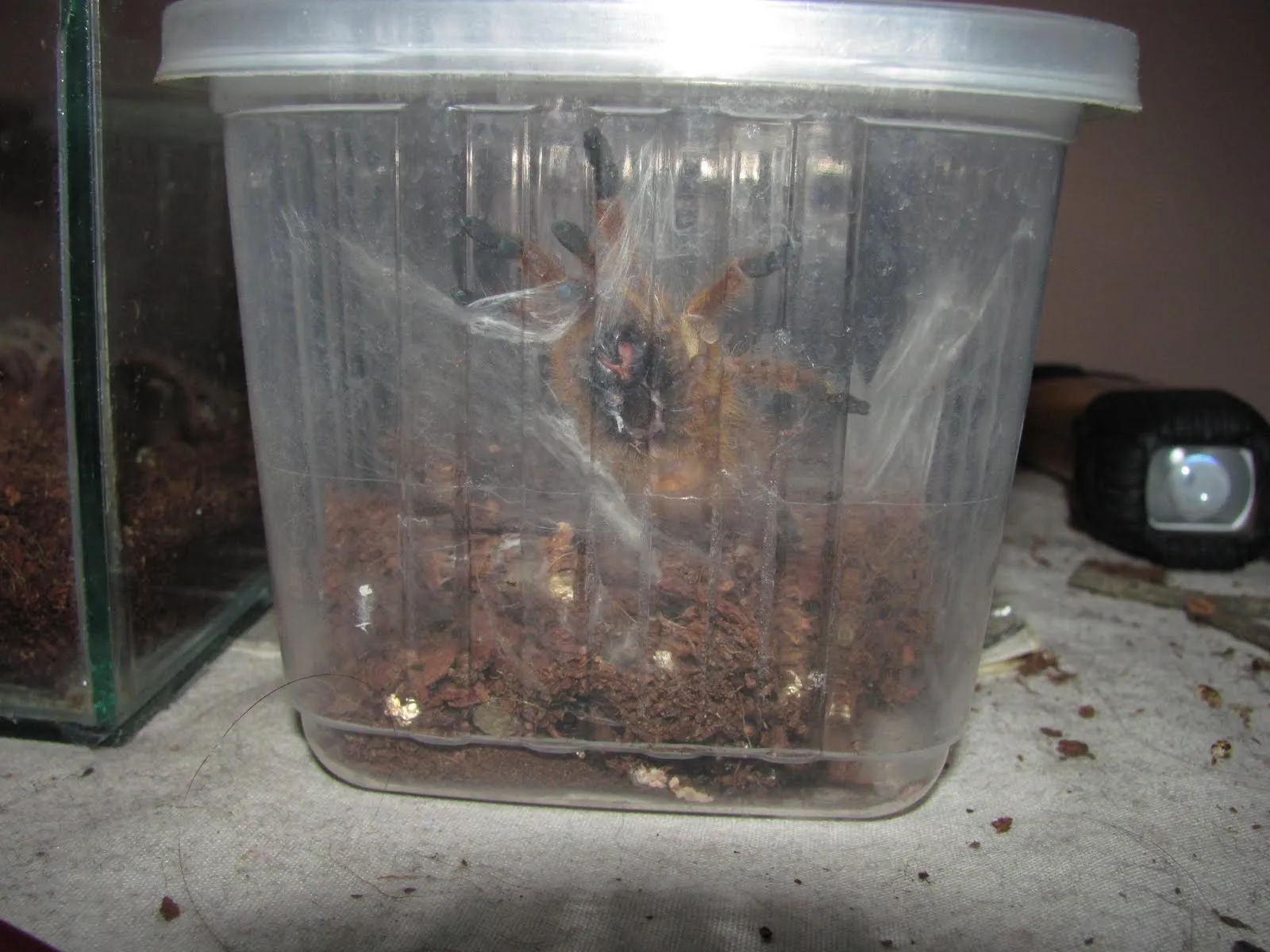
Setting up an Orange Baboon Tarantula (OBT) enclosure is crucial for the health and well-being of your pet spider. This guide provides a quick overview of the key elements needed to create a suitable habitat for your OBT. Proper setup ensures your tarantula thrives, displaying its vibrant colors and natural behaviors. This guide covers the essential aspects of the setup process, from enclosure selection to environmental controls, providing a safe and stimulating environment for your tarantula. Following these steps will allow you to create a thriving and enriching environment for your Orange Baboon Tarantula.
Choosing the Right Enclosure for Your Orange Baboon Tarantula
The enclosure is the foundation of your OBT’s habitat, and choosing the right one is paramount. Consider both the size of the tarantula and its arboreal nature when making your selection. A well-chosen enclosure provides adequate space for movement, exploration, and essential environmental controls. It also needs to be secure to prevent escapes, which are a common concern with these fast and potentially defensive spiders. The material of the enclosure, along with the lid design, plays a vital role in maintaining the appropriate conditions for your pet.
Enclosure Size Recommendations
For an adult Orange Baboon Tarantula, a minimum enclosure size of 12x12x12 inches is recommended, but a larger enclosure is always preferable, particularly if you have space. The arboreal nature of the OBT means that height is just as important as floor space. The enclosure should allow enough space for your tarantula to move, climb, and create its burrow or web without feeling cramped. Always ensure the enclosure’s dimensions suit the spider’s full adult size, which is crucial for their comfort and well-being. A larger enclosure can also help stabilize temperature and humidity.
Substrate Selection

Substrate choice affects humidity, burrowing, and overall habitat aesthetics. A good substrate should retain moisture without becoming overly soggy and should provide a comfortable surface for your OBT. Several substrate options are suitable, each with its own pros and cons. The ideal substrate will also help facilitate burrowing, which is a natural behavior for Orange Baboon Tarantulas, particularly when they are younger. Always ensure the substrate is clean and free of any harmful chemicals or materials that could pose a threat to your tarantula.
Optimal Substrate Depth and Type
A mixture of peat moss, vermiculite, and coconut fiber is an excellent substrate choice. This combination retains moisture well, allows for burrowing, and provides a natural look to the enclosure. The depth of the substrate should be at least 4-6 inches, offering enough space for the tarantula to burrow and create a secure habitat. Coconut fiber alone is a popular choice; however, a mix is better. Always make sure the substrate is clean and free of any additives that could harm your tarantula. A deep substrate layer also helps maintain humidity and provides a buffer against temperature fluctuations.
Ventilation Requirements
Adequate ventilation is essential to prevent mold and mildew growth and ensure fresh air circulation. The enclosure should have ventilation holes, preferably on the sides and top, to facilitate airflow. However, the ventilation should be designed to maintain humidity levels. Make sure that the enclosure has cross-ventilation. This is especially important in humid environments. Avoid enclosures with stagnant air, as this can lead to respiratory issues for the tarantula and the potential for mold to develop. Proper ventilation combined with humidity control will help maintain a healthy habitat.
Essential Equipment for Your Orange Baboon Tarantula

Beyond the enclosure and substrate, several pieces of equipment are essential for maintaining a healthy habitat. These include a water dish for hydration, suitable hiding spots to provide security, and a way to monitor temperature and humidity. These items work together to create a comfortable and safe environment that allows the tarantula to thrive. The equipment you select should be practical, safe, and conducive to the tarantula’s natural behaviors. Careful selection of equipment helps reduce stress and ensures the longevity of your pet.
Water Dish Placement and Size
A shallow water dish is a must-have. It provides a constant source of fresh water for your tarantula. The dish should be shallow enough to prevent drowning, and the water should be changed frequently to maintain cleanliness. The size of the water dish should be appropriate for the size of your tarantula, ensuring it can access the water easily. Small, stable dishes are preferable to prevent spills. Ensure the water dish is placed in a stable location within the enclosure to minimize the risk of it being tipped over. Clean water is vital for their survival, so regular monitoring is crucial.
Hiding Spots and Decor
Orange Baboon Tarantulas are known for their defensive behavior, making hiding spots essential for their well-being. Cork bark, artificial plants, or commercially available hides provide a safe place for the tarantula to retreat and feel secure. These hides can also add aesthetic value to the enclosure. When selecting decor, ensure it is non-toxic and does not have sharp edges. Place hides strategically within the enclosure to provide options for the tarantula to choose its preferred retreat. This contributes to reducing stress and helps them feel safe in their environment.
Temperature and Humidity Control

Maintaining the correct temperature and humidity levels is crucial for the health and molting process of your OBT. These parameters directly affect the tarantula’s metabolism, appetite, and overall well-being. Regular monitoring and adjustments are necessary to ensure the enclosure remains within the optimal range. Using a reliable thermometer and hygrometer is critical for accurately measuring these conditions and making any adjustments. Creating a stable environment supports the healthy development and longevity of your OBT.
Ideal Temperature Range
The ideal temperature range for an Orange Baboon Tarantula is between 75-85°F (24-29°C). Maintaining a consistent temperature is important. Use a heat mat or ceramic heat emitter, if necessary, to maintain this range. Always place the heat source outside the enclosure to prevent direct contact and potential burns. Avoid direct sunlight as this can cause the enclosure to overheat. Monitoring the temperature regularly, especially during seasonal changes, is vital to ensure the tarantula’s comfort and health. Precise temperature control supports all the spider’s bodily functions.
Maintaining Humidity Levels
Humidity levels for an OBT should be maintained between 60-70%. Regular misting with dechlorinated water is the most common method for maintaining humidity. The frequency of misting depends on the ventilation and substrate type. Monitor the humidity with a hygrometer and adjust the misting schedule as needed. The substrate also plays a vital role in humidity regulation. Make sure the substrate is not too wet, which can lead to mold, or too dry, which can cause molting problems. Maintaining the right humidity levels is also critical for successful molting, so consistent monitoring is important.
Lighting Considerations

While Orange Baboon Tarantulas don’t require special lighting, a low-wattage LED or fluorescent bulb can provide a day-night cycle for observation. Avoid bright lights, as they can stress the tarantula. The lighting should be positioned to avoid direct heat. Natural light from a nearby window can also be beneficial. Remember that these tarantulas are primarily nocturnal, so excessive lighting is not necessary. Ensure the lighting does not significantly raise the enclosure’s temperature. Simple lighting helps establish a natural rhythm without causing undue stress to your pet.
Setting up the Enclosure: A Step by Step Guide
Following a systematic approach to the enclosure setup ensures you create a safe and comfortable environment for your OBT. This step-by-step guide walks you through the process, highlighting the key actions and considerations at each stage. From substrate preparation to adding decor, each step is crucial in establishing a functional and aesthetically pleasing habitat that supports the well-being of your Orange Baboon Tarantula. By taking it step by step, you can create an optimal environment for your pet.
Step 1 Substrate and Ventilation Setup
Start by preparing the enclosure with a suitable substrate, ensuring it’s at the recommended depth. Add ventilation by ensuring the enclosure has appropriate holes on the sides or top. Thoroughly mist the substrate to achieve the desired humidity level before introducing any other items. If you are using a heating element, install it at this stage, making sure that it’s placed in a safe location and properly regulated. This initial step establishes the fundamental environmental conditions for the tarantula, creating a foundation of comfort and security.
Step 2 Adding Decorations and Hides

Next, introduce hides and decorations into the enclosure, arranging them in a way that allows for easy movement and exploration while providing secure retreats. Place the water dish in a convenient location. This creates a more natural and stimulating environment for the tarantula. The layout should cater to the OBT’s climbing and burrowing habits. Provide a secure environment, and the tarantula can explore the new setup. Ensure the decorations are stable and will not cause injury. Always arrange the hide or cork bark to provide the tarantula with a safe place to rest.
Step 3 Temperature and Humidity Monitoring
Before introducing the tarantula, carefully monitor the temperature and humidity levels using a reliable thermometer and hygrometer. Make necessary adjustments to ensure the enclosure meets the optimal parameters for your OBT. Ensure the temperature and humidity levels are stable before you introduce your spider. This pre-introduction period allows you to ensure that the environment you have set up is ready for the tarantula. Correcting any issues now prevents potential stress or health problems for your pet. After the readings are stable, you can then safely introduce the tarantula to its new home.
Acclimating Your Tarantula
Proper acclimation is critical to minimizing stress. Gradual introduction to its new surroundings is key to helping your tarantula adjust. Avoid any sudden changes in the environment or excessive handling during this period. Providing a secure hide and monitoring your tarantula’s behavior allows it to settle into its new habitat with as little stress as possible. Patience is crucial during this stage, as it may take some time for the spider to fully explore its new enclosure.
Introducing the Tarantula to its New Home

Gently place your Orange Baboon Tarantula into its new enclosure. Allow the spider to explore and settle in at its own pace. Avoid handling it immediately, and let it get used to its surroundings. Providing a secure hide will give it a place to retreat if it feels threatened. Observe its behavior over the next few days to ensure it’s adjusting well. Some tarantulas may hide for extended periods, which is normal. Proper introduction reduces stress and promotes a smooth transition to its new environment.
Monitoring and Maintenance of the Setup
Ongoing maintenance is vital to keeping the enclosure in optimal condition for your Orange Baboon Tarantula. Regular cleaning, monitoring, and adjustments are necessary to maintain a healthy and comfortable habitat. This also includes monitoring the tarantula’s health and behavior. Consistent care and attention will help to ensure that your tarantula thrives in its enclosure. Regular observation of the tarantula is essential.
Regular Cleaning and Maintenance
Remove uneaten food and any waste regularly to prevent the buildup of bacteria and the attraction of pests. Spot-clean the enclosure weekly, removing any visible debris and replacing the water dish with fresh water. Replace the substrate as needed. Perform a complete enclosure cleaning and substrate replacement every 6-12 months, depending on the condition of the substrate and the size of the enclosure. Regularly monitor the tarantula’s overall well-being, looking for any signs of illness or stress. Following this maintenance schedule will provide the best possible environment for your Orange Baboon Tarantula.
In conclusion, setting up an Orange Baboon Tarantula enclosure involves several key elements. Following the guidelines, will allow you to provide the best possible care for your pet. By creating a safe and stimulating environment, you can ensure your OBT thrives and exhibits its natural behaviors. Regular maintenance and observation are crucial for the long-term health and well-being of your tarantula. With the right setup and care, you can enjoy many years with your Orange Baboon Tarantula.