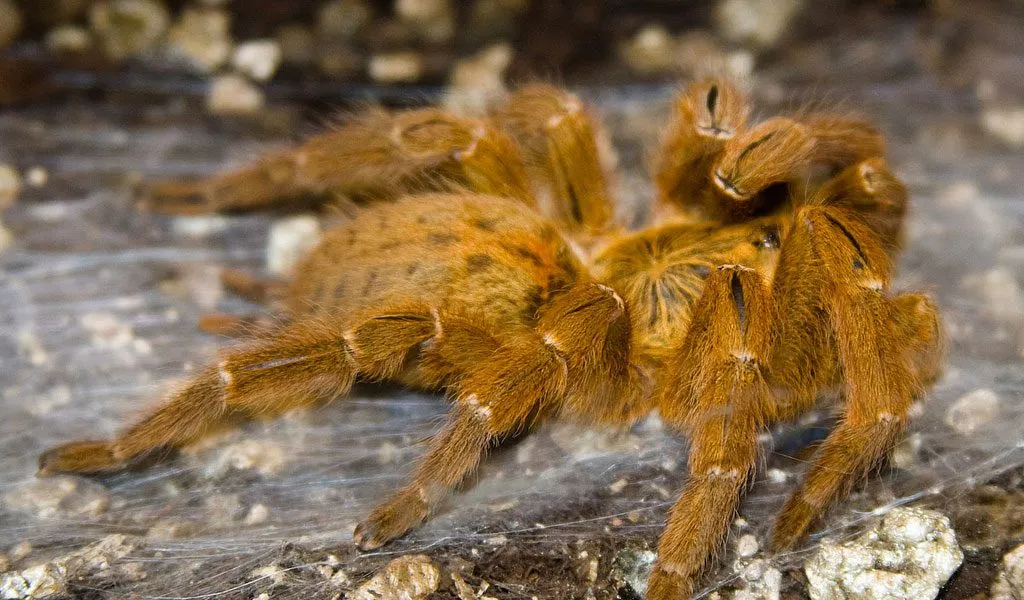
Spider vs Tarantula Overview
Spiders and tarantulas, both belonging to the arachnid class, often cause confusion among people. While they share similarities, like having eight legs and belonging to the same class, they are distinct creatures. Understanding the key differences between a spider and a tarantula is essential for anyone interested in these fascinating arthropods. This article explores the top 5 differences, providing a clear and concise comparison to help you identify and appreciate these creatures. Spiders are generally smaller and more diverse in their habits, found in almost every terrestrial habitat on Earth, while tarantulas are known for their larger size, hairy appearance, and preference for warm climates. This introduction sets the stage for a detailed comparison, uncovering the unique characteristics that set these arachnids apart.
Body Size and Appearance Differences
One of the most immediate differences between spiders and tarantulas is their size and overall appearance. This distinction is often the easiest way to tell them apart at a glance. Tarantulas are significantly larger, with some species boasting leg spans that can exceed 10 inches, while most spiders are much smaller. This size difference plays a crucial role in their lifestyle, hunting strategies, and even their perceived threat to humans. While size can vary among different species within each group, the general rule is that tarantulas are substantially bigger than the majority of spiders you might encounter.
Size Discrepancies

Spiders range in size from tiny, almost microscopic species to those with leg spans of several inches. The variety is immense. Some spiders, like the Goliath birdeater tarantula, can have a leg span of over 12 inches, making them one of the largest spiders in the world. Their size provides a significant advantage when hunting, allowing them to overpower larger prey. In contrast, most spiders are much smaller, often ranging from a few millimeters to a few inches in length. This size difference affects their prey, hunting grounds, and defensive strategies. Smaller spiders often rely on stealth and webs to catch their prey, while larger spiders can actively hunt or ambush.
Hairiness and Texture
Another key visual difference is the hairiness. Tarantulas are known for their hairy bodies and legs, covered in dense bristles. These hairs serve various purposes, including sensory perception, defense, and even aiding in gripping surfaces. This gives tarantulas a fuzzy or velvety appearance. In contrast, spiders tend to have less hair and a smoother exoskeleton. The texture can vary among different spider species, but they generally lack the dense, furry appearance of tarantulas. This difference in texture is a simple yet effective way to differentiate between the two arachnids when observing them closely.
Habitat and Living Environment
The habitats of spiders and tarantulas also differ, reflecting their different evolutionary adaptations and preferences. Spiders have adapted to virtually every terrestrial environment, from deserts and forests to urban gardens and even aquatic settings. Their versatility and ability to build webs or hunt actively have allowed them to colonize diverse areas. The habitats of tarantulas are more specific, typically favoring warmer climates. They are commonly found in tropical and subtropical regions around the world, often living in burrows or under rocks. Understanding their habitat helps in predicting where you might encounter them and understanding their behavior patterns.
Geographical Distribution of Spiders

Spiders exhibit an incredibly wide geographical distribution, found on every continent except Antarctica. Their adaptability to various environments is a testament to their evolutionary success. They thrive in forests, grasslands, deserts, and even aquatic environments. You can find spiders in your backyard, in your house, and almost anywhere with suitable conditions. This widespread presence makes them a common sight for people around the world. Different species have specialized adaptations that enable them to survive in specific niches. For instance, some spiders build webs to catch flying insects, while others are ground hunters, ambushing their prey.
Tarantula Habitats and Range
Tarantulas are primarily found in warmer regions around the globe. They are common in the Americas, Africa, Asia, and Australia. Their preferred habitats include tropical rainforests, grasslands, and deserts. They typically live in burrows, under rocks, or in other protected areas. Their lifestyle reflects a preference for consistent temperatures and humidity. The habitat influences their behavior and diet; for example, tarantulas that live in burrows might ambush prey passing by, while others hunt on the surface. Some species are arboreal, living in trees. These variations highlight the importance of considering their geographical distribution when studying these arachnids.
Webs and Hunting Techniques
Spiders and tarantulas also differ in their hunting techniques and web-building abilities. While not all spiders build webs, the ability to construct elaborate webs is a defining characteristic of many spider species. These webs serve as traps for catching prey, such as insects. In contrast, tarantulas generally do not build webs to catch prey; instead, they are ambush predators, relying on their size and strength to overpower their meals. This contrast highlights the diversity in hunting strategies within the arachnid family.
Spider Web-Building Skills

Web-building is a remarkable trait of many spider species. The silk, produced by specialized glands, is incredibly strong and versatile, allowing spiders to create various web designs. From the classic orb webs to sheet webs, the structures vary greatly. These webs are meticulously constructed to trap unsuspecting prey. The spiders then use the web’s vibrations to detect when an insect is caught. Web-building not only aids in catching prey but also provides shelter and protection. Different species of spiders use different techniques, reflecting their adaptations to their specific environments and prey. The intricacies and variations in web design are a testament to their evolutionary success.
Tarantula Hunting Strategies
Unlike many spiders, tarantulas are primarily ambush predators. They do not build webs to capture prey. Instead, they use their size and strength to ambush insects, small lizards, and even small birds. They typically live in burrows or hide under rocks, waiting for unsuspecting prey to come within striking distance. Their hunting style relies on stealth and swiftness, quickly overpowering their targets. They often inject venom to immobilize their prey before consuming it. This hunting technique is a clear contrast to the web-building approach of many spider species. The lifestyle of a tarantula is a fascinating example of how adaptation plays a role in survival within their specific habitats.
Venom and Bite
Both spiders and tarantulas possess venom, but the potency and effects of their bites can vary significantly. Spider venom is generally more potent, designed to quickly immobilize their prey. Tarantula venom is less potent, and their bites are typically not life-threatening to humans. The way they use their venom also differs; spiders use venom for both hunting and self-defense, whereas tarantulas are less reliant on venom for hunting and more likely to use it for defense.
Spider Venom Toxicity

Spider venom varies widely in toxicity, depending on the species. Some spiders, like the black widow and brown recluse, have highly potent venom that can cause significant harm to humans. Their venom is designed to quickly subdue prey and is injected through fangs. The effects of a spider bite can range from mild pain and swelling to severe symptoms such as muscle cramps, nausea, and even neurological issues. Understanding the toxicity levels of different spider species is vital for recognizing and treating bites effectively. While most spiders have venom, the amount and type of toxins differ, resulting in varied effects on human health.
Tarantula Bite Effects
Tarantula bites are generally less dangerous than those of many spiders. Their venom is typically not very toxic to humans. When bitten by a tarantula, the symptoms are usually similar to a bee sting – local pain, swelling, and redness at the bite site. However, tarantulas can also defend themselves by flicking urticating hairs from their abdomen, causing irritation to the skin and eyes. Although their bites are not life-threatening, it is crucial to seek medical attention if severe symptoms occur or if you have an allergic reaction. Unlike many spiders, tarantulas primarily use their venom for subduing prey, and their bites on humans are more of a defensive measure than a hunting strategy.
Lifespan Comparison
Another key difference between spiders and tarantulas is their lifespan. Spiders generally have shorter lifespans, often living for only a year or two. Tarantulas, however, can live for significantly longer periods, with some females living for over 20 years. This longevity is a remarkable trait, offering these arachnids more time to mature, reproduce, and adapt to their environments. The lifespan variation is related to factors like metabolism, size, and environmental conditions, shaping each group’s life history.
Typical Spider Lifespan

The lifespan of most spiders is relatively short, typically ranging from one to two years. However, this can vary depending on the species and their environment. Male spiders often have shorter lifespans than females, often dying after mating. Environmental factors such as predation, access to food, and climate also influence their longevity. Some spiders might live longer in controlled environments like terrariums, while others face greater risks in the wild. The short lifespan is a natural part of their life cycle, with spiders reaching maturity quickly and focusing on reproduction before their demise. Understanding the life cycle is crucial to appreciating their place in the ecosystem.
Tarantula Lifespan Variations
Tarantulas are known for their long lifespans, especially the females. Female tarantulas can live for over 20 years in some species, while males typically have shorter lifespans. This longevity is one of the distinguishing factors of these spiders. Their slow metabolism, larger size, and protective burrows contribute to their ability to survive for many years. The conditions in which they live, such as temperature, humidity, and availability of food, also influence their lifespan. Their long lifespan allows them to mature, mate, and reproduce multiple times. This makes them a remarkable example of longevity among invertebrates. Their longer lifespans also give scientists more opportunities to study their behavior and life cycle.