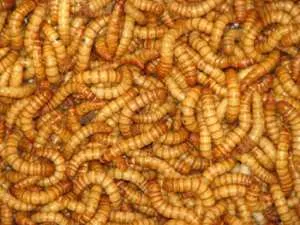
Why Superworms Are a Great Food Source for Tarantulas
Superworms (Zophobas morio) have become a popular food source for tarantula keepers due to their nutritional profile and ease of availability. They provide essential nutrients that contribute to the overall health and growth of your tarantula. Unlike some other feeder insects, superworms are relatively easy to raise and maintain, making them a convenient option for both novice and experienced tarantula owners. Their size also makes them a suitable meal for a wide range of tarantula sizes, from smaller spiderlings to large, adult specimens. Properly prepared and offered, superworms can form a core component of a balanced tarantula diet, promoting healthy molting cycles and vibrant coloration. They offer a good source of protein, which is essential for growth and muscle development, as well as healthy fats that contribute to the tarantula’s overall energy levels. The ability to easily obtain and prepare superworms makes them a practical choice for most tarantula owners.
Nutritional Benefits of Superworms for Tarantulas
Superworms offer a well-rounded nutritional profile that supports tarantula health, but understanding the specifics of their nutritional content is essential for proper feeding. The benefits extend beyond just providing energy, impacting various aspects of your tarantula’s well-being. The balance of macronutrients, along with the presence of certain micronutrients, plays a crucial role in maintaining a healthy and thriving tarantula. Careful consideration of these nutritional aspects will allow you to make informed decisions regarding your tarantula’s diet, which in turn improves its overall health and life expectancy. Supplementing superworms with other food sources, such as crickets or roaches, can create a more balanced diet, especially if you are rearing a tarantula through its entire lifecycle.
Protein Content

Protein is the building block of life, and superworms are a good source of it for tarantulas. Protein is essential for growth, muscle development, and the repair of tissues. During molting, tarantulas require a significant amount of protein to form their new exoskeleton. The protein content in superworms helps ensure that the tarantula has the necessary resources to complete this process successfully. A diet deficient in protein can lead to stunted growth, weakness, and difficulties during molting. Make sure the superworms are also gut-loaded with nutritious food to increase their protein value to the tarantula. High-quality protein sources, like those found in well-fed superworms, are crucial for a healthy and thriving tarantula.
Fat Content
Fat provides energy for tarantulas, enabling them to carry out their daily activities and processes. It also plays a role in the absorption of fat-soluble vitamins. The fat content in superworms is relatively moderate, making them a good source of energy without being overly rich. However, it is important to balance the fat intake to avoid excessive weight gain, which could lead to health issues. In conjunction with protein, fat content in a tarantula’s diet fuels their ability to thrive. A healthy balance between protein and fat is key for a balanced diet, promoting healthy molting and providing the energy they need to thrive in their habitat. A tarantula’s diet should include fats to make sure that all nutritional requirements are satisfied.
Chitin and Fiber
Superworms, like all insects, contain chitin, a complex carbohydrate that forms the exoskeleton. Chitin is a source of fiber in the tarantula’s diet, aiding in digestion and promoting gut health. Fiber helps regulate the digestive process and prevent constipation. While chitin is not a primary nutrient, it plays an important role in maintaining the health of the digestive system and ensuring that the tarantula can effectively process its food. A healthy digestive system is crucial for overall health, allowing the tarantula to absorb nutrients efficiently. This contributes to a well-rounded diet that supports their overall health and well-being.
Selecting the Right Superworms

Choosing the right superworms is a critical step in providing your tarantula with a nutritious meal. The quality of the superworms directly impacts the nutritional value and the overall health of your tarantula. Careful selection ensures that your pet receives the best possible nutrition, reducing the risk of introducing parasites or diseases. Always observe the appearance and behavior of the superworms before offering them to your tarantula. Healthy, well-cared-for superworms translate to a healthier, happier tarantula. Taking the time to select and prepare superworms properly is a key aspect of responsible tarantula ownership, contributing significantly to the well-being of your pet.
Sourcing Superworms
When sourcing superworms, choose a reputable supplier that prioritizes the health and well-being of their insects. Look for suppliers that maintain clean and well-ventilated facilities, and that provide their superworms with a nutritious diet. You can typically find superworms at local pet stores that specialize in reptiles and insects, or from online suppliers. When purchasing online, be sure to read reviews and check the supplier’s reputation before placing an order. Some keepers prefer to breed their own superworms, which can provide a consistent supply and allows for greater control over their diet. No matter where you get them, always inspect the worms for signs of illness or poor health, such as lethargy, discoloration, or unusual behavior.
Choosing Healthy Superworms
Healthy superworms are active, plump, and free from any visible signs of disease or parasites. Inspect them carefully before feeding them to your tarantula. Avoid worms that appear sluggish, discolored, or have a foul odor. The superworms’ appearance can tell you a lot about their health. Look for worms that are firm to the touch, as this indicates that they are well-fed and hydrated. Worms that are too skinny or appear dehydrated may not provide adequate nutrition. Also, check for any signs of parasites, such as small mites or other insects. Superworms should move actively when disturbed and display a natural, healthy appearance. Any signs of illness or poor health in the superworms could potentially be passed on to your tarantula, so careful inspection is crucial.
Size Matters Choosing the Right Worms

The size of the superworms should be appropriate for the size of your tarantula. As a general guideline, the prey item should be no larger than the tarantula’s abdomen. Offering a worm that is too large can stress the tarantula and even cause injury. For small spiderlings, smaller superworms or pieces of superworms might be necessary. For larger tarantulas, you can offer whole, full-sized superworms. Adjust the size of the superworms as your tarantula grows. Monitor your tarantula’s feeding behavior and adjust the size and amount of worms accordingly. The goal is to provide a meal that is manageable and nutritious without overwhelming your tarantula. Provide the appropriate size of superworms, for each of your tarantulas to ensure they thrive.
Preparing Superworms for Feeding
Preparing superworms properly before feeding is essential to ensure that they are safe, nutritious, and appealing to your tarantula. This preparation involves quarantine, gut-loading, and other practices that enhance the nutritional value of the worms. Properly preparing superworms not only makes them a more nutritious meal but also helps to minimize the risk of introducing parasites or diseases. Taking the time to prepare the superworms correctly shows your commitment to the well-being of your tarantula. This crucial step ensures that your tarantula receives the maximum nutritional benefits from their meal and helps to reduce the risk of any health complications. By prioritizing these steps, you’re setting your tarantula up for a healthy and vibrant life.
Quarantine and Gut-Loading
Before feeding superworms to your tarantula, it is important to quarantine them. This involves keeping the worms separate from your tarantula and other insects for a period of time. Quarantining allows you to monitor the worms for any signs of illness or parasites. This is particularly important if you have purchased the superworms from a new source. Along with quarantine, gut-loading is a key part of preparing superworms. Gut-loading means feeding the worms a nutritious diet prior to feeding them to your tarantula. This process increases the nutritional value of the worms, making them a more beneficial meal. Superworms that have been fed a diet rich in vitamins and minerals will provide your tarantula with a more balanced and complete meal. These two preparation steps are key to ensuring the health of your pet.
Gut-Loading Methods

Gut-loading involves feeding the superworms a diet rich in nutrients for 24 to 48 hours before feeding them to your tarantula. A good gut-loading diet includes a variety of fresh vegetables, fruits, and a commercial insect food supplement. Vegetables such as carrots, sweet potatoes, and leafy greens are excellent choices. Fruits like apples and oranges can also be added in moderation. The supplement should contain essential vitamins and minerals to enhance the nutritional value. Be sure to remove any uneaten food to prevent mold growth. The objective is to feed the superworms a balanced and nutritious diet that will then be passed on to your tarantula. The superworms will become a more complete and nutritious food source by absorbing all the good nutrients. This directly benefits your tarantula’s health and well-being, leading to a stronger, more vibrant pet.
How to Feed Superworms to Your Tarantula
Feeding your tarantula superworms is a straightforward process, but proper technique is important to ensure that the tarantula receives the appropriate amount of food and to minimize any potential risks. It’s important to consider the frequency of feedings, the portion size, and the importance of observing your tarantula’s behavior. When following these guidelines, you can provide your pet with a healthy and enjoyable mealtime experience. Always make sure that the meal is safe, and that it provides the nutritional value that is needed for a healthy and thriving pet. A well-fed tarantula is generally a healthy tarantula.
Feeding Frequency and Portion Sizes
The feeding frequency for tarantulas depends on their age, size, and metabolism. Spiderlings and juvenile tarantulas typically need to be fed more frequently than adults. As a general guideline, spiderlings can be fed every other day, while juveniles can be fed once or twice a week. Adult tarantulas can be fed once a week or even less frequently, depending on their size and appetite. When determining portion sizes, it is important to consider the size of the tarantula and the size of the superworms. Offer one or two superworms at a time, and observe whether the tarantula consumes them. Remove any uneaten superworms within 24 hours to prevent them from stressing the tarantula. Overfeeding can lead to obesity and other health problems. Adjust the portion size and frequency according to your tarantula’s individual needs, and always monitor your pet’s eating habits.
Observe Your Tarantula’s Eating Habits

Observing your tarantula’s eating habits is crucial to ensure its health and well-being. A healthy tarantula will typically be eager to eat and will quickly seize the offered superworm. However, if your tarantula refuses to eat, or if it only eats a portion of the meal, this could indicate an underlying issue. Possible causes may be that it is in premolt, has environmental problems, or is simply not hungry. A tarantula that is preparing to molt may lose its appetite. Keep a close eye on your tarantula and take note of any changes in its behavior. Regularly checking its body condition, activity levels, and overall appearance is also very helpful. By paying close attention to your tarantula’s feeding habits, you can identify any potential problems early on and make adjustments to the care routine accordingly, ensuring that your pet remains healthy and happy.
Removing Uneaten Superworms
It is extremely important to remove any uneaten superworms from the tarantula’s enclosure within 24 hours. Uneaten superworms can pose a risk to your tarantula. They can burrow or hide, potentially causing stress to the tarantula and/or causing injury if the tarantula attempts to molt. Additionally, uneaten superworms can stress your tarantula and affect your tarantula’s health. Leftover worms may also lead to the growth of mold or bacteria, which can be detrimental to the tarantula’s health. It’s essential to check the enclosure after each feeding. The goal is to maintain a clean and safe environment for the tarantula. By promptly removing uneaten food, you are helping your tarantula’s health.
Troubleshooting Feeding Issues
Even with the best care, tarantulas can sometimes experience feeding issues. Identifying and addressing these problems promptly is important for the health and well-being of your pet. By understanding the common issues and knowing how to respond, you can ensure that your tarantula receives adequate nutrition and thrives. The ability to recognize and resolve these issues quickly is a crucial skill for any responsible tarantula owner. This ability allows you to respond effectively to any difficulties your pet might experience.
Tarantula Refusal to Eat
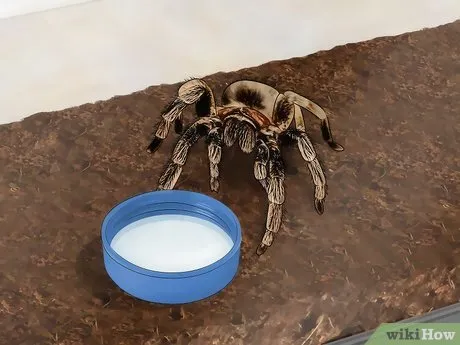
If your tarantula refuses to eat, several factors could be at play. The most common reason is that the tarantula is in premolt. During this time, the tarantula will stop eating as it prepares to shed its exoskeleton. Other reasons include stress, improper enclosure conditions, or illness. Check the enclosure temperature and humidity levels to ensure that they are within the correct range. Inspect the tarantula for any signs of illness or injury. If the tarantula is not eating, it is important to identify the underlying cause and take appropriate action. The solution will vary based on the reason, but it is important to carefully assess the situation and provide the care your tarantula needs. In most cases, patience is key, and the tarantula will resume eating once the issue has been resolved.
Overfeeding Concerns
Overfeeding a tarantula can lead to obesity and other health problems. A tarantula that is consistently fed more than it needs may become lethargic and experience difficulties during molting. The abdomen may become overly large and swollen, which can impede the tarantula’s mobility. To avoid overfeeding, always offer an appropriate portion size and adjust the feeding frequency according to the tarantula’s age, size, and metabolism. It is best to slightly underfeed your tarantula rather than overfeed it. A healthy tarantula will have a well-proportioned abdomen, and will maintain an active and alert disposition. Regular observation and responsible feeding practices are key to preventing overfeeding and ensuring that your tarantula remains healthy and active.
Common Mistakes to Avoid
Avoiding common mistakes is essential to ensure the health and well-being of your tarantula. Some common errors in feeding practices can have serious consequences, so being aware of them is crucial for responsible pet ownership. Avoiding these common errors will create a safer and more enriching environment for your tarantula. Understanding these pitfalls can help you provide the best possible care for your pet. Being proactive and informed helps prevent problems and promotes the long-term health of your tarantula. Knowing the things to avoid is just as important as knowing what to do.
Improper Gut-Loading
Improper gut-loading is a common mistake that can significantly reduce the nutritional value of superworms. If the superworms are not fed a nutritious diet for 24-48 hours before feeding them to your tarantula, they will not provide the maximum benefits. Use a variety of fresh vegetables, fruits, and a commercial insect food supplement. Avoid feeding the superworms only a single type of food. Ensure that the worms have access to clean water. Take care in creating the gut-loading diet to make sure that the worms get the best nutrition and that the diet in turn benefits the tarantula. By properly gut-loading the superworms, you enhance their nutritional value, leading to a healthier tarantula.
Feeding Too Many Worms at Once
Feeding too many superworms at once can overwhelm a tarantula and lead to overfeeding. It also increases the chances of uneaten worms in the enclosure, which can stress the tarantula. Always offer an appropriate portion size, and monitor your tarantula’s eating habits. Offer one or two superworms at a time, and remove any uneaten worms within 24 hours. Adjust the portion size as needed, based on the tarantula’s size and appetite. Avoid overfeeding your pet. By monitoring the amount you provide, you can avoid the potential health problems that could result.
Neglecting Hygiene
Neglecting hygiene in the enclosure can lead to a buildup of waste, mold, and bacteria, which can be harmful to your tarantula. Regularly clean the enclosure, removing any uneaten food, molted exoskeletons, and waste. Ensure that the enclosure has proper ventilation to prevent mold growth. Provide fresh water regularly. Maintaining a clean and hygienic environment will help to prevent disease and promote the overall health of your tarantula. By taking the time to maintain proper hygiene, you can help your tarantula thrive.
In conclusion, feeding superworms to your tarantula can be a rewarding experience when done correctly. By understanding the nutritional benefits, following the proper preparation techniques, and avoiding common mistakes, you can provide your tarantula with a healthy and balanced diet. Remember to always source healthy superworms, quarantine and gut-load them, and feed them appropriately. With careful attention to detail, you can ensure that your tarantula thrives and lives a long, healthy life. By following the guidance provided in this article, you’ll be well on your way to becoming a responsible and knowledgeable tarantula keeper.