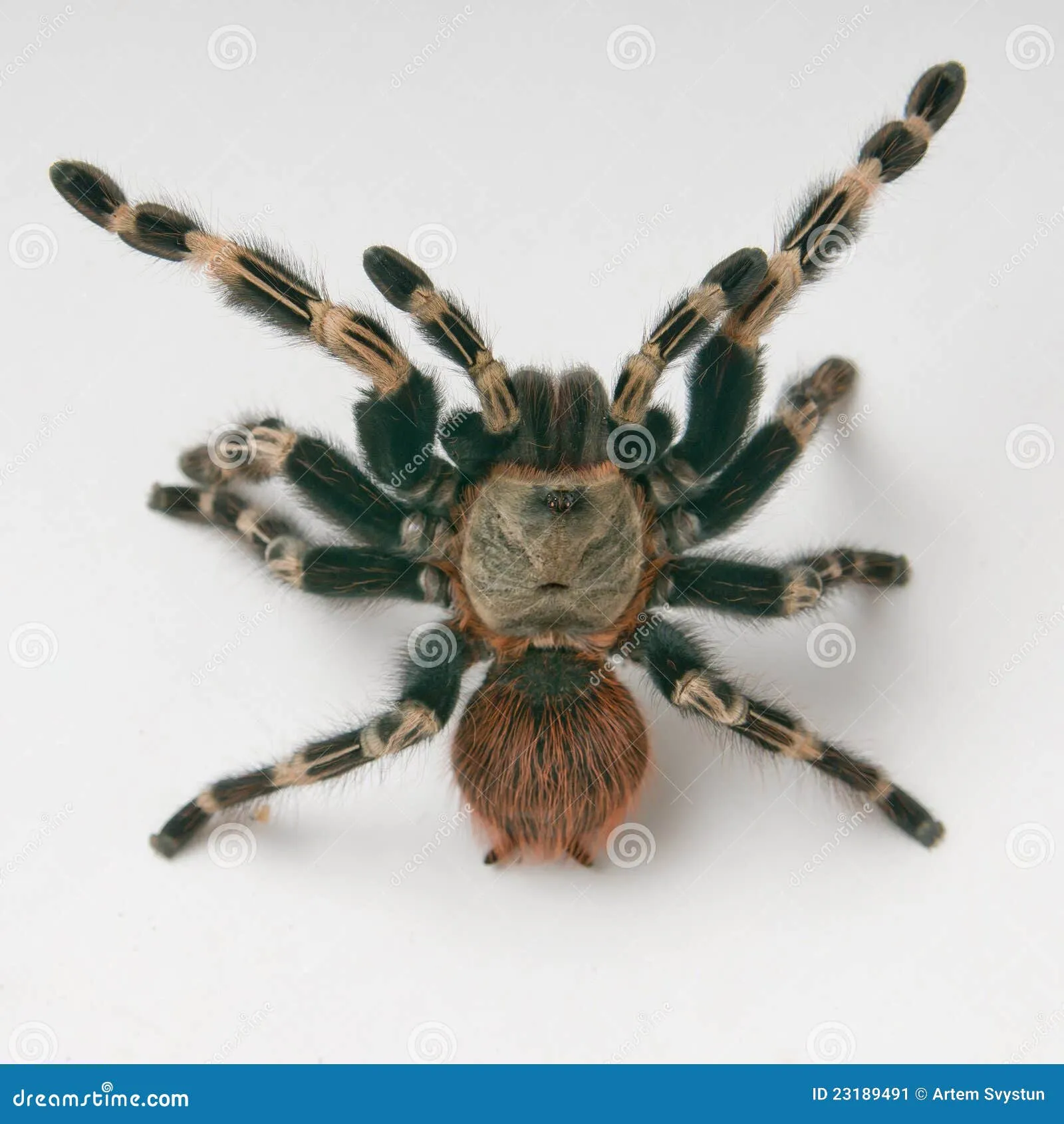
What is the Tarantula Attack Stance?
The tarantula attack stance is a fascinating and sometimes intimidating display of defensive behavior exhibited by these large, hairy spiders. It’s a clear signal to potential threats that the tarantula feels threatened and is prepared to defend itself. This posture is not merely a random action but a deliberate set of actions, a complex interplay of physical positioning and instinctive responses. Understanding this stance offers valuable insights into tarantula behavior, helping enthusiasts and researchers alike better understand these creatures. The attack stance serves as a crucial part of their survival strategy in the wild, and its appearance can vary slightly among different species of tarantulas, but the core principles remain consistent. Observing this behavior can be quite thrilling, but it also calls for caution and respect for the animal’s needs.
Identifying the Threat
A key aspect to interpreting the attack stance is understanding what triggers it. Tarantulas, like all animals, react to perceived threats. These threats can come in various forms, from predators in their natural habitat to perceived dangers within captivity. A direct approach, rapid movement, or sudden changes in their environment may prompt a tarantula to assume this defensive posture. Moreover, a tarantula’s sensitivity to vibrations and changes in air pressure may contribute to its perception of danger, causing it to go into attack mode. Therefore, identifying the source of stress is the initial step in comprehending the attack stance. This behavior is also related to the spider’s overall well-being, with factors like hunger, the molting process, or the presence of eggs affecting its reaction.
Body Posture

One of the most recognizable features of the tarantula attack stance is the spider’s body posture. The tarantula will often raise its front legs high in the air, sometimes lifting its entire body off the ground. This action makes the tarantula appear larger and more imposing, a classic example of intimidation. The body is frequently tilted, giving it an alert and ready-to-strike appearance. This posture is combined with a display of the fangs, warning the potential threat of the tarantula’s ability to bite and inject venom. This specific body positioning is a clear sign of the animal’s intention to defend itself, a warning sign for anything getting too close. Recognizing these physical cues is vital to avoid unnecessary interactions that may result in a defensive reaction from the tarantula.
Leg Positioning
Leg positioning is another critical component of the attack stance. The tarantula will typically position its legs to maximize stability and leverage for a potential strike or defense. The front legs, as mentioned, are often raised, but the remaining legs provide a strong base on the ground. This stance is more than a threatening show; it also helps the spider be more agile and mobile if it must flee. The legs function as the primary instruments for both offense and defense in this posture, and thus it has to be perfect. In some cases, the tarantula may spread its legs wide to cover more ground, making itself appear even larger and less approachable. The leg positioning is a calculated action, designed to ensure survival.
The Significance of Hair Raising
Another notable behavior linked to the attack stance is the raising or flicking of urticating hairs. Many tarantula species have these specialized hairs, which are a primary defense mechanism. These hairs, located on the abdomen, are capable of being released when the tarantula feels threatened. The released hairs are irritating and can cause skin and eye irritation in any potential predator. This tactic is a part of their offensive action to deter any potential threat. This behavioral aspect is also often closely linked to the spider’s posture, and it gives a clear indication of how ready the spider is to attack. Understanding how these hairs work and the circumstances under which a tarantula releases them is essential for anyone handling or studying these creatures.
What Triggers the Stance?

Several factors can trigger the tarantula attack stance. The most common trigger is a perceived threat, whether it is another animal, a human, or even a rapid change in the environment. Being startled or feeling trapped can also cause a tarantula to adopt the defensive posture. Furthermore, external factors, such as the presence of predators or territorial disputes with other tarantulas, can activate this behavior. Even changes in their environment like vibrations or bright lights, and sounds can also trigger it. The specific triggers vary depending on the tarantula’s species and the context of the situation. Thus, careful observation of their environment and behaviors is a key part of interacting with tarantulas in any capacity. These triggers emphasize that this stance is a complex response based on the animal’s perception of immediate danger.
Defense Mechanisms
The attack stance is a component of the tarantula’s broader defense mechanisms. These mechanisms include the raising of the front legs, the exposure of fangs, and the potential release of urticating hairs. Some tarantulas may also hiss, a sound produced by rubbing their legs together, adding an auditory component to their defense strategy. In the worst-case scenario, the tarantula may also bite and inject venom, using the defensive behavior as the last resort. The goal of the defense is always to protect itself, whether by intimidating a potential threat or by launching a defensive attack. Understanding these defense strategies is essential for providing appropriate care in captivity and for safe observation in the wild.
Territoriality
Tarantulas are often territorial, and the attack stance can be a display of protecting their space. In their natural habitat, this behavior may be displayed to ward off other tarantulas or other creatures that might encroach on their territory. In captivity, the same behaviors are often expressed, especially if multiple tarantulas are housed together. Territoriality might also be seen if their living area changes, such as with a new cage, or even a shift in their established environment. This part of the stance reinforces their need for safety and space, which contributes to their overall survival. It’s critical to understand the link between the environment and territorial behavior to enhance tarantulas’ welfare, especially in a captive setting.
Prey Pursuit

While primarily defensive, the attack stance can also play a role in prey pursuit. When a tarantula is hungry, it might use the same stance to intimidate its prey. The spider gets in the right spot, and when the prey gets closer, the tarantula attacks. This allows the spider to be in the perfect position to capture the prey. For tarantulas, the attack stance is more than just a defense tactic, it’s a tool. The spider will use this pose when hunting if it feels that it is in the proper position to attack. This combination of both defensive and offensive behaviors provides valuable insights into its survival mechanisms and prey-hunting techniques, demonstrating its complexity.
What Does it Mean?
The tarantula attack stance, when interpreted accurately, gives important clues regarding its immediate state of being and its overall well-being. It signals that the tarantula is stressed, afraid, or feels threatened in its current surroundings. Recognizing this allows for an understanding of the spider’s current experience and prompts more cautious interaction. It means that the tarantula may act aggressively if disturbed. If observed in a captive environment, the stance may indicate that the habitat has something wrong, like temperature problems. By paying close attention to this behavior, observers can better meet the spider’s needs and make the proper adjustments to foster a healthy and safe environment. This stance is a vital mode of communication and contributes to an understanding of their behaviors.
Understanding Tarantula Behavior
The attack stance is a window into the overall behavior of tarantulas, and therefore it is vital to understand it. This is more than just an aggressive posture, it is a critical form of communication. Recognizing this stance allows observers to build a deeper understanding of tarantula behavior, especially as it relates to their environment and interactions. By observing and understanding the circumstances that trigger the attack stance, enthusiasts and experts alike can gain important insights. Such knowledge contributes to better care practices in captivity and the safe study of these creatures in their natural surroundings. This stance provides a complete view of their adaptive behaviors.
Interpreting the Stance

Interpreting the attack stance is about reading the cues and understanding the context. Various factors determine its meaning, from the species of the tarantula and the specific environmental context to the intensity of its display. For example, a mildly raised posture can be interpreted differently than a posture accompanied by hissing or the release of urticating hairs. Observers must analyze the spider’s behavior, body language, and surroundings to fully understand what it is communicating. Developing this skill enhances safe and rewarding interactions with these amazing creatures. The context and display’s intensity provide a wealth of data regarding the tarantula’s current state of mind.
Are All Tarantulas the Same?
No, not all tarantulas are the same. There are about a thousand different species of tarantulas that exist, and they all have different defensive behaviors. The way they respond to threats can vary. Some tarantulas may be more prone to adopting the attack stance, while others may choose to flee or use a combination of defensive strategies. Differences may be seen in the appearance of the pose itself. The appearance and interpretation of the attack stance can differ. By understanding the various species and their individual characteristics, keepers and enthusiasts can provide the best care and approach them safely. Each species possesses unique defensive adaptations based on its environment.
Variations Among Species
Variations among tarantula species in their attack stance are significant and often correlate with the species’ evolutionary history and the environment in which it lives. Some tarantulas are more docile than others, and they may be less likely to adopt the attack stance. Other species may rely more on their defensive hairs, while others lean more heavily on the threat display. The size and shape of the tarantula also influence how it assumes its attack stance. The specific variations contribute to the diversity of tarantulas, emphasizing that what constitutes a threat and how they react can vary between species. Understanding these variances improves responsible handling and care of these species.
Differences in Defensive Behaviors

Differences in defensive behaviors extend beyond the attack stance. Some tarantulas may rely more on speed, while others are capable of emitting sounds, such as hissing. Some species will also drop hairs to defend themselves. Several species may also attempt to bite, which is usually a last resort. The specific defense mechanisms used by each species reflect their evolutionary adaptations and the predators they face in their natural habitats. The combination of the behaviors makes each species unique. Appreciating these differences enhances the understanding of tarantulas and facilitates safer and more appropriate handling and observation.