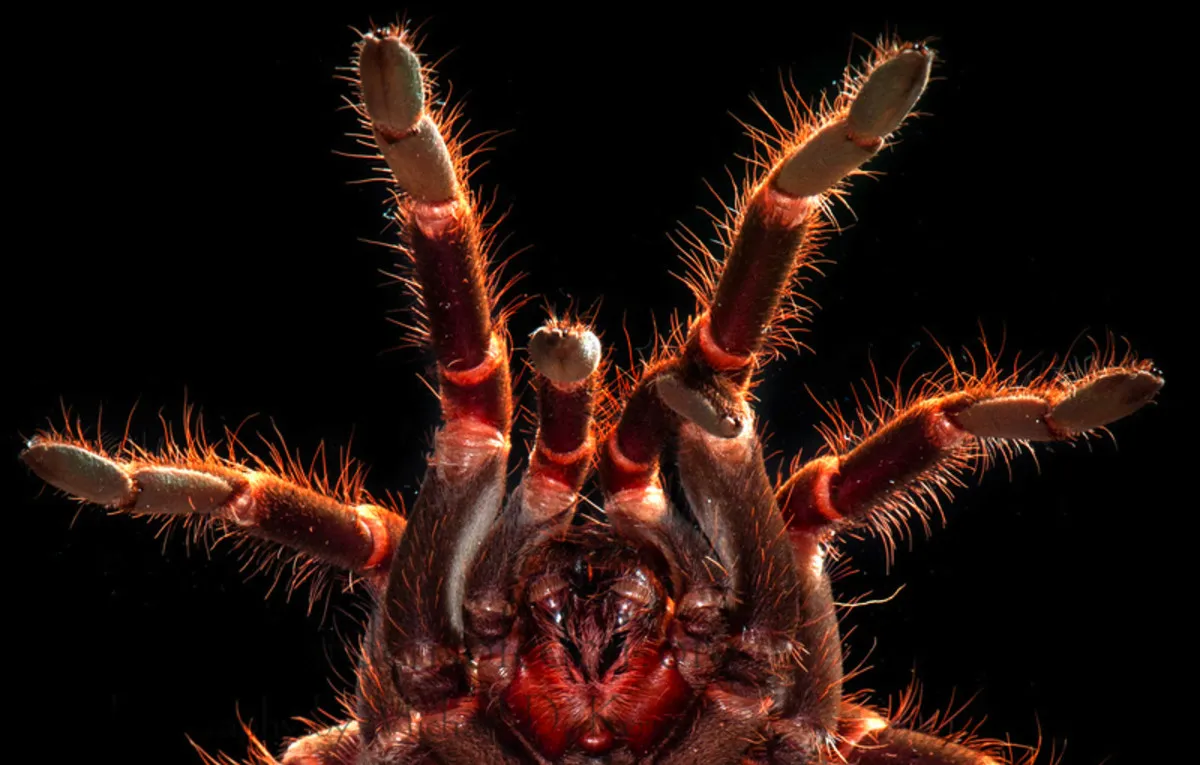
Owning a tarantula can be a fascinating and rewarding experience, but it also comes with responsibilities and potential risks. One of the most significant concerns for tarantula owners is the possibility of being bitten. While tarantula bites are rarely life-threatening to humans, understanding what happens when a tarantula bites, how to respond, and how to prevent bites in the first place is crucial for responsible pet ownership. This guide will provide you with the top 5 things you need to know about tarantula bites to ensure the safety and well-being of both you and your eight-legged friend.
What Happens When a Tarantula Bites an Owner
When a tarantula bites, it injects venom through its fangs. The venom’s composition varies depending on the species, but it typically contains enzymes and toxins designed to subdue prey. For humans, the effects of a tarantula bite are usually localized, causing pain, redness, and swelling at the bite site. The severity of the reaction can vary based on the individual’s sensitivity, the amount of venom injected, and the species of the tarantula. It is important to remember that tarantulas generally do not bite unless they feel threatened. Understanding tarantula behavior and handling your pet with care can significantly reduce the risk of a bite.
Immediate Actions to Take After a Tarantula Bite
Identify the Bite

The first step is to recognize that you have been bitten. You might feel a sharp, stinging pain, similar to a bee sting. Inspect the area for puncture marks, which will indicate the bite location. Sometimes, the bite can be difficult to spot immediately due to the speed at which the tarantula strikes. If you are unsure if you were bitten, but experience sudden pain or discomfort while handling your tarantula, it is best to treat the situation as a bite until proven otherwise. Take a photograph of the bite site to monitor any changes or reactions.
Assess Severity of Symptoms
Carefully observe the bite site and any symptoms you are experiencing. Note the level of pain, the size of the swelling, and any other physical reactions. Assess whether the symptoms are localized to the bite area or if they are spreading or becoming more severe. Look for any signs of an allergic reaction, such as difficulty breathing, hives, or dizziness, as these require immediate medical attention. The severity of the symptoms will guide you in the next steps.
First Aid Steps
After a tarantula bite, clean the bite area gently with mild soap and water. Apply a cold compress or ice pack to the affected area to reduce swelling and pain. Keep the bite site elevated if possible. Take an over-the-counter pain reliever, such as ibuprofen or acetaminophen, to manage the pain. Avoid scratching the bite, as this can increase the risk of infection. Monitor the bite site for any changes in symptoms, such as increased redness, swelling, or pus, which could indicate an infection. Keep the area clean and dry.
Seek Medical Attention When Necessary

Seek medical attention if you experience severe symptoms, such as difficulty breathing, chest pain, severe swelling, dizziness, or signs of an allergic reaction. If the pain is intense or the symptoms worsen despite first aid measures, it is wise to consult a healthcare professional. Inform the medical staff that you have been bitten by a tarantula, as this can help them provide appropriate treatment. In most cases, a doctor can offer advice and treatment to relieve pain and manage any potential complications.
Common Symptoms of Tarantula Bites
Local Reactions
Local reactions are the most common symptoms of a tarantula bite. These reactions are usually confined to the area around the bite and can include immediate pain, which may be described as a burning or stinging sensation. Redness and swelling at the bite site are also typical, and the area may become itchy. These local reactions typically subside within a few hours or days. Some individuals may experience muscle cramps or twitches near the bite area. In rare cases, some individuals may experience a small blister at the bite location.
Systemic Reactions

Systemic reactions, which affect the entire body, are less common but can be more serious. These reactions can include nausea, vomiting, dizziness, and headaches. In rare instances, more severe systemic symptoms, such as difficulty breathing or anaphylaxis, may occur, indicating an allergic reaction. If you experience any of these symptoms after a tarantula bite, seek medical attention immediately. The risk of systemic reactions varies depending on the species of tarantula and the individual’s sensitivity.
Preventing Future Tarantula Bites
Safe Handling Techniques
The best way to prevent a tarantula bite is to handle your pet with care and caution. Avoid handling your tarantula unless it is absolutely necessary, such as for enclosure maintenance or health checks. When handling your tarantula, use a long-handled tool to gently encourage it to move into a secure container. Never reach your bare hand directly into the enclosure. Always be aware of the tarantula’s behavior, and if it appears agitated or defensive, do not attempt to handle it. Keep children and other pets away from the enclosure to prevent accidental interactions.
Proper Enclosure Maintenance

Maintaining a clean and comfortable enclosure for your tarantula is crucial for its well-being and can help prevent bites. Regularly clean the enclosure by removing uneaten food and fecal matter. Provide fresh water and appropriate substrate to maintain humidity levels. Avoid overcrowding the enclosure, as this can stress the tarantula. When cleaning the enclosure, wear gloves and use tools to minimize direct contact with the tarantula. A well-maintained enclosure reduces the likelihood of the tarantula feeling threatened and acting defensively.
Understanding Tarantula Behavior
Understanding tarantula behavior is key to preventing bites. Learn to recognize signs of stress or aggression, such as raising its front legs, exposing its fangs, or rapidly flicking its hairs. These behaviors indicate that the tarantula feels threatened and may bite if provoked. Avoid sudden movements or loud noises near the enclosure. Handle your tarantula only when it is calm and in a relaxed state. Research the specific species of your tarantula, as their temperaments and behaviors can vary. Understanding your tarantula will help you anticipate its actions and avoid potential bites.
Long-Term Care and Considerations
Owning a tarantula involves ongoing care and considerations. Provide a balanced diet, appropriate environmental conditions, and regular health checks. Keep your tarantula’s enclosure in a safe and secure location to prevent accidental escapes. Educate yourself about tarantula health issues and potential hazards. Consider purchasing a first-aid kit specifically for tarantula-related incidents. By following these guidelines, you can create a safe and enriching environment for both you and your pet. Tarantula bites are generally preventable with informed care and responsible ownership.
In conclusion, while a tarantula bite can be alarming, understanding the risks, taking immediate action, and practicing preventative measures can help you manage the situation effectively. By knowing the common symptoms, seeking medical attention when needed, and prioritizing safe handling techniques, you can minimize the risk of a bite and ensure a safe and enjoyable experience as a tarantula owner. Remember, responsible pet ownership involves continuous learning and a commitment to the well-being of your animal.