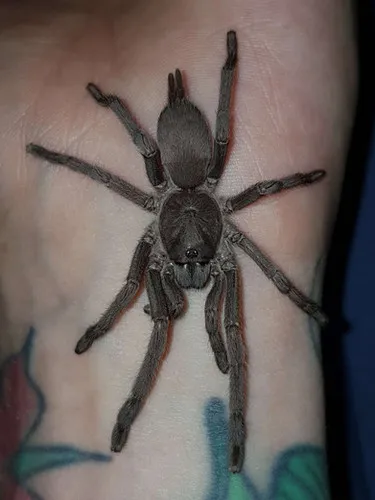
What are Tarantulas?
Tarantulas are large, hairy spiders belonging to the Theraphosidae family. They are found in various habitats around the world, from tropical rainforests to deserts. These arachnids are known for their impressive size, with some species having a leg span of over 10 inches. They are typically nocturnal hunters, feeding on insects, small vertebrates, and occasionally, other spiders. Despite their intimidating appearance, most tarantulas are relatively harmless to humans, although their bites can be painful and cause localized symptoms. Understanding the basic characteristics of tarantulas is crucial to understanding the potential risks associated with their bites and how to react in case of an incident. In the world of spiders, tarantulas stand out due to their size, unique behaviors, and fascinating biology.
Basic Description and Characteristics
Tarantulas are easily recognizable due to their large size and hairy bodies. They typically have eight eyes, although their eyesight is not their strongest sense. They use their hairs and sensory organs to detect vibrations and movement in their surroundings. Their fangs are relatively large, used to inject venom into their prey. Tarantulas undergo a process called molting, where they shed their exoskeleton to grow. This process leaves them vulnerable, so they often hide during molting. Their lifespan can vary significantly, with females living for up to 25 years in some species, while males tend to live much shorter lives. These characteristics are essential to understanding how tarantulas interact with their environment and how their bites affect humans.
Types of Tarantulas

There are over 900 species of tarantulas, each with unique characteristics. Some popular species include the Mexican Red Knee, known for its vibrant colors and docile temperament, and the Goliath Birdeater, one of the largest spiders in the world. Others like the Chilean Rose Hair are known for their relatively docile nature and are popular pets. Each type has its own habitat preferences, diet, and behavior. Understanding the different species helps in assessing the potential risk of a bite, as the venom composition can vary. Some species are more likely to exhibit defensive behaviors, potentially increasing the chance of a bite. Learning about the different types of tarantulas enhances our appreciation of their diversity and provides insights into their interactions with humans.
Top 5 Facts About Tarantula Bites
Fact 1 The Venom
Tarantula venom is primarily designed to immobilize prey. The venom is not usually lethal to humans, although it can cause discomfort. The venom contains a mixture of enzymes and toxins that affect the nervous system. The potency and composition of the venom vary across different species, with some being more potent than others. The amount of venom injected during a bite also varies depending on the size and species of the tarantula. While the venom is not typically life-threatening, it can cause pain, swelling, and other localized symptoms. Understanding the nature of tarantula venom is key to managing the effects of a bite and ensuring appropriate treatment.
Fact 2 The Bite

Tarantulas bite when they feel threatened or are provoked. This is usually a defensive action, not an aggressive one. Bites typically occur when handling tarantulas or when they feel cornered. The bite itself is delivered using the tarantula’s fangs, which penetrate the skin. The severity of the bite depends on factors like the size of the tarantula, the amount of venom injected, and the individual’s sensitivity. While some bites may result in mild symptoms, others can be more painful and cause significant swelling. Proper handling techniques and understanding tarantula behavior are essential to prevent bites. The physical act of the bite, including the fang penetration and venom injection, is crucial in understanding the resulting effects on the body.
Fact 3 The Symptoms
The symptoms of a tarantula bite can vary but typically include pain, redness, and swelling at the bite site. Other common symptoms are itching, muscle cramps, and a general feeling of unease. More severe reactions may include nausea, vomiting, and in rare cases, difficulty breathing. The duration of symptoms can range from a few hours to several days, depending on the severity of the bite and the individual’s reaction. It is important to monitor the symptoms and seek medical attention if they worsen or if systemic symptoms develop. Understanding the potential symptoms helps in early detection and prompt treatment, minimizing the impact of the bite. Recognizing the various signs allows for effective self-care and appropriate medical intervention when needed.
Fact 4 The Treatment
Treatment for a tarantula bite primarily focuses on managing symptoms. Cleaning the bite site with soap and water is the first step. Applying a cold compress can help reduce pain and swelling. Over-the-counter pain relievers, such as ibuprofen or acetaminophen, can help manage pain. In some cases, a doctor may prescribe antihistamines to reduce itching and swelling. If the symptoms are severe, medical attention is necessary. This may include intravenous fluids, pain medication, and possibly, hospitalization. The treatment aims to alleviate discomfort and prevent complications. Proper treatment ensures a faster recovery and minimizes the risk of secondary infections or adverse reactions to the venom. The focus is always on ensuring the well-being and safety of the bitten individual.
Fact 5 The Prevention

Preventing tarantula bites involves several precautions. Always handle tarantulas with care and avoid sudden movements. When handling, wear gloves to protect your skin. Educate yourself about tarantula behavior and avoid provoking them. Keep tarantulas in secure enclosures to prevent escapes. Supervise children when they are near tarantulas. Knowing how to react in the event of a bite is also crucial. These measures minimize the chance of being bitten. Regular inspections of enclosures, the use of appropriate handling techniques, and maintaining a respectful distance can help prevent bites. Prevention is far better than cure. The aim is to minimize any potential risks and ensure the safety of both humans and tarantulas.
Tarantula Bite Safety
First Aid for Tarantula Bites
If bitten by a tarantula, remain calm and seek help. Wash the bite area thoroughly with soap and water. Apply a cold compress to reduce pain and swelling. Elevate the affected limb to help minimize swelling. Monitor for any worsening symptoms, such as difficulty breathing or severe allergic reactions. Contact a medical professional, particularly if symptoms are severe or if you are unsure. First aid helps in mitigating the immediate effects of the bite. It can reduce pain, lessen the likelihood of complications, and assist in quick recovery. Following these steps can reduce the impact and provide a good foundation for further medical assessment. Seeking professional guidance ensures appropriate treatment and minimizes potential risks.
When to Seek Medical Attention

It is crucial to seek medical attention if you experience severe symptoms after a tarantula bite. Symptoms like difficulty breathing, severe swelling, or signs of an allergic reaction warrant immediate medical care. Any systemic symptoms, such as nausea, vomiting, or dizziness, should also be evaluated by a medical professional. If the pain is unbearable or does not subside with home treatment, seek medical advice. If in doubt, it’s always best to err on the side of caution and consult a doctor. Prompt medical attention can prevent complications and ensure that you receive the appropriate treatment. Early intervention is key to ensuring a safe and complete recovery, particularly in sensitive individuals or cases of more severe bites.
Debunking Myths About Tarantula Bites
Common Misconceptions
There are many myths surrounding tarantula bites. One common misconception is that their bite is always deadly. Another myth is that all tarantulas are highly aggressive and will attack humans. Many believe that the effects of a bite are always severe, leading to systemic complications. Most tarantulas are not inherently aggressive and prefer to avoid conflict. The effects of the bite are typically localized and rarely life-threatening. Separating fact from fiction is essential for proper understanding and safe interactions with tarantulas. Misconceptions can lead to unnecessary fear and can hinder appropriate treatment if a bite does occur. Debunking these myths will promote a realistic understanding of the risks and help prevent misinformed reactions.
The Reality

The reality is that tarantula bites are usually not life-threatening to humans. The venom’s effects are typically localized, and severe reactions are rare. Most bites result in pain, swelling, and localized discomfort that resolves on its own. The risk associated with a bite depends on the species, the amount of venom injected, and individual factors. Prevention through responsible handling and education is the best approach. People should prioritize education, responsible pet ownership, and informed interaction. The actual risk is much lower than often portrayed in popular culture. Educating yourself on the topic will allow you to avoid unfounded fears and promotes a balanced perspective on tarantula bites and responsible interactions with these fascinating creatures.
Conclusion
Tarantula bites, while often feared, are rarely dangerous to humans. Understanding the facts about tarantulas, their bites, and how to react is essential. By dispelling myths and promoting responsible handling, we can appreciate these amazing creatures without undue fear. If you own a tarantula, research its species. If you encounter one in the wild, admire it from a distance. Education and respect are key to safe interactions. By understanding the reality of tarantula bites, we can address the public’s perception of them and encourage a more balanced perspective.