What is a Tarantula?
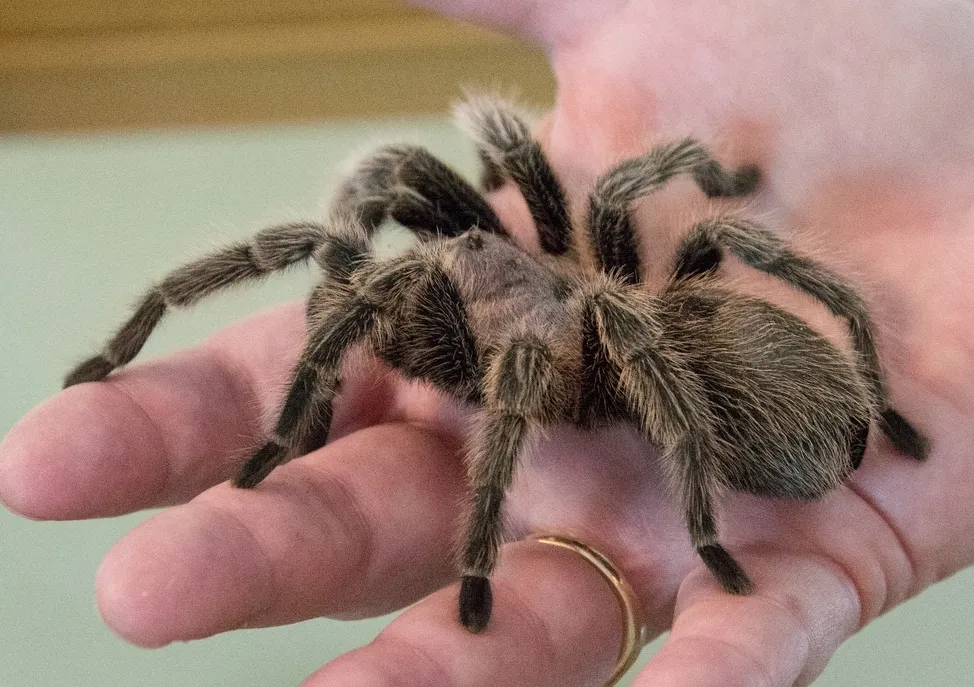
Tarantulas, belonging to the Theraphosidae family, are large, hairy spiders known for their impressive size and relatively docile nature, making them popular pets for beginners. Native to various regions worldwide, they come in a stunning array of colors and patterns, adding to their appeal. Their lifespans can range significantly, with females often living for several decades, while males typically have shorter lives. These arachnids are fascinating creatures that capture the interest of many. Their imposing size, intriguing behaviors, and diverse appearances make them a captivating subject of study and admiration, especially within the pet community. Understanding the basics of tarantulas, their origins, and their characteristics is the first step in providing the best possible care.
Types of Tarantulas Ideal for Beginners
When starting out with tarantulas, some species are better suited for beginners due to their calmer temperaments and lower maintenance needs. The Chilean Rose Hair Tarantula (Grammostola rosea) is a classic choice, known for its gentle nature and tolerance. The Mexican Red Knee Tarantula (Brachypelma hamorii), with its striking red and black markings, is also a popular option. These tarantulas are relatively slow-moving and less prone to defensive behaviors. The Pinktoe Tarantula (Avicularia avicularia) is a good choice for experienced handlers, because of their arboreal habits and need for higher humidity levels. It’s important to research any tarantula species before purchase to ensure it aligns with your experience level and care capabilities.
Choosing Your First Tarantula

Selecting the right tarantula involves considering several factors. Start by choosing a species known for its docile nature, such as the Chilean Rose Hair. Purchase from a reputable breeder or pet store that can provide information about the tarantula’s origin and health. Look for a tarantula that is alert and active, with a healthy body. Avoid those that appear lethargic, have missing limbs, or show signs of illness. Be sure to ask the breeder about its feeding habits and molting history. The more you know, the better prepared you’ll be. It’s also a good idea to have all the necessary equipment set up before bringing your new pet home, reducing stress on your pet.
Size and temperament
Consider the adult size of the tarantula when choosing a species. Larger tarantulas require larger enclosures. Temperament is equally important, with some species being more defensive or skittish. Research the species’ specific behavior and how it reacts to handling. A docile tarantula will be more manageable for a beginner. Observe the tarantula’s behavior at the store. A tarantula that remains calm and doesn’t appear overly defensive is more likely to be a good choice. Remember that all tarantulas have the potential to bite if they feel threatened, so handle with caution and respect their space.
Where to Buy a Tarantula
Purchasing a tarantula from a reputable source is crucial. Local pet stores that specialize in exotic pets often have knowledgeable staff who can provide valuable advice and support. Online breeders and reptile expos are also good options, offering a wide selection of species and often providing more detailed information about the tarantulas’ care. Avoid buying tarantulas from unverified sources or pet stores that don’t specialize in exotic animals, as the tarantulas may not be healthy or properly cared for. Before making a purchase, research the seller’s reputation, read reviews, and ask about their care practices to ensure the tarantulas are well-cared for.
Essential Tarantula Enclosure Setup

Setting up the right enclosure is essential for a healthy and happy tarantula. The size of the enclosure should correspond to the tarantula’s size, with juveniles needing smaller spaces than adults. A secure, well-ventilated enclosure, such as a glass terrarium or a plastic container, is ideal. The enclosure should be escape-proof, as tarantulas are skilled climbers and can squeeze through small openings. Place the enclosure in a quiet area away from direct sunlight and drafts, which can stress the tarantula. It’s important to regularly monitor the enclosure’s conditions. Make sure the temperature and humidity levels are correct to ensure your pet stays healthy.
Substrate and Decor
Choosing the right substrate and decor is crucial for a tarantula’s well-being. The substrate provides a comfortable environment and helps regulate humidity. Suitable substrate options include coconut fiber, peat moss, and a mix of soil and sand. Avoid substrates that can be harmful, such as cedar or pine shavings. Provide a layer of substrate deep enough for the tarantula to burrow, typically about 2-6 inches, depending on the species. Include decor such as cork bark, branches, and artificial plants to create hiding places and encourage natural behaviors. These items also help maintain humidity levels. The enclosure should also be easy to clean, as part of keeping your tarantula safe and healthy.
Temperature and Humidity Control
Maintaining the correct temperature and humidity levels is essential for a tarantula’s health and molting process. Use a thermometer to monitor the temperature inside the enclosure, which should typically range from 75-85°F (24-29°C). Heating pads placed on the side of the enclosure can provide gentle heat, but avoid placing them directly underneath the enclosure, as this can overheat the substrate. Humidity levels should be maintained between 60-80%, depending on the species. Regularly mist the enclosure with water or provide a water dish to achieve the necessary humidity levels. Use a hygrometer to track humidity. Adjusting the airflow will also help manage the environment.
Feeding Your Tarantula

Feeding your tarantula properly is essential for its health and growth. Tarantulas are carnivorous and primarily feed on insects. The size and type of prey should be appropriate for the tarantula’s size. Crickets, mealworms, and roaches are common choices, with appropriately sized crickets being ideal. Never feed your tarantula insects that have been exposed to pesticides. It’s also important to remove uneaten prey within 24 hours to prevent stress on the tarantula and keep the enclosure clean. Feeding frequency varies depending on the tarantula’s age and species, with juveniles needing more frequent meals than adults. Observe your tarantula’s behavior and adjust the feeding schedule as needed.
What do Tarantulas Eat?
Tarantulas have a simple diet, mainly consisting of insects. Crickets are the most common food source due to their availability and nutritional value. Mealworms and superworms can be used but should be offered in moderation due to their higher fat content. Dubia roaches and other roach species provide excellent nutrition and are easy to breed. The key is to offer a variety of insects to ensure a balanced diet. Supplementing with occasional treats, such as a small piece of cooked chicken or a pre-killed mouse for larger tarantulas, can provide enrichment. Ensure the food is freshly available and appropriately sized for your spider to avoid any potential problems. Be aware of the potential for pests if you are raising your own food.
Feeding Frequency and Portion Size
Feeding frequency depends on the tarantula’s age and species. Young, growing tarantulas typically need to be fed more often than adults. Juveniles should be fed every 2-3 days, while adults can be fed once or twice a week. Adjust the feeding schedule based on your tarantula’s body condition and appetite. The portion size should be proportionate to the tarantula’s size. Generally, offer insects that are no larger than the tarantula’s abdomen. Overfeeding can lead to obesity, while underfeeding can stunt growth. Monitor your tarantula for cues, such as a plump abdomen indicating it’s well-fed, and adjust accordingly. Always remove uneaten prey within 24 hours to prevent stress.
Water and Hydration

Providing fresh water is essential for tarantulas. Always have a shallow water dish available in the enclosure, especially for terrestrial species, which can be easily obtained with a water dish. Ensure the water dish is shallow enough to prevent the tarantula from drowning. Regularly refill the water dish and clean it to prevent bacteria growth. In addition to the water dish, misting the enclosure with water can help maintain humidity levels, particularly for arboreal species. Misting also provides a source of hydration. Ensure the water you use is free of chlorine and other chemicals, and use bottled or filtered water. Regularly check the enclosure for mold or pests as part of your cleaning routine.
Tarantula Health and Safety
Understanding potential health issues and practicing safe handling are crucial for responsible tarantula ownership. Regular observation of your tarantula’s behavior and appearance can help detect problems early. Common health issues include parasites, bacterial infections, and molting problems. Safe handling practices are essential to prevent bites and injuries to both the tarantula and the handler. A safe environment and appropriate handling techniques are essential for ensuring your pet’s well-being. If you notice anything unusual, consult with a veterinarian or experienced tarantula keeper to address any health issues.
Common Health Issues
Tarantulas can encounter various health problems, including parasites, fungal infections, and injuries. Parasites, like mites, can infest the tarantula and cause irritation. Fungal infections can occur if the enclosure is too humid or poorly ventilated. Injuries can occur during falls or handling. Observe your tarantula for any signs of illness, such as lethargy, loss of appetite, or unusual behaviors. Provide adequate care to minimize the risk of illness. Seek veterinary assistance if you suspect a serious health issue. Remember that the vast majority of tarantula health issues are preventable with proper care and hygiene.
Safe Handling Tips

Handling a tarantula should be done with caution and only when necessary. Many tarantulas are docile but can still bite if they feel threatened. Handle tarantulas close to the ground, in case they fall. Avoid handling them directly after a meal or during the molting process, as they are more vulnerable then. Use a soft brush to gently coax the tarantula onto your hand. Always be gentle and avoid sudden movements. Wash your hands before and after handling. If bitten, clean the area immediately and seek medical advice if necessary. Handling your tarantula should be kept to a minimum to reduce the risk of stress.
Molting Process
Molting is a natural process for tarantulas, where they shed their exoskeleton to grow. During molting, the tarantula will lie on its back, and its old exoskeleton will split open, allowing the new one to emerge. The process can take several hours, during which time the tarantula is vulnerable. Provide a humid and safe environment during molting, and avoid disturbing the tarantula. After molting, the tarantula will be soft and defenseless. Allow several days for its new exoskeleton to harden before handling. Dispose of the discarded exoskeleton and monitor your pet to make sure it’s thriving after the molting process. Learning to identify the signs of molting will improve your pet care.
Tarantula Growth and Development
Tarantulas grow by molting, shedding their exoskeleton to accommodate growth. The frequency of molting decreases as they mature. Juveniles molt more often than adults. The growth rate depends on factors such as species, feeding, and environmental conditions. Observe the tarantula’s size and appearance to monitor its growth. A healthy tarantula will grow steadily and molt regularly. Provide a consistent environment and a proper diet to support healthy growth. Understanding the life cycle and growth stages of your tarantula will help you provide the best care. Proper care during the molting process will greatly increase your tarantula’s chances of survival.
Grooming Your Tarantula
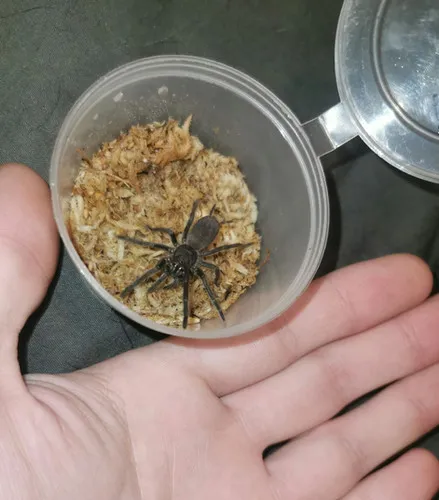
Tarantulas are relatively low-maintenance pets when it comes to grooming. They don’t require regular bathing or brushing. However, maintaining a clean enclosure is essential for their health. Regularly remove any uneaten food, shed exoskeletons, and waste. Spot clean the enclosure as needed. Providing the correct humidity levels helps with molting. Ensure the substrate is kept clean and the enclosure is well-ventilated to prevent mold growth. While tarantulas don’t need much grooming, a clean and healthy environment is essential for their well-being.
Caring for a tarantula can be a rewarding experience. By following these guidelines, you can provide a safe and enriching environment for your pet. Always remember to research the specific needs of your chosen species. With proper care, your tarantula can thrive for many years, providing a unique and fascinating pet experience.