Understanding Tarantulas
Considering a pet tarantula? It’s a fascinating journey! These eight-legged creatures, often misunderstood, can be rewarding pets for those prepared to meet their unique needs. This guide provides a comprehensive overview, covering everything from the basics of tarantula biology to the essential care required for their well-being. Understanding tarantulas is the first step in determining if this is the right pet for you. This guide covers the fundamental aspects of tarantulas, including their natural habitats, their diverse species, and their biological characteristics, to help you make an informed decision and prepare for responsible pet ownership.
What are Tarantulas
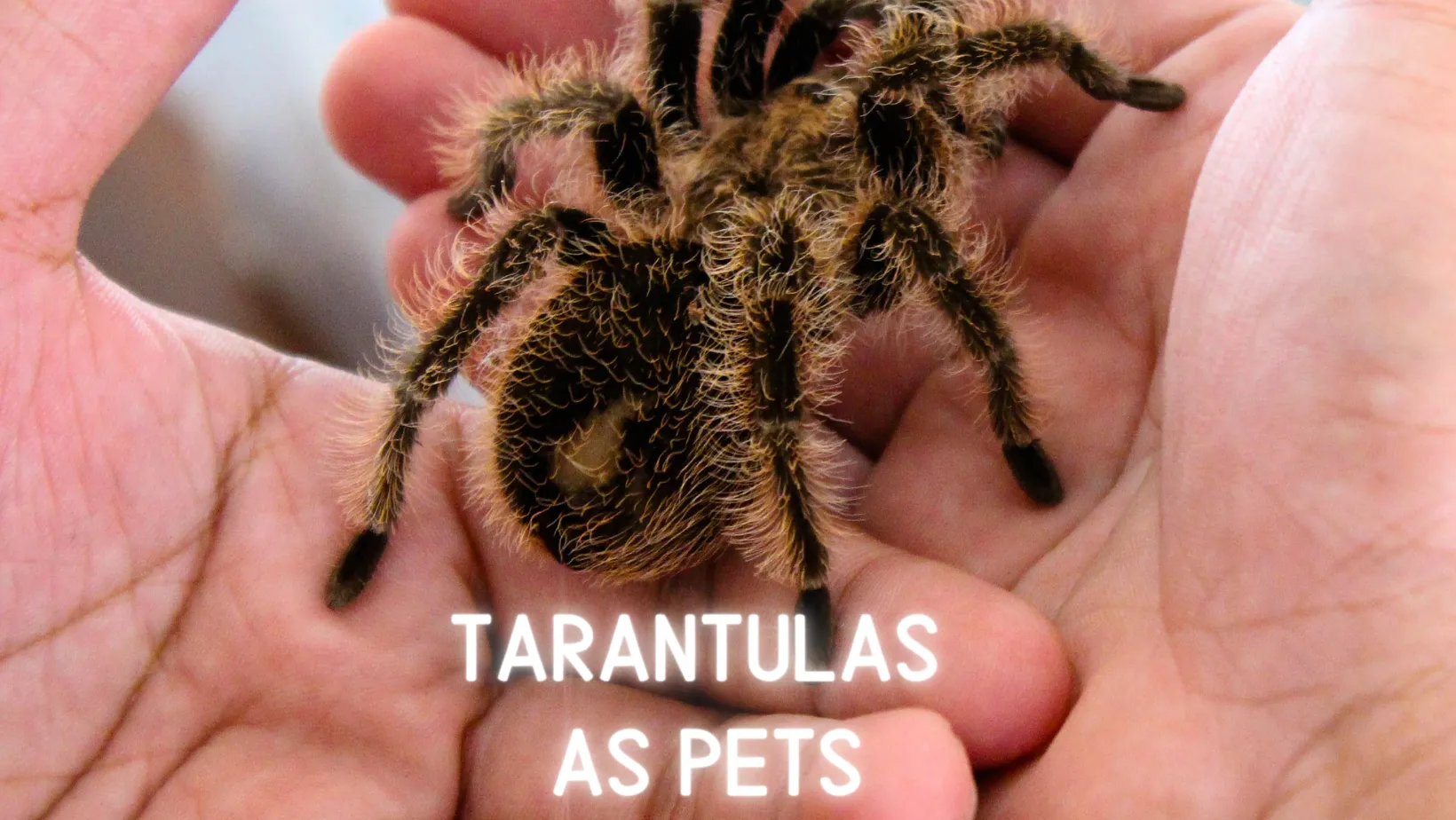
Tarantulas belong to the Theraphosidae family, characterized by their large size, hairy bodies, and impressive leg spans. They are arachnids, closely related to spiders but distinct in several ways. Tarantulas have two main body parts the cephalothorax (fused head and thorax) and the abdomen. They possess eight legs, two pedipalps (used for sensory and manipulating food), and chelicerae, which contain fangs. These fangs are used for injecting venom to immobilize prey. Tarantulas are primarily nocturnal hunters, and their diets consist of insects, and sometimes small vertebrates like mice or lizards, depending on the species and size.
Different Tarantula Species

The world of tarantulas is incredibly diverse, with over 900 recognized species, each with its unique characteristics and care requirements. Some popular choices for pet owners include the Chilean Rose Hair tarantula (Grammostola rosea), known for its docile temperament and ease of care, making it a great beginner tarantula. Other popular species include the Mexican Red Knee tarantula (Brachypelma hamorii), famous for its striking orange and black markings, and the Gooty Sapphire Ornamental tarantula (Poecilotheria metallica), which is more advanced due to their more potent venom and fast movements. Each species has different needs in terms of humidity, temperature, and enclosure size. Researching the specific requirements of any tarantula before bringing one home is very important.
Tarantula Habitats
Tarantula habitats vary greatly depending on their species. Some tarantulas are terrestrial, living on the ground, while others are arboreal, residing in trees. Most tarantulas are native to tropical and subtropical regions worldwide. Their natural environments can include deserts, rainforests, and grasslands. Terrestrial species often burrow or seek shelter under rocks or logs, creating underground dens. Arboreal species build webs or find refuge in tree crevices. Understanding these habitats helps determine the appropriate environment for a pet tarantula. Replicating the natural environment within the enclosure is crucial for their well-being, ensuring appropriate temperature, humidity, and substrate for burrowing or web-building, which will minimize their stress and keep them happy and healthy.
Is a Tarantula Right for You
Owning a tarantula is a significant commitment. Before bringing one home, it’s vital to consider both the pros and cons. Tarantulas can be fascinating and relatively low-maintenance pets, but they also require specific care and come with certain responsibilities. The decision should not be taken lightly. Consider your lifestyle, living situation, and comfort level with arachnids. Are you prepared to provide the proper enclosure, food, and environmental conditions? Do you have any allergies or phobias related to spiders? Carefully evaluating these factors helps determine whether a tarantula is the right pet for you.
Pros of Owning a Tarantula

One of the biggest pros of owning a tarantula is their relatively low maintenance. Compared to other pets like dogs or cats, tarantulas require less daily attention. They don’t need to be walked or played with, and their enclosures only need spot cleaning. Tarantulas are also relatively quiet pets. They don’t bark or meow. Their care is straightforward once you understand their needs, mainly consisting of feeding and providing fresh water. Owning a tarantula can be educational, offering a unique opportunity to learn about arachnid biology and behavior. For some, tarantulas are fascinating and beautiful creatures to observe, providing a sense of calm and wonder.
Cons of Owning a Tarantula
While tarantulas are low-maintenance, they still require specific care, and it’s not for everyone. One of the main cons is the initial setup cost, including the enclosure, substrate, and other necessary supplies. Tarantulas can live for many years, and some species can live for over 20 years, meaning you need to be prepared for a long-term commitment. Another potential downside is the risk of being bitten. While most tarantulas are not aggressive, they can bite if they feel threatened. Their bite, although not usually life-threatening, can be painful. The fear of spiders, or arachnophobia, is another significant factor. If you or someone in your household has a fear of spiders, owning a tarantula might not be the best idea.
Tarantula Safety Concerns
Safety is paramount when owning a tarantula. While tarantulas are not inherently aggressive, they can bite if they feel threatened or are mishandled. Understanding the risks and taking appropriate precautions is essential to ensure both the safety of the owner and the well-being of the tarantula. It’s essential to educate yourself about the specific tarantula species and its temperament. Proper handling techniques and creating a safe environment are crucial steps to minimize any risk. Researching their behaviors, such as defensive postures or warning signs, will help you to be aware of any potential dangers. It’s also important to be aware of any allergic reactions, as exposure to the tarantula or its enclosure could cause allergic reactions in sensitive individuals.
Tarantula Bites Risk

Tarantula bites, while not typically life-threatening to humans, can be painful. The severity of the bite varies depending on the species, the size of the tarantula, and the individual’s sensitivity. Some tarantula species are more likely to bite than others, and some have more potent venom. The bite itself feels like a bee sting, causing immediate pain, redness, and swelling. If bitten, it’s essential to remain calm and clean the bite area with soap and water. Applying a cold compress can help reduce pain and swelling. While antivenom is generally not required, it is important to monitor any symptoms and seek medical attention if severe reactions occur, such as difficulty breathing or extreme swelling. Most bites heal within a few days.
Tarantula Venom and Toxicity
Tarantula venom is primarily used to subdue prey, not to inflict harm on humans. The venom’s toxicity varies significantly among different species. Generally, tarantula venom is not highly toxic to humans. Most bites result in localized pain, swelling, and redness. However, people can experience allergic reactions or secondary infections from bites. The venom itself contains a mixture of toxins designed to paralyze or immobilize small insects and animals. While tarantulas have fangs to deliver venom, they typically only bite when threatened, such as when handled roughly or feel cornered. Understanding the venom and its effects helps to alleviate any unnecessary fear and promotes responsible tarantula ownership.
Tarantula Allergies
Allergies to tarantulas are possible, although less common than allergies to other pets like cats or dogs. Allergic reactions can be triggered by contact with the tarantula’s hairs (urticating hairs), shed skin, or waste products. Symptoms of a tarantula allergy can include skin rashes, itching, hives, and respiratory issues. People with existing allergies or asthma might be more susceptible to reactions. If you suspect you might be allergic, consult a doctor. If you are keeping a tarantula, keep the enclosure clean and avoid direct contact with the tarantula and its molted skin. Washing your hands after handling anything in the enclosure is very important.
Tarantula Care and Maintenance

Caring for a pet tarantula involves setting up the right habitat, providing proper nutrition, and handling them with care. This section provides a detailed guide on the essential aspects of tarantula care, ensuring your pet’s health and well-being. From choosing the right enclosure to providing a balanced diet, learn the steps you need to take to keep your tarantula happy and healthy. Regularly maintaining their environment and knowing how to interact with them safely helps to cultivate a thriving environment for both you and your eight-legged companion. Understanding the specific needs of the tarantula species you have is crucial.
Setting Up a Tarantula Enclosure
The enclosure is one of the most important aspects of tarantula care. The size and type of enclosure depend on the species and size of the tarantula. Generally, a secure glass or plastic terrarium is suitable. The enclosure must be escape-proof, with a secure lid. The substrate, or bedding, should be appropriate for the species. For terrestrial species, a mix of peat moss, coconut fiber, and vermiculite is ideal. Arboreal species often benefit from cork bark or branches for climbing. Proper ventilation is also essential, so be sure that there are ventilation holes in the enclosure. Provide a water dish with fresh water at all times. The enclosure should be kept clean by removing any uneaten food and waste. Maintaining the right temperature and humidity levels, based on the species’ needs, ensures your tarantula will thrive.
Feeding Your Tarantula
Feeding your tarantula is relatively straightforward. The diet primarily consists of live insects. Crickets, mealworms, and roaches are common choices. The size of the insects should be appropriate for the tarantula’s size, and it’s best to feed them insects no larger than the tarantula’s body. Feed juvenile tarantulas several times a week, and adults can be fed once or twice a week. Remove any uneaten insects within 24 hours. Always provide a shallow water dish with clean, fresh water. Avoid overfeeding, as this can stress the tarantula and lead to health issues. Make sure to vary the diet to give your tarantula the nutrients it needs to live a happy and healthy life.
Handling Your Tarantula

Handling a tarantula should be done with caution and only when necessary. Tarantulas are generally not aggressive and are better observed than handled. Handling can stress the tarantula, and there’s a risk of being bitten or the tarantula falling and injuring itself. If you choose to handle your tarantula, do so over a soft surface, such as a bed or the floor, to minimize the risk of injury if it falls. Avoid sudden movements and be gentle. Never force a tarantula to move. Observe the tarantula’s behavior and body language, and place it back in its enclosure if it shows any signs of stress or aggression. Thoroughly wash your hands before and after handling a tarantula, and never handle a tarantula if you are allergic or have a fear of spiders. Be patient and cautious when handling to keep your tarantula and yourself safe.
Health and Wellness for Tarantulas
Maintaining your tarantula’s health and wellness involves recognizing common diseases and taking preventative measures. By understanding the potential health issues and creating a suitable environment, you can help your tarantula live a long and healthy life. It’s essential to monitor your tarantula’s behavior, appetite, and physical condition. Regular observation can help you identify potential health problems early on. Proper care, including a balanced diet, appropriate humidity, and clean environment, is the best way to keep your tarantula healthy and happy. If you notice any signs of illness, such as loss of appetite, lethargy, or unusual behavior, consult a veterinarian experienced in exotic pets.
Common Tarantula Diseases
Tarantulas can be susceptible to several diseases, although they are relatively hardy pets. Some common issues include fungal infections, mites, and parasites. Fungal infections can result from high humidity and poor ventilation. Symptoms include discoloration or lesions on the tarantula’s body. Mites are tiny parasites that can infest the tarantula and enclosure. Look for small, moving specks on the tarantula or in the substrate. Parasites, such as nematodes, can also affect tarantulas, often transmitted through contaminated food or substrate. Recognizing these diseases early can help prevent them from becoming severe. If you suspect a disease, isolate the tarantula and consult a veterinarian experienced in exotic pets.
Preventing Tarantula Health Issues

Preventing health issues is crucial for tarantula care. Maintaining the appropriate environmental conditions, including temperature and humidity, helps prevent fungal infections and other problems. Ensuring good ventilation prevents the buildup of moisture, minimizing the risk of fungal growth. Always provide fresh, clean water and feed your tarantula a balanced diet. Quarantine new tarantulas to prevent the spread of potential diseases to your established collection. Inspect new food items to ensure they are not contaminated. Regularly clean the enclosure by removing uneaten food and waste. Proper substrate selection is also crucial to maintain humidity levels and prevent the buildup of harmful bacteria. Regularly cleaning and spot-checking the enclosure minimizes potential health hazards.
Conclusion
Owning a pet tarantula can be a rewarding experience, providing a unique opportunity to learn about and appreciate these fascinating creatures. By understanding their needs, taking necessary safety precautions, and providing proper care, you can create a thriving environment for your tarantula. From setting up the right enclosure to understanding their dietary needs and potential health issues, this guide has provided a comprehensive overview of tarantula care. Always prioritize the well-being of your pet tarantula and be prepared to commit the time and resources needed to ensure it lives a long, healthy, and fulfilling life. If you are prepared and responsible, a pet tarantula can bring both joy and a sense of wonder to your life.