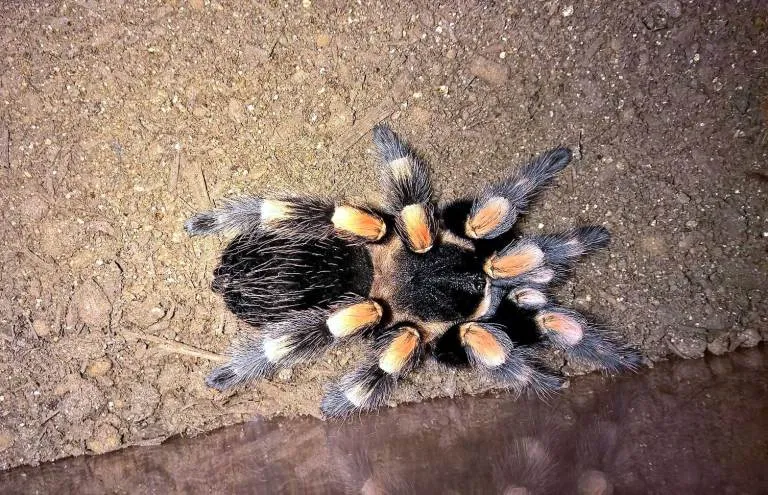
Choosing Your First Tarantula
Embarking on the journey of tarantula ownership can be an incredibly rewarding experience. These fascinating creatures offer a unique glimpse into the world of arachnids, providing a captivating pet that requires dedicated care and attention. For beginners, the initial step involves careful consideration and research. Selecting the right tarantula is crucial for a positive and fulfilling experience. It’s essential to understand that not all tarantulas are created equal when it comes to care requirements and temperament. Taking the time to educate yourself about these creatures will set you up for success from the beginning. Remember, responsible pet ownership always begins with understanding the needs of the animal.
Selecting the Right Tarantula Species
The diversity among tarantula species is remarkable, with each possessing unique characteristics. Some species are more docile and easier to care for, making them ideal for beginners, while others may be more challenging. Focusing your search on beginner-friendly species is the best way to start. These species typically possess milder temperaments and have more forgiving care requirements, allowing you to gain experience without the added stress of complex needs. Before making any decisions, extensive research into the species’ specific needs is the key to the best pet.
Consider Temperament

Temperament is a critical factor to consider. Some tarantula species are known for their docile nature, rarely displaying defensive behaviors such as biting or flicking urticating hairs, making them suitable for handling (with caution and experience). Others are more defensive and may be prone to biting if they feel threatened. Beginner species often have a higher tolerance for disturbance, a valuable characteristic for those new to tarantula care. Always respect the animal’s boundaries.
Researching Species-Specific Needs
Once you have a list of potential species, delve deeper into their specific requirements. Research their ideal temperature and humidity levels, preferred substrate, and feeding habits. Understanding the unique needs of each species is essential for providing optimal care and ensuring the tarantula’s well-being. Look for reputable sources of information, such as experienced keepers and scientific publications. This will give you the most reliable advice. The more you know, the better you can adapt to your pet’s needs.
Understanding Size and Growth
Tarantulas, like all arthropods, grow by molting their exoskeleton. As they mature, their size can vary dramatically between different species. Some tarantulas remain relatively small, while others can reach impressive sizes. Understanding the adult size of a particular species will help you select an appropriate enclosure and plan for its long-term care. Also, consider the growth rate of the species you choose. Fast-growing tarantulas will require more frequent enclosure upgrades than slower-growing ones. This information will aid in your budgeting and planning.
Setting Up a Suitable Tarantula Enclosure

Creating a suitable habitat for your tarantula is paramount to its health and happiness. The enclosure should mimic its natural environment, providing a safe and comfortable space. Many factors must be considered in order to provide the best possible home for your tarantula. Proper enclosure setup will help ensure that your tarantula thrives in captivity, and is an essential part of care. Avoid the common mistakes beginners often make when creating their enclosures.
Choosing the Right Enclosure Size
The size of the enclosure is one of the most crucial aspects of tarantula care. A properly sized enclosure allows the tarantula to move around and establish a comfortable territory. It also aids in temperature and humidity regulation. A general rule of thumb is to provide an enclosure that is at least twice the tarantula’s leg span in width. As the tarantula grows, you will need to upgrade the enclosure accordingly. Overly large enclosures can make it difficult for the tarantula to find food, and can also cause stress. Consider the adult size of the species when choosing the initial enclosure.
Substrate Selection
The substrate serves as the flooring of the enclosure. The best choice of substrate will depend on the species. The purpose of substrate is to absorb moisture, provide a place for the tarantula to burrow, and aid in humidity regulation. Common substrate choices for tarantulas include coconut fiber, peat moss, and a mix of both. The chosen substrate should be non-toxic and free of any chemicals or additives. Avoid using substrates that can mold or decompose quickly. Before adding the substrate, ensure it is clean and properly moistened to create the ideal environment.
Providing Hides and Decorations

Tarantulas are naturally reclusive creatures that enjoy having a safe place to retreat. Providing a hide is essential for reducing stress and allowing the tarantula to feel secure. Hides can come in many forms, such as cork bark, artificial caves, or even overturned plastic containers. In addition to hides, you can add other decorations to the enclosure to create a more stimulating environment. Live or artificial plants can enhance the enclosure, providing additional hiding places and adding to the aesthetic appeal. However, ensure that any decorations are non-toxic and safe for the tarantula. A well-decorated enclosure can make the tarantula’s habitat more engaging and enriching.
Maintaining Proper Humidity and Temperature
Temperature and humidity levels play a critical role in the health and well-being of your tarantula. Each species has specific requirements, so it’s essential to research these before setting up the enclosure. Use a reliable thermometer and hygrometer to monitor the conditions inside the enclosure. Maintaining the appropriate temperature range is crucial for the tarantula’s metabolism and overall health. Humidity levels are equally important, especially during molting. Providing adequate ventilation helps regulate humidity and prevent the build-up of mold or bacteria. Misting the enclosure with water can help maintain the necessary humidity levels, but avoid over-misting as it can lead to problems.
Feeding Your Tarantula
Feeding your tarantula is a key aspect of providing proper care. The frequency and type of food will impact their overall well-being. Tarantulas, being predators, have specific dietary needs. It is a vital part of the relationship between you and your pet. Providing proper nutrition will ensure your tarantula thrives.
Understanding Feeding Frequency

The frequency of feeding depends on the tarantula’s age, size, and metabolism. Younger tarantulas require more frequent meals, typically every few days, while adults can be fed less often, perhaps once or twice a week. Observe your tarantula’s feeding habits. If it consistently refuses food, it may be preparing to molt or may have other issues. Remove any uneaten food within 24 hours to prevent the growth of mold or bacteria. Always adjust the feeding schedule based on your tarantula’s specific needs. The most important thing is to be observant.
Choosing Appropriate Food
The primary food source for tarantulas consists of insects. Crickets, roaches, and mealworms are popular choices, and readily available at most pet stores. The size of the food should be appropriate for the tarantula’s size. Ideally, the prey should be no larger than the tarantula’s abdomen. It is also beneficial to offer a varied diet. This ensures that your tarantula receives a wide range of nutrients. Before feeding, consider gut-loading the insects by feeding them nutritious foods such as vegetables or commercial insect food. This will provide the tarantula with a more balanced diet.
Handling (or Not Handling) Your Tarantula
While tarantulas may seem like intriguing pets, handling them is not always recommended. Although many tarantula species are relatively docile, handling them comes with inherent risks. It is important to prioritize the safety of both yourself and your tarantula. In most cases, the best approach is to admire your tarantula from a distance, creating a stress-free environment.
The Risks of Handling

Tarantulas can bite if they feel threatened or startled. The bite itself may not be life-threatening, but can be quite painful. Some species have urticating hairs, which they can flick off their abdomen as a defense mechanism. These hairs can cause skin irritation, and respiratory issues if inhaled. Handling also increases the risk of dropping the tarantula, which can lead to serious injury or even death. For beginner tarantula owners, it’s generally best to avoid handling altogether.
Safe Observation Practices
You can still enjoy observing your tarantula without the risks associated with handling. Observe your tarantula in its enclosure. Provide an engaging environment by placing their enclosure in an area where it can be easily seen. Regular observation will allow you to monitor your tarantula’s behavior, feeding habits, and overall health. Creating a detailed record of your tarantula’s behavior will make it easier to identify changes. Respect your tarantula’s space and avoid unnecessary disturbances. This will reduce stress and allow your tarantula to thrive.
Recognizing Potential Health Issues
Like any pet, tarantulas can encounter health problems. Being able to identify potential issues is crucial for providing appropriate care. Knowledge of common ailments can help you identify potential health issues early on. Being proactive will help in the long run.
Identifying Common Problems

Some common health problems include dehydration, parasites, and injuries. Signs of dehydration can include a shriveled abdomen and lethargy. Parasites can sometimes be seen on the tarantula’s body. Injuries can result from falls, or during molting. Other warning signs include loss of appetite, unusual behavior, and difficulty molting. If you notice any of these signs, take action. It is important to act fast when it comes to any health issues. This will improve the animal’s quality of life.
Seeking Veterinary Assistance
If you suspect your tarantula is unwell, it’s best to seek professional veterinary assistance. Consult a veterinarian experienced in exotic pets, specifically arachnids. They can properly diagnose the problem and provide appropriate treatment. Although tarantula-specific vets can be difficult to find, do your best to locate one in your area. Early diagnosis and treatment can greatly improve the chances of a successful outcome. Do not hesitate to seek veterinary help. It is vital for the tarantula’s health.
Enjoying Your New Pet Tarantula
Owning a tarantula can be a rewarding and fascinating experience. By following these tips, you can provide the best care for your new pet and create a thriving environment. Take the time to research, prepare, and enjoy the unique experience of owning a tarantula. With the correct approach, tarantulas can be long-lived and very interesting pets. Remember that the most important aspect of tarantula care is responsible pet ownership and a commitment to the well-being of your animal. Enjoy the unique and fascinating world of tarantulas!