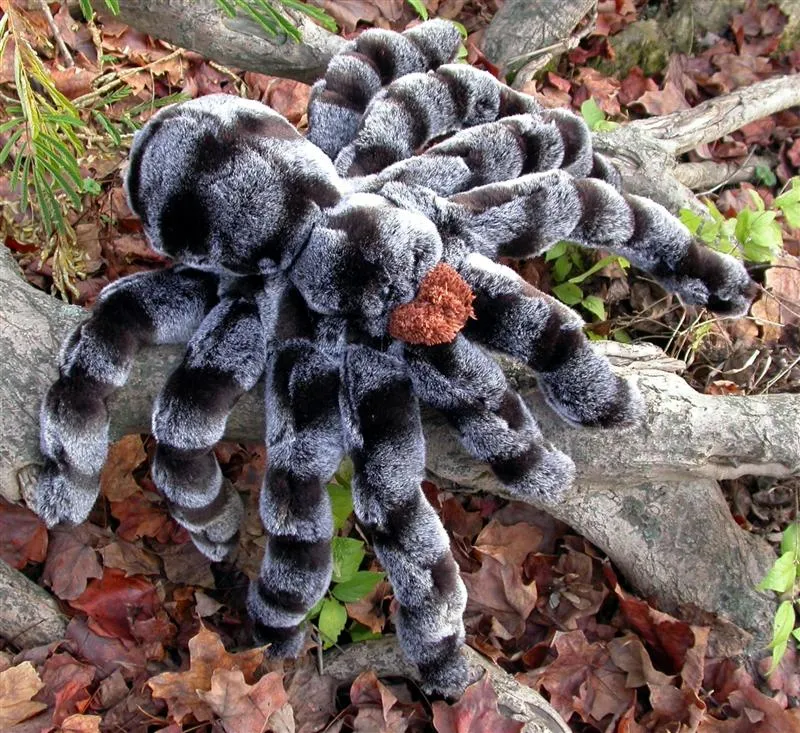
Top 5 Tarantula Care Tips for Beginners
Embarking on the journey of tarantula ownership can be an incredibly rewarding experience. These fascinating creatures, with their intricate behaviors and unique needs, offer a captivating glimpse into the arachnid world. However, successful tarantula care requires a foundational understanding of their specific requirements. This guide distills essential information into five key tips, designed to equip beginners with the knowledge they need to provide a thriving and enriching environment for their new pet. From selecting the right species to understanding their feeding habits and recognizing potential health issues, this article will prepare you to become a responsible and knowledgeable tarantula keeper. Let’s delve into the secrets of successful tarantula care, ensuring a fulfilling experience for both you and your eight-legged companion.
Choosing the Right Tarantula
The first and arguably most crucial step in tarantula care is selecting the right species for your experience level and lifestyle. Not all tarantulas are created equal; some are more docile and easier to handle, while others possess potent venom or a tendency towards defensive behavior. Researching the different species is vital to ensure a good match. Consider factors such as their size, lifespan, temperament, and specific environmental requirements. Certain species, like the Chilean Rose Hair tarantula, are known for their gentle disposition and are often recommended for beginners. Conversely, species like the Greenbottle Blue tarantula may be visually stunning but are known to be fast and defensive, making them less suitable for novice keepers. Careful consideration at this stage sets the stage for a positive experience.
Researching Different Tarantula Species

Comprehensive research is the cornerstone of responsible tarantula ownership. Dive deep into the specifics of each species you are considering. Explore online resources, books, and forums dedicated to tarantula care. Pay close attention to the species’ natural habitat, dietary needs, and potential health problems. Understanding their native environment provides crucial insights into replicating optimal conditions in captivity. Learn about their typical behaviors, including their propensity for defensiveness or willingness to be handled. Also, familiarize yourself with the legal aspects of owning the species in your region, as certain tarantulas may be restricted or require specific permits. This diligent research phase is an investment that will pay dividends in the long run, safeguarding the well-being of your pet and ensuring a fulfilling ownership experience. Images like tarantula-species.webp help with the research.
Considering Your Lifestyle and Experience
Before bringing a tarantula home, assess your lifestyle and experience level honestly. Tarantulas have specific care needs, including regular feeding, enclosure maintenance, and humidity control. If you travel frequently or have limited time for pet care, a tarantula might not be the best fit. Consider your previous experience with exotic pets; prior experience with reptiles or other invertebrates can be beneficial, but it’s not a prerequisite. Evaluate your tolerance for handling live insects, as tarantulas primarily consume them. Furthermore, recognize the long-term commitment involved; some tarantulas can live for over 20 years. Make sure you have a stable and secure environment, free from extreme temperatures or potential hazards. Your ability to consistently meet their needs is paramount to their health and longevity.
Setting Up the Perfect Enclosure
Creating the right enclosure is key to your tarantula’s health and happiness. It’s more than just a container; it’s a habitat that replicates their natural environment. The enclosure should be properly sized, secure, and offer the necessary environmental conditions. The size and type of enclosure will depend on the species and size of your tarantula. Avoid using aquariums with screen lids because they can retain less humidity. Instead, opt for enclosures specifically designed for arachnids, or modify a suitable container with proper ventilation. The enclosure should also be escape-proof, as tarantulas are skilled climbers and can squeeze through surprisingly small openings. A well-designed enclosure is a foundation of successful tarantula care, providing the comfort and security your pet needs to thrive.
Choosing the Right Enclosure Size

The appropriate enclosure size ensures your tarantula has enough space to move, explore, and exhibit its natural behaviors. Overly large enclosures can make it difficult for the tarantula to find food, while enclosures that are too small restrict movement and potentially stress the animal. As a general rule, the enclosure should be at least twice as wide as the tarantula’s leg span, and the height should be sufficient for burrowing species to create a safe habitat. For arboreal (tree-dwelling) species, height is more important, allowing them to climb and establish a suitable retreat. Consider the adult size of the tarantula when selecting the enclosure size initially; it’s often more economical to provide a larger enclosure from the start than to have to upgrade later. An image, like tarantula-enclosure.webp, will showcase a great example of enclosure.
Substrate Selection for Your Tarantula
The substrate, or bedding, in your tarantula’s enclosure plays a vital role in maintaining humidity, providing a place to burrow (for terrestrial species), and offering a naturalistic environment. The substrate should be chosen based on the tarantula’s species and its environmental needs. A popular choice is a mix of coconut fiber and peat moss, which effectively retains moisture and allows for burrowing. For arid species, a substrate like a mix of sand and soil may be more appropriate. Avoid substrates that are toxic or contain chemicals. Provide a substrate layer deep enough for the tarantula to burrow or create a secure retreat. Regularly monitor the substrate for cleanliness and replace it as needed to maintain a healthy environment. An image, like tarantula-substrate.webp, helps showcase some recommended options for substrate.
Maintaining Proper Humidity and Temperature
Maintaining optimal humidity and temperature levels is critical for your tarantula’s health, especially during molting. Use a hygrometer to monitor humidity levels. The required humidity range varies depending on the species, but generally, a humidity level of 60-80% is suitable for many tropical species. Achieve humidity by misting the enclosure with dechlorinated water, but avoid saturating the substrate. Ventilation is equally important to prevent mold growth; ensure adequate airflow. Also, use a thermometer to monitor the enclosure’s temperature. Most tarantulas thrive in temperatures between 75-85°F (24-29°C). Avoid placing the enclosure in direct sunlight or near heat sources. Consistent monitoring and adjustments are essential for a thriving environment, and an image, like tarantula-humidity.webp, may help with this.
Feeding Your Tarantula

Feeding your tarantula is a fundamental part of its care, directly impacting its health and longevity. Understanding their dietary needs, feeding frequency, and the appropriate types of food are key to providing proper nutrition. Overfeeding can lead to health issues, while underfeeding can result in slow growth and potential health problems. Providing a balanced diet and establishing a consistent feeding schedule will support the tarantula’s overall well-being and allow you to enjoy observing its natural feeding behaviors.
Understanding Tarantula Dietary Needs
Tarantulas are carnivores, primarily consuming live insects in their natural habitat. In captivity, their diet should consist primarily of insects like crickets, mealworms, roaches, and other feeder insects readily available at pet stores. The size of the prey should be appropriate for the tarantula’s size. As a general rule, the prey should be no larger than the tarantula’s body. It’s crucial to “gut load” the insects before feeding them to your tarantula, which means feeding the insects nutritious food for 24-48 hours to enrich their nutritional value. Gut loading ensures that your tarantula receives the essential vitamins and minerals it needs. Vary the types of insects offered to provide a balanced diet. Consider calcium supplements for your insects to support your tarantula’s exoskeleton. An image, like tarantula-feeding.webp, might come in handy to help with the visualization.
Feeding Frequency and Food Types
The feeding frequency for your tarantula will depend on its age, species, and growth rate. Young tarantulas (spiderlings) typically need to be fed more frequently, sometimes every other day, while adult tarantulas can be fed once or twice a week. Observe your tarantula’s behavior and body condition to determine its feeding needs. If it readily eats and appears healthy, the feeding schedule is likely appropriate. Remove any uneaten insects within 24 hours, as they can stress the tarantula and potentially harm it. Avoid feeding your tarantula immediately before or after molting, as they are vulnerable during these times. Also, offer fresh, clean water in a shallow dish at all times. Providing a balanced diet and following a consistent feeding schedule will help your tarantula thrive. Remember that the type of food and the amount vary based on the species of the tarantula.
Handling Your Tarantula Safely

Handling a tarantula should be approached with caution and respect. While many tarantulas are docile, they are still wild animals and can react defensively if they feel threatened. Handling is generally unnecessary and can potentially stress the tarantula. If you choose to handle your tarantula, do so only when necessary and with careful consideration of its temperament. Always handle the tarantula in a secure environment, close to the ground, to minimize the risk of injury if it falls. Prioritize the tarantula’s safety and well-being above all else.
Preparing for a Handling Session
Before attempting to handle your tarantula, make sure it is calm and receptive. Observe its behavior; if it is defensive, agitated, or showing signs of stress (such as rearing up or flicking hairs), it’s best not to handle it. Conduct the handling session in a secure area, such as a closed room or low to the ground. Clear the area of potential hazards, such as sharp objects or open flames. Wash your hands thoroughly to remove any lingering scents that could disturb the tarantula. Never handle the tarantula when you are under the influence of alcohol or drugs. Always approach the situation with patience, respect, and a calm demeanor.
Proper Handling Techniques
When handling, gently coax the tarantula onto your hand or a soft surface, such as a paintbrush. Avoid grabbing or forcing the tarantula, as this can lead to defensive behavior. Support the tarantula’s body and avoid restricting its movement. Keep the tarantula close to the ground to minimize the risk of injury if it falls. Be mindful of the tarantula’s body language; if it begins to show signs of stress or defensiveness, gently place it back in its enclosure. After handling, wash your hands thoroughly. It’s important to realize that each tarantula has its unique personality and tolerance for handling; Some tarantulas may be more amenable to handling than others. An image, like tarantula-handling.webp, can showcase some of the techniques.
Recognizing and Addressing Potential Health Issues

Tarantulas, like all living creatures, can be susceptible to health issues. Recognizing the signs of illness or injury is crucial for providing timely care. Familiarize yourself with common tarantula health problems and how to address them. Early detection and intervention can often make a significant difference in the prognosis. Regular observation of your tarantula and its enclosure is an essential part of responsible ownership. If you notice any unusual behavior, physical changes, or environmental issues, it’s essential to take appropriate action to ensure your pet’s well-being.
Common Health Problems
Several health issues can affect tarantulas. Parasites, such as mites, can infest the tarantula and cause irritation. Respiratory infections can occur if humidity is too high or ventilation is poor. Injury can also result from falls or handling. Other common problems include fungal infections and dehydration. Learn to identify the symptoms of these health issues. Watch for lethargy, loss of appetite, unusual behavior, or physical changes. If you observe anything out of the ordinary, consult a veterinarian with experience in exotic animals. Keeping a close watch on the tarantula and its environment will help to ensure its well-being, and using an image, like tarantula-health.webp, can help identify health problems.
When to Seek Veterinary Assistance
If you suspect your tarantula is ill or injured, seeking veterinary assistance from a veterinarian experienced in exotic animals is essential. Do not attempt to self-treat your tarantula, as improper treatment can worsen the condition. Contact a veterinarian immediately if you notice any serious health concerns, such as difficulty molting, signs of paralysis, or significant behavioral changes. Be prepared to provide the veterinarian with information about your tarantula’s species, enclosure setup, and any symptoms you have observed. Prompt veterinary care can significantly increase the chances of recovery. Always prioritize your tarantula’s health and seek professional medical advice when necessary.
Caring for a tarantula is a rewarding experience that requires dedication and knowledge. By following these top 5 tips, you can provide your tarantula with the environment and care it needs to thrive. From choosing the right species and setting up the perfect enclosure to understanding their feeding habits and recognizing potential health issues, this guide serves as a starting point for a fulfilling journey into the world of tarantula ownership. Remember that research, patience, and a commitment to your pet’s well-being are key ingredients for success. Enjoy the fascinating world of tarantulas, and provide them with a safe, enriching environment in which to thrive!