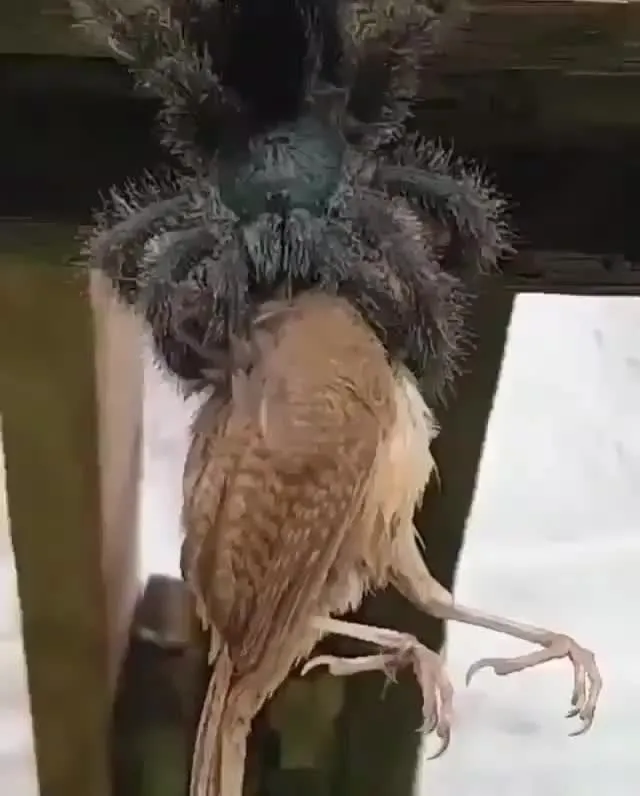
Tarantula Eats Spider Why Does It Happen?
The fascinating world of tarantulas often involves the intriguing scenario of a tarantula eating a spider. This behavior, while perhaps unsettling to some, is a fundamental part of the tarantula’s life cycle and natural diet. Understanding why a tarantula eats a spider provides valuable insights into the predatory instincts, dietary needs, and survival strategies of these large, hairy arachnids. Tarantulas, as opportunistic predators, have evolved to consume various insects and other small creatures, with spiders often falling within their menu. The interaction between tarantulas and spiders highlights the complex dynamics of the ecosystem, where survival depends on the ability to hunt, capture, and consume prey.
The Tarantula’s Natural Diet
A tarantula’s natural diet primarily consists of insects, which they actively hunt and capture. However, their diet is not limited to insects alone. Depending on the species and the environment, tarantulas may also consume other small animals that they can overpower. Spiders frequently become part of this diet, making them a natural food source for tarantulas. The specific composition of a tarantula’s diet can vary based on factors like habitat, prey availability, and the size of the tarantula itself. In captivity, tarantulas are often fed a controlled diet that mimics their natural food sources, ensuring they receive the necessary nutrients for growth and health.
Understanding Tarantula’s Predatory Behavior

Tarantulas are well-equipped predators with unique hunting techniques. They possess sharp fangs used to inject venom into their prey, immobilizing it before consumption. Their hunting style is primarily ambush-based, meaning they often wait patiently for prey to come within striking distance. When a suitable target, such as a spider, ventures close enough, the tarantula will launch a swift attack. The tarantula’s predatory behavior is driven by instinct, a deeply ingrained aspect of their survival. The entire process, from the initial strike to the eventual consumption of the prey, demonstrates the efficiency of a tarantula as a predator in its ecosystem.
Are Spiders a Regular Meal for Tarantulas?
Whether spiders constitute a regular meal for tarantulas depends on several factors, including the specific species of both the tarantula and the potential spider prey, as well as environmental conditions. In some habitats, spiders may be a frequent and readily available food source, making them a common part of the tarantula’s diet. In other situations, where insects are more abundant or spiders are less accessible, the tarantula may rely more on alternative prey. The opportunistic nature of tarantulas means they will take advantage of whatever food sources are available, making the frequency of spider consumption variable across different environments. The presence of spiders in the tarantula’s diet underscores their adaptability as predators.
Nutritional Benefits of Spiders for Tarantulas
Spiders, like other insects, provide essential nutrients that contribute to the overall health and well-being of tarantulas. These arachnids are a source of protein, fats, and various micronutrients, all of which are necessary for growth, molting, and overall vitality. The nutritional composition of spiders can vary slightly depending on the species. However, as a general rule, spiders provide a balanced diet that supports the tarantula’s physiological needs. The consumption of spiders is thus a valuable part of maintaining a healthy tarantula, whether in the wild or in captivity. By ensuring a diverse diet, the tarantula can thrive and maintain its optimal health.
Different Types of Spiders Tarantulas Eat

Tarantulas are not particularly selective eaters when it comes to spiders, as their predatory instincts drive them to consume any suitable prey. The specific types of spiders they consume vary depending on the habitat and the availability of each species. Common spider varieties that may fall prey to tarantulas include smaller spiders that share the same environment, such as wolf spiders, orb-weavers, and even other tarantulas if the opportunity arises. The size of the tarantula and the spider is also important. A larger tarantula will be more likely to attack and consume larger spider species, while smaller tarantulas will target more manageable prey.
Common Spider Species Eaten by Tarantulas
Several species of spiders are frequently found in the diet of tarantulas. Wolf spiders, known for their active hunting style and terrestrial habits, are often encountered by tarantulas. Orb-weaver spiders, which construct intricate webs, can also become prey. The specific species consumed depend on local availability. The commonality of these spiders in a tarantula’s diet highlights the predator-prey relationships that exist within ecosystems. These spider species are often readily available in the same habitats, making them a convenient food source for tarantulas seeking a meal. Observing these interactions provides a valuable glimpse into the ecological dynamics of an environment.
How Tarantulas Hunt and Capture Spiders
Tarantulas employ a combination of strategies to hunt and capture spiders. Their primary tactic is ambush, where they remain motionless, often concealed within their burrows or under cover, waiting for prey to come within range. They have a keen sense of vibrations, allowing them to detect the movement of nearby spiders. Once a spider is close enough, the tarantula will rapidly strike, using its fangs to inject venom. The venom swiftly paralyzes the spider, allowing the tarantula to safely subdue and consume its prey. This efficient hunting style highlights the tarantula’s prowess as a predator, adapted to survive in its specific environment. Their ability to successfully hunt spiders is a testament to their evolutionary adaptations.
The Tarantula’s Hunting Techniques

Tarantulas possess a suite of hunting techniques that make them successful predators. The primary method is the ambush strategy, as mentioned earlier. They also have sensory adaptations, such as the ability to detect vibrations and air movements. This helps them locate potential prey like spiders. Once the tarantula has located its target, it can quickly launch an attack, injecting venom to incapacitate the spider. After the spider is subdued, the tarantula will use its chelicerae to grind up the prey before consuming it. These techniques highlight the tarantula’s evolutionary adaptations that make it a skilled predator.
Factors Influencing a Tarantula’s Diet
Several factors influence a tarantula’s diet, including the size of the tarantula, its age, the availability of prey in its habitat, and the environmental conditions. Larger tarantulas require more food and will thus consume larger prey, including bigger spiders. The seasons play a role too. The number of spiders might vary throughout the year, so the diet can change accordingly. The tarantula’s individual preferences and hunting skills also influence its diet. These factors work together to shape the tarantula’s dietary habits and ensure that it obtains the necessary nutrients for survival.
Size of the Tarantula and Spider
The size of both the tarantula and the potential spider prey plays a crucial role in determining whether a spider becomes a meal. Larger tarantulas have a greater capacity to take down larger spiders, while smaller tarantulas will generally target smaller spider species. The size relationship also influences the hunting strategy. For instance, a larger tarantula might directly confront a larger spider. The relative sizes of the predator and prey are therefore significant determinants of the interactions in their ecosystem. The size dynamic showcases the balance of nature, with tarantulas adjusting their behavior based on their physical capabilities and the resources available to them.
Availability of Spiders in the Habitat

The availability of spiders in a tarantula’s habitat significantly impacts whether spiders are a regular part of the diet. In environments where spider populations are abundant, tarantulas are more likely to include them as a common food source. If spiders are scarce, tarantulas will adapt by consuming alternative prey. The availability of prey is affected by the local climate, vegetation, and the presence of other predators. The tarantula’s ability to adapt to fluctuating prey populations underscores its resilience in different environments. This makes spiders a key component of the tarantula’s diet, especially when the spiders are plentiful.
How to Feed Your Tarantula Spiders
Feeding spiders to a tarantula in captivity requires careful consideration and preparation. First, it’s essential to make sure that the spiders are safe to feed your tarantula. Avoid spiders from areas treated with pesticides or herbicides, which could be harmful. Choose healthy spiders from a reliable source, or catch them yourself, ensuring they are free from parasites or diseases. Always supervise the feeding process and remove any uneaten spiders promptly to prevent injury to the tarantula. Feeding spiders offers a natural food source that mimics the tarantula’s natural diet, enhancing its well-being and promoting natural behaviors. By carefully preparing the spider prey, pet owners can contribute to the health of their tarantula.
Creating a Safe Feeding Environment
Creating a safe feeding environment is crucial for the health and safety of both the tarantula and the keeper. The enclosure should be clean and appropriately sized to accommodate the tarantula. It should also have adequate ventilation to prevent the buildup of harmful gases or humidity. When feeding spiders, make sure that the prey is introduced carefully and that the tarantula has enough space to maneuver. Avoid overcrowding the enclosure or introducing too many spiders at once. By following safety measures, you can provide a secure environment that supports the tarantula’s natural behaviors and also ensures its longevity.
Spider Prey Selection and Preparation

Proper prey selection and preparation is essential for the health of your tarantula. When selecting spiders as food, it’s critical to choose species that are not only appropriate in size but also free from disease or parasites. Avoid spiders that are from areas exposed to pesticides. If you are catching spiders from the outdoors, be sure to quarantine them for a period to observe their health. Always inspect spiders for any signs of illness before offering them to your tarantula. By taking these precautions, pet owners can ensure that the spiders are a safe and healthy food source for their tarantulas. This also helps avoid the potential introduction of parasites or diseases into the tarantula’s enclosure.
Potential Risks of Feeding Spiders
While feeding spiders to your tarantula can be a natural and engaging activity, there are potential risks to consider. Some spiders may carry parasites or diseases that could affect the tarantula’s health. In addition, spiders may have venom that could be dangerous if the tarantula gets bitten during the hunting process. Spider bites are very rare, but still should be taken into account. Always supervise feeding sessions and take care to ensure that the spiders are suitable for your tarantula. The risks associated with feeding spiders must be balanced against the benefits of providing a varied and natural diet for your tarantula.
Parasites and Diseases
Both spiders and tarantulas are susceptible to parasites and diseases. Feeding spiders from unknown sources increases the risk of introducing harmful organisms to the tarantula’s environment. Parasites such as mites or nematodes can infect tarantulas, leading to health problems. In turn, diseases from the spider can transfer to the tarantula. Careful selection of spider prey and quarantine procedures are therefore important to help prevent these kinds of issues. Routine inspection of the tarantula and the enclosure can help detect any signs of illness. Being aware of the potential for parasites and diseases allows pet owners to take steps to safeguard the health of their tarantulas.
Alternatives to Feeding Spiders

While spiders can make an excellent food source, there are alternative options that can also be used. These provide a balanced diet and a way to vary the tarantula’s food intake. Crickets, mealworms, and roaches are common, readily available choices that provide the essential nutrients. These are easy to obtain, and can be purchased from pet stores or online vendors. Another alternative option is pre-killed prey. This eliminates the risk of injury to the tarantula. Always ensure a varied diet to promote optimal health and well-being for your tarantula. Offering alternative food options gives pet owners more ways to meet their pet’s nutritional needs.
Other Food Options for Tarantulas
In addition to spiders and commonly used insects, several other food options can be considered for a balanced tarantula diet. Small vertebrates such as pinky mice can sometimes be given to larger tarantula species as a supplementary source of nutrition. However, it’s important to note that this should be an occasional treat rather than a regular part of the diet. Furthermore, tarantulas can consume fruits and vegetables, such as bananas and carrots, as a supplementary part of their diet. By providing a range of food items, tarantula owners can make sure their pets have the nutrients they need to thrive. Always research the needs of a particular species and take advice from a vet when creating a dietary plan.
Conclusion on Tarantula Eating Spiders
The interaction between tarantulas and spiders is a natural process that highlights the predator-prey dynamic within ecosystems. The reason tarantulas eat spiders is rooted in their predatory instincts and need for nourishment. Spiders, as a food source, offer essential nutrients that support the tarantula’s growth and overall health. When feeding spiders to a tarantula in captivity, it is important to consider the associated risks and to choose the proper prey. Alternatives such as insects, as well as the use of pre-killed prey, are recommended. Careful management of the tarantula’s diet ensures that the animal is receiving all the nutrients it needs to thrive. The tarantula eating spider interaction shows how ecosystems function and the relationships that exist within the natural world.