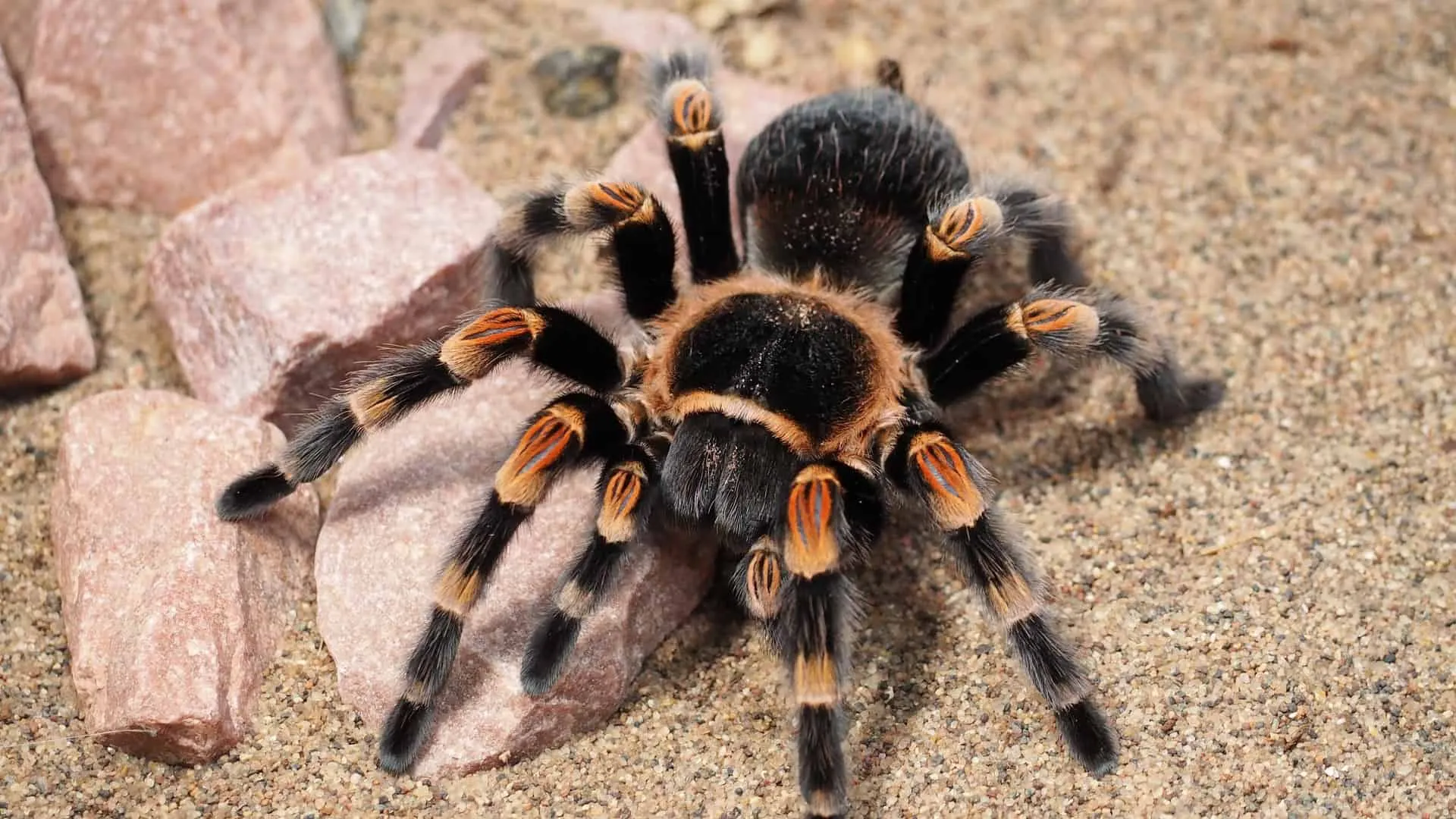
What is a Tarantula Ecosystem?
A tarantula ecosystem encompasses all the living organisms and their physical environment that interact within a specific area, where tarantulas reside. This includes the tarantulas themselves, the plants, animals, and microorganisms they interact with, and the non-living components like soil, water, and climate. Understanding the tarantula ecosystem is crucial for appreciating the delicate balance of nature and the role these fascinating creatures play. It involves a complex web of interactions, where each element influences the survival and well-being of the others. The study of a tarantula ecosystem provides insights into biodiversity, ecological processes, and the impact of environmental changes, helping to inform conservation efforts and promote sustainable practices.
Habitat and Geographic Distribution
Tarantulas, belonging to the Theraphosidae family, exhibit a wide geographic distribution, inhabiting various regions across the globe. Their habitats vary significantly depending on the species, but they generally prefer warm climates. These spiders are commonly found in the Americas, Africa, Asia, and Australia. Within these continents, they occupy diverse environments ranging from tropical rainforests to arid deserts and grasslands. The specific habitat preferences of tarantulas are influenced by factors such as temperature, humidity, and the availability of prey. The distribution of tarantula species provides valuable insights into biogeographical patterns and ecological adaptations, contributing to a deeper understanding of biodiversity and evolutionary processes. Understanding their habitat is key to tarantula ecosystem.
Types of Tarantula Habitats

Tropical Rainforests
Tropical rainforests provide a rich environment for many tarantula species. The warm and humid conditions, coupled with abundant vegetation, create ideal conditions for tarantulas to thrive. These spiders often dwell in the leaf litter on the forest floor, in burrows within the soil, or under the bark of trees. The dense vegetation offers both shelter and ample opportunities for hunting, as a variety of insects and other small animals serve as prey. The high humidity levels are also beneficial, as they help prevent the tarantulas from drying out. Many species in rainforest ecosystems have adapted to arboreal lifestyles, climbing trees to hunt and seek refuge. The complex structure of the rainforest and the availability of diverse resources support a high level of biodiversity, making these environments crucial for the survival of many tarantula species.
Deserts and Arid Regions
Despite the harsh conditions, some tarantula species have successfully adapted to life in deserts and arid regions. These spiders have developed unique strategies to survive in these environments, such as burrowing deep underground to escape extreme temperatures and conserving water. Their coloration often blends with the sandy or rocky terrain, providing camouflage from both predators and prey. The nocturnal habits of many desert tarantulas help them avoid the intense heat of the day. They typically emerge from their burrows at night to hunt insects and other invertebrates that are active during cooler hours. The ability to withstand long periods without water and to tolerate significant temperature fluctuations are key adaptations to desert life. The scarcity of resources in these regions also influences the size and behavior of the tarantulas, with some species being smaller and more agile than their rainforest counterparts.
Grasslands and Savannas

Grasslands and savannas offer another habitat type for tarantulas, characterized by open landscapes and varying degrees of vegetation cover. The conditions in these areas can range from relatively humid to quite dry, which influences the species that can thrive there. Tarantulas in grasslands often construct burrows in the ground or take shelter under rocks and in crevices. The open nature of grasslands provides tarantulas with opportunities to ambush prey, while the presence of various grasses and shrubs offers some protection from the elements. Many species exhibit adaptations such as strong legs for digging or efficient hunting strategies to succeed in this environment. The availability of prey, including insects and small vertebrates, dictates the abundance of tarantulas in these habitats. Grasslands and savannas are also subject to seasonal changes, such as droughts and fires, which can significantly impact the tarantula population and the overall ecosystem dynamics.
The Tarantula Food Web
Primary Producers and Consumers
Within the tarantula ecosystem, primary producers, such as plants, form the foundation of the food web. They convert sunlight into energy through photosynthesis, providing the base for all other life forms. Primary consumers, like insects and other invertebrates, feed on these plants, transferring energy up the food chain. These consumers can include a diverse range of species, depending on the specific habitat, such as grasshoppers, beetles, and caterpillars. The presence and abundance of primary producers and consumers directly influence the tarantula population, as they determine the availability of prey. Healthy populations of these lower-level organisms contribute to a balanced ecosystem, ensuring that tarantulas have access to a sustainable food source. The interactions between these groups are crucial for ecosystem stability.
Predators and Prey Relationships

Tarantulas are primarily predators, feeding on a variety of prey, including insects, other arachnids, and small vertebrates. Their hunting strategies involve ambushing or actively pursuing their victims, utilizing their venom to subdue them. Prey species can include crickets, cockroaches, moths, and even small lizards or rodents. The relationship between tarantulas and their prey is a critical component of the ecosystem. Predators help control the population of prey species, preventing overgrazing or overconsumption of resources. In turn, the prey population affects the predator population; fluctuations in prey numbers can impact the tarantula’s ability to thrive and reproduce. Other animals, such as birds, mammals, and even larger reptiles, can also be predators of tarantulas, further influencing the dynamics of the food web.
Impact of Tarantulas on Their Ecosystem
Role in Pest Control
Tarantulas play an important role in natural pest control within their ecosystems. By preying on insects and other invertebrates, they help to regulate populations of potential agricultural pests and other unwanted organisms. This predation can prevent outbreaks of insect infestations, which can damage crops and negatively affect other aspects of the ecosystem. Their presence can reduce the need for chemical pesticides, promoting a healthier environment and minimizing the harmful effects on non-target organisms. The impact of tarantulas on pest control is particularly significant in areas where they are abundant and where their diet consists of species that can cause significant damage to vegetation or human health.
Soil Aeration and Nutrient Cycling

The burrowing behavior of tarantulas contributes to soil aeration and nutrient cycling within their habitats. As they dig and maintain burrows, they create channels in the soil that allow for increased air circulation and water infiltration. This enhances the decomposition of organic matter and promotes the activity of beneficial soil microbes. Through their waste products and the remains of their prey, tarantulas also contribute to the nutrient cycle, adding essential elements to the soil that support plant growth. This role is particularly important in ecosystems where tarantulas are abundant. The modifications they make to the soil environment help improve the health and fertility of the soil, thereby influencing the overall productivity and biodiversity of the ecosystem.
Threats to Tarantula Ecosystems
Habitat Destruction
Habitat destruction poses a major threat to tarantula ecosystems worldwide. As human activities such as deforestation, urbanization, and agriculture expand, the natural habitats of tarantulas are being lost or fragmented. This loss of habitat reduces the availability of shelter, food sources, and suitable breeding grounds. Fragmentation isolates tarantula populations, limiting their genetic diversity and making them more vulnerable to environmental changes and diseases. The destruction of habitats also leads to a decline in overall biodiversity. The loss of natural habitats, driven by human development, results in a decrease in the tarantula population as well as the organisms they interact with in their environment. Conservation of their habitats is thus essential to protect these ecosystems.
Climate Change

Climate change presents a significant challenge to tarantula ecosystems. Altered temperature and precipitation patterns, as well as increased frequency of extreme weather events, can have a substantial impact on tarantula populations. Changes in temperature and humidity levels may make their habitats less suitable for their survival. Extreme weather events, such as droughts and floods, can directly harm tarantulas, destroying their burrows and reducing food availability. The effects of climate change also indirectly affect tarantulas by altering the distribution and abundance of their prey. The disruption of these ecological relationships can threaten the stability of entire ecosystems. Addressing climate change through global efforts is essential to help protect these ecosystems.
Conservation Efforts
Importance of Conservation
The conservation of tarantula ecosystems is critical for maintaining biodiversity and ecological balance. Tarantulas play a vital role in their ecosystems. Their presence is an indicator of ecosystem health. Conservation efforts focus on protecting habitats, combating threats such as habitat destruction and climate change. Protecting tarantula ecosystems preserves the natural heritage and the numerous benefits that these systems provide, including pest control, nutrient cycling, and opportunities for scientific research and education. Moreover, it supports the sustainable use of resources and safeguards the well-being of both present and future generations. It is a fundamental step in preserving these important arachnids and the environment they inhabit.
Ways to Support Conservation

There are several ways to support tarantula conservation efforts. Supporting conservation organizations and initiatives that focus on habitat protection and species management is one way. Additionally, individuals can reduce their environmental impact by making sustainable choices in their daily lives, such as reducing waste and conserving water. Educating others about the importance of tarantula ecosystems and their conservation can also help raise awareness and encourage support. Citizen science projects, such as participating in surveys and monitoring programs, can contribute valuable data for research and conservation efforts. By taking these actions, we can collectively help protect tarantulas and their habitats.