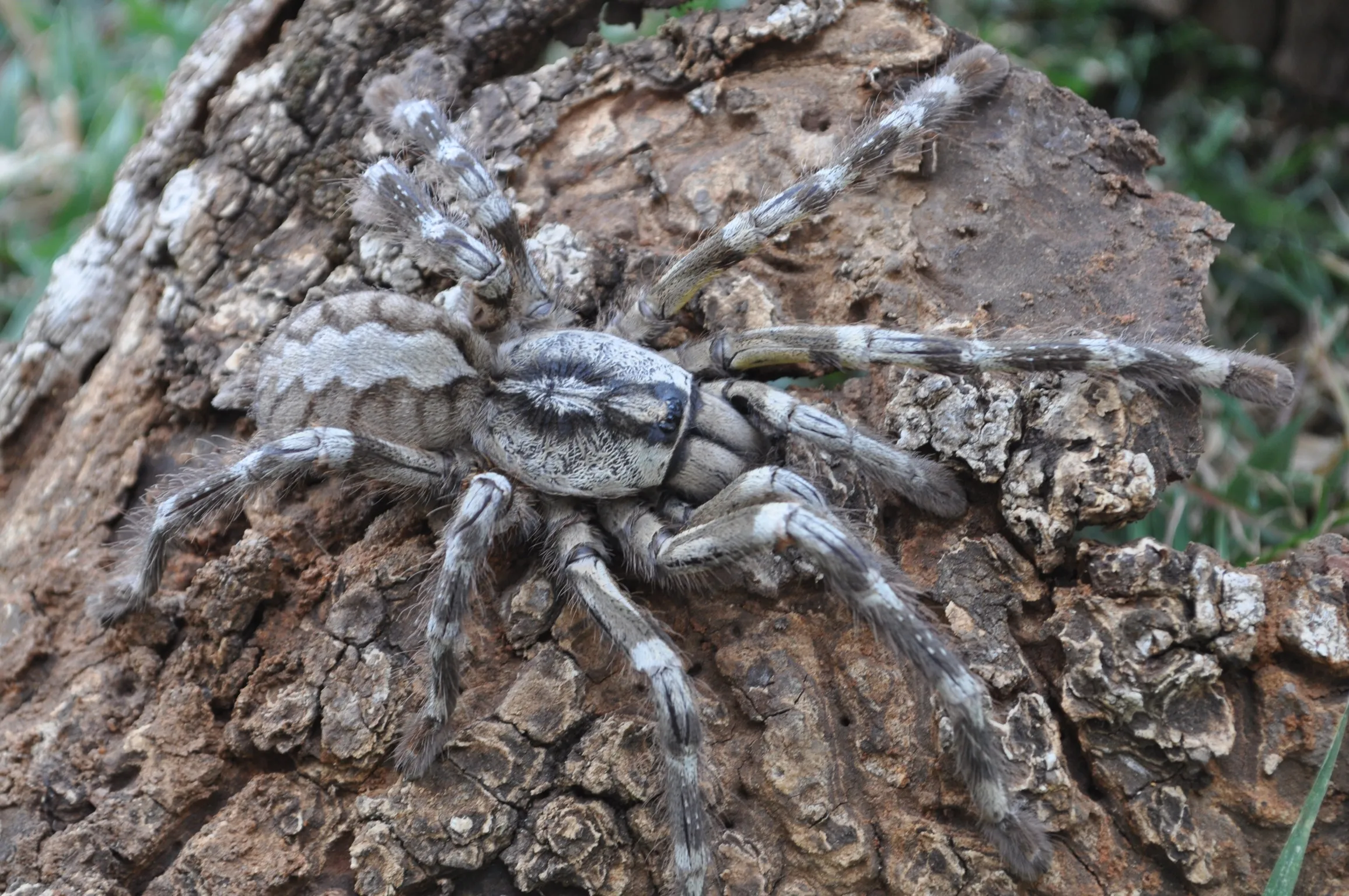
What are Tarantulas?
Tarantulas are large, hairy spiders belonging to the Theraphosidae family, known for their impressive size, diverse coloration, and relatively long lifespans. Found in various habitats worldwide, these fascinating arachnids captivate both scientists and enthusiasts. These spiders are primarily nocturnal hunters, using their keen senses to locate prey. Their physical attributes, including their fangs and venom, play a crucial role in their survival. Tarantulas are not only intriguing creatures but also play an important role in their ecosystems, helping to control insect populations. Their existence dates back millions of years, making them a living link to the prehistoric past. These spiders offer a unique glimpse into the world of invertebrates, and understanding their characteristics is key to appreciating their place in the natural world. Learning about tarantulas can dispel common misconceptions and foster respect for these often-misunderstood creatures.
Physical Characteristics of Tarantulas
Size and Appearance

One of the most striking characteristics of tarantulas is their size. They are among the largest spiders in the world, with some species boasting leg spans of over 10 inches. Their bodies are divided into two main parts the cephalothorax (fused head and thorax) and the abdomen, covered in a dense layer of hairs, which often varies in color and texture depending on the species. The legs are long and powerful, allowing for quick movement and climbing. Many tarantula species have a robust build, adding to their imposing appearance. The overall appearance is a clear indicator of their predatory lifestyle, designed for both hunting and defense. The sheer size of tarantulas, compared to other spiders, immediately sets them apart, contributing to their mystique and fascination.
Color and Markings
Tarantulas display a wide range of colors and markings, making each species unique and visually appealing. Colors can vary from shades of brown, black, and gray to vibrant hues of blue, orange, red, and even iridescent tones. These colors often serve as camouflage, helping them blend into their natural environments, like the forest floor or desert sands. The patterns and markings on their bodies and legs can also aid in species identification, with some species featuring distinct stripes, spots, or other intricate designs. The diversity of coloration is a testament to the evolutionary adaptation of tarantulas, allowing them to thrive in diverse environments. The vividness of some species makes them popular among spider enthusiasts, while the more subdued colors provide effective concealment in the wild.
Venom and Fangs
Tarantulas possess a set of chelicerae, which include fangs, used to inject venom into their prey. The venom, though generally not lethal to humans, can cause pain, muscle cramps, and other localized symptoms. The fangs are sharp and strong, enabling the tarantula to pierce the exoskeletons of insects and small animals. The size and shape of the fangs vary depending on the species, with some being long and curved and others shorter and straighter. The venom primarily serves to immobilize the prey, allowing the tarantula to consume it. While tarantula bites are typically not life-threatening to humans, they can be quite painful. The defensive use of venom, along with other mechanisms, highlights the tarantula’s adaptability and survival strategies. Understanding the role of venom and fangs is crucial to understanding tarantula behavior and its ecological role.
Behavioral Traits of Tarantulas

Predatory Nature and Diet
Tarantulas are primarily ambush predators, relying on patience and strategy to capture their meals. Their diet consists mainly of insects, but larger species may also prey on small vertebrates like lizards, rodents, and birds. They use their chelicerae to inject venom, which quickly immobilizes the prey. The tarantula then uses its fangs to break down the prey’s body, ingesting the nutrient-rich fluids. Tarantulas are opportunistic feeders, consuming whatever is available in their environment. The hunting behavior of these spiders is a display of their adaptation to their habitats. The predatory nature of tarantulas makes them essential regulators of their local ecosystems, contributing to the balance of prey populations. The diversity of their diet and feeding strategies reflects their adaptability to different environmental conditions.
Defensive Mechanisms
Tarantulas have developed several defensive mechanisms to protect themselves from predators. One common defense is the use of urticating hairs, which are barbed hairs on their abdomen that they flick towards potential threats. These hairs can cause severe skin irritation and discomfort, deterring predators. Some species also exhibit a defensive posture, rearing up on their hind legs and displaying their fangs as a warning. Additionally, tarantulas may release a hissing sound by rubbing their legs together. These defense strategies are crucial for their survival in the wild, helping them to avoid being eaten. Understanding these defensive mechanisms is essential when handling or observing tarantulas, highlighting the importance of responsible interaction with these creatures.
Lifespan and Reproduction
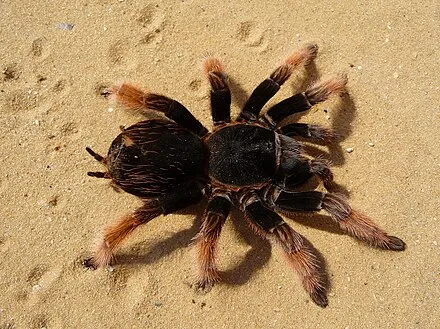
Lifespan of Tarantulas
Tarantulas are known for their relatively long lifespans, especially compared to other spider species. Females can live for several decades, sometimes exceeding 20 years in captivity, while males generally have a shorter lifespan, often only living for a few years after reaching maturity. The lifespan depends on the species, environmental conditions, and access to food and care. The long lifespan of females is due to their slower metabolism and the energy they conserve to reproduce. This longevity is a key factor in their survival and is one of the factors that make tarantulas popular pets. The variability of lifespans among different tarantula species is an interesting aspect of their biology, with factors such as genetics and environment significantly impacting their longevity.
Reproduction Process
The reproduction process in tarantulas involves courtship rituals, mating, and egg laying. Males reach maturity and begin searching for females, often drumming their pedipalps to attract them. After mating, the female lays a clutch of eggs in a silken egg sac. The number of eggs can vary significantly depending on the species, ranging from a few hundred to over a thousand. The female guards the egg sac, protecting it until the spiderlings hatch. The spiderlings, or baby tarantulas, then undergo multiple molts as they grow. The reproductive cycle demonstrates the complexity of these creatures’ lives and is an essential part of their ecological role. Studying the reproduction process is key to understanding tarantula population dynamics and their conservation status.
Habitat and Distribution

Natural Habitats
Tarantulas are found in a wide variety of habitats, including tropical rainforests, deserts, grasslands, and even some temperate regions. They can be terrestrial, living in burrows or under rocks, or arboreal, inhabiting trees and shrubs. The habitat preferences vary depending on the species, with some preferring humid environments, while others thrive in arid conditions. The adaptability of tarantulas allows them to colonize diverse environments around the world. These spiders often camouflage themselves within their habitats, using their colors and behaviors to blend into the surroundings. The choice of habitat is critical for their survival, providing shelter, food, and protection from predators. Understanding the natural habitats of tarantulas is important for their conservation and the protection of the ecosystems in which they live.
Geographic Distribution
Tarantulas are found on every continent except Antarctica. They are most diverse in tropical and subtropical regions, with large populations in South America, Central America, Africa, and Southeast Asia. Several species also inhabit North America, Europe, and Australia. The geographic distribution of tarantulas is affected by factors like climate, the availability of suitable habitats, and the presence of predators. Understanding the geographic distribution of tarantulas is important for conservation efforts. Many species are endemic to specific regions, making them particularly vulnerable to habitat destruction and other threats. Monitoring their distribution helps scientists track population trends and assess the impact of environmental changes. The global spread of these spiders reflects their adaptation to varied environments and their resilience in the face of diverse challenges.
Unique Adaptations of Tarantulas
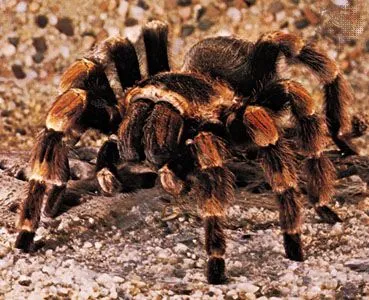
Shedding of Exoskeleton
Tarantulas, like other arthropods, shed their exoskeleton through a process called molting. This process allows them to grow, as the hard exoskeleton does not expand. During molting, the tarantula creates a new, larger exoskeleton beneath the old one. They then shed the old exoskeleton, leaving it behind. This process is crucial for their growth and development. Molting is a vulnerable time for tarantulas, as they are soft and defenseless while their new exoskeleton hardens. They usually hide during this period, often in their burrows or secluded areas. The shedding process varies depending on the species and age of the tarantula. It is a vital adaptation that allows these spiders to thrive and adapt to changing environmental conditions.
Sensory Abilities
Tarantulas have a range of sophisticated sensory abilities that aid them in hunting, navigation, and avoiding predators. They possess sensitive hairs called setae, which detect vibrations in the air and on the ground, helping them to locate prey and sense the presence of potential threats. Their eyes, while not highly developed for detailed vision, allow them to perceive light and movement. Some species also have specialized sensory organs on their legs that detect chemical cues, allowing them to identify potential mates or find their way. These sensory adaptations demonstrate how tarantulas have evolved to survive in their environments. The combination of different senses enables them to effectively hunt, navigate, and reproduce. They are marvels of natural adaptation and survival.
In conclusion, tarantulas are amazing creatures with unique characteristics. Their size, coloration, venom, and defensive mechanisms make them well-suited to their environments. From their predatory nature to their long lifespans, tarantulas have adapted to thrive in diverse habitats. The information above sheds light on what makes these fascinating spiders so unique. Their intricate behaviors and adaptations ensure their survival and emphasize their vital role in the ecosystem. Studying tarantulas provides valuable insights into the natural world and the wonders of evolution. Understanding tarantulas encourages respect for these intriguing animals and highlights the importance of wildlife conservation. These spiders are a testament to the diversity and resilience of life on Earth.