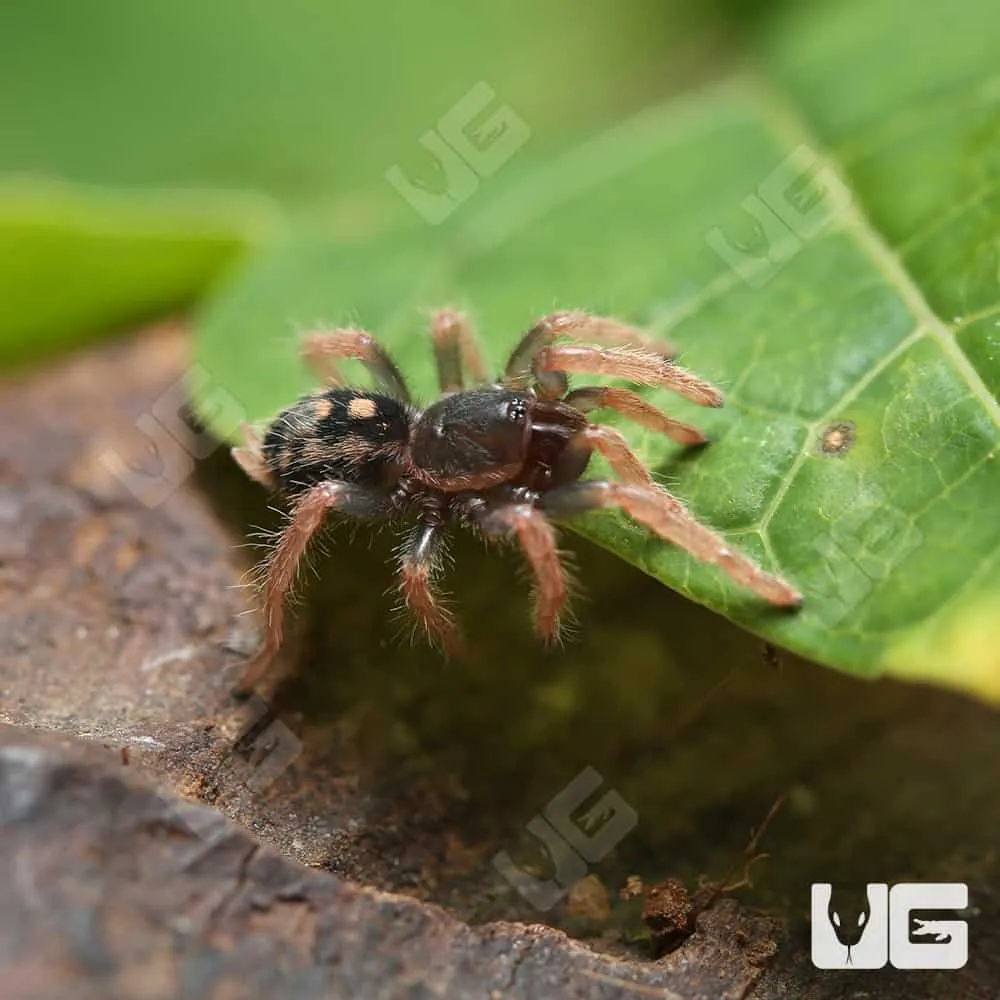
What is Tarantula Farming
Tarantula farming, often perceived as an exotic pursuit, involves the captive breeding and rearing of tarantulas for various purposes. These purposes include the pet trade, scientific research, and, in some instances, even for educational purposes. The practice has gained popularity in recent years as more people become fascinated by these intriguing arachnids. However, getting started requires a solid understanding of tarantula biology, proper husbandry techniques, and a commitment to ethical practices. Furthermore, it is crucial to understand the legal considerations surrounding tarantula ownership and breeding in your specific region, as regulations can vary significantly. Before embarking on this venture, thorough research and preparation are essential. This is a practice that demands responsibility and a genuine interest in the well-being of these fascinating creatures.
Understanding Tarantula Farming
Understanding tarantula farming entails more than just raising spiders; it’s about comprehending their unique needs and behaviors. These creatures have specific requirements regarding temperature, humidity, diet, and enclosure design. Successful tarantula farming is contingent upon replicating their natural environment as closely as possible. This means providing suitable substrates, hiding places, and maintaining appropriate ventilation to prevent the build-up of harmful bacteria and mold. Regular observation is crucial to detect any signs of illness or stress. A proactive approach will enable you to adjust your husbandry practices accordingly. Furthermore, it is important to familiarize yourself with the different tarantula species. Each possesses unique characteristics and specific care requirements. The more you learn about your tarantulas, the more rewarding and successful your farming journey will be.
The Basics of Tarantula Farming

The fundamental aspects of tarantula farming cover several key areas. Firstly, it’s essential to secure healthy tarantulas from reputable sources. Never collect tarantulas from the wild, as this can disrupt ecosystems and may be illegal. Next, you must establish suitable housing environments. This includes appropriate enclosure sizes, substrate materials, and the provision of essential elements such as water dishes and decorations. Thirdly, feeding is a critical aspect of their care. The diet should consist of live insects, such as crickets, mealworms, and roaches, which are readily available from pet stores or online suppliers. Ensuring an adequate diet will help the tarantula grow healthy and develop normally. Lastly, observe your tarantulas’ behavior regularly to monitor their health. This ensures any issue is detected early, allowing for swift interventions to address any potential issues. Consistency and diligence are vital to ensure your tarantulas thrive.
Setting Up Your Tarantula Farm
Choosing Your Tarantula Species
Selecting the right tarantula species is the first critical step in establishing a successful tarantula farm. Beginners often start with hardy, docile species like the Chilean Rose Hair tarantula (Grammostola rosea) or the Mexican Red Knee tarantula (Brachypelma hamorii). These species are relatively easy to care for and tolerate a wider range of environmental conditions. However, as you gain experience, you might consider more exotic species with interesting behaviors or appearances. Researching the specific requirements of each species is crucial before you acquire them. Consider their size, lifespan, temperament, and environmental needs to ensure you can provide adequate care. You must also factor in the availability of these species and the potential demand in your local market. Starting small and gradually expanding your collection based on your expertise is a sensible approach.
Selecting the Right Enclosures

The choice of enclosure is essential to the well-being of your tarantulas. The size should be appropriate for the tarantula species and its size. As a general rule, the enclosure should be at least three times the tarantula’s leg span in width, and the height should allow enough space for the tarantula to molt without obstruction. The material of the enclosure can vary, with clear plastic enclosures being popular for their visibility and ease of cleaning. Glass terrariums are another option. Ensure that the enclosure has adequate ventilation to prevent the buildup of mold and humidity. Ventilation is crucial; however, the enclosure needs to retain sufficient moisture for the species. You must also provide a secure lid to prevent escapes, and provide an appropriate substrate to allow the tarantula to burrow and feel secure.
Creating the Ideal Habitat
Creating an ideal habitat involves mimicking the natural environment of your tarantulas. The substrate should be deep enough for burrowing species to construct their homes. It should also retain some moisture while allowing good drainage. Suitable substrates include coconut fiber, peat moss, and a mix of vermiculite and potting soil. Provide hiding places such as cork bark, artificial plants, or decorative items to allow the tarantula to feel secure and avoid stress. Maintain the correct temperature and humidity levels. These levels will depend on the specific requirements of your chosen species. Use a thermometer and hygrometer to monitor conditions and adjust the heating and ventilation accordingly. Regularly mist the enclosure to maintain humidity for tropical species and keep the habitat clean to reduce the risk of diseases and pests. Careful attention to detail will ensure a thriving environment for your tarantulas.
Feeding and Caring for Your Tarantulas
What Do Tarantulas Eat

Tarantulas are carnivores, and their diet primarily consists of live insects. Crickets, mealworms, and roaches are common choices and can be readily purchased from pet stores or online suppliers. The size of the insects should be appropriate for the size of your tarantula; generally, insects should be no larger than the tarantula’s body. Newly hatched spiderlings may be fed fruit flies or small pinhead crickets. The nutritional value of the insects you feed to your tarantulas is also essential, and feeding the insects before offering them to your tarantulas can enhance this. The insects should be gut-loaded with nutritious foods. In addition to insects, some tarantulas may occasionally accept small vertebrates such as pinkie mice, although this should only be offered sparingly. Fresh, clean water should always be available for your tarantulas to drink.
Feeding Schedule and Techniques
The feeding schedule should be adjusted to the tarantula’s age and growth stage. Young spiderlings require more frequent feedings. They may eat several times a week, while adult tarantulas can be fed less often. Adult tarantulas typically eat once or twice a week, depending on their size and appetite. Observe your tarantulas’ behavior to determine their feeding habits. If a tarantula is not eating, it may be preparing to molt or could be ill. Remove uneaten insects from the enclosure after 24 hours to prevent them from stressing or harming the tarantula. The feeding technique involves dropping live prey into the enclosure, allowing the tarantula to hunt naturally. Some tarantulas are more active hunters, while others are ambush predators, so adjust your feeding strategy accordingly.
Providing Water and Maintaining Humidity
Providing a clean water source is crucial for tarantulas to stay hydrated, as they obtain moisture from both food and drinking. A shallow water dish should be placed in the enclosure, ensuring the water level is shallow enough to prevent accidental drowning. Use water that has been dechlorinated to prevent harmful chemicals. Maintain the humidity levels appropriate for the species, which can vary significantly. Tropical species require higher humidity levels than arid species. Monitor humidity levels using a hygrometer and mist the enclosure regularly with dechlorinated water to maintain appropriate conditions. Proper ventilation is also essential to prevent mold growth. Be careful not to over-mist the enclosure; doing so can lead to health issues. Regularly clean the water dish and replace the water to keep it fresh and free of contaminants.
Breeding and Reproduction

Identifying Male and Female Tarantulas
Distinguishing between male and female tarantulas is essential for breeding. The most reliable way to determine the sex of a tarantula is to examine its molt. On the underside of the molt, females have a spermathecae, which is a pouch-like structure used to store sperm. Males do not have this structure. They have a less conspicuous book lung. Another indicator is the presence of tibial hooks on the front legs of mature males. These hooks are used to hold the female’s fangs during mating. The size and appearance of the tarantulas can also give hints, but this is not always accurate. Females are generally larger than males and have a longer lifespan. A careful examination of the molt provides the most definitive determination.
The Mating Process
The mating process in tarantulas can be a complex and sometimes dangerous undertaking. It is important to introduce the male to the female enclosure only when both tarantulas are healthy and well-fed. A male will drum on the female’s enclosure to indicate his interest. If the female is receptive, the male will approach, and the mating will begin. The male deposits sperm onto a sperm web, and then transfers this sperm to the female using his pedipalps. After mating, it’s crucial to remove the male from the female’s enclosure, as the female may view him as a potential meal. The female will then lay her eggs in a silk egg sac, which she will protect and care for until the spiderlings hatch.
Caring for Eggs and Spiderlings

The female tarantula will protect and care for her eggs until they hatch into spiderlings. The incubation period can vary depending on the species and environmental conditions. After the spiderlings hatch, they will remain with the mother for a short time. They then disperse to start their independent lives. You must separate the spiderlings into individual enclosures to prevent cannibalism. Provide them with appropriate-sized food, such as fruit flies or pinhead crickets, and maintain proper temperature and humidity levels. The spiderlings will grow quickly and molt several times before reaching adulthood. Caring for the spiderlings requires patience, attention to detail, and a commitment to their well-being. Monitor their development closely to address any issues early on.
Common Challenges and Solutions
Dealing with Diseases and Pests
Tarantulas are generally robust, but they can be susceptible to certain diseases and pests. Mites, for example, can infest tarantulas and their enclosures, causing irritation and potentially spreading disease. Treat mite infestations immediately by isolating the affected tarantula and thoroughly cleaning the enclosure. The use of mite treatments designed for arachnids may be necessary. Mold can grow in enclosures with poor ventilation or excessive humidity. Remove any moldy substrate and improve ventilation. If your tarantula is showing signs of illness, such as lethargy, loss of appetite, or unusual behavior, consult with an experienced tarantula keeper or a veterinarian. Prevention is key, so maintaining a clean environment and providing proper husbandry practices minimizes the risk of diseases and pest infestations.
Preventing Escape and Ensuring Safety

Preventing escape is a critical safety measure when keeping tarantulas. Always ensure that enclosures have secure lids and that there are no gaps or openings. Check the enclosures regularly. When handling tarantulas, do so with care, and avoid sudden movements that may startle them. It is important to handle tarantulas only when necessary, as unnecessary handling can be stressful and potentially lead to bites. Be aware of the species’ defensive behaviors, such as flicking urticating hairs or biting, and take appropriate precautions. Handle tarantulas over a soft surface, such as a bed or carpet, to minimize the risk of injury if they fall. Always wash your hands thoroughly after handling tarantulas or their enclosures to prevent the spread of potential allergens or contaminants.
Maximizing Profitability
Marketing and Selling Your Tarantulas
Marketing your tarantulas effectively is essential for maximizing profitability. The best approach is to start with a business plan. Research the market to determine the demand for specific species and identify potential buyers. You can sell your tarantulas online through dedicated forums, social media groups, or your own website. Local pet stores and reptile shows can also be good avenues for sales. When marketing your tarantulas, provide accurate information about the species, including its origin, care requirements, and temperament. High-quality photos and videos can significantly improve sales. Building a good reputation through reliable service and healthy tarantulas is crucial for long-term success. This will build trust and encourage repeat business.
Pricing Strategies and Market Research

Setting appropriate prices is critical for profitability. Research the current market prices for the species you are selling, considering factors such as rarity, size, and color. Prices can fluctuate depending on the demand and the availability of the specific species. When pricing your tarantulas, factor in your costs. This includes the purchase price of breeding stock, enclosure costs, food, substrate, and any other expenses associated with tarantula farming. Competition from other breeders can also affect your pricing strategy. Offering competitive prices while maintaining the value of your tarantulas can attract more customers. Regularly review and adjust your prices based on market trends and your cost structure to ensure profitability.
Legal and Ethical Considerations
It is crucial to be aware of the legal and ethical considerations involved in tarantula farming. Research and comply with all local, state, and federal regulations regarding owning, breeding, and selling tarantulas. Some species are protected by law and may require permits or licenses to keep or breed. Avoid purchasing or selling tarantulas that are illegally sourced or collected from the wild. Prioritize the welfare of the tarantulas at all times. Provide proper care, and avoid practices that cause undue stress or suffering. Consider joining or supporting ethical breeding organizations that promote responsible practices and provide education to other breeders. By adhering to legal and ethical guidelines, you contribute to the responsible management of tarantula populations and promote the long-term sustainability of tarantula farming.